
DD
MM
YYYY

PAGES

DD
MM
YYYY

spot_img

PAGES

Home Blog Page 3871

Nigeria Ranked Among The Top 20 Countries in The World That Googled “Fintech” in April 2023

0

A recent research by the Fintech News Network (FNN) has disclosed that Nigeria ranked among the top 20 countries in the world, where people are searching for the term “fintech” the most.

The Fintech News Network Index (FNNI), which ranked the countries and cities that are querying the word “fintech” the most on Google, revealed that in April 2023, Internet users in Nigeria, Singapore, and Hong Kong showed the most interest in the sector.

The rankings were based on search volume compared to each country’s total search volume. Nigeria ranked second on the list, coming behind Singapore and Hong Kong occupying the third position.

Nigeria moved up three places between 2021 and 2022, rising from the fifth to the third position. As interest in Fintech increased over the past two years in the country, in April 2023, it rose further, taking second place globally.

Nigeria, being one of the most populous countries in Africa with a significant portion of its population unbanked or under-banked, presented a fertile ground for Fintech innovation.

The fintech ecosystem in Nigeria encompasses various sectors, which include Payments, lending, blockchain, insurance, and wealth management amongst others.

Notably, Nigeria’s booming interest in fintech has been attributed to the government’s commitment to fostering the industry. In November 2022, the Central Bank of Nigeria (CBN), launched a policy, the “National Fintech Strategy” to set put the government’s ambition to position Nigeria’s Fintech ecosystem as a global leader.

Among the major initiatives that are being undertaken, the Central Bank of Nigeria said it will design and implement balanced and proportional policies and regulations, help stimulate the domestic investment landscape, and promote multi-stakeholder collaboration.

Nigeria’s regulatory bodies are also moving forward to address the demand for open banking, issuing in February 2021 a formal framework for the practice. The country is among the first regulators in Africa to mandate open banking frameworks, along with financial services data protection rules.

Nigeria already has frameworks covering peer-to-peer (P2P) lending and equity crowdfunding on a plate. The country’s Fintech landscape has evolved tremendously, emerging over the past years into Africa’s biggest fintech hub.

It is worth noting that Nigeria’s Fintech sector has attracted significant investments from both domestic and international investors. This has seen the country lead the region in venture capital (VC) funding, accounting for a third of all funding deployed into fintech in the Middle East and Africa (MEA) in 2021, according to a 2022 study commissioned by Mastercard.

Nigeria is also the birth country of some of the region’s largest and most valuable fintech unicorns. These ventures include Flutterwave, a US-headquartered payment infrastructure provider that originated from Nigeria and is valued at US$3 billion.

Opay, a mobile-based financial platform for payments, transfers, loans, savings, and more valued at US$2 billion; and Interswitch, an Africa-focused integrated digital payments and commerce a company worth US$1 billion and headquartered in Nigeria.

Check Out Several Factors That Contributed to The Booming Fintech Sector in Nigeria

1. Large Unbanked and Underbaked Population: Nigeria has a substantial population that lacks access to traditional banking services. Fintech companies capitalized on this opportunity by offering digital financial solutions that catered to the needs of this underserved market.

2. Mobile Phone Penetration: Nigeria has one of the highest rates of mobile phone penetration in Africa. Fintech companies leveraged this widespread mobile adoption to provide mobile-based financial services, enabling individuals to access financial products and services using their smartphones.

3. Innovation and Technology Adoption: Fintech startups in Nigeria developed innovative solutions that addressed various financial challenges. These solutions ranged from mobile payments and digital wallets to lending platforms and investment apps.

4. Economic Opportunities: Nigeria is a growing economy with a thriving entrepreneurship ecosystem. The fintech sector presented lucrative opportunities for startups to address gaps in financial services and disrupt traditional banking.

5. Regulatory Framework: While regulatory challenges existed, Nigerian regulators also recognized the importance of fostering fintech innovation while ensuring consumer protection and financial stability. Regulatory changes and frameworks were developed to accommodate and support fintech companies.

With over 250 licensed Fintech companies, the Nigerian fintech sector is experiencing tremendous growth, as several startups and innovators emerge with new financial solutions.

It is not far-fetched to say that Nigeria’s FinTech ecosystem is rapidly evolving into one of Africa’s most vibrant sectors with huge growth potential.
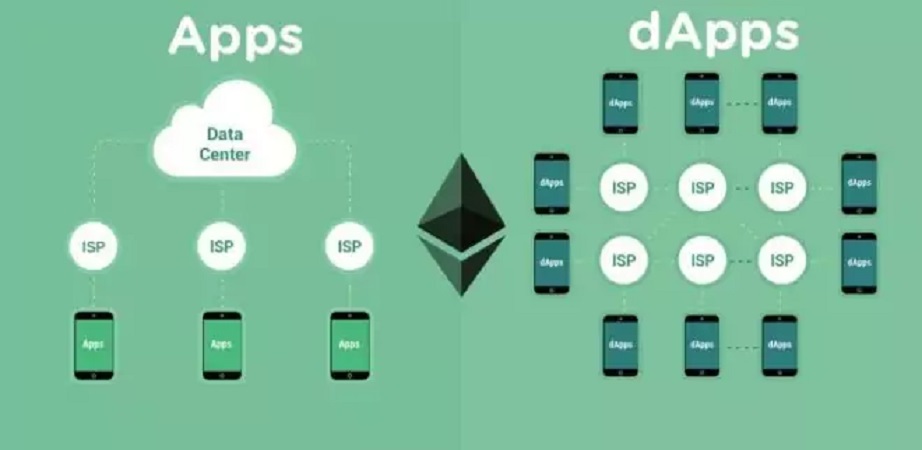

Critical Features of Decentralized Applications – Dapps

0

Decentralized Applications, or Dapps, are one of the most innovative and disruptive aspects of the crypto industry. Dapps are software applications that run on decentralized networks, such as blockchains or peer-to-peer networks, without relying on a central authority or intermediary. Dapps can offer users more control, transparency, security, and privacy than traditional applications. In this blog post, we will explore some of the critical features of Dapps and how they differ from conventional apps. Dapps have the potential to revolutionize various industries and sectors, such as finance, gaming, media, healthcare, education, and more.

One of the key features of Dapps is that they are open source, meaning that anyone can access, inspect, and modify their code. This ensures that the Dapps are transparent and trustworthy, as users can verify their functionality and security. Moreover, open-source code enables collaboration and innovation among developers and users, as they can contribute to the improvement and evolution of the Dapps.

Another feature of Dapps is that they are incentivized, meaning that they reward their users and participants for their actions and contributions. For example, many Dapps use cryptocurrencies or tokens to reward users for providing resources, such as computing power, storage space, or network bandwidth, to the decentralized network. These incentives align the interests of the users and the network, creating a positive feedback loop that enhances the performance and security of the Dapps.

A third feature of Dapps is that they are immutable, meaning that they cannot be altered or tampered with once they are deployed on the decentralized network. This ensures that the Dapps are resistant to censorship, corruption, fraud, or downtime. Moreover, immutability preserves the history and integrity of the data and transactions that occur on the Dapps, creating a permanent and verifiable record that can be audited by anyone.

A fourth feature of Dapps is that they are interoperable, meaning that they can communicate and interact with other Dapps and protocols on the decentralized network. This enables cross-chain functionality and compatibility, allowing users to access a variety of services and features across different platforms and ecosystems. For example, a user can use a Dapp to exchange one cryptocurrency for another, or to access a decentralized exchange, a lending platform, a gaming platform, or a social media platform.

Some of the Critical Industries where DAPPs is Efficiently Useful are;

Finance: Dapps can enable peer-to-peer transactions of value without intermediaries, such as banks or payment processors. This can reduce transaction costs, increase efficiency, and foster financial inclusion. Examples of Dapps in this sector include decentralized exchanges, lending platforms, stablecoins, and prediction markets.

Gaming: Dapps can create immersive and interactive gaming experiences that are owned and controlled by the players. Dapps can also enable the creation and trading of digital assets, such as non-fungible tokens (NFTs), that represent unique and scarce items in the game world. Examples of Dapps in this sector include collectible card games, virtual worlds, and metaverses.

Media: Dapps can empower content creators and consumers to have more control over their data and content distribution. Dapps can also enable new forms of monetization and reward mechanisms that are fairer and more transparent. Examples of Dapps in this sector include social media platforms, content marketplaces, and streaming services.

Healthcare: Dapps can improve the quality and accessibility of healthcare services by enabling secure and efficient data sharing among patients, providers, and researchers. Dapps can also enable new models of healthcare delivery and management that are more personalized and patient centric. Examples of Dapps in this sector include electronic health records, telemedicine platforms, and health data marketplaces.

Education: Dapps can enhance the learning outcomes and experiences of students and educators by enabling more collaborative and engaging learning environments. Dapps can also enable new forms of credentialing and verification that are more trustworthy and portable. Examples of Dapps in this sector include online courses, learning management systems, and digital certificates.

These are some of the critical features and industries where Dapps can be useful that make them unique and superior to traditional applications. Dapps have the potential to revolutionize various industries and sectors, such as finance, gaming, media, healthcare, education, and more. By leveraging the power of decentralization, Dapps can offer users more freedom, choice, value, and innovation than ever before.

The Harvest Is Near As Acquisition Era Begins in African Fintech Scene

0

This is the playbook: by 2024, many exits will happen via acquisitions in the African startup scene. Yes, the biggest species will swallow the not-so-big as the industry evolves. Early this year, Tekedia Capital exited a startup via that playbook. acquisition.

Why is that going to happen? The unicorns and the best of the bests will need to have larger scale before they can IPO. And one way of doing that is buying other companies instead of growing organically.

Moniepoint does a TPV of $14 Billion (with B) monthly in Nigeria, making it one of the most important layers in the Nigerian financial sector. But to sustain a valuation in the range of $2-3 billion, it needs an African playbook. That is the reason it is buying and shopping, from PayDay to now Kenya’s Kopo Kopo:

“The Competition Authority of Kenya has approved the proposed acquisition of 100% shares in Kopo Kopo by Moniepoint unconditionally. This approval has been granted based on the two key considerations during the merger analysis that; first, the transaction is unlikely to negatively impact competition in the market for digital credit; and second, the transaction will not elicit negative public interest concerns arising from the transaction”.

Moniepoint, a Nigerian Fintech company that provides an all-in-one payments, banking, and operations platform for businesses, has been granted approval to acquire Kenyan Fintech Kopo Kopo.

Moniepoint acquisition of Kopo Kopo, received clearance from the Competition Authority of Kenya after a thorough analysis of the merger’s potential impacts was conducted.

The season of harvest is here and more exits will happen. I have expanded the size of my bank account to accommodate more digits as the one they gave me as a village boy was short! Yes, that sound of Lakunle to Sidi in Wole Soyinka’s  The Lion and the Jewel comes across:  “I own only the shorter companion dictionary, but I have ordered the Longer One – you wait!”. #build and upgrade your digits.

RELIGION:Politics and Economics of Tani Olohun

0

In the vast landscape of social media, a new frontier of discussion and debate has emerged: comparative religious activities. Platforms like Facebook and YouTube provide a virtual stage where individuals can engage in thought-provoking conversations about various belief systems, comparing religious figures, practices, and ideologies.

However, beneath the surface of these digital dialogues lie intricate dynamics that intertwine politics, economics, and the intricate tapestry of societal values. In this piece, our analyst delve into the nuanced world of comparative religious activities on social media, exploring the political implications and economic motivations that underlie these interactions.

The Rise of Comparative Religious Activities

The proliferation of social media has democratized information dissemination and facilitated cross-cultural interactions like never before. Individuals from diverse backgrounds can now engage in conversations that span continents, languages, and belief systems. Comparative religious activities take advantage of this interconnectedness to initiate discussions that dissect the similarities and differences between various faiths.

Tani Olohun’s Facebook page and YouTube channel exemplify this trend. His posts include statements like “Quran supports Alcohol” and “Christianity is Islam,” which challenge established notions and incite debates among followers. While such content sparks engagement, it also brings to light the multifaceted dimensions that surround these discussions.

The Political Undercurrents

Engaging in comparative religious activities on social media is not a neutral act. The political implications of such interactions are far-reaching, as they navigate the sensitive terrain of beliefs, traditions, and identities. Often, the comparisons made can inadvertently favor one religion over another, resulting in accusations of bias or insensitivity.

Consider Tani Olohun’s post on April 2023, “Cockroach Invade Mecca (Kaaba).” The casual tone of the post might have been intended as humor, but it can be interpreted as a commentary on the significance of the religious site. In a world where religious symbols are powerful markers of identity, such content can inadvertently fan the flames of political tensions.

Comparative religious activities can also fuel existing geopolitical conflicts. In regions where religious differences are intertwined with historical grievances and political struggles, online discussions can inadvertently perpetuate narratives that deepen divisions. When religious figures or practices are compared in a way that seems dismissive or disrespectful, it can lead to hostility and further polarization.

The Economics of Engagement

Beyond the political implications, there is an economic dimension to engaging in comparative religious activities on social media. The attention economy, where platforms thrive on users’ engagement, shapes the content that is shared and amplified. Content creators are incentivized to create provocative posts that generate reactions, comments, and shares, as these metrics boost their visibility and influence.

Tani Olohun’s content is no exception. Posts like “Muhammed (PBUH) celebrates Christmas” or “Different among Muhammed, Jesus and Orunmila” are designed to grab attention and stimulate discussions. The more engaging the content, the more likely it is to spread across the platform, thereby increasing the creator’s reach.

In an age where viral content can translate into monetization opportunities, the economic motivations behind comparative religious activities cannot be ignored. Creators might inadvertently prioritize sensationalism over accuracy, feeding into the cycle of polarization and misinformation.

The Call for Responsible Engagement

Amidst the politics and economics of comparative religious activities on social media, there emerges a call for responsible engagement. While the allure of reactions, comments, and shares is undeniable, content creators bear a responsibility to approach these discussions thoughtfully. Balancing the need for engagement with respect for differing viewpoints is essential to fostering an environment conducive to healthy dialogue.

Incorporating fact-checking and research into these conversations is paramount. The dissemination of misinformation can have far-reaching consequences, from deepening existing divides to causing real-world conflict. By ensuring that the information shared is accurate and well-sourced, content creators can contribute to a more informed public discourse.

Furthermore, approaching these discussions with empathy can humanize the narratives being discussed. Recognizing the deep personal connections people have with their faiths can promote understanding and respect, even in the face of differing beliefs.

In the ever-evolving landscape of social media, comparative religious activities have emerged as a double-edged sword. While these discussions open avenues for cross-cultural dialogue, they also navigate the complex terrains of politics and economics. The power to shape opinions and perceptions comes with a responsibility to tread carefully, avoiding sensationalism and misinformation.

As content creators and consumers alike, we hold the key to shaping the future of comparative religious discussions on social media. By prioritizing accuracy, empathy, and respect, we can foster an environment where diverse beliefs are celebrated, rather than exploited for engagement metrics. In the end, the call for responsible engagement is a call for a more informed, connected, and harmonious digital world.

Moniepoint Granted Approval to Acquire Kenyan Fintech Kopo Kopo

0

Moniepoint, a Nigerian Fintech company that provides an all-in-one payments, banking, and operations platform for businesses, has been granted approval to acquire Kenyan Fintech Kopo Kopo.

Moniepoint acquisition of Kopo Kopo, received clearance from the Competition Authority of Kenya after a thorough analysis of the merger’s potential impacts was conducted.

Commenting on the approval, the Competition Authority of Kenya said via a statement,

“The Competition Authority of Kenya has approved the proposed acquisition of 100% shares in Kopo Kopo by Moniepoint unconditionally. This approval has been granted based on the two key considerations during the merger analysis that; first, the transaction is unlikely to negatively impact competition in the market for digital credit; and second, the transaction will not elicit negative public interest concerns arising from the transaction”.

Kopo Kopo was founded in 2010 by Ben Lyon and Dylan Higgins. The startup offers solutions to help businesses in Kenya, grow and prosper through payments.

Through its offerings, it enables SMEs to accept, process, and analyze mobile payments in real-time and engage customers using highly targeted, market-appropriate promotional and loyalty tools.

Kopo Kopo’s platform is secure and offers an online dashboard to download statements, view payments, and settle the funds to the bank account, enabling businesses to have an alternative to traditional payment methods. It also offers a suite of ISO/Acquirer tools for merchant acquirers like banks, mobile network operators, and 3rd parties.

Moniepoint acquisition of Kopo Kopo will see the Fintech startup expand its services to Kenya, continuing its growth plans across the African continent.

Moniepoint is one of Nigeria’s largest business payments and banking platforms that have a mature banking or payments infrastructure. Beyond payment processing, Moniepoint offers essential financial services to SMEs, including working capital loans and accounting solutions.

The startup received its license in February 2022 and has helped over 1.5 million businesses with banking, payments processing, access to loans and business management tools.

Notably, Moniepoint MB operates the largest distribution network for financial services in Nigeria, and over 33 million people use their cards on our POS terminals monthly across every local government in Nigeria.

The startup has raised approximately less than $100 million, with its most recent funding round in August 2022 securing $50 million led by QED Investors, a US based venture capital firm focusing on Fintech investments.

In August 2023, it launched its Personal banking product to further support the businesses that use its products, by banking

their customers and employees.  Through this product, individual users can get reliable cards, as well as bank accounts for transfers and bill payments.

It is worth noting that the Fintech company is run by a team of veteran bankers and technologists working to provide the most seamless and secure experience for everyone using the platform.

Moniepoint mission is to help people use technology to find financial happiness. Through its expansion plan across the African continent, the startup wants to take on the unbanked and underserved market. 

It believes that Africans deserve financial services that are better than what Europeans and Americans have.