DD
MM
YYYY

PAGES

DD
MM
YYYY

spot_img

PAGES

Home Blog Page 3872

The Nigeria’s Mistake on Fuel Subsidy Removal Policy; It Focused On The Wrong Thing

1

In my last note, I wrote that Nigeria’s rural economies have been disconnected massively from the urban economies. Yes, during the holidays, the traffic reduction in the rural areas was noticeable and drastic. Simply, the fuel re-pricing and the broad removal of fuel subsidies have distorted and disconnected rural Nigeria from the urban one, as many could not afford to travel during the Christmas and New Year holidays.

Understand that without logistics and supply chain, economies struggle. Our fuel subsidy removal has caused severe pains in our rural economy, and I want the leaders to pay attention.

Here are two things to consider:

  1. Every country subsidizes something. Nigeria can subsidize fuel without the corruption part.  This table shows the leaders on energy subsidies; Nigeria is not even recorded because our subsidy is insignificant. Notice that China’s manufacturing policy is tethered to its smart energy subsidy playbook.
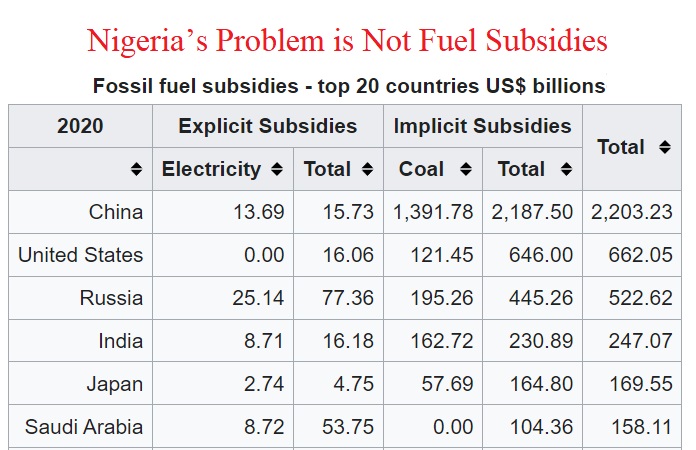
Nigeria’s Problem is Not Fuel Subsidies

  1. We must make sure the postal system is working so that the rural areas can link back to the urban areas of Nigeria: “The US postal service has not made a single profit in the last 20 years. That is a massive subsidy to improve the supply chain, across America, by making sure commerce works. But they’re smart: the money used to subsidize post office is recovered when profits of companies which depend on the postal system are taxed. Provided there is no corruption, the government has no need to turn the post office into a direct profit-making machine. Recently, the government tried to clean the books, and even after, the postal service still recorded red! That subsidy is a platform strategy as we do in startups.” Simply, a working postal service will deepen the economic ties between rural and urban Nigeria.

US Postal Service Net Income/Loss By Year

  • 2021 – $9.7 billion loss (projected)
  • 2020 – $9.2 billion loss
  • 2019 – $8.8 billion loss
  • 2018 – $3.9 billion loss
  • 2017 – $2.7 billion loss
  • 2016 – $5.6 billion loss
  • 2015 – $5.1 billion loss
  • 2014 – $5.5 billion loss
  • 2013 – $5 billion loss
  • 2012 – $15.9 billion loss
  • 2011 – $5.1 billion loss
  • 2010 – $8.5 billion loss
  • 2009 – $3.8 billion loss
  • 2008 – $2.8 billion loss
  • 2007 – $5.1 billion loss
  • 2006 – $900 million surplus
  • 2005 – $1.4 billion surplus
  • 2004 – $3.1 billion surplus
  • 2003 – $3.9 billion surplus
  • 2002 – $676 million loss
  • 2001 – $1.7 billion loss

Good People, Nigeria needs strategic subsidies on energy and logistics; what should be eliminated and phased out is corruption. Imagine instead of saying “The fuel subsidy is gone”, we say “The fuel subsidy corruption is gone”. The latter would have improved every Nigerian by now.
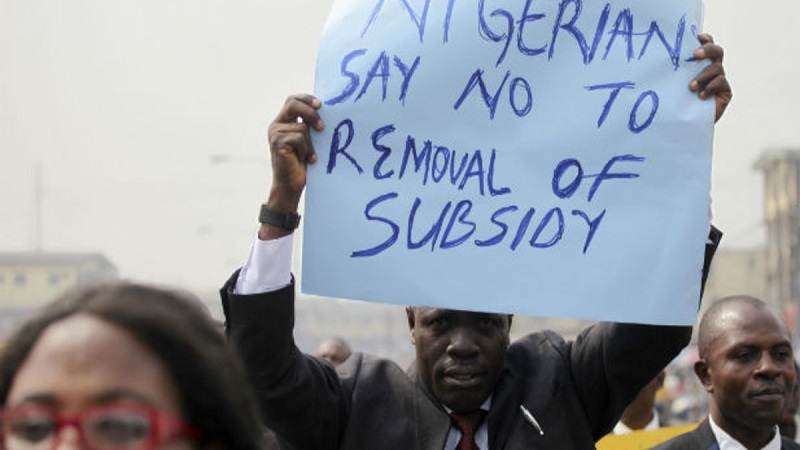
Nigeria Recorded A Massive Economic Degradation Within the Last 12 months

1

As I have written here many times, I use many unconventional ways to pick indicators on where things are in Nigeria. To model the strength of the export of our physical goods, I ask friends to send me images of ships as they arrive and depart the harbours, from Marina Street’s highrise buildings in Lagos. Right now, most ships arrive fully loaded but depart partly loaded or empty.

Also, I do ask contacts in aviation to send me how many planes are parked at night in our major airports. Those give me indications on supply chain and the strength of economic activities. Again, the total number of operating planes in Nigeria has dropped from this time last year.

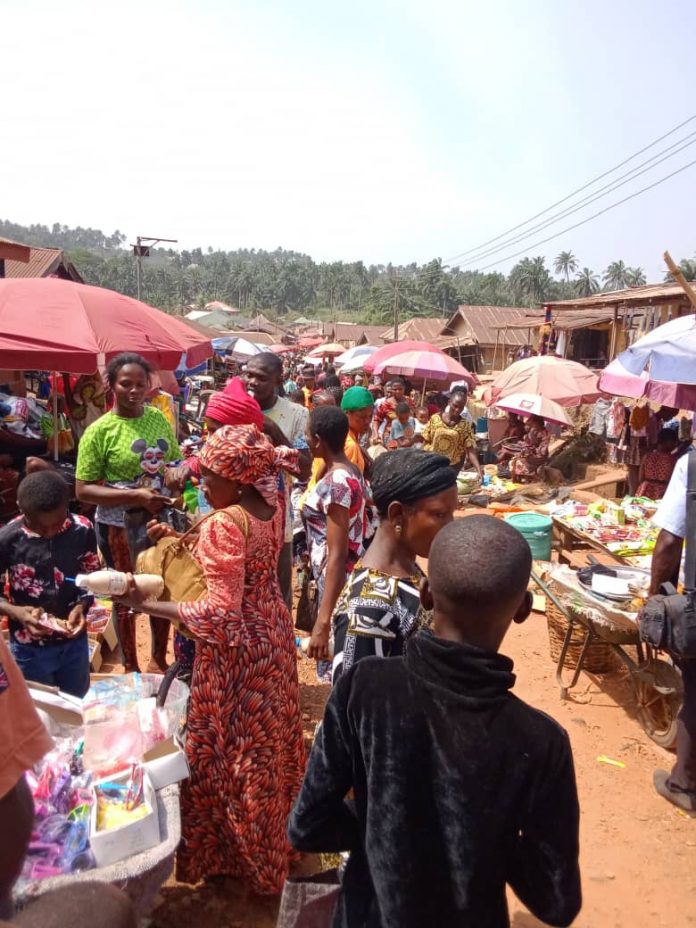
Last year, I added a new element: ask people to examine traffic in their village’s popular junctions on Christmas and New Year days. Yes, compared with last year’s traffic, were those junctions busier, etc. The consensus I am getting from most I have sampled is clear: in most parts of southern Nigeria, people did not visit home and many popular rural junctions did not experience as much traffic as last year’s. In other words, most people did not travel to rural areas during this Christmas break.  Whenever that happens, it means there is economic stress. Yes, no money to travel! (The high cost of transportation due to the removal of the fuel subsidy could also be a huge factor.)

Let me ask you: if you visited home during the holidays,  is this consistent with your observation? Did you see more people and vehicular traffic in the village? 

Good People, from Oriendu Market Junction to Ababa Imenyi Junction, in Abia State, to other junctions, traffics dropped significantly.

Nigeria cannot afford to disconnect rural Nigeria from urban Nigeria. We must make sure that the connection remains. But as it stands, it does seem like Nigeria recorded a massive economic degradation within the  last 12 months due to changes in forex policy and fuel prices.

This is not suprising: supply chain is commerce and when that is broken, everything fades. With the cost of transportation high due to fuel re-pricing, Nigeria dislocated the equlibrium.  I do not support the removal of fuel subsidy because every country on earth subsidies something; Nigeria has the capacity to fuel production with common-sense subsidy of energy. My only solution has been simple: remove the corruption in Nigeria’s fuel subsidy which makes it look bad. 

Yes, it was similar to my position on border closure where I noted that  you do not close your land borders because your Customs officers are ineffective; a better solution would have been to fire those men and women, and get new people to do their jobs.

I do hope we do not forget rural Nigeria as transportation cost can widen the “distance”, considering that the collapse of the postal service has already taken most of those rural areas out of our national economic maps.

Nigeria: Unmasking Corruption through FUELING POVERTY

0

In the realm of documentary filmmaking, Fueling Poverty, directed by Ishaya Bako, stands as a compelling testament to the power of visual storytelling in shedding light on societal issues. Released in 2012, the documentary delves into the heart of the Occupy Nigeria movement, capturing the fervor of a nation grappling with the pervasive issues of greed and corruption. With a runtime of 28 minutes, the film skillfully weaves together interviews, observations, and reflections from prominent figures, including Nobel Laureate Wole Soyinka, Femi Falana, Nasir Ahmad el-Rufai, Seun Kuti, and Desmond Elliot.

Corruption Unveiled

At its core, Fueling Poverty confronts the dark underbelly of Nigerian governance, unraveling the intricacies of the Fuel Subsidy Scam of 2011. The documentary asserts that the subsidy, ostensibly introduced to maintain low fuel prices, became a breeding ground for corruption within the government. It meticulously traces the scandal back to 1986, raising pertinent questions about the utilization of public funds and the nation’s dependence on exporting crude oil while importing refined products.

Narrative Techniques

Bako employs a multifaceted approach in constructing his narrative, utilizing expository, observational, reflexive, and participatory methods. This dynamic storytelling technique not only reveals the extent of corruption but also engages the audience emotionally. By compressing the harsh realities of Nigerians into a half-hour film, Fueling Poverty sparks a visceral response, primarily anger, capable of catalyzing societal action.

Art and Community Connection

The documentary bridges the gap between art and community, demonstrating how art can be socially responsible. Bako transforms the struggles of ordinary citizens into a powerful form of art that resonates with viewers. The film becomes a mirror reflecting the collective discontent and despair of a population subjected to economic hardships due to poor governance.

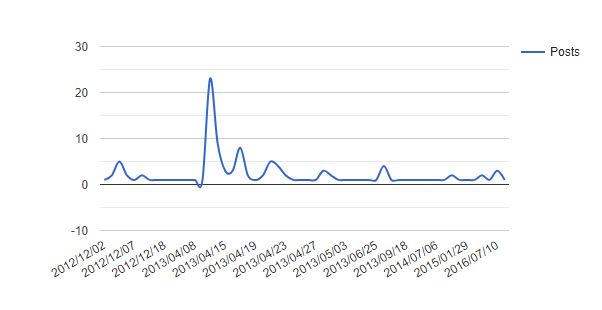
Exhibit 1: Number of Posts over Time

fuel subsidy removal
Source: YouTube’s Video of Fueling Poverty, 2012; Infoprations Analysis, 2024

Credibility and Dilemmas

To enhance the documentary’s credibility, Bako strategically introduces diverse voices, including a human rights activist, alongside Nobel laureates and ordinary citizens. However, this approach raises a dilemma for viewers – the tension between perceptual realism and representational realism. The diverse ideologies of the participants may shape their perspectives, prompting viewers to critically evaluate the presented events.

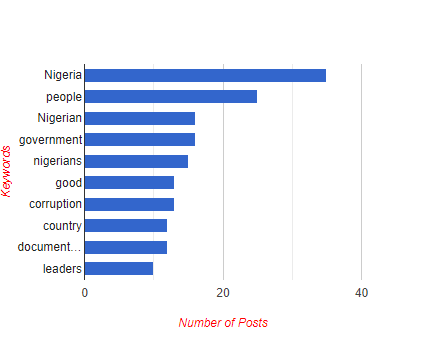
Exhibit 2: Top 10 Most Frequently Used Words

fuel scam
Source: YouTube’s Video of Fueling Poverty, 2012; Infoprations Analysis, 2024

Dominant Sentiments and Public Response

According to our analysis, the documentary recoded 90,570 views as of December 2012. Meanwhile, since fuel subsidy is a continuous policy until 2023, when the government of President Bola Ahmed Tinubu announced its removal, Nigerians do not stop commenting on the documentary. Our analyst notes that with 121 comments and a prevalent negative sentiment, Fueling Poverty has clearly struck a chord with its audience.

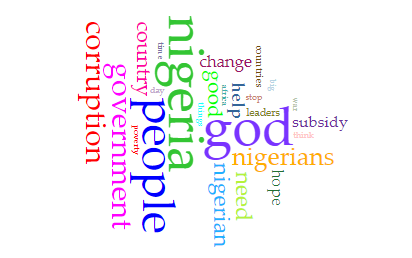
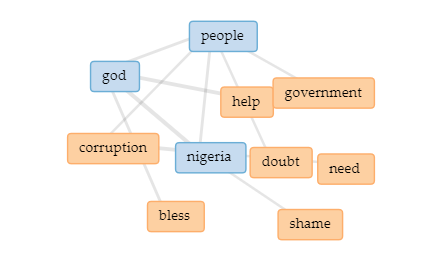
The most frequent words in the discourse—Nigeria, God, people, corruption, and government—mirror the gravity of the issues discussed. One of the commenters notes that “if the people are still stupid enough to allow the same government to continue after this election (referring to the 2015 general elections), then they are to blame for whatever happens to them.”

Our analyst further states that the documentary has succeeded in fostering collective awareness, urging viewers to confront the harsh realities of their nation. Fueling Poverty stands as a poignant chronicle of Nigeria’s Occupy Movement in 2012, unraveling the layers of corruption embedded in the government’s policies. Through its masterful blend of storytelling techniques, the documentary ignites passion and activism, urging citizens to reflect on their shared struggle. As the film continues to resonate with audiences, it serves as a catalyst for change, inspiring a collective call for transparency, accountability, and a better future for Nigeria.

Exhibit 3: Corpus of Most Frequently Used Words

fuel subsidy removal
Source: YouTube’s Video of Fueling Poverty, 2012; Infoprations Analysis, 2024

Exhibit 4: Connectivity of Dominant Words

economic hardship
Source: YouTube’s Video of Fueling Poverty, 2012; Infoprations Analysis, 2024

Analyst predicts Pushd (PUSHD) to be the best investment in 2024 over the likes of Toncoin (TON) and Internet Computer (ICP)

0

With the 2024 bull market confirmed, it’s time for savvy investors to unearth cryptos offering the biggest returns. Toncoin (TON) and Internet Computer (ICP) are two cryptos that have great potential. Additionally, analysts and VCs are generating plenty of excitement around the new crypto Pushd (PUSHD), a marketplace token that is currently in phase 1 of its presale. Pushd’s goal is to take on eBay and Amazon as the world’s most affordable marketplace to decentralized platforms.

This article will take a look at all three, Toncoin (TON), Internet Computer (ICP), and Pushd (PUSHD), and see which could be the best investment for 2024.

What is Toncoin (TON)?

Toncoin (TON) is a decentralized layer-1 blockchain, originally developed by Telegram but later fostered by a dedicated, independent community known as the TON Foundation. Toncoin (TON) operates on a proof-of-stake (PoS) consensus model, enhancing network scalability and reliability.

Despite these technological advancements and a strong community backing, Toncoin (TON) has experienced a flat year price-wise, but that could prove to be a good foundation for the bull run.

What is Internet Computer (ICP)?

The Internet Computer (ICP) platform is aiming to redefine blockchain architecture through advanced cryptography. Dubbed the first “World Computer,” Internet Computer (ICP) is designed to host a wide range of online systems and services, including complex web and social media platforms, without using cloud computing resources.

Despite its ambitious goals, Internet Computer (ICP) experienced a dramatic drop in value shortly after its launch. That said, the team behind Internet Computer (ICP) couldn’t have timed the launch much worse, and 2023 ended up being a very successful year; the price of ICP rose over 300% in value.

What is Pushd (PUSHD)?

Pushd (PUSHD) is a new crypto offering designed to disrupt e-commerce and bring it to Web3. Think of it as an Amazon and eBay but with a blockchain twist. This platform will enable users to seamlessly list, buy, and sell goods without the need for traditional KYC verification, offering unparalleled privacy and speed.

What sets Pushd (PUSHD) apart is that users will be able to spend or accept a variety of cryptocurrencies. Pushd has started its presale, in a significant nod to its security and trustworthiness, Pushd (PUSHD) has successfully passed its audit.

Once launched, the platform’s liquidity will be locked for life, a move that will instill confidence and guarantee safety for investors, thus mitigating the risk of rug pulls, something that has blighted the crypto space.

For those looking to capitalize on early investment opportunities, Pushd (PUSHD) presents a compelling case. Investing early in crypto projects typically offers the biggest gains, and with the token priced attractively at $0.035, it’s an accessible entry point for many.

Toncoin (TON), Internet Computer (ICP), and Pushd (PUSHD)

Toncoin (TON) and Internet Computer (ICP) offer great potential. They both launched in 2021 and could be set for big returns in 2024. However, as with all bull cycles, it’s the newest cryptos that will offer the biggest ROI, and Pushd (PUSHD) has timed its launch perfectly for investors to take advantage of cheap prices while it’s still in phase 1 of its presale.

For more information about the Pushd (PUSHD) Presale, visit their website

A Cinematic Analysis of Nigeria’s Fuel Subsidy Scam

0

Nigeria spends almost twice as much on fuel subsidies (around USD 3.9 billion) as it does on health care. These incentives come with a high price, though, including less equitable resource distribution, pollution, traffic, and climate change. According to a recent survey, people who pay more or have less access to fuel are more in favor of subsidy reform. Reform is fiercely opposed by people who think the government is corrupt or incapable of carrying out compensation plans. Acceptance of change is further enhanced by reasonable national and local services as well as religious beliefs. According to the study, creating a social contract is essential for reform to be successful.

In the thought-provoking documentary, Fueling Poverty, filmmaker Ishaya Bako delves into the intricate web of corruption and greed within Nigeria’s government, specifically focusing on the Fuel Subsidy Scam of 2011. Supported by funding from the Open Society Initiative for West Africa, the documentary, produced in 2012, employs a multilingual approach to underscore the urgency of making its narrative widely accessible.

Exploring Corruption and Scandal

The documentary scrutinizes the introduction of a fuel subsidy ostensibly aimed at maintaining low fuel prices but raises poignant questions about the financial aspects of this subsidy and the longstanding scandal dating back to 1986. Bako utilizes diverse approaches, including expository, observational, reflexive, and participatory techniques, to unravel, persuade, and analyze the intricacies of the subsidy and its consequences.

Cinematic Techniques

Bako employs a carefully crafted visual narrative, opening with a sonorous musical score and sweeping aerial shots of Lagos, setting the stage for a detailed exploration. Cinematographic techniques such as extreme long shots and medium-close shots accentuate the gravity of the themes. The intermittent use of these shots, combined with diegetic sound, establishes a compelling compositional structure, aligning with established documentary filmmaking principles.

Human Perspective and Expert Voices

The documentary strategically integrates perspectives from different strata of society. Nobel laureate Professor Wole Soyinka becomes a powerful voice, presented with various shot types to evoke empathy and authenticity. The inclusion of clips from newspapers and the introduction of a human rights activist enhances the documentary’s credibility, although the challenge of perceptual realism versus representational realism remains a nuanced aspect.

Economic Realities and Dilemmas

Participants share their experiences of economic hardships, reinforcing the narrative with medium-close and big close-up shots. The curator navigates the complexities of presenting diverse voices, acknowledging potential biases and the challenge of distinguishing facts from ideological narratives. The incorporation of a budget estimate and the curator’s personal voice adds depth to the analysis, revealing the economic consequences of the subsidy.

Visualizing Realities

Bako employs animated scenes and varied shots of Nigeria’s landscapes to emphasize the tangible suffering caused by the subsidy. The juxtaposition of natural scenes and a debate platform featuring government officials aims to bridge potential biases, providing a multifaceted perspective on economic challenges. The cinematic point of view serves as a powerful tool in authentically presenting the harsh realities faced by citizens.

In this expository-participatory genre, Fueling Poverty transcends its role as a mere documentary, emerging as a poignant critique of political leaders’ failure to alleviate economic hardships since 1986. Bako’s adept use of cinematic techniques and diverse voices contributes to a compelling narrative that not only exposes corruption but also ignites a crucial conversation about the impact of the fuel subsidy scam on Nigeria’s socio-economic landscape.