DD
MM
YYYY

PAGES

DD
MM
YYYY

spot_img

PAGES

Home Blog Page 3873

Ukraine uncovers corruption in weapon procurement as Monaco royals face offshore assets allegations

0

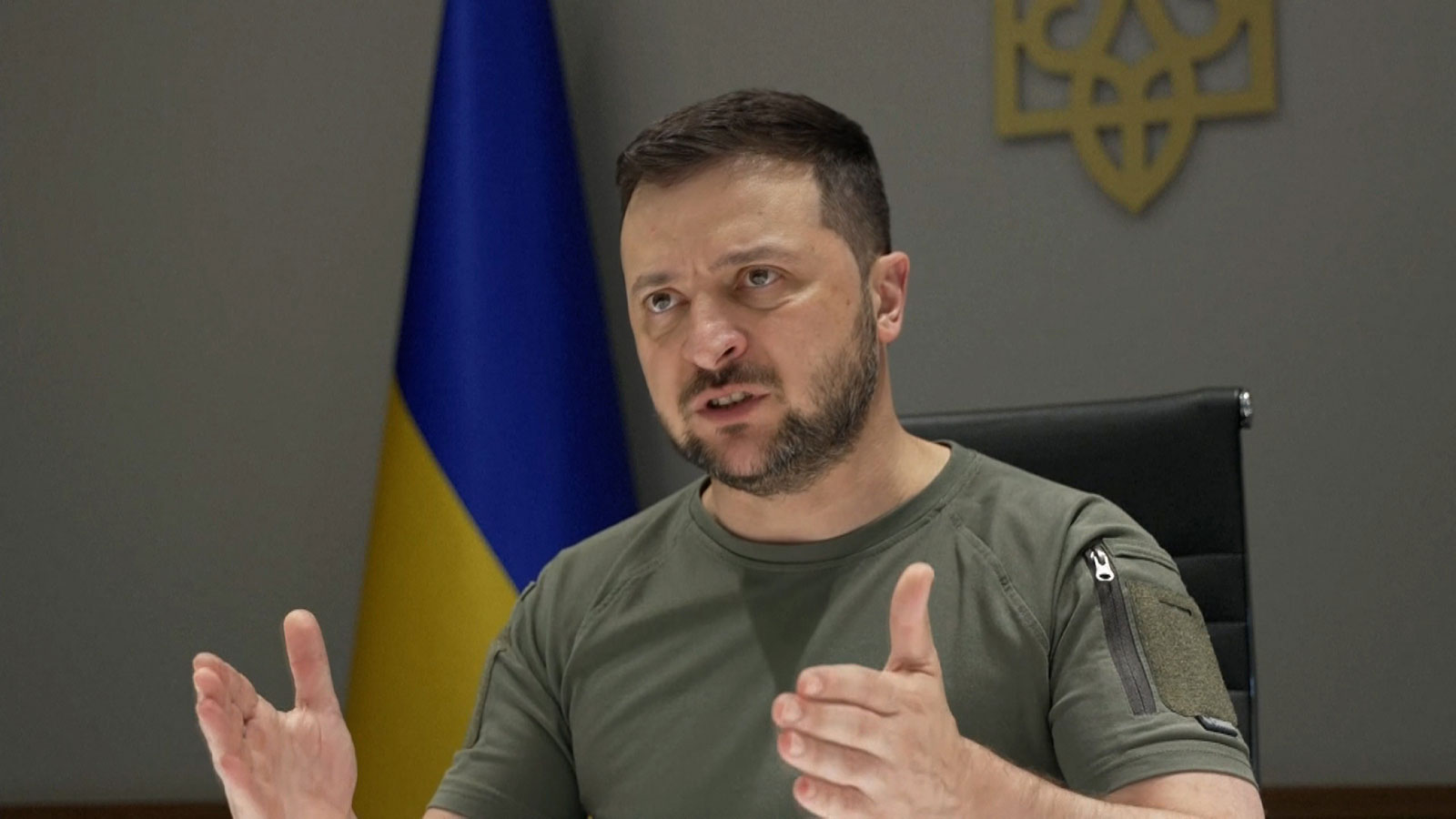
The Ukrainian government has announced that it has uncovered a massive corruption scheme involving the procurement of weapons and military equipment worth more than USD 40 million. The scheme allegedly involved officials from the Ministry of Defense, the State Security Service, and several private companies.

According to a statement released by the Prosecutor General’s Office, the suspects are accused of inflating the prices of contracts, falsifying documents, and embezzling funds. The investigation was launched in 2023 after an audit revealed irregularities in the spending of the defense budget.

The Prosecutor General’s Office said that it has seized assets and bank accounts belonging to the suspects, and that it will seek their arrest and prosecution. The office also said that it will cooperate with international partners to recover the stolen money and ensure transparency and accountability in the defense sector.

The corruption scandal is a major blow to Ukraine’s efforts to modernize its armed forces and enhance its security amid the ongoing conflict with Russia-backed separatists in the eastern regions. Ukraine has received significant military assistance from the United States and other NATO allies but has also faced criticism for its lack of reforms and anti-corruption measures.

The Ukrainian President, Volodymyr Zelensky, has vowed to fight corruption and improve governance since he took office in 2019. However, he has faced resistance from some political factions and vested interests, as well as challenges from the COVID-19 pandemic and the economic crisis. Zelensky has also been under pressure from his Western supporters to implement the Minsk agreements, which aim to end the war in Donbas and restore Ukraine’s territorial integrity.

Monaco royals rocked by new claims over offshore assets

The royal family of Monaco is facing fresh allegations of hiding their wealth in offshore accounts, according to a new investigation by a consortium of journalists. The investigation, based on leaked documents from a law firm that specializes in offshore services, claims that the Grimaldi family has used a network of shell companies and trusts to avoid taxes and conceal their assets from public scrutiny.

The documents reveal that the family has interests in luxury properties, yachts, art, and jewelry, among other things, that are not declared in their official financial statements. The investigation also alleges that some of the family members have used their diplomatic status to facilitate their offshore dealings and evade legal action.

The revelations have sparked outrage and criticism from both inside and outside Monaco, a tiny principality on the French Riviera that is known for its glamour and wealth. Some of the critics have called for more transparency and accountability from the royal family, while others have questioned the legitimacy and morality of their rule. The royal family has not yet responded to the allegations, but sources close to them have dismissed them as baseless and motivated by envy and malice.

They have also accused the journalists of violating their privacy and sovereignty. The investigation is the latest in a series of scandals that have tarnished the image of the Monaco royals in recent years. In 2014, Prince Albert II, the current ruler, admitted to having two illegitimate children from previous relationships, after years of denying paternity claims.

In 2017, his wife, Princess Charlene, was rumored to be unhappy and isolated in Monaco, amid reports of marital problems and infidelity. And in 2019, his sister, Princess Stephanie, was embroiled in a bitter feud with her former bodyguard, who claimed to be the father of her youngest daughter. The new allegations could further damage the reputation and credibility of the royal family, which has ruled Monaco since 1297.

The family has been instrumental in transforming Monaco from a poor fishing village into a glamorous tourist destination and a tax haven for the rich and famous. However, some observers have argued that the family’s power and privilege are outdated and incompatible with modern democracy and human rights.
Nigeria Initiates Overhaul in Oil Sector, Central Bank to Take Over Crude Sales from NNPCL

8

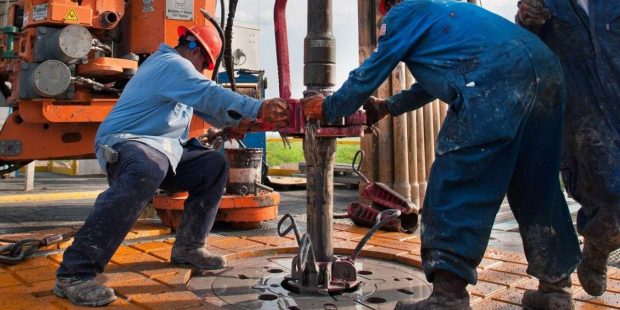
Amid growing concerns about declining oil revenue and transparency issues within the Nigerian National Petroleum Company Limited (NNPCL), President Bola Tinubu has initiated a series of sweeping reforms to enhance accountability in the oil sector.

The recent directive involves a fundamental shift in responsibility for crude oil sales, transferring oversight from the NNPC to the Central Bank of Nigeria (CBN).

Previously, the NNPC held exclusive control over crude oil sales, and critics argued that this arrangement lacked transparency, enabling the underreporting of earnings. Tinubu’s directive mandates the NNPC to submit all receipts for crude oil sales to the CBN for thorough vetting and documentation, aiming to eliminate potential gaps in reporting and ensuring accurate records of oil revenue.

Mr. Olayemi Cardoso, the Governor of the CBN, noted during a keynote address at the launch of the Nigerian Economic Summit Group (NESG) “2024 Macroeconomic Outlook Report,” that the directive is part of collaborative efforts between the CBN, the Ministry of Finance.

“This coordinated effort will greatly enhance the Bank’s foreign exchange flows and contribute to the accretion of reserves,” he said.

The expected stability in the foreign exchange market for 2024 is attributed to the reduction in petroleum product imports and the recent implementation of a market-determined exchange rate policy by the CBN. The reform aims to streamline and unify multiple exchange rates, fostering transparency and reducing arbitrage opportunities.

Cardoso believes that a consistent and stable exchange rate will boost investor confidence, attracting foreign investment and elevating Nigeria’s appeal to global investors.

“This reform is designed to streamline and unify multiple exchange rates, fostering transparency and reducing opportunities for arbitrage,” he said.

“The resulting consistent and stable exchange rate will not only boost investor confidence but also attract foreign investment, elevating Nigeria’s appeal to global investors.”

The governor said that the CBN is implementing a comprehensive strategy to improve liquidity in the foreign exchange markets, addressing fundamental issues that have hindered effective operations over the years.

“We are implementing a comprehensive strategy to improve liquidity in our FX markets in the short, medium, and long term. Our focus is on addressing fundamental issues that have hindered the effective operation of our markets over the years.

“Upholding the integrity of financial markets is crucial for building confidence. With the completion of an independent forensic review, we are addressing the backlog of valid FX transactions and we remain steadfast in our commitment to decisively address any infractions and abuses,” he added.

This move to enhance transparency in the oil sector has received positive reactions from experts. Kelvin Emmanuel, an energy expert and a financial analyst, stated, “I think it is a good thing that the President has removed revenue collection of crude oil sales from NNPCL, even though the revenues are actually credited to the offshore account bank of the CBN.”

Despite the positive reception, he suggested that the federal government needs to take further steps. This includes urging the NNPC to transfer its shareholding in government-owned enterprises like WAGPCO & NLNG back to the Ministry of Finance.

Emmanuel also called for a complete business process re-engineering for the NNPC and a reassessment of the importance of its retail portfolio.

“I still struggle to see the importance of their retail portfolio (NNPCL retail is a labor of love),” he added.

In parallel with these efforts, the Nigerian government has already taken substantial steps towards reforming the oil sector. The implementation of the Petroleum Industry Act (PIA), signed into law by former President Muhammadu Buhari, is believed to be a landmark move aimed at restructuring the oil and gas industry in Nigeria. The PIA aims to promote transparency, attract investments, and ensure the sustainable development of the sector.

The PIA provides a legal framework for the NNPC’s transformation into a commercially viable and transparent entity. The Act seeks to eliminate inefficiencies and mismanagement within the oil sector, fostering a more competitive and accountable industry.

The Nikkei 225 Index: Market Trends

0

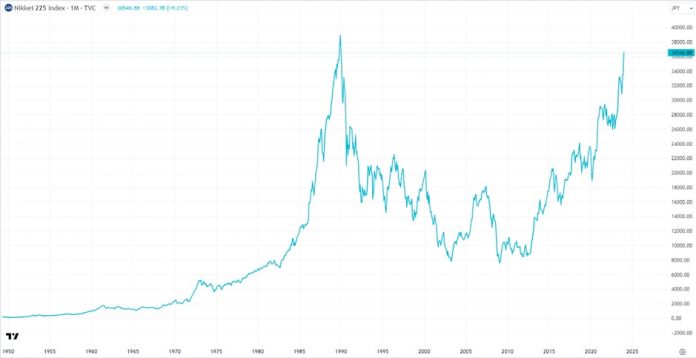
The Nikkei 225 index serves as a crucial indicator for the Japanese economy, influencing securities trading and determining market trends. Introduced in 1950, it has become a renowned and essential gauge of Japan’s economic health. Computed as the average of the share prices of the 225 most actively traded companies on the first section of the Tokyo Stock Exchange, it provides guidance for investors and analysts across various industries like manufacturing, finance, and real estate.

The maximum value of the Nikkei 225 index was reached in 1989, and judging by the latest trend, an all-time high update may happen soon. One positive factor is the expectation that the Bank of Japan will abandon its negative interest rate policy this year. In addition, the index surged due to the growth of shares in the semiconductor industry. Stocks are rising amid growing demand for chips for artificial intelligence development. In particular, not long ago, Taiwan Semiconductor Manufacturing (NYSE:TSM) raised its profit forecast for the upcoming earnings due to heightened chip demand.

Another growth catalyst could be the Japanese automotive industry, which ranks third in the world in terms of scale and leads in production volume and product quality. Japanese companies have made significant strides in innovation, hybrid and electric vehicle technologies, and fuel cells in recent years. Japanese companies like Toyota, Honda, and Nissan continue to produce hybrid vehicles, and there’s active work on hydrogen fuel cells, exemplified by Toyota Mirai and Honda Clarity.

Moreover, Japanese companies actively invest in innovations in other industries, such as consumer electronics, home appliances, telecommunications, and more. For example, Sony (TSE:6758), a leader in audio and video technologies, and Fujitsu (TSE:6702), one of the largest manufacturers of IT equipment.

In general, the recent success of Japanese companies is associated with innovation, environmental sustainability, and expanding product ranges. Japanese industry remains at the forefront of technology and manufacturing development, ensuring high-quality and reliable products that stimulate index growth.

Investors and analysts widely use the Nikkei 225 index to assess the state of the Japanese economy, identify trends, and forecast the development of various industries. Companies like Toyota Motor Corporation (TSE:7203), SoftBank Group Corporation (TSE:9984), Mitsubishi UFJ Financial Group, Inc. (TSE:8306), and Honda Motor Company, Ltd (TSE:7267) are prominent constituents of the index.

Based on this, investors use the Nikkei 225 to predict future earnings and make informed investment decisions. Given the current values, companies’ profits used to calculate the index have significantly increased, helping offset risks of loss-making securities in portfolios.

The Nikkei 225 stands as an essential tool for analyzing and forecasting the state of the Japanese economy and stock market. Its use in securities trading aids investors in making informed decisions and planning for future returns.

Louis Vuitton CEO, Bernard Arnault, Dethrones Elon Musk as The World’s Richest Man

0

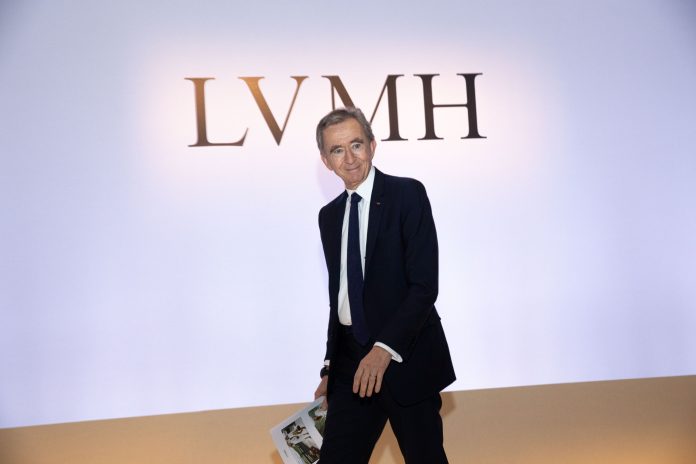
French Businessman and CEO of LVMH, the world’s largest luxury goods company, Bernard Arnault, has dethroned Tesla CEO Elon Musk as the world’s richest man.

The CEO of LVMH’s net worth surged to $207.8 billion after an increase of $23.6 billion on Friday, exceeding Musk’s $204.5 billion mark, according to Forbes real-time billionaires list.

Check out the top 10 richest people in the world according to Forbes;

1.) Bernard Arnault & Family ($207.6 billion)

2.) Elon Musk ($204.7 billion)

3.) Jeff Bezos ($181.3 billion)

4.) Larry Ellison ($142.2 billion)

5.) Mark Zuckerberg (139.1 billion)

6.) Warren Buffett ($127.2 billion)

7.) Larry Page ($127.1 billion)

8.) Bill Gates ($122.9 billion)

9.) Sergey Brin ($121.7 billion)

10.) Steve Ballmer (118.8 billion)

Bernard Arnault wealth increased this year, after his company LVMH reported a 10% increase in fourth-quarter sales, driven by robust demand, especially from Chinese consumers, for its high-end fashion brands such as Louis Vuitton, Dior, and Tiffany. The luxury group’s sales for the final quarter amounted to nearly 24 billion euros ($26 billion).

The fashion and leather goods division of LVMH, encompassing major labels like Vuitton and Dior, witnessed a 9% sales growth during the quarter, just below the anticipated 10% growth. LVMH also reported sales growth in perfumes, cosmetics, watches, and jewelry, with only the wines and spirits unit experiencing a 4% decline for the full year.

On the other hand, a major cause of Musk’s drop in net worth is coming after Tesla shares on Thursday dropped by over 13 percent after Musk cautioned that the sales growth would go down despite slashing the prices that have already caused a dent in the margins of the world’s most valuable automaker.

Musk had on Wednesday disclosed that growth would be notably lower as Tesla shifts its focus on making cheaper next-generation electric vehicles at its Texas factory in the second half of 2025. He further said that speeding up the production of the new model would pose challenges as it would involve the latest technologies.

Speaking on Tesla revenue TD Cowen analysts said, that Tesla headlines have essentially gone from bad to worse, noting that the fourth-quarter revenue and profit were also below expectations.

It is however interesting to note that both Bernard Arnault and Musk have continued to engage in wealth tug-of-war since 2022, with the LVMH boss recently displacing the Tesla CEO to secure the top spot on the richest men list.

Also, Reliance Industries Limited (RIL) chairman Mukesh Ambani, the richest individual outside of the top 10, is also the wealthiest Asian, with his net worth coming at $104.4 billion. Adani Group chairman Gautam Adani, ranked 16, is the second-richest Asian, with a $75.7 billion fortune.

LVMH Chairman, Bernard Arnault, is now the world’s richest person

0

The chairman and CEO of LVMH, Bernard Arnault, has reclaimed the title of the world’s richest person, according to the latest Forbes Billionaires List. Arnault’s net worth reached $198.9 billion on January 28, 2024, surpassing Amazon founder Jeff Bezos, who had $196.2 billion, and Tesla and SpaceX CEO Elon Musk, who had $185.6 billion.

Arnault’s wealth has increased by $25.1 billion since the start of the year, thanks to the strong performance of LVMH, the world’s largest luxury goods conglomerate. LVMH owns brands such as Louis Vuitton, Dior, Fendi, Moët & Chandon, and Sephora. The company reported a 12% increase in revenue in 2023, reaching a record high of $62.5 billion, despite the challenges posed by the Covid-19 pandemic.

Arnault, who has been leading LVMH since 1989, is known for his strategic vision and acquisitive appetite. He has expanded LVMH’s portfolio by acquiring iconic brands such as Tiffany & Co., Bulgari, and Christian Lacroix. He has also invested in emerging sectors such as digital media, biotechnology, and hospitality. He is a patron of the arts and culture, and has supported various museums, exhibitions, and foundations in France and abroad.

Arnault is not only the richest person in the world, but also one of the most influential. He has been awarded numerous honors and distinctions, such as the Grand Cross of the Legion of Honor, the highest French order of merit, and the Order of Merit for Distinguished Services, the highest civilian honor in Germany. He has also been named as one of the Time 100 most influential people in the world several times.

Arnault’s success story is an inspiration for many entrepreneurs and business leaders who aspire to create value and excellence in their fields. He is a testament to the power of innovation, creativity, and passion in driving growth and transformation.

How did Bernard Arnault become the world’s richest person in 2024?

With a net worth of $220 billion, according to Forbes. How did he achieve this remarkable feat? Here are some of the factors that contributed to his success.

Diversification of LVMH’s portfolio. LVMH owns more than 70 brands across various sectors, such as fashion, jewelry, cosmetics, perfumes, wines, spirits, watches, and retail. This gives the company a competitive edge and resilience in different markets and consumer preferences. Some of the most iconic brands under LVMH include Louis Vuitton, Dior, Fendi, Givenchy, Bulgari, Sephora, Moët & Chandon, and Hennessy.

Expansion into emerging markets. LVMH has been investing heavily in Asia, especially China and India, where the demand for luxury goods is growing rapidly. The company has also been tapping into new segments, such as online retail, digital media, and sustainability.

For example, LVMH acquired a 24% stake in Farfetch, an online platform for luxury fashion, in 2019. LVMH also launched its own online store, 24S, in 2018. In addition, LVMH has been supporting environmental and social initiatives, such as the LVMH Prize for Young Fashion Designers and the LVMH Carbon Fund.

Innovation and creativity. LVMH has been fostering a culture of innovation and creativity within its brands and teams. The company encourages its designers and managers to experiment with new ideas, products, and collaborations. For instance, LVMH partnered with Rihanna to create Fenty, a new luxury fashion house that celebrates diversity and inclusivity. LVMH also launched LVMH Innovation Award, a competition that recognizes the most innovative startups in the luxury sector.

Leadership and vision. Bernard Arnault is widely regarded as one of the most visionary and influential leaders in the business world. He has been leading LVMH since 1989, when he orchestrated a merger between Louis Vuitton and Moët Hennessy. He has since transformed the company into a global powerhouse of luxury.

He is known for his strategic acumen, his ability to spot trends and opportunities, and his passion for excellence and quality. He is also a patron of the arts and culture, having established the Fondation Louis Vuitton, a museum dedicated to contemporary art in Paris.

These are some of the reasons why Bernard Arnault became the world’s richest person in 2024. He is an example of how hard work, ambition, and innovation can lead to extraordinary achievements.