DD
MM
YYYY

PAGES

DD
MM
YYYY

spot_img

PAGES

Home Blog Page 3884

BlackRock now holds 16,361 BTC worth amid Cathie Wood investing $15.9M on its own ETF

0

BlackRock, the world’s largest asset manager, has revealed that it holds 16,361 bitcoins worth over $707 million as of December 31, 2023. The company disclosed this information in its latest filing with the Securities and Exchange Commission (SEC) for its spot Bitcoin exchange-traded fund (ETF).

The spot Bitcoin ETF, which trades under the ticker BTCX on the Toronto Stock Exchange (TSX), was launched by BlackRock in partnership with Purpose Investments in October 2023. It is the first ETF in North America that directly invests in physical bitcoins rather than futures contracts or other derivatives.

According to the filing, BlackRock owns 16,361.01 bitcoins with a fair value of $707,092,000 as of December 31, 2023. This represents about 98.6% of the total net assets of the ETF, which amounted to $716,883,000 at the end of last year. The remaining 1.4% of the net assets consisted of cash and other receivables.

The spot Bitcoin ETF has seen strong demand from investors since its inception. As of January 17, 2024, it had 17,361,010 units outstanding, with a net asset value per unit of $41.25. The ETF has a management fee of 1% and an expense ratio of 1.03%.

BlackRock’s involvement in the Bitcoin space is significant because it is one of the most influential and respected financial institutions in the world. It manages over $9.5 trillion in assets for clients across various sectors and regions. Its endorsement of Bitcoin as a legitimate investment vehicle could boost the adoption and acceptance of the cryptocurrency among institutional and retail investors alike.

BlackRock is not the only major asset manager that has exposure to Bitcoin through ETFs. In November 2023, Fidelity Investments launched its own spot Bitcoin ETF in Canada, which trades under the ticker FBTC on the TSX. Fidelity also filed for a Bitcoin futures ETF in the US, but it is still awaiting approval from the SEC.

The SEC has so far approved only Bitcoin futures ETFs in the US, which do not hold actual bitcoins but rather track the price movements of Bitcoin futures contracts traded on regulated exchanges. There are currently five such ETFs available in the US market: ProShares Bitcoin Strategy ETF (BITO), Valkyrie Bitcoin Strategy ETF (BTF), VanEck Bitcoin Strategy ETF (XBTF), Invesco Bitcoin Strategy ETF (BTCF), and Simplify Volatility Premium Bitcoin ETF (SPBC).

However, many investors and experts prefer spot Bitcoin ETFs over futures ETFs because they offer lower fees, lower tracking errors, and higher exposure to the underlying asset. Spot Bitcoin ETFs also avoid the risks and complexities associated with rolling over futures contracts every month.

ARK Invest, the investment management firm led by Cathie Wood, has purchased $15.9 million worth of shares in its own spot Bitcoin ETF, ARK 21Shares Bitcoin ETF (ARKB). The ETF, which launched on January 13, 2024, is the first of its kind in the US to offer exposure to the actual Bitcoin cryptocurrency, rather than futures contracts or other derivatives.

ARK Invest is known for its bullish outlook on disruptive technologies, such as artificial intelligence, biotechnology, and blockchain. The firm has been a vocal supporter of Bitcoin and has invested in several companies related to the crypto industry, such as Coinbase, Square, and Grayscale.

By buying shares in its own Bitcoin ETF, ARK Invest is signaling its confidence in the long-term potential of the digital asset and its commitment to providing investors with innovative and accessible products. The ARKB ETF tracks the performance of the 21Shares Bitcoin USD Price Index, which uses data from multiple exchanges to calculate the spot price of Bitcoin.

The ETF charges a 0.95% expense ratio and holds Bitcoin in cold storage with Coinbase Custody as the custodian. The ETF aims to offer investors a convenient and secure way to gain exposure to Bitcoin without having to deal with the technical challenges of buying and storing the cryptocurrency themselves. ARK Invest is not the only firm that has launched a spot Bitcoin ETF in the US.

VanEck, Valkyrie, and ProShares have also received approval from the Securities and Exchange Commission (SEC) to offer similar products. However, ARK Invest is the first to invest in its own ETF, demonstrating its conviction in the value proposition of Bitcoin as a store of value, a medium of exchange, and a hedge against inflation.

Elizabeth Oshoba Becomes First Nigerian Female Boxer To Win World Title

0

In a historic feat, Elizabeth Oshoba has become the first Nigerian female boxer to win a world title in the sport. Oshoba defeated the reigning champion, Maria Lopez of Mexico, by unanimous decision in a 10-round bout that took place in Lagos, Nigeria on Saturday.

Oshoba, who is 26 years old, started boxing at the age of 15 and turned professional in 2018. She has a record of 15 wins and no losses, with 10 knockouts. She is also the current African and Commonwealth champion in the featherweight division.

Oshoba said she was inspired by her father, who was also a boxer and encouraged her to pursue her passion. She said she faced many challenges and discrimination as a female boxer in Nigeria, but she never gave up on her dream.

“I am very happy and proud to make history for my country and for Africa. This is a dream come true for me. I have worked hard for this moment, and I thank God for His grace and favor. I also thank my father, my coach, my team, my fans and everyone who supported me along the way,” Oshoba said after the fight.

Oshoba’s victory has been celebrated by many Nigerians and Africans, who hailed her as a role model and a trailblazer for women in sports. She has also received congratulatory messages from prominent figures.

Oshoba said she hopes to inspire more girls and women to take up boxing and other sports, and to break the stereotypes and barriers that limit them. She said she plans to defend her title and unify the belts in her weight class.

“I want to be the best female boxer in the world, and I believe I can do it. I want to show the world that Nigerian women are strong and capable of achieving anything they set their minds to. I want to encourage more girls and women to follow their dreams and not let anyone stop them,” Oshoba said.

Nigeria’s performance at AFCON 2023 so far

The present Super Eagles are not strong in two major areas of the field – the midfield and goalkeeping,” the former Nigeria captain and 1980 Afcon winner Segun Odegbami said. “There is little that can be done about the team’s strength without the influence of a few players with exceptional skills and abilities in certain areas. There is a dearth of creative and attacking midfield players, who can hold and distribute the ball well.

While the lack of a creative midfield – and the critical service it provides – has been a consistent frustration for the team’s star striker and reigning African footballer of the year, Victor Osimhen, it was his profligacy in front of goal on Saturday that played a huge role in Nigeria’s inability to secure a needed win. “We played well [against Equatorial Guinea] but I don’t know why we did not score,” Peseiro said. “We had six, seven, eight chances during the game. Scoring has been a problem, and we have to improve on this.”

The Super Eagles, and Osimhen in particular, will have to find the tactical elixir to end their goal drought on Thursday in their must-win game against the hosts, who will be backed by a full house at Ebimpé. For Peseiro, divine intervention would not go amiss. “Sometimes God gives, sometime God takes,” he said. “Let’s hope God gives to Nigeria for the next match.” The Super Eagles of Nigeria will play the Ivorian side in their group’s game.

Oshoba is not the only Nigerian boxer who has made a name for himself or herself in the sport. Some of the most famous Nigerian boxers include Dick Tiger, Hogan Bassey, Samuel Peter, Bash Ali, Anthony Joshua, Helen Joseph and Efe Ajagba.

The future of mobility is Electric

0

The future of mobility is electric. This is not a mere slogan, but a reality that is becoming more evident every day. Electric vehicles (EVs) are not only more environmentally friendly, but also more cost-effective, reliable, and convenient than their fossil-fuel counterparts. We will explore some of the benefits and challenges of electric mobility, and how it can transform the way we travel, work, and live.

One of the main advantages of EVs is that they reduce greenhouse gas emissions and air pollution, which are major contributors to climate change and health problems. According to the International Energy Agency (IEA), EVs could avoid 1.5 gigatons of CO2 emissions per year by 2030, equivalent to the annual emissions of Japan.

EVs also improve air quality by eliminating tailpipe emissions of harmful pollutants such as nitrogen oxides, particulate matter, and volatile organic compounds. This can have significant impacts on public health, especially in urban areas where traffic congestion and smog are common.

Another benefit of EVs is that they lower the total cost of ownership for drivers and fleet operators. EVs have lower fuel and maintenance costs than conventional vehicles, as they do not require oil changes, spark plugs, or filters. The cost of electricity is also generally cheaper and more stable than gasoline or diesel, especially when using renewable sources such as solar or wind.

Moreover, EVs can benefit from various incentives and subsidies offered by governments and utilities to encourage their adoption. For example, in the US, EV buyers can claim a federal tax credit of up to $7,500, while in China, EVs are exempt from purchase taxes and license plate fees.

A third advantage of EVs is that they enhance the performance and convenience of driving. EVs have a simpler and more efficient drivetrain than internal combustion engines, which translates into faster acceleration, smoother handling, and quieter operation.

EVs also have a higher energy density than batteries, which means they can store more energy in a smaller space. This allows for greater range and flexibility in vehicle design. Furthermore, EVs can be charged at home or at work, saving time and hassle for drivers who do not have to visit gas stations or worry about running out of fuel.

However, electric mobility also faces some challenges that need to be addressed in order to achieve its full potential. One of the main barriers is the lack of adequate charging infrastructure, which limits the accessibility and convenience of EVs for drivers. According to the IEA, there were about 7.3 million chargers worldwide at the end of 2019, of which only 1 million were public.

This means that there is one public charger for every seven EVs on the road, which is far below the optimal ratio of one to three recommended by the IEA. To overcome this challenge, governments and private sector actors need to invest more in expanding and upgrading the charging network, as well as ensuring interoperability and standardization among different providers and regions.

Another challenge is the high upfront cost of EVs compared to conventional vehicles, which discourages many potential buyers from switching to electric mobility. Although EVs have lower operating costs over their lifetime, they still have a higher initial price tag due to the cost of batteries and other components. The IEA estimates that the average cost of battery electric vehicles (BEVs) was about $40,000 in 2019, while that of plug-in hybrid electric vehicles (PHEVs) was about $50,000.

This is significantly higher than the average cost of gasoline or diesel vehicles, which was about $20,000 in 2019. To reduce this gap, governments and manufacturers need to continue to support research and development on battery technology and production methods, as well as offer financial incentives and regulatory measures to lower the upfront cost of EVs.

A final challenge is the social and behavioral change that is required for electric mobility to become mainstream. Many consumers still have misconceptions or doubts about EVs, such as their safety, reliability, range anxiety, or environmental impact. These factors affect their willingness to adopt EVs or even consider them as an option.

To address this challenge, governments and industry players need to increase awareness and education on the benefits and features of EVs among consumers and stakeholders. They also need to foster a positive image and reputation for EVs through marketing campaigns and testimonials from satisfied users.

Electric mobility is the future of transportation. It offers multiple benefits for the environment, the economy, and society at large. However, it also faces some challenges that need to be overcome through concerted efforts from governments,

Tokenization of Financial Assets

0

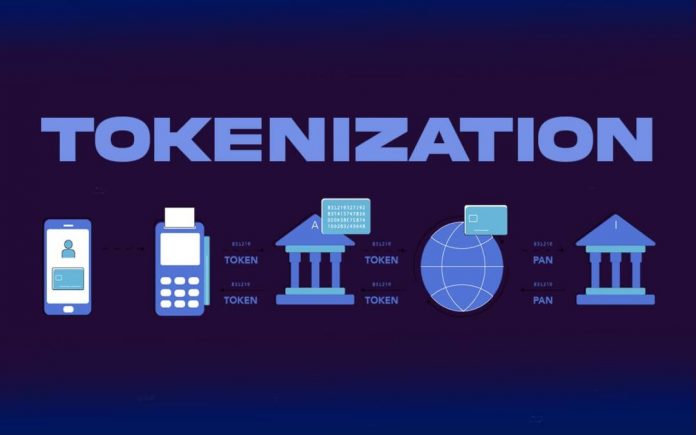
What is tokenization and why is it important for the future of finance? Tokenization is the process of converting real-world assets, such as stocks, bonds, real estate, art, or commodities, into digital tokens that can be stored, transferred, and traded on a blockchain.

Tokenization has the potential to democratize access to capital markets, reduce transaction costs and intermediaries, enhance liquidity and transparency, and create new business models and opportunities.

Tokenization is the process of converting real-world assets, such as stocks, bonds, real estate, art, or commodities, into digital tokens that can be stored, transferred, and traded on a blockchain. Tokenization has the potential to revolutionize the financial industry by creating new markets, increasing liquidity, reducing costs, and enhancing transparency.

Tokenization can be seen as a form of fractional ownership, where each token represents a share of the underlying asset. For example, a tokenized property can be divided into 100 tokens, each representing 1% of the ownership. This allows investors to buy and sell tokens without having to deal with the complexities and inefficiencies of traditional asset management.

Tokenization also enables the creation of new types of assets that were previously impossible or impractical to trade. For example, tokenization can allow artists to sell shares of their future royalties, or entrepreneurs to raise funds by selling tokens that represent a stake in their projects. Tokenization can also enable the creation of synthetic assets, which are combinations of different tokens that mimic the behavior of other assets.

Tokenization is enabled by smart contracts, which are self-executing agreements that run on a blockchain. Smart contracts can define the rules and logic of token creation, distribution, and exchange. Smart contracts can also automate processes such as compliance, verification, and settlement, reducing the need for intermediaries and increasing trust and efficiency.

Tokenization is not without challenges, however. Tokenization requires a robust legal and regulatory framework that can address issues such as ownership rights, taxation, governance, and dispute resolution. Tokenization also requires interoperability between different blockchains and platforms that can support the exchange of tokens. Tokenization also poses technical and security risks, such as hacking, fraud, or human error.

Tokenization is still in its early stages of development, but it has already attracted significant interest and investment from various sectors and regions. Tokenization has the potential to transform the financial industry by creating new opportunities for innovation, inclusion, and growth.

Benefits of tokenization

Tokenization offers several advantages over traditional methods of asset ownership and exchange. Some of the main benefits are: Fractional ownership: Tokenization allows for the division of large and expensive assets into smaller and more affordable units, enabling more people to participate in the ownership and benefit from the returns.

For example, a tokenized real estate property can be split into 1000 tokens, each representing 0.1% of the property value, and sold to different investors who can then trade their tokens on a secondary market.

Liquidity: Tokenization increases the liquidity of illiquid assets by making them more accessible and tradable on a global scale. Liquidity refers to the ease and speed with which an asset can be converted into cash without affecting its price.

Illiquid assets, such as art or collectibles, typically have high transaction costs, long settlement times, and limited buyers and sellers. By tokenizing these assets, they can be exchanged more efficiently and at lower costs on a blockchain-based platform that connects buyers and sellers across borders and time zones.

Transparency: Tokenization enhances the transparency and security of asset transactions by leveraging the features of blockchain technology. Blockchain is a distributed ledger that records and verifies every transaction in a tamper-proof and immutable way.

Blockchain also enables smart contracts, which are self-executing agreements that encode the terms and conditions of a transaction and execute them automatically when certain conditions are met. By using blockchain and smart contracts, tokenization can reduce the need for intermediaries, such as brokers, custodians, or escrow agents, who often charge high fees and introduce risks and delays in the process.

Innovation: Tokenization creates new possibilities for asset creation, valuation, and exchange. Tokenization can enable the creation of new types of assets that were not possible or feasible before, such as social impact tokens, digital art tokens, or fan engagement tokens.

Tokenization can also enable new ways of valuing assets based on their utility, scarcity, or popularity, rather than their intrinsic or market value. For example, a tokenized artwork can have a dynamic price that changes according to the number of views or likes it receives on a platform. Tokenization can also enable new ways of exchanging assets, such as peer-to-peer trading, crowdfunding, or lending.

Challenges of tokenization

Despite its potential benefits, tokenization also faces several challenges and barriers that need to be overcome before it can achieve widespread adoption. Some of the main challenges are:

Regulation: Tokenization involves the creation and distribution of digital securities that are subject to complex and varying legal and regulatory frameworks across different jurisdictions. Token issuers and platforms need to comply with the rules and regulations regarding securities offering, disclosure, registration, taxation, anti-money laundering, consumer protection, and data privacy.

However, many of these rules and regulations are not designed for or adapted to the characteristics and features of tokenized assets and blockchain technology. Therefore, there is a need for more clarity, consistency, and coordination among regulators and policymakers to create a conducive environment for tokenization.

Abia State Governor, Dr Alex Otti, appoints Prof Ndubuisi Ekekwe, His Highness Muhammad Sanusi II, Dr. Ngozi Okonjo-Iweala, etc to Abia Global Economic Advisory Council (AGEAC)

27

Today, the Governor of Abia State, Dr Alex Otti, appoints Prof Ndubuisi Ekekwe, His Highness Muhammad Sanusi II (14th Emir of Kano), Dr. Ngozi Okonjo-Iweala (DG – WTO), and other eminent citizens as members of Abia Global Economic Advisory Council (AGEAC). The grand vision is to help Abia State become a preferred investment destination in Africa, and in the process transform the state, Nigeria and Africa, through entrepreneurial capitalism which will deliver the “rise of all” with shared prosperity and opportunity. 

The Council is currently being inaugurated in the main banquet in Umuahia. I am honoured for this Call to Serve by my fellow citizens.  Nigeria must move forward and Abia will play its own roles.

Press release below…

PRESS RELEASE:.

INAUGURATION OF THE ABIA STATE GLOBAL ECONOMIC ADVISORY COUNCIL.

Abia State Governor, Dr. Alex Otti, OFR, has announced the constitution of the Abia Global Economic Advisory Council (AGEAC) as part of his administration’s strategic plan to ensure the overall economic development of the state.

Consequently, Governor Otti has appointed 18 distinguished Nigerians with global acclaim to serve on the Council, aimed at building Abia into a self-sustaining economic hub.

Those appointed are:

  1. Ms. Arunma Oteh, OON – Co-Chair
  2. His Highness Khaleefa Muhammad Sanusi II, CON,  Co-Chair
  3. Mr. Bolaji Balogun – Co-Chair
  4. Mr. Victor Onyenkpa – Member
  5. Mrs. Ifueko Omoigui Okauru, MFR – Member
  6. Mr. Chidi Ajaegbu  – Member
  7. Mr. Uche Orji – Member
  8. Mrs. Ndidi Nwuneli , MFR – Member
  9. Mr. Chika Nwobi – Member
  10. Dr. Olugbenga Adesida – Member
  11. Prof. Ndubuisi Ekekwe – Member
  12. Mazi Clement Owunna, MFR – Member
  13. Dr. Uzodinma Iweala – Member
  14. Mrs. Ezinwa Okoroafor – Member
  15. Mr. George Agu – Member
  16. Mazi Uzo Nwankwo – Member
  17. Mr Chinedu Azodoh – Member
  18. Dr. Ngozi Okonjo-Iweala, GCON – Honourary Advisor
  19. Dr. Benedict Oramah, CON – Honourary Advisor

Also, five members, drawn from the State Executive Council, will represent the government on the Advisory Council. 

They include the Governor, Dr. Alex  Otti; OFR, the  Attorney-General and Honourable Commissioner for Justice, Mr Ikechukwu Uwanna; Honourable Commissioner for Budget and Planning, Mr. Kingsley Anosike; Honourable Commissioner for Finance, Mr Michael Akpara; and the Honourable Commissioner for Trade, Commerce and Industry, Dr. Chimezie Isaac Ukaegbu. 

A statement issued Tuesday by the Governor’s Office said the economy of Abia State had suffered neglect and became fragile due to untold economic sabotage, over the years. 

However, with the inception of Governor Otti’s administration on May 29, 2023, the government has since commenced the socio-economic re-engineering of the State from the wreckage of over the last two decades. 

“Our programmes are already re-positioning and rebuilding Abia State as the economic pride of Nigeria. Therefore, it is essential to ensure that its economic development strategy is founded not only on a thorough understanding of the local economic environment but also on the dynamics of the emerging forces now shaping the future of the global economy.

“The newly appointed members bring a wealth of experience and expertise in various sectors, enhancing the diversity and dynamism of the Abia State Global Economic Advisory Council. Their collective knowledge will play a pivotal role in shaping policies that drive innovation, attract investments, form solid partnerships, and ensure the overall economic resilience of our great state,” the statement declared. 

According to the statement, the Secretariat of the Council will be managed by Mr. Chinenye Mba-Uzoukwu, Principal Secretary to the Governor/Chief Strategy Officer, and Mr. Charles Egonye, Technical Assistant to the Governor, and supported by Mrs Victoria Onwubiko and Ms Amaka Okonkwo from the private sector.

The Abia State Global Economic Advisory Council serves as a key advisory body, offering strategic insights and recommendations to guide the state’s economic and investment policies. The Advisers will collaborate closely with the relevant State Commissioners to address the unique challenges and opportunities that lie ahead, ensuring that Abia State remains at the forefront of innovation and economic development within the region and globally.

SIGNED:

Kazie Uko 

Chief Press Secretary to the Governor Abia State 

Government House, Umuahia.