DD
MM
YYYY

PAGES

DD
MM
YYYY

spot_img

PAGES

Home Blog Page 3903

Why Naira Has Not Stabilized with US Dollars in Nigeria Despite the Floating Policy

0

The experts praised it, from Lagos to London to New York. But yours truly did not buy it. Yes, I was possibly the only person who challenged the core thesis of floating the Naira. As the banks, traders, etc trumpeted the consequential policy, I cautioned that Naira could struggle to attain a stable state.

Nothing big, I only used what I learnt from AO Lawal’s textbook in secondary school (I did not do Economics in SSCE, rather, I bought the book, read and took external GCE while in secondary school, since those days, it was either Further Maths or Econs; I chose Further Maths for SSCE). I wrote on June 30 2023 thus.

‘In his O’ Level textbook on economics, AO Lawal explained demand and supply and the movement of price on the demand-supply curve. If I apply what he explained in that book, floating naira with no capacity to earn USD dollars will kill Naira, because there is an asymmetric imbalance on demand and supply of USD in the Willing Buyer, Willing Seller nexus. In other words, two people may each have $100 to sell while twenty people want to buy each $100. If you do not close that number to near parity, the equilibrium point will keep shifting and I do not see how Naira will stabilize because demand outweighs supply here.’

‘I have read many theses on how Naira will stabilize to N680. Good luck. But if you visit Marina Street in Lagos, and climb one of those tall buildings (I have friends who give me access whenever in Lagos), look at the far habour, count the number of ships coming into and leaving Nigeria – and then examine their capacities. Most come loaded, most depart empty! What does it say? We spend more US Dollars than we can “create”.’

Can someone hear me now? I think we make sense on this feed and should be a required Follow for Nigerian leaders. Hahahaha. Lol

Massive Volcanic Eruption of the Marapi Volcano in West Sumatra, Indonesia

0

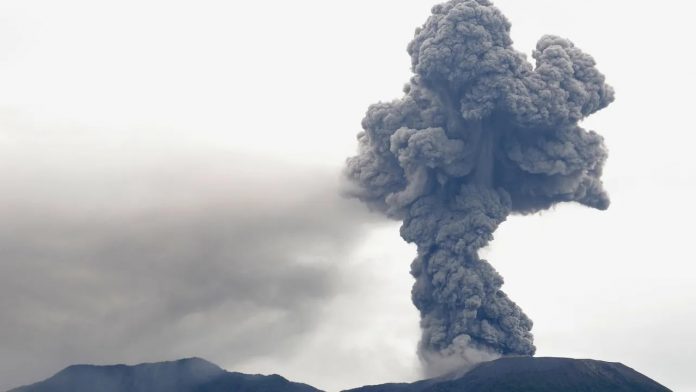
A massive volcanic eruption of the Marapi volcano in West Sumatra, Indonesia, has sent a plume of ash and gas more than 10 kilometers into the sky, forcing thousands of people to evacuate their homes and disrupting air traffic in the region. The eruption, which occurred last Friday morning, was the strongest one recorded at the volcano since 2010, when it killed two people and injured dozens more.

The Marapi volcano, which is not to be confused with the similarly named Merapi volcano in Central Java, is one of the most active volcanoes in Indonesia, a country that lies on the Pacific Ring of Fire, a belt of seismic and volcanic activity that encircles the Pacific Ocean. It has erupted more than 50 times since 1800, with the most recent eruption occurring in 2018. The volcano is part of the Barisan mountain range that runs along the western coast of Sumatra, and it has a height of 2891 meters above sea level.

The Marapi volcano is a stratovolcano, meaning that it is composed of layers of lava and ash that have accumulated over time. The volcano has a complex structure, with several craters and vents that produce different types of eruptions. Some eruptions are explosive, sending ash and gas into the air, while others are effusive, producing lava flows that can reach up to 10 kilometers from the summit.

The Marapi volcano poses a significant threat to the surrounding population, as it is located near several major cities and towns, such as Bukittinggi, Padang Panjang, and Batusangkar. The volcano also affects the local agriculture and environment, as the ash and lava can damage crops and forests, as well as pollute water sources. The Indonesian government has established a 3-kilometer exclusion zone around the volcano, and monitors its activity closely using seismographs and satellite imagery.

The Marapi volcano is also a popular destination for tourists and hikers, who can enjoy the scenic views and natural beauty of the area. However, visitors are advised to follow the safety regulations and avoid the danger zones when the volcano is active.

According to the Smithsonian Institution’s Global Volcanism Program, Marapi has erupted at least 21 times since 1800, with the deadliest one occurring in 1975, when an explosive eruption killed at least 80 people and injured hundreds more. The latest eruption comes amid heightened volcanic activity in Indonesia.

The Indonesian authorities have raised the alert level for the volcano to the second highest and warned of possible lava flows and pyroclastic surges. The National Disaster Management Agency (BNPB) said that more than 20,000 people living within a 10-kilometer radius of the volcano have been evacuated to safer areas, and that no casualties have been reported so far.

The agency also said that masks and other protective equipment have been distributed to the affected communities, as the ash and gas could pose health risks, especially for people with respiratory problems. The eruption has also affected air travel, as several flights to and from the nearby cities of Padang and Pekanbaru have been canceled or diverted due to the poor visibility and the risk of engine damage.

The Volcanic Ash Advisory Center (VAAC) in Darwin, Australia, issued a red alert for aviation, indicating that the eruption could produce a major ash cloud that could disrupt air traffic over a large area. The Marapi volcano, which is not to be confused with the similarly named Merapi volcano in Central Java, is one of the most active volcanoes in Indonesia, a country that lies on the Pacific Ring of Fire, a belt of seismic and volcanic activity that encircles the Pacific Ocean.

According to the Smithsonian Institution’s Global Volcanism Program, Marapi has erupted at least 21 times since 1800, with the deadliest one occurring in 1975, when an explosive eruption killed at least 80 people and injured hundreds more.

The latest eruption comes amid heightened volcanic activity in Indonesia, as several other volcanoes, such as Sinabung, Semeru, and Raung, have also erupted in recent weeks, causing evacuations and flight disruptions. Indonesia has more than 120 active volcanoes, making it one of the most volcanically active countries in the world.

BlackRock bought Bitcoin through the bear markets amid receiving $100k Seed on its ETF Applications

0

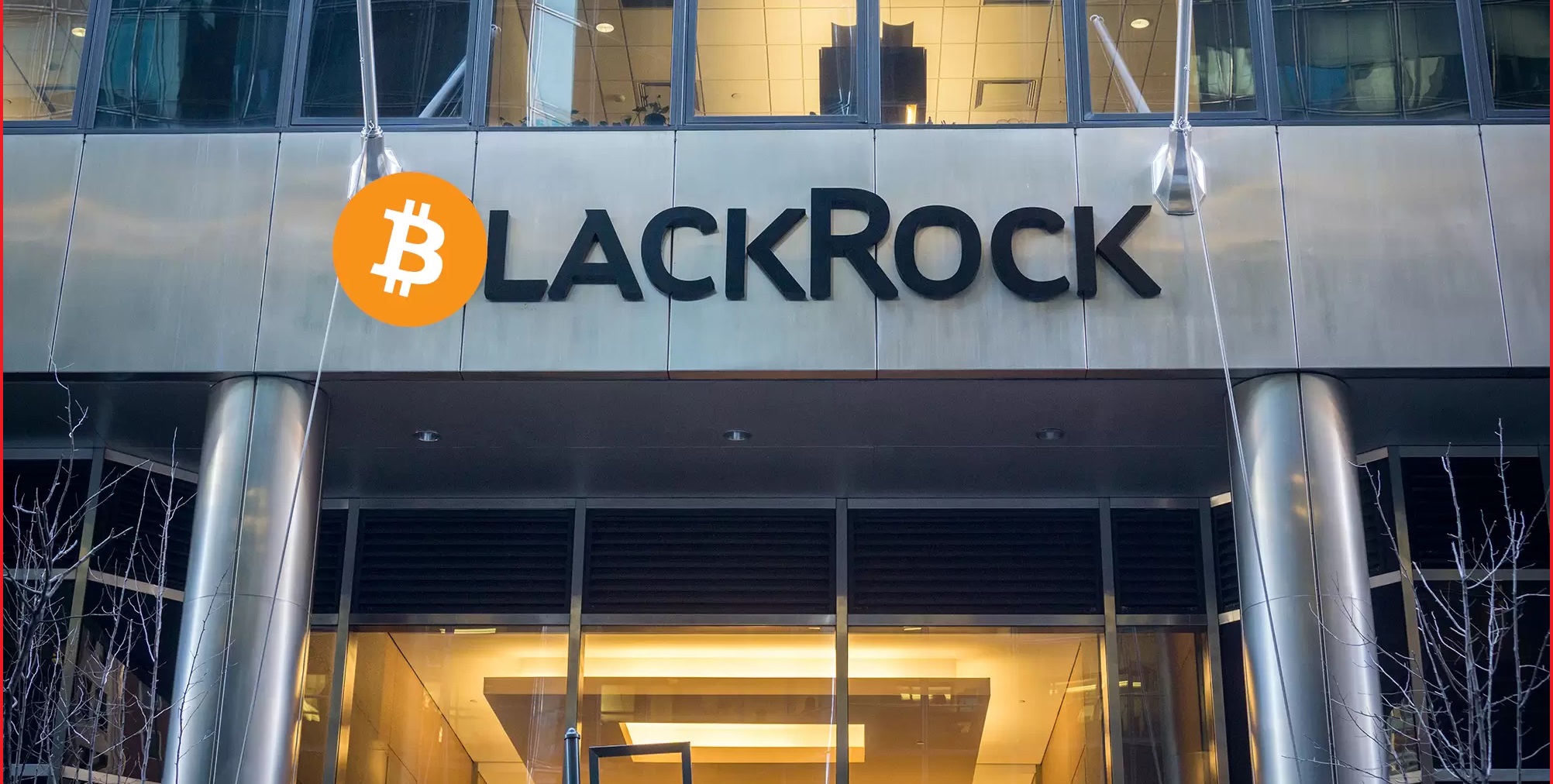
BlackRock, the world’s largest asset manager, has been accumulating Bitcoin quietly during the recent market downturn, according to a new report. The report, published by CoinDesk, claims that BlackRock has been using a private trust, launched in 2022, to buy and hold Bitcoin on behalf of its institutional clients. The trust, which is not registered with the SEC, has Coinbase as its custodian and charges a 2% annual fee.

The report cites anonymous sources familiar with the matter, who say that BlackRock has been buying Bitcoin since early 2022, when the price of the cryptocurrency dropped below $30,000. The sources also claim that BlackRock has invested hundreds of millions of dollars in Bitcoin through the trust, and that it plans to increase its exposure in the future.

BlackRock’s interest in Bitcoin is not surprising, given that the company has expressed positive views on the digital asset in the past. In January 2021, BlackRock’s chief investment officer Rick Rieder said that Bitcoin could replace gold as a store of value. In February 2021, BlackRock filed documents with the SEC indicating that it could add Bitcoin futures to some of its funds. In March 2021, BlackRock’s CEO Larry Fink said that he was fascinated by Bitcoin and that it could become a global asset.

BlackRock received $100,000 as “seed capital” for its proposed bitcoin ETF

BlackRock, the world’s largest asset manager, has taken a significant step towards launching a bitcoin exchange-traded fund (ETF) in the US. The company announced that it has received $100,000 from an unnamed investor as “seed capital” for its proposed BlackRock Bitcoin Trust, which would track the performance of the leading cryptocurrency.

A bitcoin ETF is a type of investment product that would allow investors to gain exposure to the price movements of bitcoin without having to buy or store the digital asset directly. Instead, they would buy shares of the ETF, which would hold a pool of bitcoins on behalf of the investors. The ETF would trade on a regulated stock exchange, making it easier and cheaper for investors to access the bitcoin market.

BlackRock is not the first company to pursue a bitcoin ETF in the US. Several other firms, including VanEck, Valkyrie, and NYDIG, have filed applications with the Securities and Exchange Commission (SEC) to launch their own bitcoin ETFs. However, none of them have received approval from the regulator yet, as the SEC has expressed concerns about the potential for fraud, manipulation, and volatility in the bitcoin market.

BlackRock’s announcement suggests that the company is confident that it can overcome these regulatory hurdles and become the first to launch a bitcoin ETF in the US. The company has a strong reputation and track record in the ETF industry, managing over $9 trillion in assets across various funds. It also has experience in dealing with cryptocurrencies, as it offers two mutual funds that invest in bitcoin futures contracts.

The $100,000 seed capital is a symbolic amount that shows that BlackRock has secured at least one investor for its proposed bitcoin ETF. The company will need to raise more funds from other investors before it can launch the product. According to its filing with the SEC, the minimum investment amount for the BlackRock Bitcoin Trust is $50,000.

If BlackRock succeeds in launching a bitcoin ETF in the US, it could have a significant impact on the cryptocurrency market. A bitcoin ETF would provide a convenient and regulated way for institutional and retail investors to access bitcoin, potentially increasing the demand and liquidity for the digital asset. It could also boost the credibility and legitimacy of bitcoin as an alternative asset class, attracting more mainstream adoption and acceptance.

However, BlackRock’s use of a private trust to invest in Bitcoin is a novel and secretive approach, which could give it an edge over other institutional investors. By using a private trust, BlackRock can avoid the regulatory scrutiny and disclosure requirements that come with publicly traded products such as ETFs or trusts. Moreover, by using Coinbase as its custodian, BlackRock can benefit from the security and liquidity of one of the largest and most reputable crypto platforms in the world.

BlackRock’s private trust could also signal a growing demand for Bitcoin among institutional investors, who are looking for alternative ways to gain exposure to the cryptocurrency without dealing with the technical and regulatory challenges of owning it directly. As more institutions enter the Bitcoin market, the price and adoption of the cryptocurrency could increase significantly in the long term.

City of Lugano in Switzerland now accepts Bitcoin for payment of municipal taxes

1

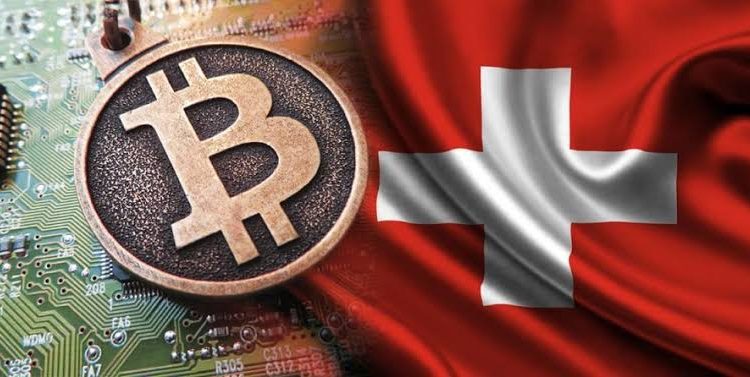
Lugano, a city in southern Switzerland, has announced that it will accept Bitcoin as a form of payment for municipal taxes and services. This is a major step forward for the adoption of cryptocurrency in the country, which is already known for its innovation and openness to new technologies.

The city council approved the proposal to allow Bitcoin payments on November 30, 2023, after a pilot project with Bitcoin Suisse, a leading crypto service provider in Switzerland. The project tested the feasibility and security of using Bitcoin as a payment option for local residents and businesses.

According to the city’s official website, Lugano will accept Bitcoin payments for up to 250 Swiss francs (about $270) per invoice. The payments will be processed by Bitcoin Suisse, which will convert the Bitcoin into Swiss francs and transfer them to the city’s bank account. The city will not incur any additional costs or risks from accepting Bitcoin.

Lugano’s mayor, Marco Borradori, said that the initiative is part of the city’s strategy to promote digital innovation and attract new businesses and talent. He also said that Lugano wants to position itself as a pioneer in the crypto space and support the development of the local blockchain ecosystem.

Lugano is not the first city in Switzerland to accept Bitcoin payments. In 2016, Zug, another Swiss city known as the “Crypto Valley”, became the first city in the world to accept Bitcoin for municipal services. Since then, several other Swiss cities and cantons have followed suit, such as Zermatt, Chiasso, and Zug.

Switzerland is widely regarded as one of the most crypto-friendly countries in the world, thanks to its favorable regulatory environment, supportive government, and strong financial sector. The country hosts many crypto companies and organizations, such as the Ethereum Foundation, Libra Association, Tezos Foundation, and Bitmain.

However, Bitcoin is not the only cryptocurrency that exists. There are thousands of other cryptocurrencies that have different features, functions, and values. Some of them are based on similar technology as Bitcoin, such as Litecoin, Bitcoin Cash, and Dogecoin. Others are based on different technology, such as Ethereum, Cardano, and Solana. How does Lugano’s decision affect these other cryptocurrencies?

One possible effect is that Lugano’s decision could increase the demand and popularity of other cryptocurrencies as well. If people see that Bitcoin can be used as a legitimate form of payment in a city like Lugano, they might be more interested in exploring other cryptocurrencies that offer different benefits or solutions. For example, some cryptocurrencies might have faster transaction speeds, lower fees, or more privacy than Bitcoin. Others might have more functionality or utility than Bitcoin, such as smart contracts or decentralized applications.

Another possible effect is that Lugano’s decision could create more competition and innovation among other cryptocurrencies. If Bitcoin becomes more widely accepted and used as a form of payment in Switzerland and other countries, other cryptocurrencies might have to improve their features or services to attract more users or investors. For example, some cryptocurrencies might have to increase their scalability, security, or interoperability with other platforms or systems. Others might have to develop more use cases or partnerships with other organizations or sectors.

In conclusion, Lugano’s decision to accept Bitcoin payments is a significant milestone for the cryptocurrency industry. It could have positive impacts on both Bitcoin and other cryptocurrencies in terms of adoption, awareness, and innovation. It could also encourage more cities and countries to follow Lugano’s example and embrace cryptocurrency as a viable form of payment in the future.

The decision by Lugano to accept Bitcoin payments is another sign of the growing acceptance and adoption of cryptocurrency in Switzerland and beyond. As more people and businesses use Bitcoin as a form of payment, it could pave the way for more innovation and opportunities in the crypto industry.

Circle launches open-source protocols to address on-chain theft of illicit funds

0

Circle, a leading global financial technology firm, has announced the launch of two open-source protocols to address the challenges of on-chain theft and the risks of illicit finance in the crypto ecosystem. The protocols, called Freeze and Blacklist, aim to provide a standardized and transparent way for crypto platforms and users to freeze and unfreeze stolen or compromised assets, as well as to identify and block transactions involving blacklisted addresses.

Freeze is a protocol that allows crypto platforms and users to freeze or unfreeze their own assets in case of theft, loss, or other emergencies. Freeze works by embedding a freeze function into the smart contract of an asset, which can be triggered by the owner of the asset or by a designated freeze agent.

The freeze function can also be revoked by the owner or the agent, restoring the normal functionality of the asset. Freeze is designed to be compatible with any ERC-20 token, as well as other smart contract platforms that support similar functionality.

Blacklist is a protocol that allows crypto platforms and users to identify and block transactions involving addresses that are associated with illicit finance, such as money laundering, terrorism financing, or sanctions evasion. Blacklist works by creating a public registry of blacklisted addresses, which can be updated by a network of trusted blacklist agents.

The registry can be queried by any crypto platform or user to check the status of an address before sending or receiving funds. Blacklist is designed to be compatible with any blockchain network that supports address-based transactions.

Circle; Barrier to Entry: Theft and Security

Annual losses due to token theft and accidents are in the billions of dollars. In 2021, $3.3 billion was stolen in crypto hacks, and that number jumped to $3.8 billion in 2022.

The immutability, or irreversibility of blockchain transactions is a fundamental characteristic that offers key benefits. However, it also presents challenges, such as rendering thefts and illicit activities permanent and irretrievable by default. This reality makes it hard for many retail users, consumers, and businesses to adopt blockchain systems.

Recoverable Wrapped Tokens

One way to protect assets from theft is to strengthen the security of asset keys and to improve the quality of Web3 code. A complementary approach, explored in depth last year by Stanford researchers including Dan Boneh, is to extend the ERC-20 interface to support asset recovery with the “ERC-20R.” In the same vein, the Circle Research team explored recoverable wrapper tokens, building upon the aforementioned Stanford research paper. Our effort aims to construct a configurable and programmable recovery mechanism to benefit both developers and users of ERC-20 tokens.

This proposed mechanism revolves around recoverable wrapper tokens. Users can wrap their ERC-20 asset by locking them in the recoverable wrapper token contract in order to receive an equal number of wrapper tokens in return. Wrapping the tokens protects users from thefts, and still maintains most of the utility found in the token’s base form.

One core difference, however, is that recoverable wrapper tokens can be recovered back to the sender within a certain time window post-transaction (say, 24 hours). Consequently, each user will have two distinct balances of the token: a settled balance (non-recoverable) and an unsettled balance (recoverable). Only settled tokens may be unwrapped back into their base form.

Building beyond the thesis put forth in the ERC20R paper, we present multiple configuration sets, or ways to implement and design a recoverable wrapper token, each with their own use cases and attributes. For instance, one version is an arbitrated wrapper appropriate for a targeted, designated ecosystem with a trusted governance.

Another version offers more of a cancellable send button, where transactions simply take a longer, custom period of time to settle than the chain’s finality. Different configuration sets can still be interoperable with each other, as long as they conform to a shared interface. We provide the IERC20R contract as this interface.

As an example, we developed the arbitrated wrapper version for protecting USDC or any token (completed audit report coming soon). This will soon be available for Circle’s recently unveiled Smart Contract Platform, so developers have a template to experiment with and provide token recoverability features to their users.

Circle believes that these protocols can enhance the security and compliance of the crypto ecosystem, while preserving the core principles of decentralization, transparency, and user sovereignty. Circle invites other crypto platforms and users to join them in adopting and contributing to these protocols, which are available as open-source projects on GitHub.