DD
MM
YYYY

PAGES

DD
MM
YYYY

spot_img

PAGES

Home Blog Page 3905

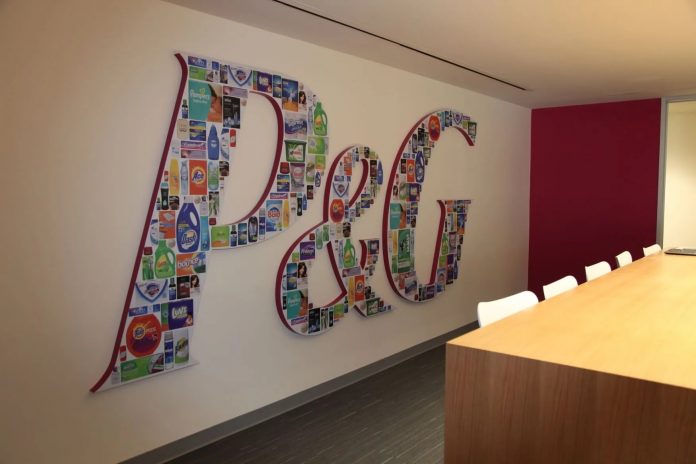
Procter & Gamble (P&G) Plans to Dissolve On-Ground Operations in Nigeria Due to Forex Challenges

0

Consumer goods giant Procter & Gamble (P&G) has announced plans to dissolve its on-ground operations in Nigeria and transition the country into an import market.

The decision, outlined by P&G’s Chief Financial Officer, Andre Schulten, during a presentation at the Morgan Stanley Global Consumer & Retail Conference, is attributed to challenges in the volatile exchange market and other business-unfriendly issues.

Schulten highlighted the difficulties of conducting business in Nigeria as a dollar-denominated organization, citing the macroeconomic realities in the country as a driving factor behind the strategic decision.

“It is difficult for us to operate because of the macroeconomic environment. So with that in mind, we are announcing a restructuring program with the intent to adjust the operating model and the portfolio.

The restructuring program will predominantly focus on Nigeria and Argentina. For Nigeria, P&G plans to transform it into an import-only market, effectively ending its physical presence in the country and reverting to an import-only model.

“We’ve announced that we will turn Nigeria into an import-only market, effectively dissolving our footprint on the ground in Nigeria and reverting to an import-only model,” he said.

Schulten explained that this decision aligns with the company’s strategy to concentrate on markets with the highest potential.

Responding to inquiries about the impact of the restructuring on the overall group’s portfolio, Schulten clarified that Nigeria constitutes a $50 million net sales business. With an overall portfolio worth $85 billion, P&G does not anticipate a significant material impact on the group’s balance sheet in terms of sales or profitability.

P&G’s decision follows in the footsteps of GlaxoSmithKline’s exit from Nigeria earlier in the year, also attributed to the country’s forex crisis. The departure of multinational companies like P&G and GSK raises concerns about the impact on local markets, particularly in the pricing and availability of certain products.

The forex challenges in Nigeria have led to a collective net foreign exchange loss estimated at N452.2 billion for nine Lagos-listed fast-moving consumer goods companies during the first half of the year. The losers include Flour Mills of Nigeria, Dangote Sugar, International Breweries, GlaxoSmithKline (GSK), Cadbury Nigeria, and FrieslandCampina. Others are Nigerian Breweries, Guinness and Nestle.

Analysts foresee a potential trend of more companies considering exits or restructuring in response to the ongoing forex crisis, posing challenges to the country’s investment climate.

The official exchange rate of the naira stands at N806.73/$1, while in the parallel market, it is at N1165/$1 as of Wednesday. The government’s efforts to address the forex crisis have so far yielded limited results, prompting concerns among investors and businesses alike.

The situation underscores the urgent need for comprehensive measures to stabilize the forex market and restore investors’ confidence in the Nigerian business environment.

The Fintechnolization of X (formerly Twitter) by Elon Musk

0

Elon Musk is a moving target – and good luck trying to catch him. When the mainstream media said that he was going to lose $75 million on ad money, I commented that it was a pure lack of awareness from those pundits. Yes, Musk is not building X (Twitter) for advertising, but pursuing a clear fintechnolization playbook. As I posited, fintechnolization is about digital platforms offering fintech or broad financial services on their platforms, even if they did not begin their journeys in fintech. My point is that every digital platform is destined at maturity to fintechnolize!

Looking at Chinese digital platforms (Tencent, Alibaba) and US counterparts (Google, Facebook), my conclusion is this: every platform will become a fintech company at the end. So, I do want to see how Tekedia would become an investment club, a lending ecosystem, etc, at the lowest marginal cost, to members and readers in the ecosystem.  This construct tracks the recent trajectories of Facebook and Google. Alibaba and Tencent have validated my thesis as I have studied their evolutions and revolutions in the markets.

Today, X has provided clarity on its path: “X, the popular social media platform, has announced that it has obtained a money transmitter license in ten states across the United States. This license will allow X to offer its users the ability to send and receive money through its app, as well as to access other financial services such as loans, savings, and investments.”

X is going to be fine because there is no digital service that offers political commentaries better than X. Post anything academic, technology, etc, good luck getting someone to notice it. But post something political, you will trigger a wave. So, in the social media space, X has won the political category. Interestingly, that category covers every aspect of commerce and industry, because Political Economy is the most important element in business because politics drives nations! With that, X will continue to have people!

X (Twitter) has Acquired Money Transmitter Licenses in Ten U.S. States

X (Twitter) has Acquired Money Transmitter Licenses in Ten U.S. States

0

X, the popular social media platform, has announced that it has obtained a money transmitter license in ten states across the United States. This license will allow X to offer its users the ability to send and receive money through its app, as well as to access other financial services such as loans, savings, and investments.

X’s CEO, said in a press release that the company is committed to providing its users with more options and opportunities to manage their money and achieve their financial goals. He added that X is working hard to expand its license to more states and countries in the near future.

According to an analyst at ABC Research, X’s move into the financial sector is a smart and strategic one, as it will help the company diversify its revenue streams and increase its user engagement and retention. He also said that X will face some challenges and competition from other players in the market, such as PayPal, Venmo, and Cash App, but that X has a loyal and active user base that will give it an edge.

X is a well-known and respected company in the technology sector, with a strong presence in various fields such as cloud computing, artificial intelligence, e-commerce, and social media. However, the company has also recognized the potential of the financial sector, which is undergoing a rapid transformation due to digitalization, innovation, and regulation. X has decided to leverage its expertise and resources to offer new and improved financial services to its existing and new customers, such as payments, lending, insurance, and wealth management.

X’s plan is to create a comprehensive and integrated platform that will provide a seamless and convenient experience for its users, while also offering competitive rates and personalized solutions. X will use its advanced technology and data analytics to create customized products and services that will meet the diverse needs and preferences of its customers. X will also partner with established financial institutions and regulators to ensure compliance and security. X believes that by entering the financial sector, it will not only increase its revenue streams, but also enhance its customer loyalty and satisfaction.

X’s users have expressed mixed reactions to the news. Some are excited about the new features and possibilities that X will offer them, while others are concerned about the security and privacy of their data and transactions. X has assured its users that it will comply with all the relevant regulations and standards to protect their information and funds.

The states that have granted Twitter the license are Alabama, Arizona, Colorado, Georgia, Iowa, Kansas, Montana, Nebraska, Nevada and Wyoming. Twitter plans to expand its coverage to more states in the future, as well as to other countries.

Twitter’s CEO said that the license is a milestone for the company and its vision of creating a more open and inclusive financial system. He added that Twitter will leverage its existing features, such as Spaces and Tip Jar, to enable more monetization opportunities for creators and influencers on the platform.

Twitter’s move comes amid a growing trend of social media companies entering the fintech space. Facebook, for example, has launched its own digital currency, Diem, and its payment service, Novi. Snapchat has also introduced a feature that allows users to send money to each other using Venmo.

Twitter’s license also opens the door for more integration with cryptocurrencies, especially Bitcoin. Former Twitter Cofounder Jack Dorsey and current owner of X, Elon Musk are a well-known advocate of Bitcoin and has invested in several crypto-related projects. He has also hinted that Twitter may allow users to receive Bitcoin tips or pay for subscriptions with Bitcoin in the future.

Twitter’s license is expected to boost its revenue and user engagement, as well as to attract more advertisers and partners. However, it also poses some challenges and risks, such as regulatory compliance, security and privacy issues, and potential competition from other players in the market.

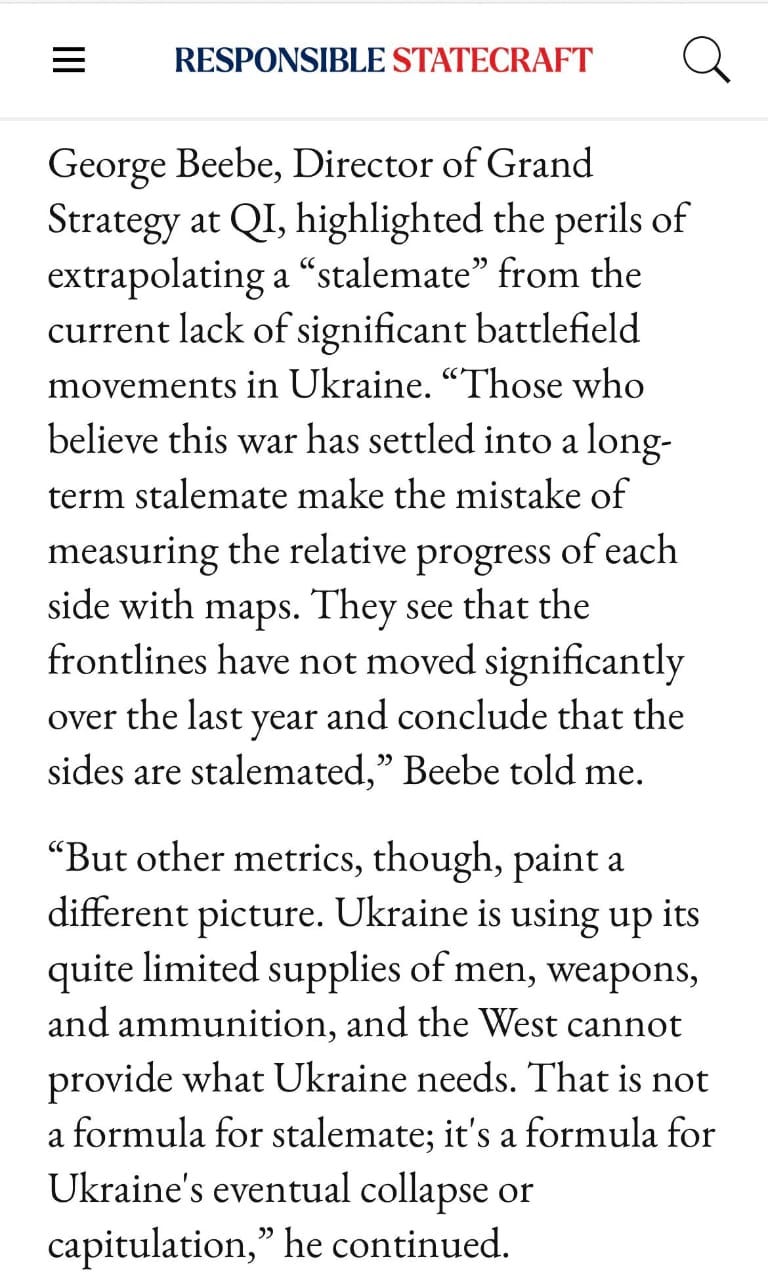
Is Ukraine Edging Towards Collapse?

0

The recent escalation of tensions between Russia and Ukraine has raised fears of a possible military conflict in Europe. The Kremlin has amassed more than 100,000 troops near the Ukrainian border, sparking alarm in the West and calls for diplomatic efforts to defuse the situation. But what is behind this crisis and what are the implications for Ukraine’s stability and sovereignty?

The roots of the conflict date back to 2014, when a popular uprising in Kyiv ousted pro-Russian president Viktor Yanukovych and triggered Russia’s annexation of Crimea and its support for separatist rebels in eastern Ukraine. Since then, more than 14,000 people have been killed and over a million displaced by the war, which has been frozen by a series of ceasefires that are frequently violated.

Russia claims that it is defending its legitimate interests and security in the region, and that it fears that Ukraine might join NATO, a military alliance that Moscow views as a threat. Ukraine, on the other hand, accuses Russia of violating its territorial integrity and sovereignty, and seeks closer ties with the West and its support for its reforms and defense.

The current crisis has been triggered by several factors, including the expiration of a gas transit deal between Russia and Ukraine at the end of 2024, which could deprive Kyiv of a vital source of revenue and leverage; the completion of the Nord Stream 2 pipeline, which would allow Russia to bypass Ukraine and deliver gas directly to Germany and other European countries.

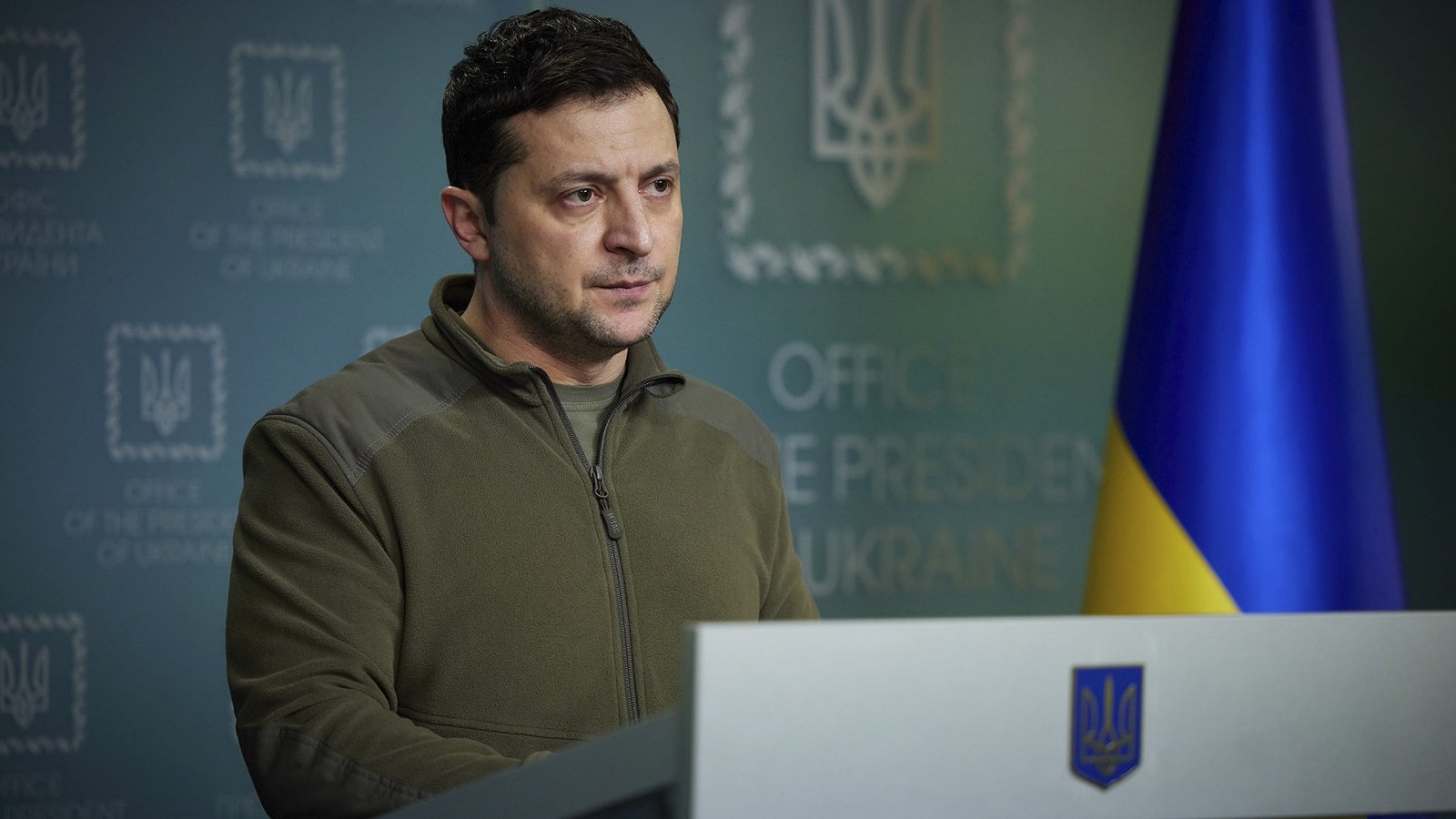
The lack of progress in implementing the Minsk agreements, which outline a political solution to the conflict based on decentralization, amnesty, and local elections in the rebel-held areas; and the domestic pressures on both Russian president Vladimir Putin and Ukrainian president Volodymyr Zelensky, who face declining popularity and rising discontent among their respective populations.

The stakes are high for both sides, as well as for the international community. A full-scale war between Russia and Ukraine could have devastating humanitarian, economic, and security consequences for the region and beyond. It could also undermine the credibility of NATO and the European Union, which have pledged their support for Ukraine’s sovereignty and territorial integrity but have limited options to deter or respond to Russian aggression. Moreover, it could escalate into a wider confrontation between Russia and the West, which are already at odds over issues such as human rights, cyberattacks, and nuclear proliferation.

The best way to avoid such a scenario is to pursue a diplomatic solution that addresses the core grievances and interests of all parties involved. This would require dialogue, compromise, and confidence-building measures, as well as a clear and consistent message from the West that it is ready to cooperate with Russia on areas of common interest, but also to impose costs on its unacceptable behavior. It would also require sustained support for Ukraine’s reform efforts, resilience, and integration into the Euro-Atlantic community.

Ukraine is not edging towards collapse, but it is facing a serious challenge to its security and sovereignty. The international community should do everything in its power to help it overcome this challenge and achieve its aspirations for peace, democracy, and prosperity.

Coinbase now lets you send USDC for free using iMessage, WhatsApp and Telegram

0

Coinbase, the leading cryptocurrency exchange platform, has announced a new feature for its decentralized wallet app that allows users to send USDC, a stablecoin pegged to the US dollar, for free using popular messaging apps like iMessage, WhatsApp, Telegram and more. This feature is powered by WalletConnect, an open protocol that enables secure communication between decentralized applications and mobile wallets.

USDC is a digital currency that maintains a 1:1 value with the US dollar and can be used for payments, remittances, savings and trading. Unlike traditional fiat currencies, USDC transactions are fast, cheap and transparent, thanks to the blockchain technology. By integrating WalletConnect into its wallet app, Coinbase enables users to easily send USDC to anyone in the world without paying any fees or intermediaries.

USDC is issued by a consortium of regulated financial institutions, called Centre, that ensure that every USDC in circulation is backed by an equivalent number of US dollars held in reserve. Users can create or redeem USDC through various platforms, such as Coinbase, Circle, or other exchanges and wallets that support USDC.

USDC is built on the Ethereum blockchain, which means that it inherits the benefits of a decentralized, transparent, and programmable network. Users can send and receive USDC using any Ethereum-compatible wallet or application, and they can also use smart contracts to automate transactions and create new use cases for USDC.

USDC is also compliant with relevant laws and regulations, such as anti-money laundering (AML) and know-your-customer (KYC) rules. Users who want to create or redeem USDC have to undergo identity verification and comply with the terms of service of the platform they use. This ensures that USDC is a trustworthy and legitimate digital currency that can be used for various purposes.

USDC is one of the most popular and widely used stablecoins in the world, with over $40 billion in circulation as of December 2023. It offers users and businesses a fast, cheap, secure, and transparent way to move value across the globe.

To use this feature, users need to have the Coinbase Wallet app installed on their mobile devices and some USDC in their accounts. Then, they can scan a QR code from any WalletConnect-enabled website or app that supports USDC transfers, such as Uniswap, Aave, Compound and more. After scanning the QR code, users can choose which messaging app they want to use to send USDC and enter the recipient’s phone number or username. The recipient will receive a link to claim the USDC in their own Coinbase Wallet app or create one if they don’t have it yet.

This feature is part of Coinbase’s vision to make cryptocurrency more accessible and usable for everyone. By leveraging the existing messaging platforms that billions of people use every day, Coinbase hopes to lower the barriers to entry and adoption of crypto and create a more open and inclusive financial system.

Twitch to Cease Operations in South Korea Citing Prohibitively Expensive Market Conditions

Meanwhile, in a surprising move, Twitch, the globally popular video streaming service, announced its decision to shut down operations in South Korea on February 27, citing prohibitively expensive operating costs in one of the world’s largest esports markets.

The decision was communicated by Twitch CEO, Dan Clancy, who expressed disappointment over the move in a blog post.

“Ultimately, the cost to operate Twitch in Korea is prohibitively expensive and we have spent significant effort working to reduce these costs so that we could find a way for the Twitch business to remain in Korea,” he said.

Twitch CEO Dan Clancy acknowledged the significant efforts made by the company to reduce network costs in Korea. However, despite experimenting with a peer-to-peer model and downgrading streaming quality to 720p, the fees to operate in South Korea remained 10 times higher than in most other countries. Clancy stated that the company had been operating at a “significant loss” and that there was “no pathway forward” to run the business sustainably in the country.

In his blog post, Clancy said that the decision to cease operations in South Korea was a unique situation. He stated, “I want to reiterate that this was a very difficult decision and one we are very disappointed we had to make. Korea has always and will continue to play a special role in the international esports community, and we are incredibly grateful for the communities they built on Twitch.”

The high internet fees in South Korea have been a point of contention for tech companies. Last year, streaming giant Netflix unsuccessfully sued a local broadband supplier to avoid paying usage charges. Seoul’s court ruled in favor of the broadband supplier, requiring Netflix to contribute to the network costs supporting its substantial Korean business.

Twitch’s attempt to navigate the challenging landscape involved not only experimenting with different models but also striving to adapt to local regulations. South Korea, with over half of its 50 million population identified as esports fans, is a crucial market for Twitch. The country dominates competitive gaming globally, with pro gaming being a cultural phenomenon, and top players enjoying celebrity status.

Esports enthusiasts in South Korea have contributed significantly to Twitch’s user base in the country. However, the decision to shut down operations reflects the difficulty of sustaining a business model amidst soaring operational costs. South Korea’s prominence in the esports world is acknowledged, but economic challenges have forced Twitch to make a strategic withdrawal.

This move by Twitch in South Korea might have broader implications, especially as telecom operators in other markets, including India, are increasingly pushing for content providers to bear network costs. Earlier this year, telecom operators in India recommended that internet companies compensate them for using their networks, citing regulatory changes in Korea as an inspiration.

As Twitch prepares to exit the South Korean market, the international esports community and the platform’s user base in the country will undoubtedly face changes. The broader implications of this decision on the streaming industry, especially in markets with rising network costs, remain to be seen.