
DD
MM
YYYY

PAGES

DD
MM
YYYY

spot_img

PAGES

Home Blog Page 3910

Navigating Life on Your Terms

0

In a world as diverse as ours, value-based perception forms the very fabric of how we interact, judge, and make decisions. It’s a concept deeply ingrained in human nature, influencing our thoughts and actions in ways often subconscious. While it’s easy to assume that our judgments are purely objective, the truth is far more intricate. Nobody holds a monopoly on these perceptions; they are shaped by a myriad of factors, often guided by the pursuit of personal advantage. This piece delves into the multifaceted nature of value-based perception, highlighting the impact it has on our lives and suggesting strategies for making the most of this complex interplay.

The Nature of Value-Based Perception

Value-based perception is the lens through which we evaluate the world around us. It involves assessing actions, ideas, and people as either good or bad, right or wrong, based on our own set of values and beliefs. But these values are far from universal; they are subjective and deeply influenced by our cultural upbringing, personal experiences, and individual aspirations. This inherent subjectivity is what renders value-based perception so complex.

The Influence of Personal Advantage

It’s intriguing to recognize that our judgments are often driven by the desire for personal advantage. We evaluate situations and individuals not solely on their merits, but on how they align with our needs and goals. This phenomenon explains why someone might perceive an action as “good” when it benefits them and “bad” when it doesn’t. This doesn’t necessarily imply malicious intent; instead, it reflects the intricate dance between our inner desires and our external interactions.

Allocating Resources for Optimal Living

Understanding the influence of value-based perception and personal advantage allows us to navigate life more strategically. Just as chess player allocates their pieces strategically across the board, we can allocate our resources—time, effort, and energy—where they matter most. This might involve embracing opportunities that resonate with our values and provide tangible benefits. By recognizing that others’ perceptions are often shaped by their objectives, we can make conscious decisions that align with our aspirations.

Crafting a Life That’s Uniquely Yours

In a world where societal norms and external pressures often attempt to shape our choices, it’s crucial to remember that it’s our life to live. Nobody else can experience it for us. Embracing the complexity of value-based perception empowers us to craft a life that aligns with our innermost desires. It’s a reminder that we have the agency to determine what brings us joy, fulfilment, and a sense of purpose.

Strategies for Navigating Value-Based Perception

  1. Self-Awareness: The journey begins with self-awareness. Reflect on your values, aspirations, and the factors that shape your perception. Understanding your motivations allows you to make conscious decisions that serve your best interests.
  2. Empathy: Just as you navigate your life based on your values, so do others. Practising compassion opens the door to understanding their perspectives. This doesn’t mean compromising your values but facilitates constructive dialogue and mutual respect.
  3. Resource Allocation: Consider your resources—time, energy, and attention—as valuable commodities. Invest in them where they align with your goals and values. Recognize that not every judgment or opportunity warrants equal attention.
  4. Open-Mindedness: Value-based perception is inherently diverse. Cultivate an open mind that embraces different perspectives. This not only enriches your understanding of the world but also encourages personal growth.
  5. Risk Assessment: Not all pursuits aligned with your values will guarantee immediate benefits. It’s essential to assess the potential risks and rewards of each endeavour, ensuring a balanced approach to decision-making.

In a world where perceptions are as diverse as the people who hold them, understanding the intricate dance between value-based perception and personal advantage is empowering. Nobody holds a monopoly on this phenomenon; it’s a universal aspect of the human experience. By embracing this complexity, we can navigate our lives more intentionally, making choices that align with our values while acknowledging the diverse motivations of those around us.

Remember, life is a canvas waiting for your unique brushstrokes. You have the power to craft a life that resonates with your aspirations, even in the face of subjective judgments. Value-based perception, when understood and harnessed, becomes a tool that propels us toward a life that’s authentically our own.

Tekedia Capital signed a term sheet to invest in a revolutionary AI-native startup i

0

This week, Tekedia Capital signed a term sheet to invest in a revolutionary AI-native startup in the domain of enterprise- and design-security. We joined hands with Y Combinator!

Next month, our Tekedia Capital Syndicate members will partake in this dance. We’re very confident that this company is part of the future as AI will transform digital security.

Tekedia Capital is building the foundation of the next Africa through entrepreneurial capitalism. To learn more and how to join our Syndicate just in time for the next investment cycle, go here.

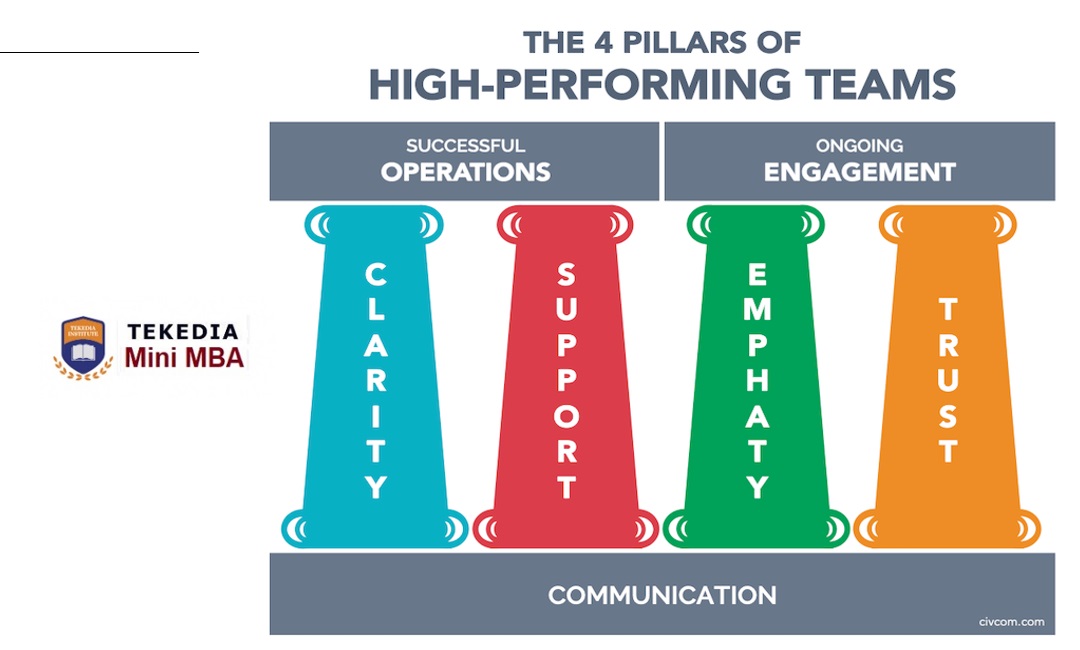
Build a high-performing team and win your market! [video]

0

Build a high-performing team and win your market! When high-performing People operate on great Processes using the best Tools, glory comes in revenue, market share and profit. #teamwork #tekediaMiniMBA


Fintech Startup LemFi Raises $33M in Series A to Simplify Remittance For Immigrants Globally

0

Fintech startup that allows users to send money to Africa in less than 10 minutes free of charge, LemFi, has raised $33 million in Series A Round to simplify remittance payments for immigrants globally.

The funding round was led by Left Lane Capital, with funds from other investors which include Y-Combinator, Zrosk, Global Founders Capital, and Olive Tree.

With the raise of its recent fund, the company said it intends to expand its product offering to the United States, Europe, the Middle East, and Asia, as well as innovate new product offerings according to the needs of its users.

LemFi’s CEO Ridwan Olalere drew from his own experience as an immigrant and said, having lived on three continents and leading a multicultural team, the company’s mission is deeply personal, creating a world where financial services are universally accessible.

“Our product is a game changer for users since traditional banks and other leading neo-banks have always steered clear of less common or more volatile currencies. This has driven immigrants to often use unsafe, informal channels or to stitch together several other services to solve some of their basic financial needs. Until now”, he added.

Speaking on what motivated the investment in LemFi, Principal at Left Lane Capital, Matthew Miller, said,

“LemFi has been very deliberate and strategic in acquiring licenses and building a robust network of financial institution partners to facilitate cross-border payments for immigrants. We’re excited to support LemFi as it expands its product offering to serve more immigrant communities globally.”

LemFi is set to build a platform that empowers the next generation of immigrants. With its product offerings, users can send, receive, hold, and save money in the currencies of their country of origin and residence.

The company understands that the African diaspora has financial service needs that are either unmet or met inefficiently.

Some of these needs range from high and hidden transfer fees for international remittance back to the limited ability to access and manage affordable credit products and bank accounts domiciled in their home country.

Founded in 2020, LemFi launched in Canada where it offered instant international transfer to the African diaspora community in Canada.

From Canada, the startup grew quickly, and by 2021, it had expanded to the UK. At the same time, the company was working to add more African countries where users could send money to or from.  By the end of 2021, it has added 10 new African remittance corridors.

LemFi’s mission is to make life easier for Africans abroad by providing borderless financial services that allow them to truly participate in the global economy wherever they are in the world.

Justice Department Files Lawsuit Against SpaceX, Over Hiring Discrimination Against Asylees

0

In a lawsuit filed on Thursday, U.S. federal prosecutors allege that Elon Musk’s SpaceX engaged in discriminatory practices over an extended period towards refugees and individuals granted political asylum who were seeking employment in the rocket company.

According to the lawsuit, SpaceX systematically discouraged refugees and asylees from applying and refused to hire or consider them due to their citizenship status, thereby contravening the Immigration and Nationality Act. These practices are said to have occurred from at least September 2018 to May 2022.

Fortune noted that in the past, Musk has indicated that SpaceX was restricted from employing foreign nationals unless they possessed a green card, suggesting that this was due to constraints associated with the sharing of information linked to rocket technology, governed by International Traffic in Arms Regulations (ITAR).

“If you’re working on rocket technology, that’s considered an advanced weapons technology. So even a normal work visa isn’t sufficient, unless you get a special permission from the Secretary of Defense or the Secretary of State,” Musk was quoted as saying at a space conference in 2016.

The lawsuit follows the conclusion of a probe by the DOJ into SpaceX’s hiring practices.

As part of its allegations, the U.S. Department of Justice asserted that SpaceX made inaccurate claims in its job postings, stating that it was constrained by federal export control laws to exclusively hire U.S. citizens and green card holders. The agency clarified that these laws do not mandate such limitations on hiring.

The investigation conducted by the Department of Justice was initiated in 2020, prompted by a complaint by an individual who said he was denied employment at SpaceX after disclosing during an interview that he did not possess U.S. citizenship or lawful permanent residency. In June 2021, a federal judge mandated SpaceX to provide its hiring records as a component of the ongoing investigation, per Fortune.

“Our investigation also found that SpaceX recruiters and high-level officials took actions that actively discouraged
asylees and refugees from seeking work opportunities at the company,” Kristen Clarke, the Justice Department’s head of civil rights, said in a statement.

The Justice Department further noted that the authorization for asylees and refugees to reside and work in the United States remains valid indefinitely, placing them on a level playing field with U.S. citizens and lawful permanent residents in accordance with export control laws.

“Under these laws, companies like SpaceX can hire asylees and refugees for the same positions they would hire U.S. citizens and lawful permanent residents,” it said. “And once hired, asylees and refugees can access export-controlled information and materials without additional government approval, just like U.S. citizens and lawful permanent residents.”

Companies under Musk have been accused of racial discrimination among other allegations of impropriety, with some resulting in lawsuits or regulatory probes.

Tesla Inc., the electric vehicle manufacturer led by Musk, has faced allegations from Black employees at its Fremont, California factory, who said that managers turned a blind eye to the frequent use of racial slurs on the assembly line and were sluggish in addressing graffiti with hate symbols such as swastikas that were scribbled in common areas.

In another case, Tesla is currently contesting allegations made by California’s civil rights department, which state that a considerable number of African American workers at its factory were subjected to mistreatment encompassing harassment, unequal compensation, and reprisals.

Separately, SpaceX is entangled in several lawsuits from former employees in recent years, alleging discrimination based on factors like age, race, and disability. Just earlier this month, a former SpaceX technician filed a lawsuit against the company in a California state court, alleging experiences of workplace harassment related to physical disability and subsequent retaliation, according to Fortune.

Other U.S. companies have also been investigated and sued by federal prosecutors over discriminatory job listings.

In September, Walmart Inc., CarMax Inc., Capital One Financial Corp., and Axis Analytics settled with the Justice Department after similar claims over discriminatory job postings against non-US citizens, the agency said. In June, auditing firm KPMG and 15 other employers also settled with the agency over hiring bias in postings on a college career services website. The agency said it collected $1.1 million from the 20 employers in civil penalties.

The lawsuit filed by the Justice Department claims that SpaceX engaged in discrimination against asylum seekers and refugees due to their citizenship status across various stages of the hiring process.

For instance, in 2020, a SpaceX engineer shared a job posting on a chat forum during a college career fair at the Georgia Institute of Technology. The posting specified that applicants must be “a US citizen,” even though the role did not necessitate U.S. citizenship, according to the allegations made in the complaint.

In the lawsuit against SpaceX filed on Thursday, U.S. federal prosecutors are requesting the court to grant retroactive wages and unspecified civil fines for asylum seekers and refugees who, according to the complaint, were purportedly refused employment opportunities at SpaceX.