DD
MM
YYYY

PAGES

DD
MM
YYYY

spot_img

PAGES

Home Blog Page 3930

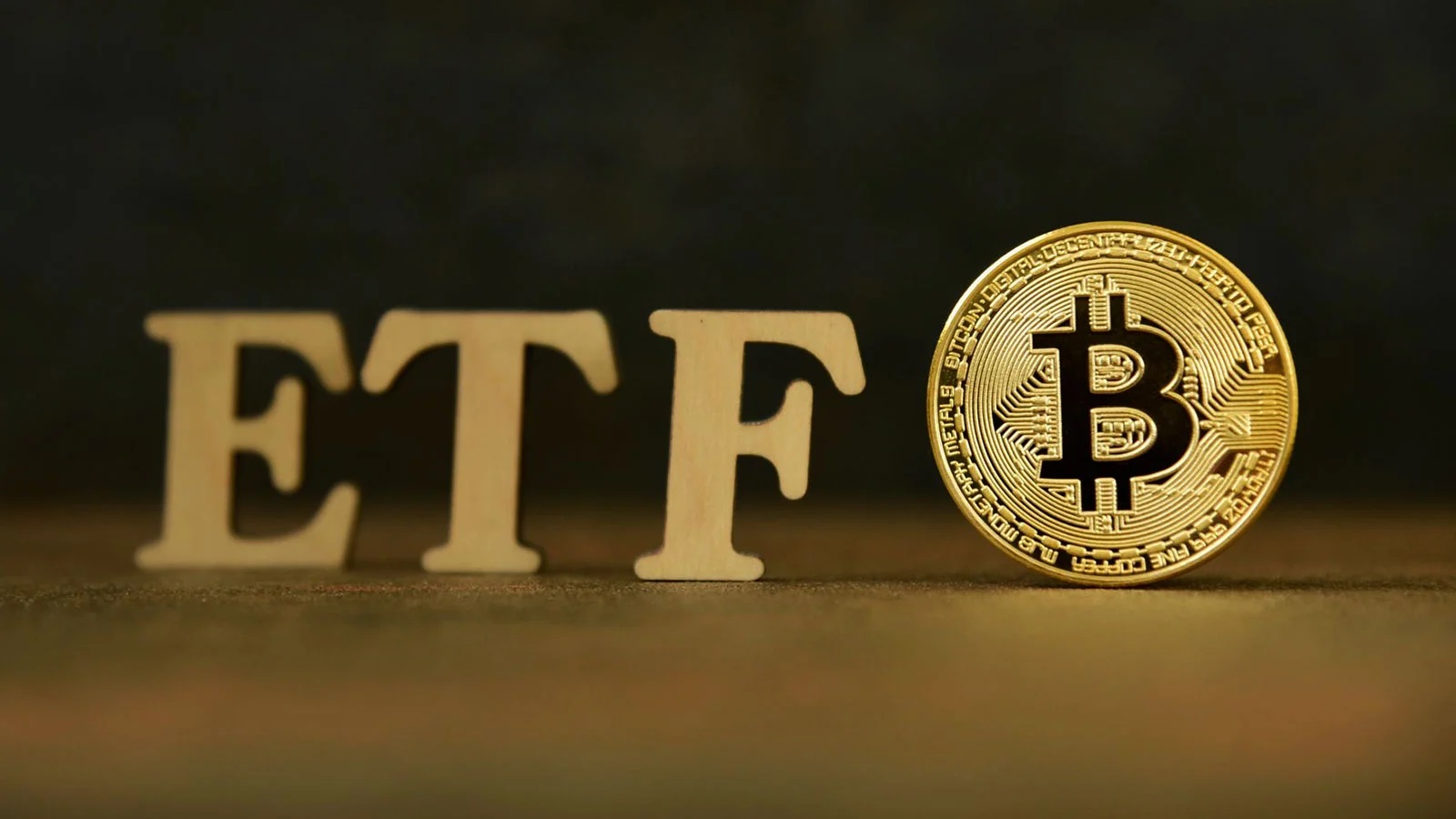
Understanding Bitcoin Spot and Futures ETFs

0

Bitcoin ETFs are exchange-traded funds that track the price of bitcoin and trade on traditional stock exchanges. They allow investors to gain exposure to bitcoin without having to buy, store, or manage the cryptocurrency directly. There are two main types of bitcoin ETFs: spot and futures.

A spot bitcoin exchange-traded fund (ETF) is a type of investment product that tracks the price of bitcoin on the spot market, where bitcoins are bought and sold for immediate delivery. Unlike futures-based bitcoin ETFs, which use contracts that expire at a certain date and price, spot bitcoin ETFs aim to reflect the current market value of bitcoin as closely as possible.

Spot bitcoin ETFs are designed to provide investors with exposure to bitcoin without the need to buy, store, or secure the cryptocurrency themselves. By buying shares of a spot bitcoin ETF, investors can benefit from the price movements of bitcoin without having to deal with the technical and operational challenges of owning and transferring bitcoins. Spot bitcoin ETFs also offer advantages such as liquidity, transparency, and regulatory oversight.

However, spot bitcoin ETFs also face some challenges and risks. One of the main challenges is the lack of a uniform and reliable source of bitcoin prices across different platforms and jurisdictions. This can lead to discrepancies and arbitrage opportunities between the spot market and the ETF market, which can affect the accuracy and efficiency of the ETF.

Another challenge is the security and custody of the underlying bitcoins that back the ETF. The ETF provider has to ensure that the bitcoins are stored safely and securely, and that they can be redeemed by the shareholders if needed. Additionally, spot bitcoin ETFs are subject to regulatory uncertainty and volatility in the cryptocurrency market, which can affect their performance and availability.

Spot bitcoin ETFs are a novel and innovative way to invest in bitcoin without having to own or manage the cryptocurrency directly. They offer benefits such as convenience, diversification, and compliance, but they also entail challenges such as price discrepancies, security issues, and regulatory hurdles. Investors who are interested in spot bitcoin ETFs should do their own research and due diligence before investing in this emerging asset class.

Futures bitcoin exchange-traded fund (ETF) is a type of investment that tracks the price of bitcoin futures contracts, which are agreements to buy or sell bitcoin at a predetermined price and date in the future. A futures bitcoin ETF does not hold actual bitcoin, but rather buys and sells bitcoin futures contracts on a regulated exchange.

A futures bitcoin ETF can offer investors exposure to the price movements of bitcoin without the need to buy, store, or secure actual bitcoin. This can reduce some of the risks and challenges associated with investing in bitcoin directly, such as hacking, theft, or loss of private keys. A futures bitcoin ETF can also provide more liquidity and transparency than some other types of bitcoin products, such as trusts or funds that trade over the counter.

However, a futures bitcoin ETF also has some drawbacks and limitations. For one thing, a futures bitcoin ETF may not track the spot price of bitcoin accurately, due to factors such as contango and backwardation, which are situations where the futures price differs from the spot price. Contango occurs when the futures price is higher than the spot price, which means that the ETF has to pay more to roll over its contracts and may incur a negative roll yield. Backwardation occurs when the futures price is lower than the spot price, which means that the ETF can profit from rolling over its contracts and may earn a positive roll yield. These situations can affect the performance and returns of the ETF compared to the underlying asset.

Another drawback of a futures bitcoin ETF is that it may incur higher fees and expenses than a physical bitcoin ETF, which would hold actual bitcoin. A futures bitcoin ETF has to pay for the costs of trading and rolling over its contracts, as well as management fees and other expenses. These fees can eat into the returns of the ETF and make it less efficient than a physical bitcoin ETF.

A futures bitcoin ETF is also subject to regulatory and legal uncertainties, as the rules and regulations governing bitcoin and its derivatives are still evolving and may change in the future. A futures bitcoin ETF may face regulatory hurdles or challenges from authorities or competitors, which could affect its operations and viability. For example, in October 2021, the U.S. Securities and Exchange Commission (SEC) approved the first futures bitcoin ETF in the U.S., but also issued a warning to investors about the risks and volatility of investing in such products.

Futures bitcoin ETF is a type of investment that offers investors exposure to the price movements of bitcoin through futures contracts, without holding actual bitcoin. A futures bitcoin ETF has some advantages over investing in bitcoin directly, such as reducing some of the risks and challenges associated with buying, storing, or securing bitcoin. However, a futures bitcoin ETF also has some disadvantages and limitations, such as potential tracking errors, higher fees and expenses, and regulatory and legal uncertainties. Investors should weigh the pros and cons of investing in a futures bitcoin ETF before making a decision.

Futures bitcoin ETFs do not hold bitcoins, but rather trade bitcoin futures contracts on regulated commodity exchanges. They reflect the future price of bitcoin based on market expectations and demand. Futures bitcoin ETFs have the advantage of being more accessible, flexible, and compliant than spot bitcoin ETFs. However, they also suffer from more volatility, tracking error, and fees than spot bitcoin ETFs.

Both types of bitcoin ETFs offer investors a convenient way to participate in the growing bitcoin market, but they also have different trade-offs and risks. Investors should carefully weigh the pros and cons of each type of bitcoin ETF before making a decision.

Fantom Considers Adding Optimistic Rollups to Connect with Ethereum

Meanwhile, Fantom, a fast and scalable blockchain platform, is exploring the possibility of implementing optimistic rollups to enable seamless interoperability with Ethereum. Optimistic rollups are a layer-2 scaling solution that allow smart contracts to run on a sidechain with lower fees and higher throughput, while still benefiting from the security and decentralization of the main Ethereum network.

Optimistic rollups are one of the most promising technologies for scaling Ethereum, as they can support complex applications such as decentralized exchanges, gaming, and DeFi. However, they also pose some challenges, such as the need for fraud proofs, data availability, and cross-chain communication. Fantom aims to overcome these challenges by leveraging its own unique features, such as its asynchronous Byzantine fault tolerant (aBFT) consensus mechanism, its fast finality, and its compatibility with the Ethereum Virtual Machine (EVM).

Cronje confirmed that if Fantom were to adopt Optimistic rollups, providing a full transaction history on Ethereum, it would need to pay transaction fees to write these snapshots to the Ethereum network. Michael Kong, CEO of the Fantom Foundation, added that deploying Layer 2 technology in this manner would enable the Fantom network to access more liquidity from the Ethereum ecosystem. Andre Cronje prefers to consider the Layer 2 network as a side chain, viewing the Optimistic rollups technology as a bridge between them.

By adding optimistic rollups to its platform, Fantom hopes to attract more developers and users who want to build and use applications that require both speed and security. Fantom also believes that this will enhance its value proposition as a bridge between different blockchains, especially in the context of the upcoming Ethereum 2.0 upgrade, which will introduce sharding and proof-of-stake.

Fantom’s team is currently conducting research and development on optimistic rollups and plans to launch a TestNet in the near future. The team is also collaborating with other projects in the blockchain space, such as Polygon and Arbitrum, to learn from their experiences and best practices. Fantom’s vision is to create a scalable and interoperable ecosystem that can support the growth and innovation of the blockchain industry.

Interestingly, over 100 million wallet addresses now hold a non-zero amount of Ethereum, according to data analytics firm Glassnode, this development underscores the growing interest and adoption of Ethereum in the digital currency market. The increase in the number of addresses may also point to the potential expansion of decentralized finance DEFI applications and the rise of non-fungible tokens, both of which have Ethereum as their bedrock.


Top VC Firms Face Lawsuit Over Alleged Support of FTX

0

A group of investors has filed a lawsuit against some of the top venture capital firms in the crypto space, accusing them of supporting and profiting from a fraudulent scheme orchestrated by FTX, a popular derivatives exchange. FTX is one of the leading cryptocurrency exchanges in the world, offering a wide range of products and services to traders and investors. However, in recent weeks, the exchange has faced a series of challenges that have shaken its reputation and market value.

According to the complaint, FTX and its founder Sam Bankman-Fried (SBF) engaged in market manipulation, insider trading, and deceptive practices to inflate the price of FTX’s native token, FTT, and defraud investors of millions of dollars. The lawsuit names Andreessen Horowitz, Paradigm, Ribbit Capital, and Alameda Research as defendants, alleging that they invested in FTX knowing about its illegal activities and helped SBF cover up his tracks. The plaintiffs claim that the defendants violated the Securities Act of 1933, the Securities Exchange Act of 1934, and various state laws.

One of the main issues that FTX has encountered is a bank run, which is a situation where a large number of customers withdraw their funds from a financial institution at the same time, causing liquidity problems and potential insolvency. The bank run on FTX was triggered by a series of events, such as:

The announcement of the US Securities and Exchange Commission (SEC) that it would sue Coinbase, another major cryptocurrency exchange over its lending program which raised concerns about the regulatory risks for FTX and other platforms that offer similar products.

The hacking of Poly Network, a cross-chain protocol that facilitates interoperability between different blockchains, which resulted in the theft of over $600 million worth of cryptocurrencies, some of which were traced to FTX wallets.

These events caused panic and uncertainty among FTX users, who decided to withdraw their funds from the exchange in large numbers. According to data from CryptoQuant, the net outflow of stablecoins from FTX reached over $1 billion in August, indicating a significant loss of liquidity and customer confidence.

The bank run on FTX also had a negative impact on the price of its native token, FTT, which is used for various purposes on the platform, such as paying fees, staking, governance, and accessing exclusive features. FTT reached an all-time high of $84.18 on September 9th 2021, but since then it has dropped by more than 98%, trading at around $1.19 at the time of writing.

The decline of FTT reflects the loss of market share and competitive advantage that FTX has suffered due to the bank run and other factors. According to CoinGecko, FTX’s daily trading volume has decreased by more than 50% since August, falling from over $10 billion to less than $5 billion. FTX’s ranking among cryptocurrency exchanges has also dropped from 4th to 7th place in terms of adjusted volume.

FTX is facing a critical moment in its history, as it tries to restore its credibility and stability in the face of a bank run and a decline of its token. The exchange has taken some measures to address the situation, such as: Increasing its security measures and cooperating with law enforcement agencies to recover the funds stolen from Poly Network. Improving its network capacity and scalability to handle the increased demand for Solana and other tokens. Launching new products and features to attract and retain customers, such as NFT marketplace, sports betting platform, and decentralized exchange Serum.

However, these actions may not be enough to reverse the trend and regain the trust and loyalty of its users. FTX will have to face the challenges posed by the regulatory environment, the competition from other exchanges, and the volatility of the cryptocurrency market. FTX will have to prove that it can overcome this crisis and emerge stronger than ever.

The plaintiffs are seeking damages, restitution, and injunctive relief to prevent further harm to the crypto market and investors. They also demand a jury trial to hold the defendants accountable for their actions. The lawsuit is the latest in a series of legal troubles for FTX, which has been under scrutiny by regulators and lawmakers for offering unregistered securities and derivatives products to US customers. FTX has also been accused of using wash trading, spoofing, and other manipulative tactics to boost its trading volume and market share.

FTX and the defendants have not yet responded to the allegations. However, SBF has previously denied any wrongdoing and claimed that FTX operates with the highest standards of compliance and transparency.

How to Solve Incessant Security Breaches in the Crypto Industry

0

The crypto industry is booming, but it is also plagued by incessant security breaches that undermine its credibility and trustworthiness. According to a report by CipherTrace, a blockchain analytics firm, crypto-related thefts, hacks, and frauds amounted to $1.9 billion in 2020, a 57% decrease from the record $4.5 billion in 2019, but still a significant threat to the industry. According to Forbes, over $3 Billion have been lost to crypto hacks, annually. NBC News places that number even higher with $14 Billion in Worldwide hacks. Yet another source has the total for all scams and hacks since 2017 at over $20 Billion. The most common types of attacks are:

Exchange hacks: These involve hackers exploiting vulnerabilities in the platforms that facilitate the trading and storage of cryptocurrencies, such as centralized exchanges, decentralized exchanges, and wallets. Some of the most notorious examples are the Mt. Gox hack in 2014, which resulted in the loss of 850,000 bitcoins (worth about $460 million at the time), and the KuCoin hack in 2020, which resulted in the theft of $281 million worth of various cryptocurrencies.

DeFi hacks: These involve hackers exploiting vulnerabilities in the protocols that enable decentralized finance (DeFi) applications, such as lending, borrowing, trading, and staking. DeFi is a fast-growing sector that aims to provide financial services without intermediaries, but it also poses unique challenges and risks. According to CipherTrace, DeFi hacks accounted for 45% of all crypto thefts in 2020, totaling $129 million.

Scams and frauds: These involve hackers deceiving or coercing users into sending them cryptocurrencies or revealing their private keys or passwords. Some of the common methods are phishing emails, fake websites, social media impersonations, Ponzi schemes, and ransomware attacks. For instance, in July 2020, a group of hackers hijacked the Twitter accounts of several prominent figures, such as Elon Musk, Barack Obama, and Joe Biden, and posted messages asking followers to send bitcoins to a certain address, claiming they would double their money. The hackers managed to collect over $100,000 worth of bitcoins before the scam was exposed.

Causes of Security Breaches on Crypto Exchanges

Poor security practices: Some crypto exchanges do not implement adequate security measures to protect their systems and users from unauthorized access. For example, they may use weak passwords, store private keys online, or fail to encrypt sensitive data. These practices expose the exchanges to hacking attacks that can compromise their funds and information.

Lack of regulation: Unlike traditional financial institutions, crypto exchanges are largely unregulated and operate in a legal gray area. This means that they do not have to comply with any standards or rules regarding their security, transparency, or accountability. This also means that they do not have any legal recourse or protection in case of a security breach. Users who lose their funds or data due to a security breach may have no way of recovering them or seeking compensation.

Human error: Sometimes, security breaches on crypto exchanges are caused by human error or negligence. For example, an employee may accidentally leak confidential information, a user may fall victim to a phishing scam, or a developer may introduce a bug in the code. These errors can create vulnerabilities that can be exploited by hackers and cybercriminals.

These security breaches not only cause financial losses to the victims, but also damage the reputation and confidence of the crypto industry as a whole. They also attract regulatory scrutiny and intervention, which may hamper the innovation and growth of the industry. Therefore, it is imperative that the crypto industry takes proactive and effective measures to prevent and mitigate these security breaches. Some of the possible solutions are:

Implementing robust security standards and practices: The crypto industry should adopt and enforce high-level security standards and practices for its platforms and protocols, such as encryption, authentication, verification, auditing, testing, monitoring, and updating. These security measures should be transparent and verifiable by third parties, such as auditors, regulators, or users. Moreover, the crypto industry should foster a culture of security awareness and education among its participants, especially users who are often the weakest link in the security chain.

Leveraging blockchain technology and innovation: The crypto industry should leverage the inherent features and advantages of blockchain technology to enhance its security and resilience. For example, blockchain technology enables immutability, traceability, decentralization, and consensus, which can help prevent or deter unauthorized transactions or alterations. Furthermore, the crypto industry should embrace innovation and experimentation to develop new solutions and approaches to address its security challenges. For instance, some emerging technologies that may improve crypto security are zero-knowledge proofs (ZKPs), multi-party computation (MPC), threshold signatures (TSS), and quantum-resistant cryptography (QRC).

Collaborating with stakeholders and regulators: The crypto industry should collaborate with various stakeholders and regulators to establish a common understanding and framework for its security issues and solutions. These stakeholders include other crypto platforms and protocols, cybersecurity experts and researchers, law enforcement agencies, policymakers, standard-setting bodies, industry associations, and users. By engaging in dialogue and cooperation with these stakeholders and regulators, the crypto industry can foster trust and legitimacy among its participants and society at large.

Security breaches are a serious threat to the crypto industry that require urgent attention and action. The crypto industry should implement robust security standards and practices; leverage blockchain technology and innovation; and collaborate with stakeholders and regulators to solve this problem. By doing so, the crypto industry can enhance its security and resilience; protect its users’ assets and interests; improve its reputation and confidence; and promote its innovation and growth.

Airtel Africa Partners Mastercard, to Launch New Cross-Border Remittance Service to Enable Seamless Transfer of Funds

0

Airtel Africa has partnered with financial service giant Mastercard, to launch a new cross-border remittance service to enable customers with seamless transfer and receiving of funds.

The new service is designed for over 100 million mobile phone users of Airtel in Africa, to bolster stronger cooperation between Airtel Africa and Mastercard, in boosting the digital economy on the continent.

The new service will present an easier means for Airtel’s mobile users to initiate digital transactions across different countries abroad.

Airtel users who will be the beneficiaries of this service will be able to access and connect to wallets in over 145 markets around the world, enabling them to send and receive money from various countries.

The service will be rolled out gradually in 14 African countries where Airtel operates. These include Chad, Congo Brazzaville, Democratic Republic of Congo, Gabon, Kenya, Madagascar, Malawi, Niger, Nigeria, Rwanda, Seychelles, Tanzania, Uganda, and Zambia.

Speaking on the launch, Head of Airtel Money Ian Ferraro said,

This partnership with Mastercard will let us give a top-notch money transfer service to our users. We at Airtel Africa always aim to improve our customers’ lives with new and easy financial solutions. Our goal is to help everyone succeed, and this new service will surely help in achieving that.”

Senior Vice President, Digital Partners and Enablers, Mastercard, Ngozi Megwa said,

“With this new service, sending and receiving money across borders will be smooth and safe. We at Mastercard have always been committed to Africa’s growth and aim to provide handy digital solutions to its people. Teaming up with Artel Africa, we’re adding more value for their customers”.

According to Mastercard’s 2022 Borderless Payments Report, digital payments are seeing strong growth with three-quarters of consumers who send and receive cross-border payments doing so through mobile apps.

This growth in cross border mobile transactions has created a genuine need to make cross border remittances easy and secure for both banked and unbanked consumers. Airtel and Mastercard share this passion for digital transformation and making mobile financial services accessible to everyone across the continent.

Mastercard’s second annual borderless payments research reveals how critical cross-border payment services have been. Of all consumers surveyed who sent a cross-border payment last year, around 40% said their family members living internationally would not have survived financially without the funds.

The impact was just as striking among businesses. Approximately 70% of small and medium enterprises (SMEs) surveyed say the global payment network helped they endure the pandemic.

Why is the Airtel And Mastercard Partnership Important for Africa?

Remittance fees to Africa play a significant role in the economic and social development of the continent. It is reported that every year, around $95.6 billion comes into Africa from other countries.

  1. Economic Support for Recipients: Remittances serve as a lifeline for many families and communities in Africa. They provide essential financial support for basic needs such as food, housing, education, healthcare, and other necessities.
  2. Poverty Reduction: Remittances contribute to reducing poverty levels by directly injecting funds into households. This, in turn, can have a positive impact on the overall standard of living.
  3. Strengthening Local Economies: Remittances can stimulate local economies in Africa, by increasing demand for goods and services. This boost in economic activity can create jobs and drive economic growth.
  4. Foreign Exchange Inflow: Remittances contribute to foreign exchange reserves for African countries, which can help stabilize local currencies and support macroeconomic stability.

With this new service, Airtel and Mastercard aim to make it easier for people in Africa to get funds from their family and friends across the globe. This can help in boosting Africa’s economic growth and offering financial support to many.

Unlocking Success: Five Crucial Lessons for Emerging Startups and Entrepreneurs from the CIBN Generation Next Programme

0

For most of last week starting from Wednesday to early morning Friday, I was in Lagos. That should be my first visit to Lagos this year. And the event that took all of us from different locations of Opolo Global Innovation to Lagos was the CIBN Generation Next programme. The programme which had in attendance the Governor of Lagos State, Mr. Babajide Sanwoolu, represented by his Deputy, Femi Hamzat paraded the best in banking and financial technology in Nigeria and beyond. But, that is not my point. 

My focus is on the opportunity given to emerging startups and entrepreneurs, especially in the technology sector, to exhibit their products and services. Since it was the part of an event that Opolo organized for the foremost professional body in Nigeria, myself and the Opolo team were at the exhibition arena ensuring things got set before the dignitaries came calling. I saw the palpable excitement that enveloped the arena as these young men and women looked forward to telling their stories and getting opportunities to either get patronage or scale their businesses. Among the crowd of the exhibitors were also a number of startups who are currently in the pool of our company’s startup ecosystem from different locations in the country.

The array of products and services on display was impressive. In reflecting the theme of the programme, the products and services were either physical or tech related.  For the young business owners, this gathering wasn’t just an event – it was a masterclass in harnessing the art of pitching ideas, amplifying values, and seizing golden opportunities. Here are five lessons I feel emerging startups could gain from what I saw as the techpreneurs displayed their brands to the participants.

Tell Your Story with Impact

In the midst of the bustling exhibition hall, I saw something come to life – the art of pitching! It is the gateway to turning dreams into reality. As the dignitaries moved from one booth to the other, startups fervently conveyed their visions, dreams and aspirations, it became clearer that brands need a compelling narrative to attract patronage, funding and investment. Young business owners must master the craft of articulating their ideas with clarity, passion, and purpose. A well-crafted pitch has the power to captivate hearts, ignite curiosity, and open doors to unforeseen possibilities and opportunities.

Business Values are Important

Amidst the dazzling array of products and services in the buzzling hall, a common thread emerged – values. I observed that startups that resonated the most with the dignitaries were those rooted in a strong set of values that extended beyond profit margins. As a startup, it is good that you infuse your ventures with values that define your purpose, guiding every decision and action. The Sustainable Development Goals are the buzzwords now and reasonably so. That is what has dictated the world trajectory from 2015. Importantly, a business built on authenticity, integrity, and a commitment to societal well-being is not only inspiring but also stands the test of time.

 Seizing Opportunities: Courage and Agility in Action

Exhibitions are an opportunity arena. It is the boxing ring where startups spar for opportunities. As startups, with excitement, projected their brands, it was evident that success favors those who courageously step out of their comfort zones. I saw young entrepreneurs surmounting obstacles to get their businesses pitched. A young man came from Ife. When his team was long in coming and the dignitaries were close by, he moved round the hall to set his brand up. He pitched! He recognized the fleeting moments of promise and the opportunity to set them on a trajectory of unparalleled growth.

Networking: Forge Relationships, Forge Success

Beyond the products and displays, three things were obvious at the exhibition arena: relationships, collaborations and connections.  Young business owners should nurture connections, cultivate a genuine interest in others, and build a network that extends beyond transactions. From mentors to potential partners, every relationship can be a stepping stone to new horizons.

Embracing Feedback and Iteration

Among the startups, I observed an openness to feedback and a willingness to iterate. This mindset speaks volumes to young business owners. Feedback, whether constructive or critical, is a priceless gift for growth. Embracing it with humility and using it to refine and iterate can propel ventures from good to exceptional.

In conclusion, the CIBN Generation Next exhibition has gifted young business owners with a treasure trove of insights. From the art of crafting impactful pitches to infusing values, seizing opportunities, nurturing relationships, and embracing feedback, I am sure these lessons will serve as the compass guiding them through the labyrinth of entrepreneurship as they journey on in their quest to live their dreams. I am also sure that the insights gained from the exhibition would live with these young entrepreneurial minds as they unlock a future brimming with possibilities.