DD
MM
YYYY

PAGES

DD
MM
YYYY

spot_img

PAGES

Home Blog Page 3944

Why Nigerians Should Commend The Customs Team But NOT Celebrate The High Revenues

1
  • Customs generated N2.2trn revenue in 2022
  • Customs generated N2.2trn revenue in 2021
  • Customs generated N1.56trn revenue in 2020
  • Customs generated N1.34trn revenue in 2019
  • Customs projected to generate N3trn revenue in 2023 (projected)

Nigerians should stop celebrating the always records-breaking revenue of Nigerian Customs. Yes, yearly, we are informed that the Customs has generated another huge revenue. Good People, there is nothing to celebrate for those numbers.

As I have written here since about 2017 when I came back fully to LinkedIn, there is a clear correlation between increase in Customs revenue and de-industrialization rate in Nigeria. In other words, that P&G will fold its factories in Nigeria, and then begin to export to Nigeria, making it possible for Customs to “earn” more fees, does not make us a better country. When Michelin folded in PHC, it did not stop us from using Michelin tyres. What happens now is that we have to import the tyres – and as that happens, our Customs revenues will go up!

Left and right, Nigerians must ask tough questions: are we better increasing Customs revenue targets or do we want to produce things within Nigeria, and reduce imports?

This post is not about the men and women working in Customs. For one thing, I commend them for being super-efficient to even collect this money, and the new team seems amazing.

As a teacher, I am asked to speak to company Boards and they do pay to cover amala, nkwobi and zobo. I was trying to examine the economy, focusing on de-industrialization in the nation. I am using ten indicators to make my point (you need to offer something amazing to be invited next year) and one is the growth on Customs revenue. Follow me: the agency has a monthly target of N307 billion monthly: “I am delighted to announce that we have consistently exceeded the monthly target collection of N307 billion, marking a remarkable departure from previous performances”, noted the Comptroller-General of Nigeria Customs Service recently.

As I write, the Customs has improved revenue remarkably: “the service collected an average revenue of N202 billion in the first half of the year [2023], but by October, the monthly revenue collected had reached N333.9 billion, showing a 65.5 per cent increase.” In other words, the Customs was collecting about N202 billion in say May 2023, but now collects about N334 billion monthly. They are doing great and kudos to the team.

The newspapers and TV pundits hailed that for the nation. Yet, if you look deeper, you will notice one thing: Nigeria is becoming a trading hub as companies shift to export instead of make in Nigeria, since the Customs revenue is not coming from exports as ships are still leaving our ports largely empty. Also, these are not equipment and machinery; these are basic imports of household and business consumables which ought to be made in Nigeria.

Again, we commend the Customs team but we must not celebrate these huge numbers. For everything, the double digit growth we’re seeing in the customs revenue will remind us that Nigeria is being de-industrialized!

The Revenue will keep going up

We are learning from Leadership that henceforth, the Customs will be using an exchange rate of N951.941 to a dollar. Simply, more revenue is coming.

“The federal government has increased the Dollar exchange rate, from N422.30 to N589.45, then to N770.88. In November, it was moved to N783.174 ans now, we are at N951.941 to a dollar. What it implies in simple terms is that, if clearing agents have a Debit Note that has not been paid on the system or Pre-Arrival Assessment Results (PAAR) or they have given you the value and you have not captured, it has affected you directly.

“We just believe that maybe with time, we will see low exchange rate and it will become beneficial to the importers as well because once there is a change in the portal, there is nothing anybody can do about it. But if you have captured or accessed your work, you are good to go and your consignment would be released for you if you don’t have any infraction.”

She explained that only clearing agents that had done the capturing of their consignments would pay with the old exchange rate.

Do You Understand Food Inflation and Why It is High?

0

Food inflation is the increase in the prices of food items over time. It affects everyone who buys food, whether it is for consumption or production. Food inflation can have various causes, such as supply shocks, demand shocks, monetary policy, exchange rate fluctuations, climate change, and trade policies.

Supply shocks are sudden disruptions in the availability of food items due to natural disasters, wars, pests, diseases, or other factors. For example, a drought can reduce the crop yield and increase the cost of irrigation, leading to higher prices for farmers and consumers. A flood can damage the transportation infrastructure and spoil the stored food, creating shortages and wastage. A pandemic can disrupt the labor force and the supply chain, affecting the production and distribution of food.

Demand shocks are sudden changes in the demand for food items due to population growth, income growth, preferences, or other factors. For example, a population boom can increase the number of people who need food, putting pressure on the existing supply. An income boom can increase the purchasing power of consumers, allowing them to buy more or better-quality food. A preference shift can alter the consumption patterns of consumers, increasing the demand for certain food items and decreasing the demand for others.

Monetary policy is the action taken by central banks to control the money supply and interest rates in an economy. It affects the inflation rate of all goods and services, including food. For example, an expansionary monetary policy can increase the money supply and lower the interest rates, stimulating the economic activity and increasing the demand for food. However, it can also reduce the value of the currency and make imports more expensive, raising the cost of food. A contractionary monetary policy can have the opposite effects.

Exchange rate fluctuations are changes in the value of one currency relative to another. They affect the prices of imported and exported food items. For example, a depreciation of the domestic currency can make imports more expensive and exports more competitive, increasing the domestic prices of imported food items and decreasing the domestic prices of exported food items. An appreciation of the domestic currency can have the opposite effects.

Climate change is the long-term alteration in the global weather patterns due to human activities. It affects the production and consumption of food in various ways. For example, climate change can increase the frequency and intensity of extreme weather events, such as droughts, floods, heat waves, storms, and wildfires, damaging the crops and livestock and disrupting the supply chain. Climate change can also alter the suitability of land for agriculture, reducing the arable land and affecting the crop diversity and quality.

Trade policies are the rules and regulations that govern the international trade of goods and services. They affect the availability and affordability of food items across countries. For example, trade liberalization can reduce or eliminate tariffs, quotas, subsidies, and other barriers to trade, increasing the competition and efficiency in the global food market. However, it can also expose domestic producers to foreign competition and price volatility, affecting their income and livelihood. Trade protectionism can have the opposite effects.

Economic Benefits of Second Niger Bridge in Nigeria

0

Julius Berger, the leading construction company in Nigeria, has completed the construction of the Second Niger Bridge and handed it over to the Federal Government. The bridge, which spans 1.6 km across the Niger River, connects Asaba in Delta State with Onitsha in Anambra State. It is expected to ease traffic congestion, enhance trade and commerce, and improve the socio-economic well-being of the people in the South-East and South-South regions.

The handing over ceremony was held on Thursday, December 7, 2023, at the bridge site. Federal government of Nigeria commended Julius Berger for delivering the project on time and within budget. He also praised the company for its high standards of quality and safety, as well as its corporate social responsibility initiatives. He said the bridge was a testament to his administration’s commitment to infrastructural development and national integration.

The bridge, which connects Asaba in Delta State with Onitsha in Anambra State, is expected to have the following impacts:

– Ease traffic congestion: The bridge will reduce the pressure on the existing Niger Bridge, which was built in 1965 and is often overcrowded and prone to breakdowns. The new bridge will provide an alternative route for travelers and commuters and improve the flow of traffic between the South-East and South-South regions.

– Enhance trade and commerce: The bridge will facilitate the movement of goods and services across the Niger River and boost the economic activities of the region. The bridge will also link the Onitsha Main Market, which is the largest market in West Africa, with other markets in Delta State and beyond. The bridge will also create opportunities for new businesses and investments in the region.

– Improve the socio-economic well-being of the people: The bridge will improve the access to education, health care, and other social amenities for the people living in the region. The bridge will also create employment opportunities for the local communities, especially during the construction and maintenance phases. The bridge will also enhance the security and safety of the people, as it will reduce the risk of accidents and criminal activities on the road.

The Second Niger Bridge is a landmark project that demonstrates the commitment of the Federal Government to infrastructural development and national integration. The bridge is designed to have a service life of 120 years and to withstand earthquakes, floods, and heavy loads.

It has four lanes of 3.75 meters width each, two emergency lanes of 3 meters width each, and a pedestrian walkway of 1.5 meters width on both sides. It also has streetlights, traffic signals, CCTV cameras, and other modern features. The bridge is expected to reduce travel time between Asaba and Onitsha from two hours to 15 minutes.

The Chairman of Julius Berger Nigeria Plc, Mr. Mutiu Sunmonu, expressed his gratitude to the President and the Federal Ministry of Works and Housing for entrusting the company with the landmark project. He said Julius Berger was proud to be part of Nigeria’s history and development and assured that the company would continue to provide excellent services to its clients and stakeholders. He also thanked the host communities, the security agencies, and the media for their support and cooperation throughout the project.

The Second Niger Bridge project started in 2014 under the administration of former President Goodluck Jonathan. It was initially estimated to cost N117 billion and to be completed in 2018. However, due to funding challenges, design modifications, and security issues, the project suffered several delays and cost overruns.

The project was eventually revived by the Buhari administration, which secured a $500 million loan from the African Development Bank (AfDB) and increased the budget to N336 billion. The project also included the construction of 10.3 km of link roads and toll plazas on both ends of the bridge.

The bridge is designed to have a service life of 120 years and to withstand earthquakes, floods, and heavy loads. It has four lanes of 3.75 meters width each, two emergency lanes of 3 meters width each, and a pedestrian walkway of 1.5 meters width on both sides. It also has streetlights, traffic signals, CCTV cameras, and other modern features. The bridge is expected to reduce travel time between Asaba and Onitsha from two hours to 15 minutes, and to boost economic activities in the region.

Notable Provisions of the Petroleum Measurement Regulations of Nigeria

0

The Nigerian Upstream Petroleum Regulatory Commission (NUPRC) released a set or regulations on petroleum measurement in the upstream oil and gas sector. This article is the first in a 3-part series, with a focus on :

– Objectives

– Application scope of the regulations

– Metering plans

– Measurement equipment and metering services under a metering plan

– Licenses to provide metering services.

What are the objectives of the regulations?

– To provide a framework for –

a). The installation of measurement equipment and measurement points as prescribed by the NUPRC.

b). Accelerated meter rollout measurement points as determined by the NUPRC.

c). The provision of independent and competitive metering service operations in the upstream petroleum sector.

– To encourage private investments in the provision of metering services in the upstream sector.

What is the application scope of the regulations? 

– These regulations shall apply to licensees, lessees & persons providing services in relation to measurement in upstream petroleum operations.

What are the metering plan requirements stipulated by the regulations?

– A licensee or lessee shall have w metering plan approved by the NUPRC for measuring petroleum production from its producing license or lease area.

– A metering plan shall contain – 

a). All measurement points related to the license or lease.

b). Location of all existing measurement meters related to the license or lease.

c). Any additional measurement meters required based on the directives of NUPRC .

d). The timeline for installation of measurement meters, where additional meters are required. 

e). A plan for the provision of metering services in relation to the license or lease.

What are the provisions of the regulations regarding measurement equipment and metering services under a metering plan?

– A lessee shall carry out the installation of metering services under a metering plan through a licensed metering services provider in accordance with these regulations.

– A licensed metering services provider shall be an original equipment provider or its agent, approved by the NUPRC.

What are the provisions of the regulations on the license to provide metering services?

– A person shall not provide metering services under these regulations without obtaining a license issued by the NUPRC.

– The NUPRC may grant a license to a qualified person to provide metering services to a licensee or lessee, provided that such authorization is subject to such terms and conditions as may be prescribed by the commission in the license agreement.

What are the provisions of the regulations on measurement systems?

– Measurement equipment and metering systems deployed by a licensee or lessee under a metering plan shall conform with the standards and specifications issued by NUPRC.

– These standards and specifications shall relate to the design, fabrication,manufacture, installation, calibration, operation, maintenance, upgrade and inspection or any other requirement issued by NUPRC.

Section II

This article is focused on the provisions of the NUPRC  Petroleum Measurement Regulations on the topics of:

– Technical requirements for deployment of metering services

– The rights & obligations of parties

– The resolution of dispute between a lessee and metering services provider

– Obligations of the lessee

What are the technical requirements for the deployment of metering services?

– A metering service provider shall deploy technology and back-office systems to –

a). Measure production from the licensee’s or lessee’s  petroleum operation.

b). Report the measured production to the NUPRC on an online real time basis.

c). Create an interface for data sharing on an online real time basis between the lessee and the commission.

What are the rights of lessees under the regulations?

– A lessee shall have access to metering equipment deployed by a metering services provider for the purpose of data verification.

– A lessee may query the accuracy of data generated by  the metering services provider.

What are the provisions of the regulations on the resolution of disputes between a lessee and metering services provider?

– Any dispute between a lessee and a metering services provider shall be resolved between the parties.

– Where the dispute cannot be resolved between the parties, a party to the dispute may refer the dispute to the NUPRC for resolution.

– Where disputes cannot be resolved by the NUPRC , the dispute shall be resolved in accordance with the dispute resolution mechanism in the metering services agreement.

– Where the dispute relates to payment for services rendered, the lessee shall pay the disputed amount to the metering services provider within 30 days until the dispute is resolved by the NUPRC.

What are the obligations of a lessee?

– A lessee shall –

a). Execute a metering Services agreement with a metering services provider for the deployment of metering services under these regulations.

b). Treat cases of unauthorized access and meter tampering in accordance with existing laws and regulations.

c). Provide relevant information to the metering services provider in a timely manner to enable it carry out its obligations under the metering services agreement.

d). Provide a safe and secure location within its facilities for the metering services provider to carry out its services under a metering services agreement.

Notable Provisions of The Upstream Petroleum Measurement Regulations of Nigeria

The Nigerian Upstream Petroleum Regulatory Commission (NUPRC) released a set or regulations on petroleum measurement in the upstream oil and gas sector. This article is the first in a 3-part series, with a focus on :

– Objectives

– Application scope of the regulations

– Metering plans

– Measurement equipment and metering services under a metering plan

– Licenses to provide metering services.

What are the objectives of the regulations?

– To provide a framework for –

a). The installation of measurement equipment and measurement points as prescribed by the NUPRC.

b). Accelerated meter rollout measurement points as determined by the NUPRC.

c). The provision of independent and competitive metering service operations in the upstream petroleum sector.

– To encourage private investments in the provision of metering services in the upstream sector.

What is the application scope of the regulations? 

– These regulations shall apply to licensees, lessees & persons providing services in relation to measurement in upstream petroleum operations.

What are the metering plan requirements stipulated by the regulations?

– A licensee or lessee shall have w metering plan approved by the NUPRC for measuring petroleum production from its producing license or lease area.

– A metering plan shall contain – 

a). All measurement points related to the license or lease.

b). Location of all existing measurement meters related to the license or lease.

c). Any additional measurement meters required based on the directives of NUPRC .

d). The timeline for installation of measurement meters, where additional meters are required. 

e). A plan for the provision of metering services in relation to the license or lease.

What are the provisions of the regulations regarding measurement equipment and metering services under a metering plan?

– A lessee shall carry out the installation of metering services under a metering plan through a licensed metering services provider in accordance with these regulations.

– A licensed metering services provider shall be an original equipment provider or its agent, approved by the NUPRC.

What are the provisions of the regulations on the license to provide metering services?

– A person shall not provide metering services under these regulations without obtaining a license issued by the NUPRC.

– The NUPRC may grant a license to a qualified person to provide metering services to a licensee or lessee, provided that such authorization is subject to such terms and conditions as may be prescribed by the commission in the license agreement.

What are the provisions of the regulations on measurement systems?

– Measurement equipment and metering systems deployed by a licensee or lessee under a metering plan shall conform with the standards and specifications issued by NUPRC.

– These standards and specifications shall relate to the design, fabrication,manufacture, installation, calibration, operation, maintenance, upgrade and inspection or any other requirement issued by NUPRC.

Section II

This article is focused on the provisions of the NUPRC  Petroleum Measurement Regulations on the topics of:

– Technical requirements for deployment of metering services

– The rights & obligations of parties

– The resolution of dispute between a lessee and metering services provider

– Obligations of the lessee

What are the technical requirements for the deployment of metering services?

– A metering service provider shall deploy technology and back-office systems to –

a). Measure production from the licensee’s or lessee’s  petroleum operation.

b). Report the measured production to the NUPRC on an online real time basis.

c). Create an interface for data sharing on an online real time basis between the lessee and the commission.

What are the rights of lessees under the regulations?

– A lessee shall have access to metering equipment deployed by a metering services provider for the purpose of data verification.

– A lessee may query the accuracy of data generated by  the metering services provider.

What are the provisions of the regulations on the resolution of disputes between a lessee and metering services provider?

– Any dispute between a lessee and a metering services provider shall be resolved between the parties.

– Where the dispute cannot be resolved between the parties, a party to the dispute may refer the dispute to the NUPRC for resolution.

– Where disputes cannot be resolved by the NUPRC , the dispute shall be resolved in accordance with the dispute resolution mechanism in the metering services agreement.

– Where the dispute relates to payment for services rendered, the lessee shall pay the disputed amount to the metering services provider within 30 days until the dispute is resolved by the NUPRC.

What are the obligations of a lessee?

– A lessee shall –

a). Execute a metering Services agreement with a metering services provider for the deployment of metering services under these regulations.

b). Treat cases of unauthorized access and meter tampering in accordance with existing laws and regulations.

c). Provide relevant information to the metering services provider in a timely manner to enable it carry out its obligations under the metering services agreement.

d). Provide a safe and secure location within its facilities for the metering services provider to carry out its services under a metering services agreement.


CAC Issues New Directive to Nigerian Startups With Foreign Investors, to Have A Minimum Paid-up Capital of N100 Million

0
CAC

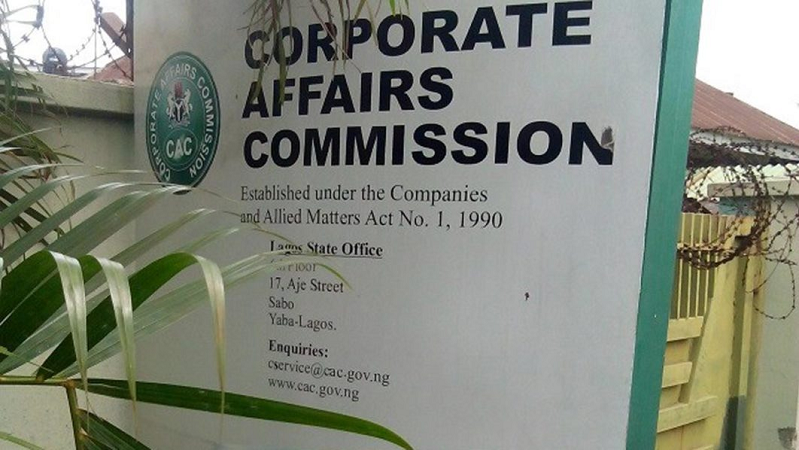
Nigeria’s Corporate Affairs Commission (CAC), has issued a new directive to Nigerian startups with foreign participation, to have a minimum paid-up capital of N100 million.

The commission via a public notice, announced that existing companies with foreign participation that have less than N100,000 paid-up capital are advised to comply within six months from the date of the notice, failure to do so will force the compulsory winding-up of companies.

The notice reads,

“The Commission wishes to notify the General Public that it has in line with the Revised Handbook on Expatriate Quota Administration (2022), commenced the implementation of the requirement of N100,000,000 (One Hundred Million Naira) MINIMUM PAID-UP CAPITAL for Companies with foreign participation.

“Accordingly, any application for incorporation of a company having foreign participation shall not be processed unless it complies with the above requirement. Existing Companies with foreign participation that have less than N100,000,000 paid-up capital are hereby advised to ensure compliance with the above requirement not later than six (6) months from the date of this notice, failing which the Commission shall commence proceedings for the compulsory winding-up of the Companies under Section 571 (e) of the Companies and Allied Matters Act 2020.”

This new directive by the CAC is likely implemented to ensure financial robustness and stability, potentially reflecting regulatory efforts to fortify the economic resilience of startups with international investment involvement. Prior to this time, the minimum share capital requirement was 10 million naira.

While this new requirement may be intended to protect the interest of stakeholders, enhance corporate governance, and contribute to the overall economic stability of the country, it has however sparked mixed reactions from Netizens.

Check out some reactions from Netizens on X,

@Ashley Smith wrote,

“This requirement is hugely prohibitive. A startup with foreign co-founders are better off registering abroad, opening a bank account abroad, and paying local talent as contractors. Meanwhile, NG will lose out on the tax rev. What’s the purpose here??”

@Malachy Odo wrote,

“Foreign companies are shutting down and fleeing from the company but CAC is asking the few companies with foreign participation to up their share capital by N100M!!! Tone deaf”.

@Good_citizins wrote,

“It’s concerning to see Nigeria’s Corporate Affairs Commission set a high minimum paid-up capital of N100m for foreign-involved companies. In a time when Nigeria desperately needs foreign investments, this policy can deter potential investors. More flexible strategies are needed.”

@Arome Abu wrote,

“I hear that by January 2024, already existing companies with foreign participation may be given a deadline to increase their share capital from 10 million naira to 100 million Naira or risk penalties. The only solution in the event of inability to increase share capital might be to remove the foreigner(s) as Directors and appoint Nigerians”.

The CAC’s move signifies a significant shift in the regulatory framework, aiming to balance foreign participation with financial stability within Nigeria’s startup ecosystem.