DD
MM
YYYY

PAGES

DD
MM
YYYY

spot_img

PAGES

Home Blog Page 3992

Alibaba releases AI Models Qwen-7b and Qwen-7B-Chat

0

Alibaba, one of the largest e-commerce and technology companies in the world, has announced the release of two new artificial intelligence models: Qwen-7b and Qwen-7B-Chat. These models are based on the Transformer architecture, which is a neural network model that uses attention mechanisms to learn the relationships between words and sentences in a text. The Transformer architecture enables the models to capture the semantic and syntactic features of natural language and to generate high-quality texts.

Qwen-7b is a general-purpose model that can handle multiple natural language processing tasks with high accuracy and efficiency. It has 7 billion parameters, making it one of the largest models in the industry. Qwen-7b can achieve state-of-the-art results on several benchmarks, such as GLUE, SQuAD, and RACE. It can also generate fluent and coherent texts on various topics and styles, such as news articles, product reviews, and creative writing.

Qwen-7B-Chat is a specialized model for conversational AI applications. It has 7 billion parameters as well, but it is fine-tuned on a large corpus of dialogues from different domains and scenarios, such as customer service, e-commerce, social media, and entertainment. Qwen-7B-Chat can generate natural and engaging responses that are relevant to the context and the user’s intention. It can also handle complex dialogues that involve multiple turns, entities, and emotions.

Alibaba claims that these models are the result of years of research and development in the field of natural language processing. They are also part of Alibaba’s vision to create a more intelligent and convenient online platform for its customers and partners. Alibaba plans to make these models available for public use through its cloud computing service, Alibaba Cloud. It also hopes to collaborate with other researchers and developers to explore new applications and innovations based on these models.

Qwen-7b is a large-scale pre-trained language model that can handle various natural language tasks, such as text summarization, sentiment analysis, machine translation, and question answering. It is trained on a massive corpus of Chinese text data. Qwen-7b claims to achieve state-of-the-art results on several natural language benchmarks, surpassing previous models such as BERT and ERNIE.

Qwen-7B-Chat is a conversational AI model that can generate fluent and coherent responses for open-domain dialogue systems. It is based on Qwen-7b, but with additional training on dialogue data and fine-tuning on specific domains and it can also switch between different styles and tones, such as formal, casual, humorous, and emotional.

Alibaba said that the two models are part of its vision to build a “digital brain” that can understand and interact with humans in natural ways. The company also said that it will make the models available for researchers and developers to use and explore. Alibaba hopes that the models will enable new applications and innovations in various fields, such as e-commerce, education, health care, and entertainment.

Alibaba invests in AI in various ways. It has established its own research institute called DAMO Academy, which focuses on data intelligence, IoT, human-machine interaction, and quantum computing. It has also invested in several AI start-ups, such as SenseTime, which specializes in facial recognition technology, and Megvii, which develops computer vision solutions. Alibaba also uses AI to support its core businesses, such as e-commerce, cloud computing, logistics, and finance.

Binance Labs, Sequoia China and Others Invest $2.5 Million on ZKPass

0

ZKPass, a startup that aims to provide decentralized identity and access management solutions, has raised $2.5 million in a seed round led by Binance Labs, the venture arm of the leading cryptocurrency exchange. Other investors include Sequoia China, Dragonfly Capital, HashKey Capital, and LongHash Ventures.

ZKPass leverages zero-knowledge proofs, a cryptographic technique that allows users to prove their identity or access rights without revealing any sensitive information. The startup claims that its solution can enable secure and privacy-preserving authentication for various applications, such as decentralized finance (DeFi), non-fungible tokens (NFTs), and Web 3.0 platforms.

According to ZKPass, the current identity and access management systems are centralized and vulnerable to data breaches, identity theft, and censorship. Moreover, they often require users to share their personal data with third parties, which can compromise their privacy and expose them to surveillance.

ZKPass aims to solve these problems by creating a decentralized and user-centric identity and access management system that is based on blockchain and zero-knowledge proofs. Users can create their own digital identities and credentials, which are stored on their devices and verified by the ZKPass network. Users can then use these credentials to access various services without disclosing any personal information or relying on intermediaries.

ZKPass also plans to launch a decentralized autonomous organization (DAO) that will govern the development and operation of the network. The DAO will allow users and stakeholders to participate in the decision-making process and benefit from the network’s growth.

The seed funding will help ZKPass accelerate its product development and expand its team. The startup also intends to collaborate with Binance Labs and other investors to explore potential use cases and partnerships in the crypto space.

“We are thrilled to have the support of Binance Labs and other leading investors in our mission to build a decentralized identity and access management system for the Web 3.0 era,” said ZKPass co-founder and CEO, Chen Yu. “We believe that ZKPass can empower users to take control of their own identity and data, while enabling developers to create more secure and user-friendly applications.”

“Binance Labs is always looking for innovative projects that can advance the crypto industry and benefit the users. We are impressed by ZKPass’s vision and technology, which can enable a new level of security and privacy for Web 3.0 users,” said Binance Labs director, Ling Zhang. “We are excited to support ZKPass in their journey to create a more decentralized and inclusive internet.”

Binance, the world’s largest cryptocurrency exchange by trading volume, has announced that it has reached 150 million registered users on its platform. This milestone comes as the company celebrates its fourth anniversary and continues to expand its global presence and offerings.

In a blog post published on August 3, 2023, Binance CEO Changpeng Zhao (CZ) thanked the Binance community for their support and trust over the years. He also shared some insights into the company’s vision and achievements, as well as the challenges and opportunities ahead.

CZ said that Binance’s growth was driven by its core values of freedom, innovation, and inclusion. He highlighted some of the company’s initiatives and products that aim to democratize access to crypto and blockchain technology, such as Binance Smart Chain, Binance Launchpad, Binance Academy, Binance Charity, and more.

He also acknowledged the regulatory and compliance issues that Binance has faced in some markets and reiterated the company’s commitment to work with regulators and industry partners to foster a sustainable and healthy crypto ecosystem. He said that Binance is constantly improving its systems and processes to meet the highest standards of security, transparency, and responsibility.

CZ concluded his post by expressing his gratitude to the Binance team, partners, and users for their dedication and contribution to the crypto space. He said that Binance will continue to innovate and serve its users with the best products and services possible. He also invited everyone to join Binance’s anniversary celebration events and activities, which include a live AMA session with CZ, a $100,000 giveaway, and a special NFT collection.

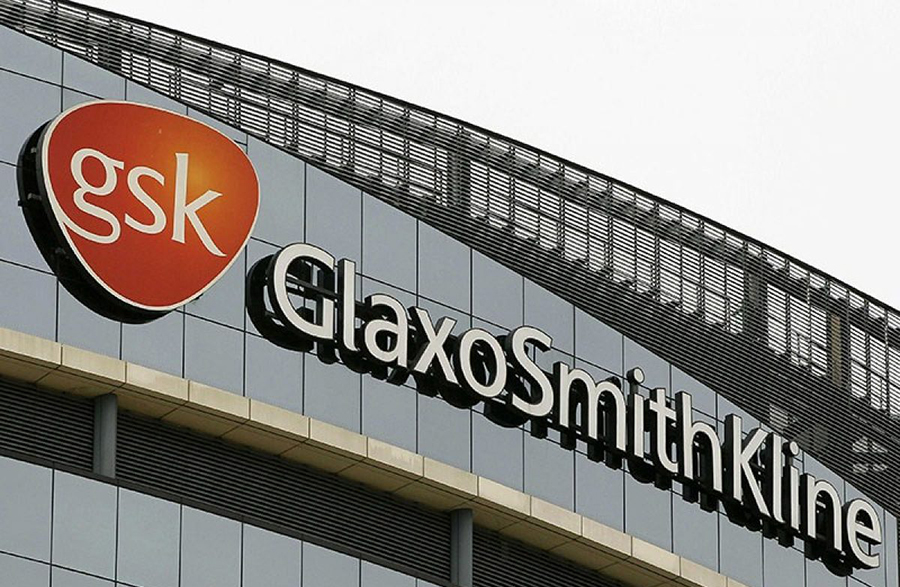
GSK Group is Winding Down Operations in Nigeria, Citing Forex Crisis

0

GSK UK Group is winding down operations in Nigeria, the company has announced, after citing the impact of the country’s forex crisis on its business earlier.

In an official statement signed by the Company Secretary Frederick Ichekwai, which was sent to the Nigeria Exchange Limited (NGX), the company informed GlaxoSmithKline Consumer Nigeria PLC of its strategic intent to cease commercialization of its prescription medicines and vaccines in Nigeria.

In a statement sent to Nigeria Exchange Limited on 3rd August 2023, the company emphasized that all necessary legal proceedings would be met as regards employees and shareholders.

“Today we are briefing our employees whom we will treat fairly, respectfully and with care, meeting all applicable legal and consultation requirements,” the company said.
“The Board is conscious that shareholders will have many questions; we have been working assiduously with our professional advisors to agree on next steps and we will be shortly submitting to the Securities and Exchange Commission (“SEC”) a draft Scheme of Arrangement which may, if approved, see shareholders other than GSK UK, receive an accelerated cash distribution and return of capital.”

Per its unaudited financial statement for HY 2023, the company has revealed plans to engage a local third-party distributor in Nigeria for the distribution of its consumer healthcare products. The Board expresses gratitude for the support of the GSK Group in this endeavor, and we aim to share comprehensive details in the near future.

“However, it’s important to note that we cannot guarantee the ultimate terms of the scheme or its approval by the SEC or shareholders at this time.
“Shareholders are advised to seek professional advice and continue to exercise caution when dealing in the company’s shares until a further announcement is made,” the company said.

GSK has become the latest victim of Nigeria’s forex crisis, which the government has tried to solve by deregulating the FX market. Shareholders, in an effort to save the company, had called for the intervention of the board and the federal government.

“I fear that there is a rumor going on that GSK is closing down our production manufacturing here (in Nigeria) and then transmitting it to a Distributor and that we would only be importing the drugs into this country.

“We have read what happened in Kenya and we are worried. GSK Nigeria has been a good citizen and a good neighbor and we are all together as shareholders, we have been part of it,” Moses Igbrude, national coordinator, of the Independent Shareholders Association of Nigeria (ISAN) was quoted as saying.

Lamenting about the impact of the FX challenge on the availability of drugs in Nigeria, GSK noted earlier that it’s trying to “limit the period of time the market will be out-of-stock on our products” as it was a priority for patients to get access to their medicines and vaccines.

However, efforts by the company, including engaging with all stakeholders to find a solution to enable a sustainable supply of GSK medicines and vaccines to patients in Nigeria, failed. The development is expected to result in another wave of job losses.

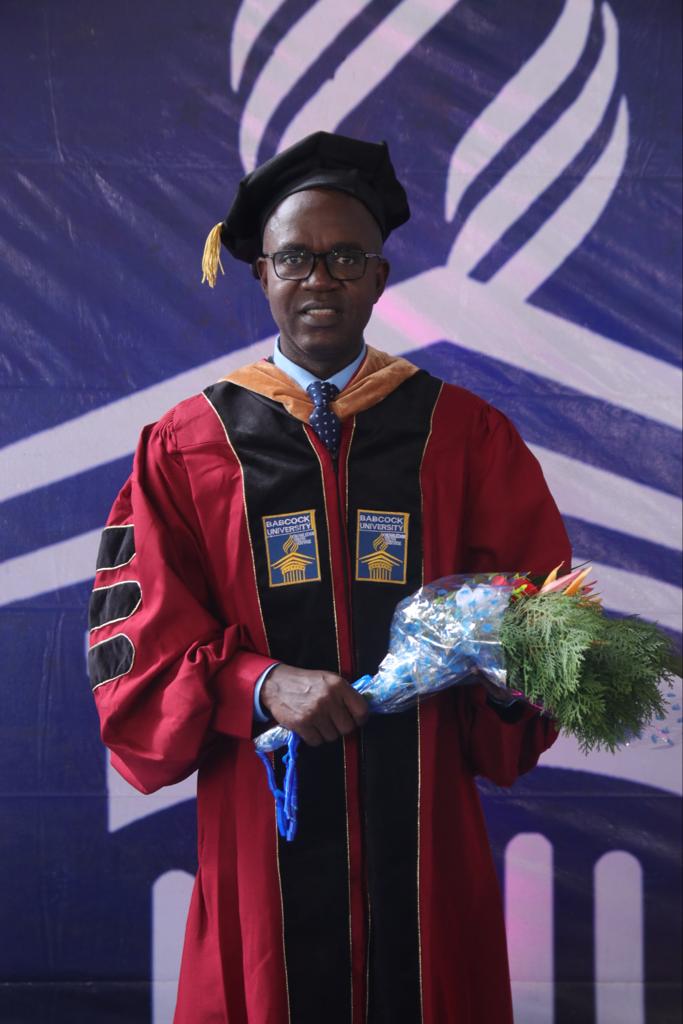
Tekedia Institute Congratulates Our Faculty, Emmanuel Agu, for Completing His PhD

0

He elevates brands, turning them into outperformers. And we enjoyed together one of the finest traditions in Federal University of Technology Owerri (FUTO): the Vice Chancellor’s University Scholar Award ceremony. On the matriculation day, before the world, the Vice Chancellor would call all the current best graduating students by department and year to the podium, and then announce: “For the last academic session, these are the best students in FUTO.” On one of those occasions, I connected with Emmanuel Agu, Ph.D.

He took that FUTO excellence to the markets, and he is winning awards for firms as a marketing director in many companies. We asked him to develop a course for Tekedia Institute on “Consumer Marketing in the FMCGs Sector”. He did; close to 8 hours of videos. It is so comprehensive that some lecturers who enrolled in our program asked for rights to use his work. You cannot find any better module on consumer marketing.

Then, I went to Emmanuel and challenged him: why not get a PhD? The effort he put in that course was legendary. Today, I am very excited to announce that he did, and is now a DOCTOR, joining the club.  Join me to congratulate him for completing his PhD (Marketing) at Babcock University Nigeria with the highest grade in his graduation class. Faculty, we #salute.

A Manhattan judge has ruled that certain Crypto assets are Securities

0

In a landmark decision, a federal judge in New York has ruled that some digital tokens sold by a blockchain company in 2017 are securities under the Securities Act of 1933. The ruling could have significant implications for the regulation of the crypto industry and the enforcement of securities laws.

The case involves Kik Interactive, a Canadian company that raised $100 million through an initial coin offering (ICO) of its Kin tokens in 2017, and has been one of the most prominent players in the blockchain space. The company’s vision was to create a decentralized ecosystem of digital services that would enable users to earn and spend Kin on various platforms and applications.

However, the company faced several challenges and controversies along the way, such as regulatory scrutiny, legal battles, and technical issues. The U.S. Securities and Exchange Commission (SEC) sued Kik in 2019, alleging that the ICO was an unregistered offering of securities that violated the Securities Act.

Kik argued that its Kin tokens are not securities, but rather a form of currency or utility that can be used on its platform to access various services and applications. Kik also claimed that it did not sell the tokens to the public, but rather to sophisticated investors who understood the risks and potential rewards of the project.

However, Judge Alvin Hellerstein of the U.S. District Court for the Southern District of New York rejected Kik’s arguments and granted summary judgment to the SEC. He found that Kik’s ICO met the criteria of an investment contract, which is a type of security under the Securities Act.

According to the judge, an investment contract exists when there is (1) an investment of money (2) in a common enterprise (3) with a reasonable expectation of profits (4) derived from the efforts of others. These criteria are known as the Howey test, based on a 1946 Supreme Court case.

Judge Hellerstein concluded that Kik’s ICO satisfied all four elements of the Howey test. He noted that Kik marketed its Kin tokens as an opportunity for investors to profit from the appreciation of the tokens’ value, which depended on Kik’s efforts to create demand and utility for the tokens. He also found that Kik created a common enterprise with its investors, as their fortunes were tied to the success or failure of the project.

The judge’s ruling is a major victory for the SEC, which has been pursuing enforcement actions against several ICO issuers for allegedly violating securities laws. The ruling also provides clarity and guidance for the crypto industry, which has been operating in a legal gray area for years.

However, the ruling does not mean that all crypto assets are securities. The judge emphasized that his decision was based on the specific facts and circumstances of Kik’s ICO, and that other digital tokens may have different characteristics and functions that could affect their legal status.

The ruling also does not end the litigation between Kik and the SEC. The next step is to determine the appropriate remedies and penalties for Kik’s violations, which could include disgorgement, injunctions, fines, and civil penalties. Kik has indicated that it plans to appeal the ruling to a higher court.

Canada is one of the most progressive countries when it comes to crypto regulation. The country has been actively developing and implementing a legal framework for the crypto industry, aiming to foster innovation and protect investors.

One of the main features of Canada’s crypto regulation is the distinction between security tokens and non-security tokens. Security tokens are digital assets that represent ownership or rights in an underlying asset, such as equity, debt, or revenue. Non-security tokens are digital assets that do not have these characteristics, such as utility tokens or cryptocurrencies.

Security tokens are subject to the existing securities laws and regulations in Canada, which require issuers to register with the securities regulators and file a prospectus or an exemption. Non-security tokens, on the other hand, are not considered securities and do not have to comply with these requirements.

However, non-security tokens may still fall under the purview of other regulators, such as the Financial Transactions and Reports Analysis Centre of Canada (FINTRAC), which oversees anti-money laundering and counter-terrorist financing rules. FINTRAC requires crypto businesses that deal with non-security tokens to register as money service businesses (MSBs) and follow certain reporting and record-keeping obligations.

Another aspect of Canada’s crypto regulation is the recognition of crypto exchanges as marketplaces. This means that crypto exchanges have to comply with the rules and standards applicable to marketplaces, such as fair access, transparency, and market integrity. Crypto exchanges also have to apply for recognition from the securities regulators or seek an exemption.

Canada’s stance on crypto regulation reflects its balanced approach to fostering innovation and protecting investors. The country has been proactive in creating a legal framework for the crypto industry, while also being responsive to the evolving nature and challenges of the sector.