Gold and silver prices surged to fresh record highs on Monday, extending a rally that has gathered remarkable momentum this year as investors retreat from risk assets and brace for mounting economic and political uncertainty.
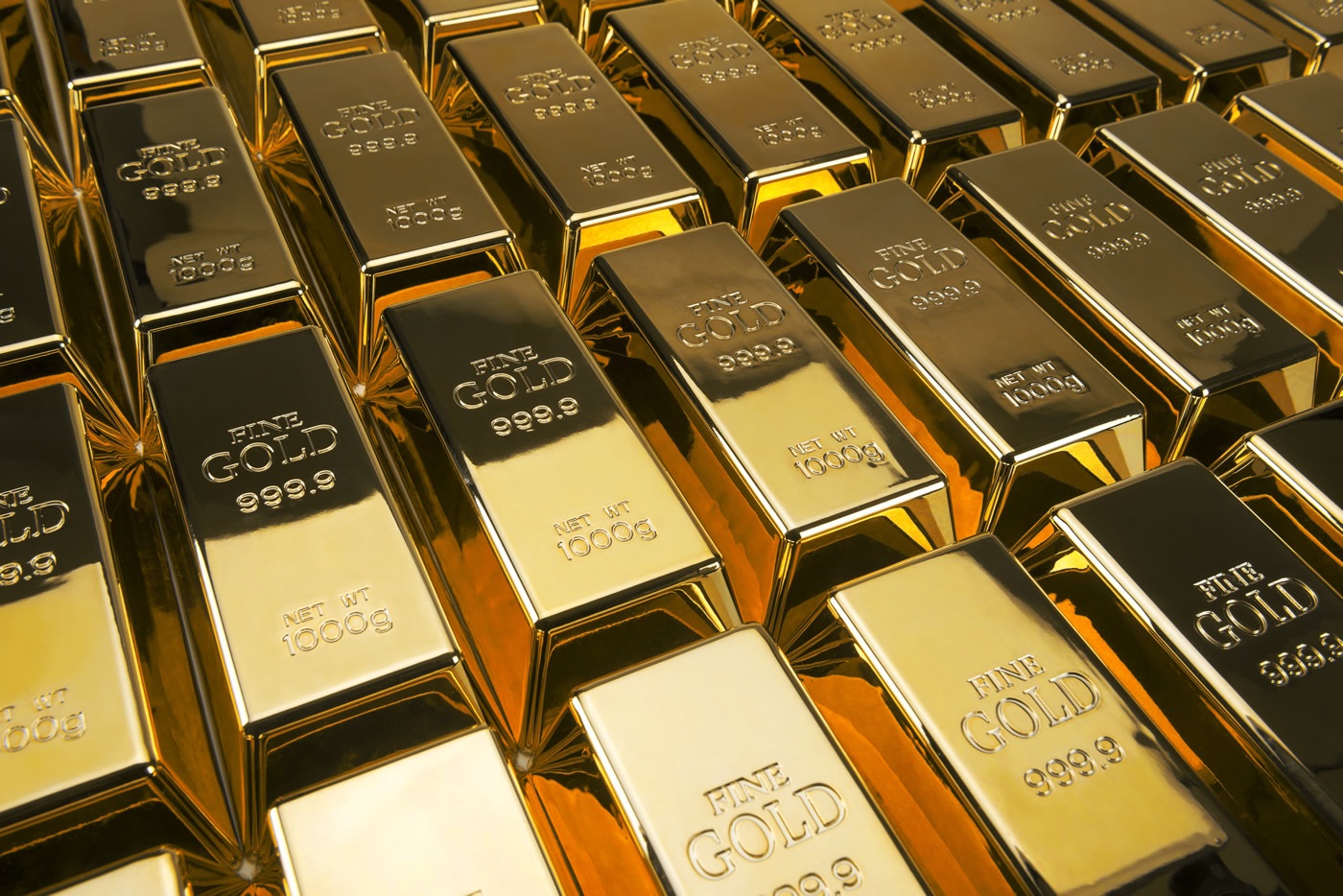
Gold futures for February delivery settled 1.9% higher at $4,469.40 per ounce after touching an intraday record of $4,477.70. Spot gold climbed nearly 2% to $4,440.26 per ounce. The precious metal is now up close to 70% since the start of the year, marking one of its strongest annual performances on record.
Silver followed gold’s lead, also breaking into uncharted territory. Futures prices hit $68.96 per ounce, while spot silver traded at $68.98. Silver’s rally has been even more dramatic, with prices up about 128% year-to-date, underscoring the extent to which investors are crowding into precious metals as alternative stores of value.
The surge reflects a broader shift in global markets. Risk assets have struggled to maintain momentum, even after the U.S. Federal Reserve delivered its widely anticipated interest rate cut on December 10, and a brief rebound lifted AI-related stocks in the previous session. Instead of chasing equities, many investors appear to be repositioning portfolios defensively ahead of what they expect to be a more volatile macroeconomic environment in 2026.
Gold’s traditional role as a safe-haven asset has come back into sharp focus amid concerns about slowing growth, geopolitical risks, and, increasingly, the sustainability of government finances. According to Matthew McLennan, head of the global value team at First Eagle Investments, swelling fiscal deficits across major economies have revived gold’s appeal as a monetary hedge.
“Due to outsized fiscal deficits in the U.S., U.K., Europe, and increasingly Japan and China, the monetary value of gold has arguably reemerged,” McLennan said in an interview on CNBC’s The Exchange on December 17.
He added that gold had moved from being undervalued relative to nominal assets used as hedges to a level he considers more rational, pulling other precious metals higher in the process.
“The value of gold as a monetary potential hedge has reemerged,” he said. “Gold went from being depressed relative to the nominal assets that you would want to use as a potential hedge against it, to more rationally valued. And I think the other precious metal complexes followed it higher with some leverage.”
Silver’s sharper gains reflect both its historical tendency to amplify gold’s moves and its growing role in industrial applications, including renewable energy and electronics. That dual demand profile has made silver particularly sensitive to both inflation expectations and long-term structural trends, further fueling investor interest.
The rally has also lifted mining stocks. In premarket trading in the United States, shares of gold and silver miners edged higher, with the iShares MSCI Global Gold Miners ETF rising nearly 2.7%, as investors bet that sustained high prices will boost cash flows and balance sheets across the sector.
Beyond inflation and growth concerns, attention is turning to U.S. monetary leadership. Investors are closely watching the race to nominate the next chair of the Federal Reserve, amid questions about the institution’s independence following repeated public pressure from President Donald Trump on current chair Jerome Powell. Markets are increasingly sensitive to any signal that political considerations could influence future monetary policy.
“What we’re quite focused on here is the long-term fiscal credibility of the United States,” McLennan said. “Because I think that is the condition precept for having an independent Fed and for having a rational chair.”
Labour market dynamics are another key variable. McLennan said wage inflation could shape the outlook for both interest rates and precious metals in the months ahead, particularly if job openings continue to rise alongside corporate earnings. Such a combination could complicate the Fed’s efforts to strike a balance between supporting growth and keeping inflation in check.
For now, gold and silver appear to be benefiting from a convergence of anxieties: ballooning deficits, uncertain monetary leadership, and unease about the durability of the global recovery. With prices already at historic highs and investor sentiment tilting defensive, precious metals are once again asserting themselves as a central pillar of portfolio protection rather than a peripheral hedge.