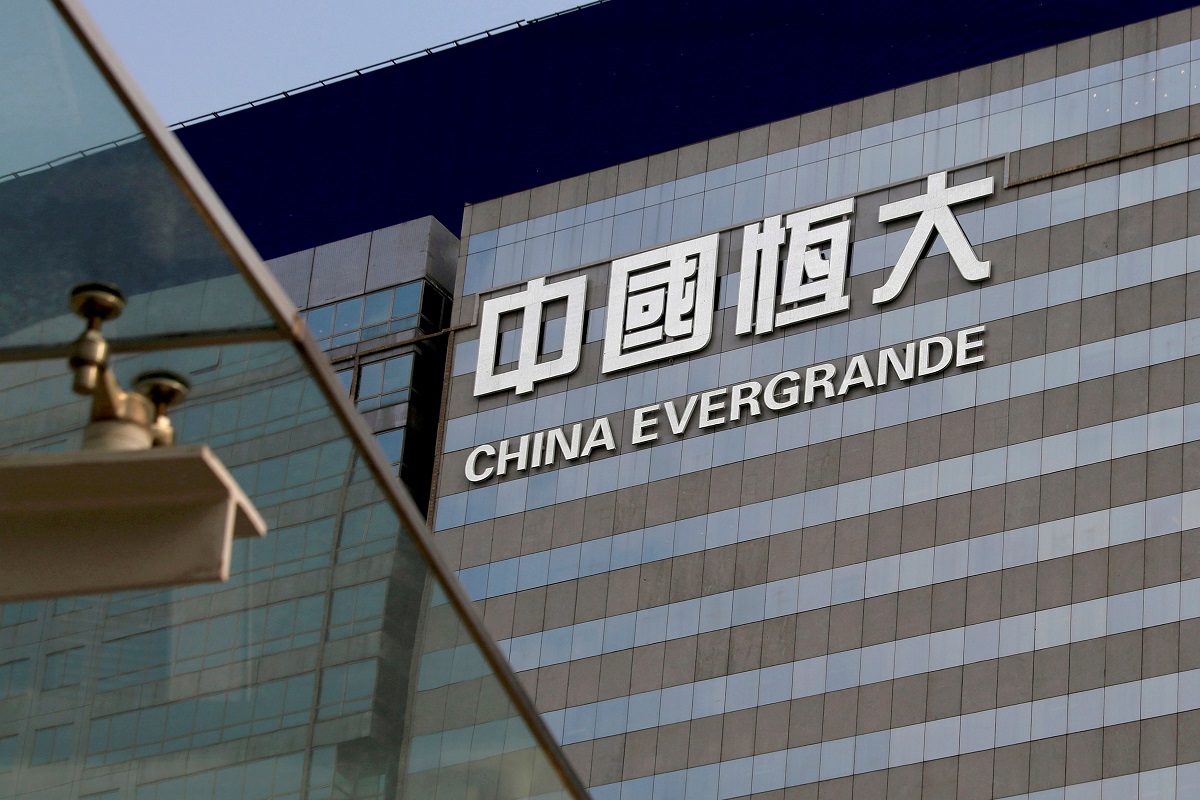
A Hong Kong court has rejected PwC International’s bid to be removed from a $8.5 billion lawsuit brought by the liquidators of China Evergrande Group, allowing claims over the auditing of the failed property developer to proceed against the global PwC coordinating entity.
The liquidators are seeking 57 billion yuan ($8.48 billion) in damages from PwC International, PwC Hong Kong and PwC’s China practice, alleging negligence in their audit work for Evergrande. PwC International’s maximum potential liability is estimated at 38 billion yuan.
The ruling does not determine whether PwC is ultimately liable. Instead, Deputy High Court Judge Patrick Fung said there were sufficient issues requiring further examination and that the liquidators should be allowed to proceed to trial and obtain documents and other evidence.
“I take the view that not all the facts are known and, hence, it is crucial that there should be discovery of documents and interrogatories administered, which I believe will throw more light on the case,” Fung wrote in Wednesday’s judgment.
“In such circumstances, the Plaintiff should not be driven from the judgment seat without a trial,” he added.
The decision represents an important procedural victory for Evergrande’s liquidators because it keeps PwC International within the proceedings and allows them to pursue evidence concerning the relationship between the global PwC organization and its Hong Kong and China operations.
In 2024, Chinese authorities handed down an unprecedented six-month suspension and imposed a hefty RMB 441 million ($62 million) fine on PwC China, after revelations that its auditors turned a blind eye to widespread financial misreporting at Evergrande. According to the Ministry of Finance, PwC China and its Guangzhou branch, which oversaw Evergrande’s mainland subsidiary, Hengda Real Estate, not only failed to flag “major mistakes” in the audit between 2018 and 2020 but also participated in distorting financial records, which significantly inflated Evergrande’s profits and obscured the company’s spiraling debt.
PwC International had argued during a May hearing that it should not be a defendant because PwC Hong Kong and PwC China were not its subsidiaries and because PwC International had never communicated with Evergrande.
The court nevertheless found at this stage that PwC International owed Evergrande “a duty of care.” That finding does not establish negligence or determine the damages ultimately recoverable, but it means the claim cannot be dismissed before a full examination of the evidence.
The liquidators welcomed the ruling while stressing that the court had not yet ruled on the substance of their allegations.
They said they would continue investigating Evergrande’s affairs and pursuing recoveries for creditors.
PwC International said it disagreed with the decision.
“PwCIL is the coordinating entity within the PwC network and has never provided any services to Evergrande or had any relationship with the company,” a spokesperson said. “PwCIL is confident that the claims against it have no merit. We are reviewing the Court’s decision and evaluating our legal options.”
The case is part of the wider fallout from Evergrande’s collapse, one of the most consequential failures in China’s property sector. The developer defaulted on most of its roughly $300 billion in liabilities before the Hong Kong High Court ordered it into liquidation in 2024.
Edward Middleton and Tiffany Wong of Alvarez & Marsal were appointed as liquidators and have been pursuing assets and potential claims as they seek to recover money for creditors.
The scale of the damages claim against PwC is significant. If successful, it could become one of the largest accounting-related liability cases to emerge from China’s property crisis and could have implications beyond the individual dispute, particularly for how responsibility is allocated within global professional-services networks.
The case also puts renewed attention on the role of auditors in Evergrande’s years of rapid expansion and mounting financial liabilities. The liquidators are effectively seeking to establish whether audit failures contributed to losses suffered by creditors and, if so, whether the PwC entities involved should compensate them.
For PwC International, the central issue is different: whether a global coordinating entity can be held responsible for alleged conduct involving legally separate member firms operating in Hong Kong and mainland China.
That question could make the eventual proceedings significant for the structure of multinational professional-services networks, which commonly operate through separate local partnerships or entities linked through a global organization.
The court’s decision means those questions will now be examined through further evidence rather than being resolved at the preliminary stage.
The ruling comes amid another major development in the Evergrande saga. Last week, founder Hui Ka Yan, once regarded as Asia’s richest man, was sentenced to life in prison by a Chinese court, which also ordered the confiscation of his personal property.
Hui’s conviction and the continuing liquidation proceedings underline the extraordinary scale of Evergrande’s collapse. The company expanded rapidly during China’s property boom before its debt burden became unsustainable, leaving creditors facing substantial losses.
The PwC case adds another potential avenue for recovery. But the liquidators still face the much harder task of proving their allegations at trial and establishing the extent of any financial responsibility.