Global manufacturing activity strengthened in August, with the artificial intelligence boom driving demand for semiconductors and computing equipment across Asia while a recovery in European orders pushed the euro zone’s factory sector to its strongest level in more than four years.
The improvement offers a more positive picture for global industry, although the outlook remains clouded by the prolonged U.S.-Iran conflict, disruptions around the Strait of Hormuz and rising input costs.
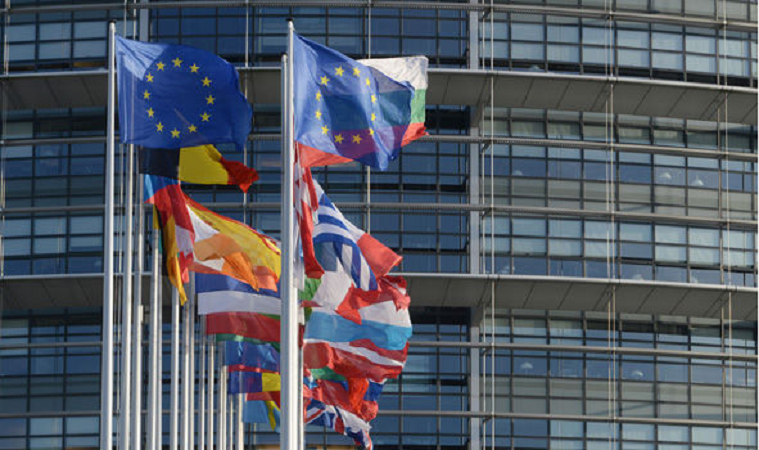
The euro zone recorded one of the strongest improvements. S&P Global’s Eurozone Manufacturing Purchasing Managers’ Index rose to 52.7 in August from 51.9 in July, marking its highest reading since May 2022. The figure was slightly below the preliminary estimate of 52.8 but remained comfortably above the 50 mark that separates expansion from contraction.
Germany led the recovery, with its manufacturing PMI climbing to 54.3, its strongest reading in more than four years. France also returned to expansion, with its PMI rising to 51.1 from below 50 in July.
The improvement was not uniform across the region. Italy recorded its first manufacturing contraction since January, while Spain also remained in contraction territory, suggesting that the euro zone’s recovery is still uneven.
“The resilience story is still going on,” said Carsten Brzeski at ING.
He said some European manufacturers were benefiting from the disruption affecting Asian competitors as the closure of the Strait of Hormuz altered global trade flows.
“It still reflects the fact European manufacturing companies, at least some of them, benefited from the fact Asian competitors are hurt more by the closure of the Strait of Hormuz,” Brzeski said.
The shipping disruption has weighed heavily on manufacturers because the Strait of Hormuz carried about a fifth of global oil supplies before the war began in late February. Efforts by Qatar and Oman to broker an agreement that would reopen the waterway have so far failed to produce a breakthrough.
For European factories, however, the stronger August readings come against a difficult energy backdrop. Higher oil and gas prices raise production and transportation costs, creating a risk that the manufacturing recovery could lose momentum if the conflict continues to disrupt energy markets.
Britain also remained in expansion, although its manufacturing PMI slipped to 51.7. A more encouraging feature of the British survey was employment, with factories increasing hiring at the fastest pace in more than two years as production requirements increased.
AI Drives Asian Manufacturing
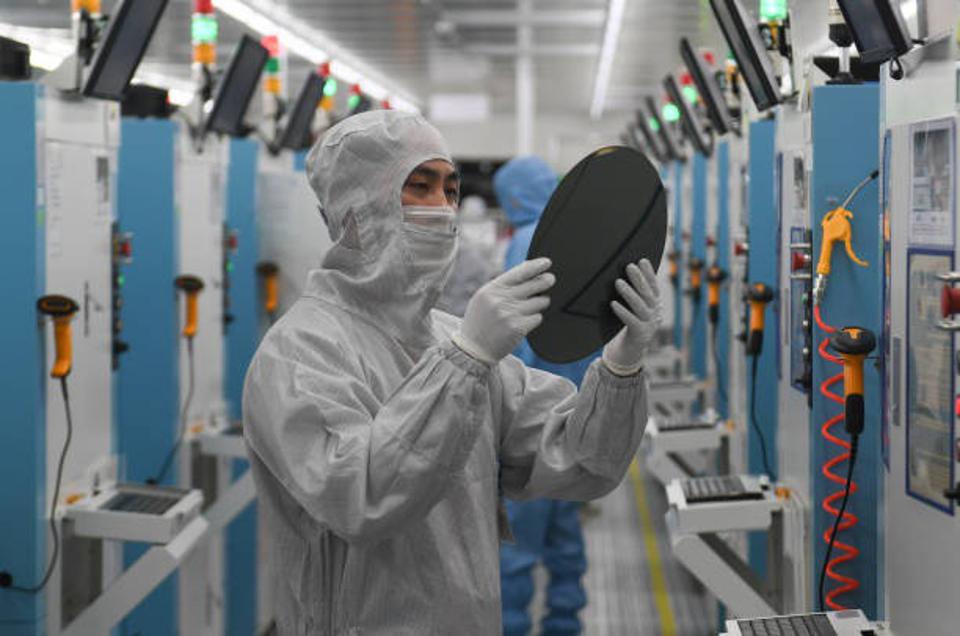
Asia presented a stronger picture, with China, Japan and South Korea all recording manufacturing growth as demand for AI infrastructure, semiconductors, computers and related equipment supported industrial production.
China’s RatingDog China General Manufacturing PMI, compiled by S&P Global, rose to 51.5 in August from 50.9 in July and exceeded the 51.0 median forecast in a Reuters poll.
The improvement points to the growing importance of AI-related demand in supporting China’s industrial economy. The picture remains fragile, however, as a separate official survey showed China’s broader factory activity remained in contraction.
Japan recorded an even stronger acceleration. Its manufacturing PMI rose to 54.9 from 54.5, the highest level since April, while new business expanded at its fastest pace since January 2018. The strength of new orders significantly indicates that the Japanese manufacturing recovery is being supported by actual demand rather than simply inventory rebuilding.
“Overall, the sector looks well placed to sustain its strong performance, particularly given demand linked to AI-related sectors,” said Annabel Fiddes, economics associate director at S&P Global Market Intelligence.
South Korea’s manufacturing PMI eased to 52.3 from 53.1 but remained above 50 for a ninth consecutive month. Separate trade data provided further evidence of the strength of the country’s technology exports.
South Korean exports surged 68.7% from a year earlier in August, extending their growth streak to 15 consecutive months. Semiconductor and AI-related products have been among the principal beneficiaries of the global technology investment cycle.
The contrasting regional performances highlight an increasingly important feature of the global manufacturing recovery: AI investment is creating a concentrated source of industrial demand even as conventional manufacturing remains exposed to trade tensions, energy costs and geopolitical disruptions.
For chipmakers and electronics manufacturers in Asia, the AI investment cycle is generating orders for advanced processors, memory, servers and networking equipment. That demand is helping offset weakness elsewhere in the industrial economy. For Europe, the recovery is coming from a different direction, with improving new orders and reduced competitive pressure providing some relief to manufacturers.
However, analysts believe the sustainability of the global upturn hangs on how strong AI demand remains to offset the drag from higher energy costs and geopolitical uncertainty. A prolonged disruption around the Strait of Hormuz could eventually feed into production costs worldwide, while any slowdown in technology investment would expose manufacturers that have become dependent on the AI spending cycle.