DD
MM
YYYY

PAGES

DD
MM
YYYY

spot_img

PAGES

Home Blog Page 4017

Most Apps Integrate Machine Learning

0

I recently posted something explaining the varied applications of machine learning in the workplace. But today, I decided to bring it home by showing you how you have already benefited from machine learning.

In the digital age, smartphones have become an integral part of our daily lives. From communication to entertainment, navigation to productivity, we rely on mobile applications for nearly every aspect of our routine. What many people might not realize is that machine learning, a subset of artificial intelligence, plays a pivotal role in the development of most mobile apps.

As we have noted before, Machine learning is a field of artificial intelligence that focuses on creating algorithms and models that enable computers to learn and make predictions or decisions based on data.

Now, let me show you how machine learning has been shaping your user experience across some mobile applications you use every day.

Personalized Recommendations

Apps like Netflix, Spotify, and Amazon use machine learning to analyze past interactions, preferences, and behaviors to suggest content or products you will likely enjoy. These recommendations are what keep you engaged and coming back for more. For instance, if you have a history of searching and watching romantic movies, crime thrillers, or reality shows, the app will make recommendations based on that data.

Speech Recognition

Credit: Forbes

Next time you ask Siri to put your mobile phone in Flight mode or set an alarm for the next hour, remember that Machine learning is at work again. Voice assistants like Siri, Google Assistant, and Bixby rely heavily on natural language processing (NLP) techniques, a subset of machine learning, to understand and respond to your voice commands accurately.

Image and Video Recognition

Credit: Medium

Apps like Instagram, Snapchat, and TikTok utilize machine learning to recognize and filter content, identify objects in photos, and apply augmented reality (AR) effects to enhance user experiences. You probably know this better than I can explain already.

Fraud Detection and Security

Mobile banking and payment apps employ machine learning to detect fraudulent activities by analyzing transaction patterns, login behavior, and user location data. This ensures the security of your financial information. Try logging into your Google account from another device and location and share your experience. The machine learning will trigger a security flag that will require you to provide answers to security questions, OTPs, and the like before granting you access.

Predictive Text and Autocorrect

Credit: Samsung

Your keyboard app, whether the default on your phone or a third-party alternative, uses machine learning to predict the next word or phrase you’re likely to type. This is not necessarily based on what you are typing but on what you have typed in the past. So if you commonly type “What’s up with you?” when chatting with friends, the keyboard will suggest the words in that other the next time you type what. This makes texting faster and more convenient.

Health and Fitness Tracking

Apps like Fitbit and MyFitnessPal utilize machine learning to analyze your activity data and provide insights into your health and fitness goals. These apps can even detect potential health issues based on your data. Even for women, some applications can predict critical dates in their next menstrual cycle using the data supplied over a few months.

Language Translation

Travel apps like Google Translate use machine learning to provide real-time language translation, making communication more accessible in a foreign country.

Social Media Content Ranking

Social networking apps like Facebook, Instagram, and Twitter employ machine learning algorithms to determine the content on your feed, prioritizing posts from friends and accounts you engage with the most. That is why you gradually stop seeing some friend’s posts if you fail to engage with them over time. The model takes your interaction data and concludes that you may no longer be friends.

Traffic and Navigation

Apps like Google Maps and Waze use machine learning to analyze real-time traffic data and provide the fastest route to your destination, helping you avoid traffic jams and save time.

Virtual Try-On

Many e-commerce apps offer virtual try-on features that use machine learning to simulate how products like clothing, makeup, or eyewear would look on you, enhancing the online shopping experience.

Concluding words

I said all this to say that machine learning has been with us for a while now, and we have been enjoying its benefits already. From enhancing personalization to improving security and simplifying everyday tasks, machine learning algorithms have become the driving force behind the success of countless mobile applications. And I can say that your mobile phone would not be of much use to you but for the machine learning features at play in the applications.

As technology advances, we can expect even more innovative and intuitive mobile experiences, all thanks to the power of machine learning. So, the next time you use your favorite app, remember that there’s a good chance that machine learning played a significant role in making it as user-friendly and effective as it is today.


There Is No Time Limit With Some Criminal Prosecutions

0

A popular hip-hop musician was assassinated in 1996 and some twenty-seven years later, someone was arrested and charged in connection with the murder just a few days ago. 

The news reported that “a self-described gangster, Duane “Keefe-D” Davis, who, according to police and prosecutors, masterminded the 1996 shooting death of Tupac Shakur in Las Vegas, made his first court appearance on a murder charge on Wednesday”.

I remember having a discussion with some mutual friends yesterday and they were asking me how it is even possible that someone was arrested after two and half decades over the murder of Tupac. 

One thing about crimes and criminal matters is once a case file has been opened over a crime and an investigation is commenced, the case file will not be closed until the matter has been concluded and the perpetrators arrested, charged and convicted. 

If a criminal case is yet to be solved, the case file will remain open and no matter how long it takes, the long arms of the law will always stretch to catch up with the perpetrators. 

It is quite important to note that unlike civil cases like land dispute, contract dispute etc where the case have to be solved or taken to court within a time frame if not the matter will be statute barred due to effluxion of time, there is no time limit, effluxion of time or statute barring on criminal cases. A murderer can be arrested, charged and convicted even a hundred years after the murder has been committed. The investigating police officer (IPO) or the investigating officer (IO) handling a criminal investigation can die, retire or get transferred to another unit and another officer can take over the investigation and continue from where the previous officer stopped. A criminal case file cannot be closed unless it is presumed that the matter has been totally solved. 

I think the Economic and Financial Crimes Commission’s infamous mantra that I used to hear some of my acquaintances working at the commission joke around with is “no matter how it takes, we will always get you”. Truth be told, there are some financial crimes and money laundering cases that happened years ago but the EFCC is still actively pursuing the case. It is if only the perpetrator is dead that he or she will no longer be arrested and charged. 

Despite the non-challant and corruption-infested attitude of the police in Nigeria, there are some murder cases in court now that the act took place some decades ago but the suspect has just been arrested and the prosecution just commenced. I remember a client telling me that he had even forgotten about the crime; he committed the crime some eight years ago while he was still at the University only for police to come knocking on his door to arrest him some eight years later after he had left university and even relocated out of that city to another city. 

That is how criminal investigations work sometimes, after the perpetrator thinks that he or she has gotten away with it, fresh evidence may pop up to pin the perpetrator to the crime. 


How ESG Initiatives Can Affect Business Bottom Line

0

For a long time, the ESG goals, particularly environmental and sustainability initiatives, have been made to appear like a simple situation of giving back to society. So, companies can spend millions and billions of naira (or dollars) on these initiatives without being able to explain to their stakeholders how it affects the bottom line. What I think has been the impact of these is that the company staff and stakeholders have begun to treat these projects like some charity initiative.

However, what I have come to observe is that Environmental, Sustainability, and Governance (ESG) goals and initiatives are no longer just ethical considerations. They are now recognized as influential drivers of a company’s financial performance. So, it’s not just about being nice and spending some of your profit to help society. These things affect the performance of the business. Here’s how.

Risk Mitigation

ESG initiatives help companies identify and mitigate risks associated with environmental, social, and governance factors. For example, a company (like Tesla) that reduces its carbon footprint is less vulnerable to future carbon taxes or regulations, which could result in significant cost savings. Similarly, strong governance practices can help prevent legal and compliance issues, reducing the financial impact of fines and legal battles on the business.

Cost Reduction

Many ESG initiatives, such as energy efficiency measures and waste reduction programs, can directly reduce operational costs. For instance, transitioning to renewable energy sources can lower energy expenses, and implementing sustainable supply chain practices can minimize waste and resource consumption. These cost savings can directly enhance a company’s profitability, given the expense reduction.

Revenue Growth

ESG initiatives can also drive revenue growth. As consumers become more conscious of sustainability and ethics, they may support and stick with companies that align with their values. This can increase sales and market share for businesses committed to ESG principles. Additionally, companies that develop innovative sustainable products or services may tap into new market segments.

Access to Capital

Investors are increasingly considering ESG factors when making investment decisions. Companies with strong ESG performance may find it easier to attract investment capital, often at more favorable terms. Conversely, companies with poor ESG records may face higher borrowing costs or difficulty accessing capital markets. This is particularly true for corporate governance. You may be less likely to attract investment funds or loans if you do not have a balanced governance structure or do not adhere to laid down corporate governance guidelines. Typically, the owners of these funds do not wish to take more risks than necessary.

Employee Attraction and Retention

Companies that prioritize ESG goals tend to be more attractive to top talent. Employees are increasingly seeking employers who share their values and provide a sense of purpose. Lower turnover and higher employee satisfaction can reduce recruitment and training costs, positively affecting a company’s bottom line.

Brand Reputation

This is the most obvious of all. A positive ESG reputation can enhance a company’s brand and customer loyalty. Companies committed to sustainability and social responsibility may command premium prices for their products and services, leading to higher profit margins. If consumers can see that, beyond making a profit, the company also cares for the sustainability of the environment and society in which it operates, it can enhance brand loyalty.

Long-Term Resilience

ESG initiatives encourage companies to think long-term and plan for future challenges. This can make a company more resilient in environmental, social, or governance disruptions. By investing in sustainable practices and responsible governance, a company can better weather crises and adapt to changing market conditions.

Regulatory Compliance

Governments and regulatory bodies are increasingly imposing ESG-related requirements. Companies that proactively address these requirements are less likely to incur fines or penalties, reducing the financial impact of non-compliance.

Supply Chain Stability

ESG initiatives focusing on supply chain transparency and resilience can reduce the risk of supply disruptions due to environmental or social factors. A stable supply chain is critical for maintaining production and sales, which can affect a company’s financial performance.

In conclusion

I have said all these to say that ESG goals and initiatives are not just about society; they also help the company’s finances. Undoubtedly, the world is becoming increasingly ESG-conscious. While the immediate financial benefits may not always be evident for the business, the long-term advantages in risk management, cost reduction, revenue growth, and access to capital can significantly contribute to a company’s overall profitability and sustainability.

Companies that embrace ESG as an integral part of their strategy are better positioned to thrive in the evolving business landscape. No matter the size of your business, you must take them seriously if you are in for the long haul. It may be as simple as working on the drainage system in the community where your business is located, giving out scholarships annually, or aligning your production ethics with one of the SDGs. The point is that you should not just be on a profiteering drive at the expense of the ESGs.

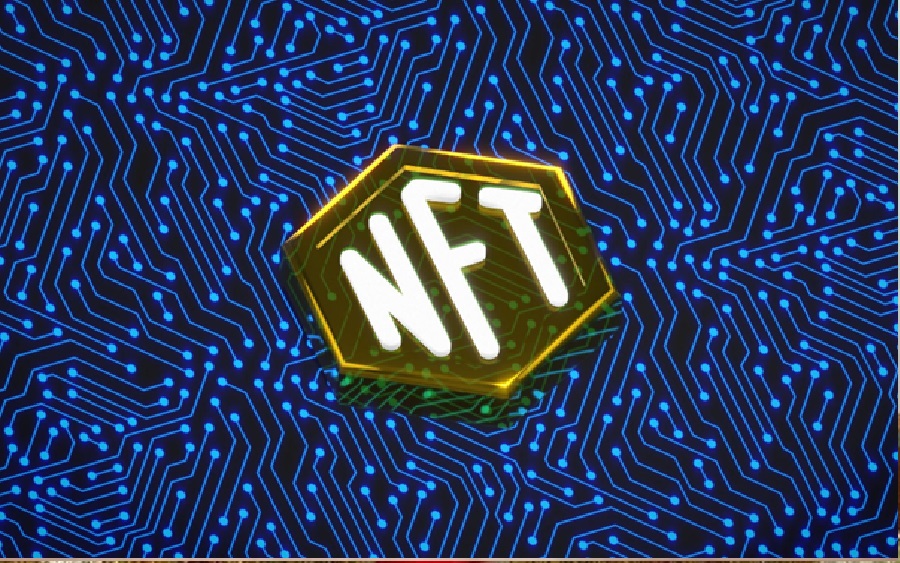
95% of NFTs are “Worthless”

0

A recent article titled “95% of NFTs are worthless” has sparked a lot of controversy and debate in the crypto community. The article, published by a website called CryptoArt.io, claims to have analyzed over 10,000 NFTs sold on various platforms and found that only 5% of them have any resale value. The rest, according to the article, are either unsold, delisted, or sold for less than the original price.

Non-fungible tokens (NFTs) are digital assets that represent unique and scarce items, such as artworks, collectibles, games, music, and more. NFTs are created and traded on blockchain platforms, such as Ethereum, that provide verifiable proof of ownership and authenticity. NFTs have gained popularity and attention in recent years, especially after some high-profile sales, such as the $69 million auction of Beeple’s digital collage “Everydays: The First 5000 Days” at Christie’s in March 2021.

However, not everyone is convinced that NFTs have real value or potential. Some critics argue that NFTs are overhyped, speculative, environmentally harmful, and vulnerable to fraud and theft. In this blog post, we will examine some of the main arguments for and against NFTs, and try to answer the question: are NFTs worthless?

One of the main appeals of NFTs is that they are scarce and expressive. Unlike fungible tokens, such as cryptocurrencies, that are interchangeable and divisible, NFTs are unique and indivisible. This means that each NFT has its own identity and history, and can represent something meaningful and personal to its creator and owner. For example, an NFT can capture the artistic vision of a digital artist, the sentimental value of a family photo, or the cultural significance of a meme.

Moreover, NFTs are scarce because they are limited in supply and demand. The supply of NFTs is determined by the creators, who can decide how many copies or editions of their work to mint as NFTs. The demand for NFTs is driven by the collectors, who can bid for their desired NFTs in online marketplaces or auctions. The scarcity of NFTs creates a sense of exclusivity and prestige for the owners, who can prove their ownership and display their collection to others. Therefore, NFTs are valuable because they are scarce and expressive, and they can enable new forms of creativity, ownership, and exchange in the digital world.

One of the main criticisms of NFTs is that they are not really owned or unique. Unlike physical assets, such as paintings or sculptures, that are tangible and durable, NFTs are intangible and dependent on external factors. For instance, an NFT does not contain the actual digital file or data of the item it represents, but only a link or reference to it.

This means that the owner of an NFT does not have full control or access to the underlying item, which can be copied, altered, deleted, or lost by the creator or a third party. Moreover, an NFT does not grant any legal rights or protections to the owner, such as copyright or trademark rights, unless explicitly stated by the creator or agreed upon by the parties.

Furthermore, NFTs are not really unique because they can be replicated or duplicated by anyone. For example, an NFT of a digital artwork can be easily screenshot or downloaded by anyone who sees it online. Even if the original creator mints only one copy of their work as an NFT, nothing prevents another person from creating a similar or identical work and minting it as a different NFT.

Additionally, some NFTs are based on existing works or assets that are not original or owned by the creators, such as public domain images, licensed characters, or real-world objects. Therefore, NFTs are worthless because they are not really owned or unique, and they can be easily copied or counterfeited by anyone.

However, the article portraying NFT has worthless was criticized based off its methodology and conclusions by many experts and enthusiasts who point out several flaws and biases in the analysis. Some of the main criticisms are:

The article only considers NFTs that are sold on secondary markets, ignoring the primary sales and auctions that often fetch higher prices and reflect the true demand and value of the NFTs.

The article uses a narrow definition of value, focusing only on the monetary aspect and ignoring the artistic, cultural, and social value that NFTs can have for their creators and collectors.

The article does not account for the diversity and complexity of the NFT market, which includes different genres, styles, formats, and platforms. The article treats all NFTs as homogeneous and comparable, which is not the case in reality.

The article does not acknowledge the novelty and innovation of the NFT space, which is still evolving and experimenting with new forms of expression and interaction. The article assumes that the current state of the market is final and definitive, which is not true for any emerging technology or industry.

Therefore, the article’s claim that 95% of NFTs are worthless is not only inaccurate but also misleading and harmful. It undermines the creativity and potential of the NFT space, which is one of the most exciting and promising developments in the digital art world. It also discourages new artists and collectors from exploring and participating in this new medium, which is open, inclusive, and empowering.

NFTs are not worthless. They are valuable in many ways that go beyond money. They are expressions of individuality, identity, and community. They are manifestations of culture, history, and vision. They are experiments with technology, art, and economy. They are not just tokens. They are stories.

“Bitcoin’s Volatility and Its Economic Consequences”

0

Bitcoin’s volatility derives primarily from its lack of intrinsic value and the speculative nature of its market, where the price is largely driven by supply and demand. Despite its decentralized nature, Bitcoin is susceptible to significant price fluctuations due to influential market players, regulatory news, and technological advancements. You can also explore https://quantum-ai.io/ for further information.

While this volatility can present lucrative trading opportunities for speculators, it can have serious economic consequences. For instance, Bitcoin’s unstable price can create uncertainty in the economy, especially if businesses and individuals begin to accept it as a standard form of payment. This could lead to unpredictable fluctuations in revenues and purchasing power, impacting economic stability.

Furthermore, Bitcoin’s volatility may also create financial risks for investors. As the value of Bitcoin can rapidly decline, investors may experience substantial losses. This could lead to a decrease in consumer confidence and overall investment, potentially causing economic stagnation or recession. While Bitcoin and similar cryptocurrencies hold great potential, their volatility remains a significant economic concern that needs to be addressed.

What risks could arise from the potential societal shift towards valuing virtual currencies over tangible assets?

The shift towards valuing virtual currencies over tangible assets could give rise to a number of concerning risks. Firstly, the absence of a physical form implies that digital currencies are vulnerable to technical glitches, hacking, and digital theft. Unlike physical assets, if your digital wallet is compromised, recovery or compensation of lost assets can be extremely challenging.

Secondly, the decentralized and unregulated nature of virtual currencies leaves them free from governmental control and oversight. This could lead to misuse for illegal activities, such as money laundering or funding illicit trade. Without a central authority, tracking these transactions becomes incredibly difficult, potentially causing societal and economic disruptions.

Lastly, the valuation of digital currencies is often speculative and can fluctuate wildly. This would make them less reliable as a store of value compared to tangible assets, like gold or property, which have intrinsic value and are less subject to dramatic price changes. This could trigger financial instability, especially if an increasing number of people start investing their savings into these volatile digital currencies.

In what ways could the promotion of quick wealth through Bitcoin investments lead to unrealistic expectations and financial hardship?

The promotion of quick wealth through Bitcoin investments can foster unrealistic expectations among the general public. People may view cryptocurrency investment as a quick route to financial freedom, neglecting the inherent risks associated with such volatile markets. Potential investors may be drawn in by success stories without a clear understanding of the market dynamics, leading them to invest more than they can afford to lose, in the hope of replicating these successes.

Another concern arises when these unrealistic expectations prompt reckless investment behaviours. Some individuals may be tempted to take on excessive debt or exhaust their savings to invest in Bitcoin, putting their financial stability at risk. If the value of Bitcoin suddenly drops, these investors could find themselves in significant debt or without any savings, leading to severe financial hardship and stress.

Moreover, the notion of quick wealth could also result in a lack of financial diversification. Investors might put all their money into Bitcoin, neglecting other investment avenues such as stocks, bonds, or real estate. This lack of diversification can be risky as it increases the potential for significant financial loss. If Bitcoin’s value takes a hit, these investors stand to lose a substantial portion of their investment, which again can lead to financial hardship.

Final Words

While the world of cryptocurrencies continues to lure with its digital charm and promises of exponential returns, it’s crucial to remember the inherent risks involved. Investors must conduct thorough research and understand the nuances of the market before diving in. Cryptocurrencies, owing to their volatile nature, should not be viewed as a ‘get rich quick’ scheme but rather as part of a diversified investment portfolio.

Educating oneself about the ins and outs of cryptocurrency trading, understanding the technology behind it, and keeping abreast of regulatory changes can go a long way in making informed investment decisions. Moreover, potential investors should also consider seeking advice from financial advisors to understand the potential risks and rewards associated with crypto investments.