DD
MM
YYYY

PAGES

DD
MM
YYYY

spot_img

PAGES

Home Blog Page 402

Legacy Revolution: How Cloud Migration Services Transform Old Technologies into Business Assets of the Future

0

Many companies today resemble the owners of old castles. Their walls are built solidly, but time is relentless: the bricks crack, the doors no longer close so tightly, and the costs of repairs increase every year. In the IT world, these walls are becoming outdated systems: Ubuntu 16.04, Oracle DB 11g, VMware vSphere 6.7, and others.

Once they were the foundation of the business, guaranteed stability and productivity. But today their life cycle is coming to an end: manufacturers are ending support, security patches are no longer released, and the cost of maintenance is only increasing.

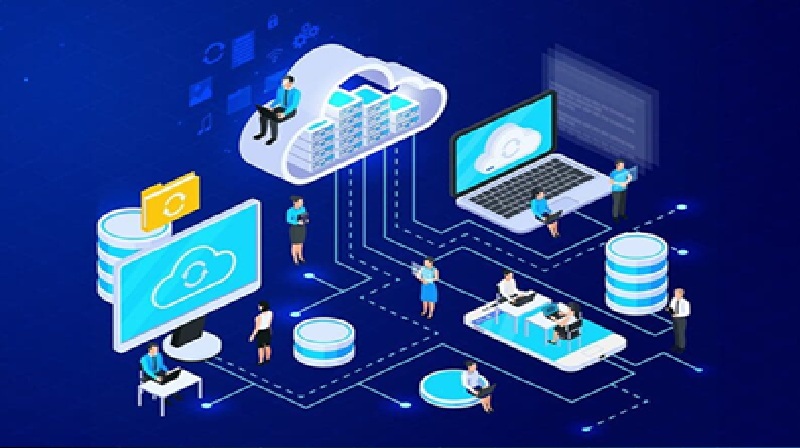
This is where the concept of Legacy Revolution comes into play — the process when, with the help of cloud migration services old technologies are transformed into modern business assets. This is not just a technical operation, but a strategic step that opens the door to the future for companies.

The Cloud as a New World for Business

Moving to the cloud is like moving from a medieval castle to a modern city. Where each tower and wall used to require separate maintenance, today the infrastructure is scalable, automated, and managed.

Cloud migration services enable companies to:

  • reduce costs with a pay-as-you-go model;
  • ensure business continuity through high availability and redundancy;
  • integrate DevOps practices, CI/CD, and automatic updates;
  • improve security and compliance.

But the path to this world is not easy. It requires a plan, experience, and a trusted guide.

How a migration strategy is born

The journey to the cloud begins with a dialogue:

  • The company assesses what exactly works in the old environment: which OS versions, which databases, which integrations.
  • Do you need speed of scaling, is it more important to optimize costs, or does the business seek greater flexibility?
  • The choice between approaches.
  • Rehost (lift-and-shift). Fast migration as is.
  • Minimal changes to work in the cloud.
  • Refactor/Rebuild. Complete modernization with the transition to a cloud-native architecture.

The choice depends on the company’s strategy: sometimes it is enough to migrate VMware to the cloud without changes, sometimes it is necessary to rebuild the entire business logic for microservices.

Challenges to overcome

Migrating an old stack is always a challenge.

  • Outdated software: Ubuntu 16.04 and Oracle DB 11g are no longer supported, which creates security risks.
  • Dependencies: One system can be integrated with dozens of others, and any failure will create a chain reaction.
  • Downtime: The business cannot stop, even for a few hours.
  • Budget: Costs must be controlled and predictable.

This is where the value of an experienced partner is revealed, a company that has been this way many times and knows how to minimize risks.

Journey metaphor: the castle and the city

Imagine that your IT infrastructure is a castle. It has:

  1. Dark basements. Oracle databases that store data treasures;
  2. Old rooms. Ubuntu servers that are working but already in need of repair;
  3. Tall towers. VMware virtual machines that still hold their ground.

Modern cloud migration services are becoming the guides who say:

“We will move your castle to a modern city. There, the walls will be automatically repaired, the rooms will scale as needed, and the towers will turn into cloud services that work 24/7.”

How the old stack is transformed

1.   Ubuntu

Migrating from Ubuntu 16.04 to newer LTS versions in the cloud ensures relevance until 2027, access to modern kernels and regular updates. Servers become flexible and secure.

2.   Oracle DB

Legacy Oracle 11g databases are migrated to managed services – for example, Amazon RDS or Azure SQL. This means automatic backups, scaling and savings on licenses and support.

3.   VMware

Virtual machines can be migrated to cloud environments (AWS, Azure, Oracle Cloud). Thanks to live migration technologies, downtime is minimized.

As a result, instead of a “stone on the neck”, the business receives scalable and flexible assets.

The Human Factor: Partnership and Trust

A successful migration is always a team effort. The customer and the vendor work together:

  • Weekly meetings and transparent reports;
  • Joint decision-making;
  • Training the customer’s internal team;
  • Post-launch support.

Only when trust is established does the Legacy revolution become possible. It’s no longer about “us” and “them,” but about a shared journey into a new future.

Example of a leader

One of these leaders is N-iX. The company specializes in cloud migration services and has over 200 successful cloud projects behind it. It is an official partner of AWS, Azure and Google Cloud, which allows it to build multi-cloud solutions for customers.

N-iX accompanies the customer at all stages: from the initial audit and strategy to post-migration support. Their strength lies in combining technical expertise with a flexible approach focused on specific business goals.

That is why many companies choose them not just as a performer, but as a long-term partner in their digital transformation.

Conclusion: Revolution as a new beginning

The legacy revolution is not about destroying the old, but about transforming it. Cloud migration services allow you to transform a castle with cracks into a modern city that grows with your business. And experienced partners like N-iX become the architects of this city, ensuring security, efficiency, and flexibility.

Today, companies are faced with a choice: stay in the past or embark on a journey into the future. And those who choose the cloud are choosing not just a technology, but a path to a new era of business.

Taiwan Rejects U.S. Push for 50/50 Chip Split, Sparking a Fresh Semiconductor Tension

0

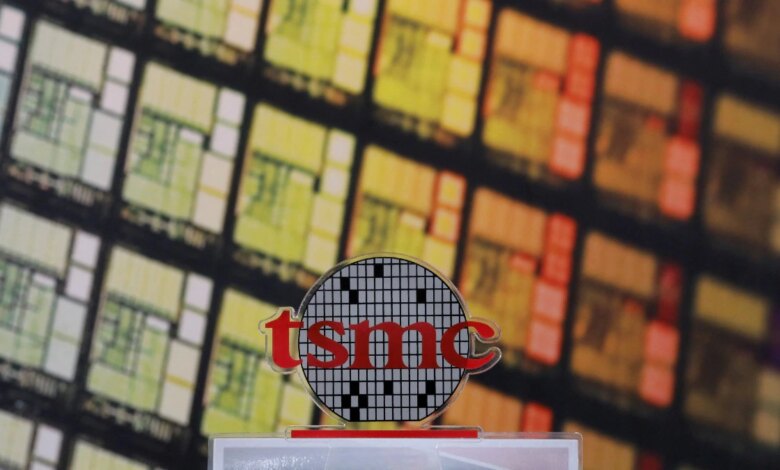
A fresh conflict is brewing in the global semiconductor industry, one that could reshape the balance of technological power and rattle already fragile supply chains. At the center of this brewing storm is Washington’s push for Taiwan — home to the world’s most critical chipmaker, TSMC — to move half of its US-bound semiconductor production onto American soil.

US Secretary of Commerce Howard Lutnick disclosed the proposal during an interview with News Nation, saying the United States would pursue a 50/50 split agreement with Taiwan. The plan would compel TSMC, the world’s largest contract chip manufacturer, to significantly increase its US-based output. While the company already has several fabrication plants under construction in Arizona, their combined capacity is still only a fraction of what TSMC produces in Taiwan.

But Taiwan’s leadership has categorically denied any such commitment. Vice Premier Cheng Li-chiun was blunt when addressing reporters: “Our negotiating team has never made any commitment to a 50/50 split on chips. Rest assured, we did not discuss this issue during this round of talks, nor would we agree to such conditions.”

The rebuff underlines the high stakes of semiconductors, which are not just a business but the backbone of modern economies and a geopolitical lifeline. Taiwan’s semiconductor dominance, anchored by TSMC’s advanced foundries, gives the island enormous strategic leverage at a time when US-China tensions are escalating. For Washington, however, the reliance on chips manufactured in a region exposed to Beijing’s pressure is a strategic vulnerability it is desperate to fix.

That urgency is reflected in America’s increasingly hardline stance. Reports last week indicated the US was weighing tariffs on American companies that fail to source an equal share of chips domestically. While TSMC’s Arizona investments would help it sidestep such penalties, the proposal signals how aggressively the Trump administration is prepared to push foreign manufacturers into building on US soil.

Tariffs have become one of Trump’s most-used levers. Over the past year, he has imposed and reshuffled duties on technology imports, aiming to punish consumers for buying non-US products and force companies to reshore production. TSMC has already felt the pressure, losing its special fast-track export privileges at the end of this year, while Trump threatened a “big tax” — possibly upwards of 100 percent — before the company broke ground on its first Arizona fab.

Despite political volatility, TSMC has made deep commitments to the US. The company is investing $100 billion into three new fabs in Arizona, and Apple has boosted its US sourcing commitment to $600 billion. But the technology gap remains glaring. TSMC’s most advanced N2 process node will go into volume production later this year in Taiwan’s Fab 20, followed quickly by the A16 and derivative nodes. By contrast, its US operations remain far behind — currently producing N4 technology, targeting N3 production in 2028, and only expected to reach N2 and A16 capabilities near the end of the decade.

That lag is critical as advanced nodes are prized for their efficiency and performance, making them the first choice for giants like Apple and AMD. The fact that Washington’s domestic fabs will trail Taiwan by several years is a vulnerability it cannot ignore.

Still, Taiwan is not budging. Premier Cho Jung-tai confirmed that “critical substantive consultations are currently underway” between Taipei and Washington, with “certain progress” reported. Yet Cheng Li-chiun’s rejection of the 50/50 split makes clear that Taiwan intends to defend its chipmaking crown.

The implications go far beyond contracts and tariffs. Analysts warn this tug-of-war could escalate into a new semiconductor conflict, with ripple effects across the global market. Chip shortages during the pandemic demonstrated how disruptions in Taiwan’s output could halt car manufacturing, delay electronics shipments, and push up prices worldwide. If Washington’s push for reshoring collides with Taiwan’s insistence on keeping its most advanced processes at home, the result could fracture global supply chains even further.

Taiwan’s chipmaking dominance has long been its geopolitical shield, a reason why the island matters so profoundly to allies and rivals alike, while reducing reliance on foreign supply has become a strategic imperative for Washington. But with both sides digging in, the world’s most vital industry may be heading into a new era of uncertainty — one where the competition over where chips are made could be just as disruptive as the fight over who makes them.

IIF Announces $8bn Gender-Inclusive Capital Drive as Nigeria Confronts Deep-Seated Financial Gaps

0

Nigeria’s long-running challenge of financial exclusion—especially for women, youth, and People with Disabilities (PwDs)—is now being tackled with an ambitious new roadmap that sets the stage for a decade of inclusive investment.

The Impact Investors Foundation (IIF) on Tuesday announced a plan to mobilize $8 billion in gender-inclusive capital over the next ten years, part of its Gender Equity and Social Inclusion (GESI) Roadmap 2025–2035. The document, launched at the third Gender Impact Investment Summit (GIIS) in Lagos, lays out a sweeping strategy to embed inclusion into Nigeria’s economic DNA.

Themed “Investing in Equity: Advancing Gender-Led Solutions for Inclusive Development”, the summit brought together stakeholders across finance, policy, and development, underlining the urgency of confronting what has been described as a bottleneck to national growth.

Developed with PwC Nigeria, the GESI roadmap sets out bold milestones of a cumulative $8 billion in inclusive capital; the creation of 40 inclusive financial products; $1.5 billion in mobilized domestic capital pools; 90% adoption of GESI principles among General Partners; and the enactment of 20 new regulatory instruments.

“This roadmap is not just a plan; it’s a blueprint for a significant shift in Nigeria’s economy,” said IIF’s CEO, Etemore Glover. “The scale of the targets underscores our profound commitment to a future where no one is left behind.”

To turn ambition into action, IIF also launched the Nigeria Inclusive Capital Commitment 2035 campaign, a platform that challenges governments, investors, and intermediaries to commit to measurable outcomes—from capital mobilization to embedding inclusion in investment decisions.

Chairman of IIF, Frank Aigbogun, stressed that financial exclusion is not a side issue but a central barrier to Nigeria’s development.

“This GESI Roadmap is therefore not a social add-on; it is an economic imperative,” he said. “By intentionally dismantling financial barriers, we unlock immense, untapped potential, ensuring that economic growth in Nigeria is not only rapid but also truly equitable and transformative.”

Stakeholders at the summit underscored the importance of accountability. Ibukun Awosika, Chair of GSG Nigeria Partner, said the roadmap “moves us beyond aspiration to accountability, demanding that stakeholders embed GESI principles into every investment decision and policy.”

Her comments were echoed by Jessica Espinoza, CEO of 2X Global, who said intentional investment in women, youth, and PwDs could unlock new growth engines.

“The GESI roadmap is a critical blueprint for dismantling financial barriers and unleashing the nation’s economic potential,” she said.

The summit included a dedicated deal room, which connected women-led and women-owned businesses with investors, fund managers, and development finance institutions, creating live opportunities to channel inclusive capital into underserved sectors.

Local moves in a global shift

The IIF initiative comes as global momentum builds around gender-lens investing. Nigeria, where 23 million women drive 41% of the country’s micro-businesses, is seen as a critical frontier. Yet access to finance remains the biggest hurdle for female entrepreneurs.

To help narrow that gap, the Bank of Industry (BOI) recently launched Project Guaranteed Loans for Women (GLOW), a N10 billion ($8 million) intervention designed to fund women-owned enterprises across the country. BOI’s Managing Director, Dr. Olasupo Olusi, said the scheme recognises women as “pivotal to Nigeria’s economic growth” but constrained by limited credit access.

A wider backdrop of exclusion

The scale of the challenge is daunting. Despite high levels of female entrepreneurship, women still face systemic barriers to capital, including restrictive collateral requirements, limited access to formal banking services, and cultural biases. Youth and PwDs face similar hurdles, leaving huge segments of the population underserved by traditional finance.

IIF hopes to move Nigeria from fragmented interventions to a coordinated, long-term investment agenda by tying together capital mobilization, policy reform, and accountability. Stakeholders believe the success of this roadmap could reshape the country’s growth trajectory—by ensuring that development is not only about rapid GDP expansion, but about equity, inclusivity, and opportunity for all.

Myriad Prediction Markets Experienced Record High Trading Volumes In September

0

Myriad prediction markets have set a new record for monthly trading volume. In September 2025, the platform achieved $4.23 million in volume, marking its highest month to date and surpassing previous benchmarks like the $10 million cumulative USDC volume milestone announced earlier that month.

This growth came with over 5 million total predictions across categories such as crypto prices, politics, sports, and culture, driven by more than 500,000 users and features like seamless browser extensions for in-feed betting.

Daily highs reached around $360,000, with $100,000+ days becoming routine, fueled by organic adoption and integrations with media outlets like Decrypt and Rug Radio. The momentum, noting September’s weekly peak at $1.3 million and positioning Myriad as a rising player in the broader prediction markets sector, which saw industry-wide volumes double to $4.28 billion that month.

This reflects Myriad’s shift from niche DeFi tool to a gamified platform tokenizing opinions on real-world events, with future plans including multichain expansions and new asset classes like ERC-PRED.

The record monthly volume on Myriad prediction markets signals a maturation of decentralized forecasting as a viable DeFi asset class, with broader implications for how information is priced, aggregated, and monetized in real-time.

By turning speculation into tradable probabilities backed by real stakes like USDC, these platforms challenge traditional polling and analyst reports, offering “wisdom of crowds” that updates dynamically and often outperforms expert predictions—potentially surpassing stock markets in scale within 15 years, as forecasted by Interactive Brokers’ founder Thomas Peterffy.

This shift could empower businesses for better risk hedging like the CFOs monitoring Fed rate odds or supply chain disruptions, enhance media engagement by making content interactive, and drive economic efficiency through collective intelligence on events in crypto, politics, sports, and culture.

However, challenges like oracle reliability for outcome resolution, thin liquidity outside high-profile events, and regulatory scrutiny such the CFTC oversight on manipulation could hinder growth if not addressed, positioning prediction markets at a “knife’s edge” between infrastructure and hype.

Myriad could accelerate mainstream adoption by leveraging its content-native design, which embeds markets directly into familiar media like Decrypt articles, Rug Radio podcasts, and social feeds via browser extensions—eliminating the need to visit separate platforms and turning passive consumption into participatory experiences that boost session times, repeat visits, and organic traffic.

This frictionless approach, combined with points-based practice modes before real-money trades, lowers barriers for non-crypto natives, as evidenced by rapid onboarding of over 500,000 users and 5 million predictions.

Technical expansions to Ethereum Layer-2s like Linea and Abstract reduce costs and improve scalability, while partnerships ensure regulatory compliance for institutional entry, addressing key hurdles like legal clarity and data integrity via blended oracles and the proposed ERC-PRED standard.

Gamified elements, such as quests, NFTs for avatars and social metaverses, and viral tournaments, further embed Myriad into cultural conversations, fostering a “supercycle” of adoption beyond Web3 enthusiasts toward everyday users in news, entertainment, and social media.

If Myriad sustains this momentum— through modular, open infrastructure for broader media integrations—it could redefine media as an “ad and engagement network,” making prediction markets a staple for hedging, forecasting, and interactive storytelling in mainstream applications.

Affordable Crypto Gems Under $0.01: Ranking Ozak AI and Others with Explosive ROI Potential for New Investors

0

As the cryptocurrency market continues to evolve, investors are seeking affordable tokens with high-growth potential. Among these emerging opportunities are several crypto projects priced under $0.01, such as Ozak AI, Little Pepe (LILPEPE), and Bonk (BONK), each offering unique advantages. These tokens, available at a low entry cost, present new investors with the chance to tap into assets with promising returns, provided they act early. Ozak AI, a blockchain-based predictive analytics platform, is one such asset gaining attention in the presale phase.

Ozak AI: Revolutionizing Predictive Analytics in Crypto

The innovative solution developed by the AI company, Ozak AI, is the implementation of artificial intelligence (AI) and blockchain technologies to offer real-time predictions and analytics related to finances. The $OZ token is in its presale stages, and it is trading at $0.012, which gives investors time to buy it before it rises to $0.014 in the subsequent round. Having already amassed more than $3.49 million and close to 924 million tokens sold, Ozak AI will be able to grow extensively and become one of the most attractive low-cost tokens priced lower than $0.01.

The essence of the offering of Ozak AI is a decentralized infrastructure, comprising the Ozak Stream Network (OSN) and decentralized physical infrastructure networks (DePINs). With the help of blockchain and InterPlanetary File System (IPFS), Ozak AI provides secure, redundant, and scalable data processing. The platform is aimed at real-time financial decision-making that offers predictive modeling opportunities, with uses in a variety of industries, such as finance, logistics, and Web3. The integration of AI and the security nature of blockchain make Ozak AI one of the possible leaders in the field of decentralized financial analytics.

Little Pepe and Bonk: Meme Coins that have good investment value.

A meme-based cryptocurrency, Little Pepe (LILPEPE), has gotten a lot of attention as a low-priced token at $0.0010 in the first phase of the presale. The token is currently traded at $0.0022, having already attracted more than $25 million, which is an indicator of a high level of investor confidence. The value proposition of LILPEPE is based on its specific Layer 2 blockchain that aims to make the trading fairer through the reduction of bots. The recent CertiK audit that produced a high score of 95.49 also makes the token credible, and its presence on CoinMarketCap also gives it further validation.

But in the meantime, another well-known meme coin, Bonk (BONK), has increased its price by 0.91% over the past 24 hours. Bonk has a strong volatility with a market cap of 1.56 billion, which indicates the interest of the investors in the market conditions varying over time. At a price of less than $0.01, its market capitalization is on the rise, which makes Bonk a crypto asset to keep an eye on, particularly as it keeps capturing considerable interest of non-institutional investors.

Ozak AI Strengthens Its Network with Strategic Collaborations

Ozak AI is shaping the future of trading intelligence by partnering with leaders in AI and blockchain. With SINT, the 1-click AI upgrade platform, its 30 ms market signals will connect with SINT’s plug-and-play agent stack to enable automation, interoperability, and improved user experiences. Teaming up with Hive Intel, a multi-chain Blockchain Data API, Ozak AI will pair its real-time signals with agent-ready endpoints to deliver streamlined access to on-chain insights, DeFi and NFT data, token markets, and wallet analytics.

The integration with the Pyth Network, a leading oracle delivering sub-second financial data across 100+ blockchains, will strengthen Ozak AI’s Prediction Agents and Streaming Network with sharper forecasts, advanced risk management, and real-time trading tools. At the same time, the partnership with Dex3, a next-generation crypto trading data aggregator, will drive the creation of forecasting solutions, automated trading flows, and cross-community intelligence initiatives. Together, these collaborations highlight Ozak AI’s mission to build smarter, faster, and more connected ecosystems across Web2, Web3, and the decentralized economy.

The Future of Cheap Tokens less than 0.10.

Cryptocurrencies that have a low price of less than $0.01 are a strong starting point that new investors aiming to make the most returns with minimum investment can use. Ozak AI, Little Pepe, and Bonk are all independent projects in their own niches, including AI-based financial forecasting and meme coin economies. Although these tokens are in their early years, their new technology and market enthusiasm are promising for future growth. These low-cost crypto gems will be able to generate a nice payoff to investors who can enter early on as the crypto market matures.


For more information about Ozak AI, visit the links below:

Website: https://ozak.ai/

Twitter/X: https://x.com/OzakAGI

Telegram: https://t.me/OzakAGI