DD
MM
YYYY

PAGES

DD
MM
YYYY

spot_img

PAGES

Home Blog Page 4046

With Bitcoin Up 20%, What Other Cryptocurrencies Could Be Next?

0

Bitcoin, the cryptocurrency that started it all, has once again grabbed the headlines with an impressive 20% surge in its value. This somewhat surprising rise not only fuels excitement around BTC but also prompts us to look at other cryptocurrencies that might follow suit.

In this article, we explore Ethereum (ETH), Binance Coin (BNB), Scorpion Casino Token (SCORP), and Fantom (FTM) to gauge their potential in the wake of Bitcoin’s recent rally.

Ethereum (ETH):

Ethereum is a second-generation blockchain that has a prominent place in the crypto space. ETH has enjoyed a remarkable rise since 2015 due to its smart contract capabilities and its role as the foundation for both numerous decentralized applications (DApps) and NFTs.

With a market dominance that is second only to Bitcoin, Ethereum remains an attractive prospect for investors. Its flexibility, combined with a strong developer community, positions ETH as a leading candidate for continued growth.

BNB (BNB):

BNB (BNB) is the native cryptocurrency of the Binance exchange, one of the largest and most popular cryptocurrency platforms globally. BNB holds a unique place in the crypto market, as it is predominantly used for trading fee discounts on the Binance platform.

This utility has helped BNB maintain its prominence, and it currently has the 4th largest market cap of any cryptocurrency. As Binance continues to evolve and expand its offerings, BNB’s value could be closely intertwined with the exchange’s success.

Scorpion Casino Token (SCORP):

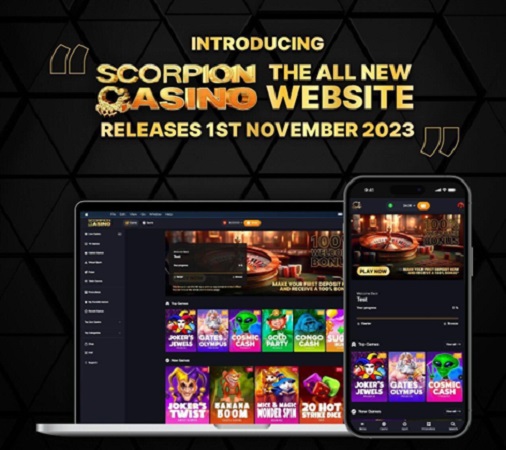
Scorpion Casino Token (SCORP) is a rising star in the crypto world, with its presale creeping towards $1.5 million in funds raised. Beyond the impressive fundraising, SCORP is set to release a highly anticipated casino upgrade on November 1st. This upgrade introduces a myriad of enhancements, including over 200 casino games, a diverse selection of live events, all-new sports betting opportunities, and other groundbreaking features like auto currency conversion.

With compatibility for over 20 currencies and seamless integration with popular wallets like Metamask, SCORP aims to provide a transparent and licensed gaming experience that sets it apart in the ever-evolving world of cryptocurrencies.

Fantom (FTM):

Fantom (FTM) is a smart contract platform designed to facilitate rapid and secure transactions. Fantom’s unique architecture sets it apart from other blockchain networks, and it has gained recognition for its high throughput and low transaction fees.

As the DeFi (Decentralized Finance) sector continues to expand, Fantom is gaining attention as a potential solution for scalable and efficient DeFi applications.

What Cryptos Could Join Bitcoin?

Bitcoin’s recent surge is a reminder of the excitement and potential for growth in the cryptocurrency market. While Ethereum and BNB continue to play significant roles, newer entrants like Scorpion Casino Token and Fantom offer unique features and innovations that could propel them into the spotlight.

It’s essential to approach these investments with due diligence, understanding their specific use cases and the broader market trends. As the crypto space evolves, opportunities and risks will continue to present themselves, making it an exciting and dynamic field for investors and enthusiasts alike.

Find out more about SCORP:

Presale: https://presale.scorpion.casino/

Twitter: https://twitter.com/ScorpionCasino

Telegram: https://t.me/scorpioncasino_official

Avert Being an Unfulfilled Academics

0

In the vast and diverse landscape of African academia, where limited resources and unwavering passion often collide, the journey of an academic can be an emotional rollercoaster. The desire to contribute knowledge, to inspire change, and to educate future generations is a noble pursuit. However, it’s a path that can often lead to unfulfilled career trajectories if not navigated with a clear sense of purpose and mindfulness.

The Struggles of African Academics

African academics face a unique set of challenges that often result in overwork and burnout. The scarcity of resources, both financial and institutional, places immense pressure on educators to do more with less. This can lead to long hours, mounting stress, and a constant battle to keep up with the ever-evolving academic landscape.

However, this struggle is not the sole contributor to unfulfilled academic careers. Many academics in Africa tend to postpone career development, focusing solely on teaching until they reach the pinnacle of their careers. This delay can lead to a sense of unfulfillment as they witness others who proactively invested in their publications and grants winning growth earlier.

The Journey to Fulfillment

So, how can African academics embark on a path of fulfillment and avoid the pitfalls of feeling unfulfilled and disconnected from their students? It starts with recognizing the importance of purpose-driven career development.

Set Clear Goals Early

To avoid the distress of unfulfilled ambitions, set clear career goals early in your academic journey. Understand your passion and purpose within academia and identify the milestones that will get you there. Whether it’s research, teaching, or a combination of both, a well-defined path can keep you motivated and on track.

Embrace Lifelong Learning

The academic landscape is constantly evolving. Stay relevant by embracing lifelong learning. Attend conferences, engage in professional development, and collaborate with colleagues. By staying current in your field, you’ll remain passionate and connected to your work.

Mentorship Matters

Reach out to experienced academics who can provide guidance and mentorship. Learning from those who’ve traveled a similar path can be invaluable in avoiding unfulfilled careers.

Balance is Key

Balance is the cornerstone of a fulfilling academic career. It’s essential to strike a harmonious equilibrium between work, personal life, and self-care. Overworking may lead to burnout and make it challenging to relate to students effectively.

Embrace Collaboration

Collaboration is at the heart of academia. Engage with colleagues and students, fostering a sense of community and shared purpose. Collaborative efforts can lead to fulfilling accomplishments and a deeper connection with your academic journey.

The journey of an academic in Africa is undoubtedly challenging, but it can also be deeply rewarding. To avoid the heartache of an unfulfilled career trajectory, academics must embrace purpose-driven career development, set early goals, and remain committed to lifelong learning. By doing so, we can transform our educational landscape and inspire the next generation of academics with our passion, purpose, and dedication. It’s never too late to start, and every step forward is a step toward a more fulfilling career.

7 Steps to Upskill While Still Employed

0

As the job market continues to evolve rapidly, many people are realising that upskilling may be the key to remaining relevant on the job or even seeking out better opportunities. This is not the season to sit on your hands and weep that someone employed yesterday earns better than you even though you have been with the company for much longer. It is the time to evaluate how much value you bring with your job and how to increase that value.

Thanks to what technology has done for us, you do not even need to quit before you upgrade your skills. It is entirely possible to upskill while still working full-time. It will just take proper planning and determination to juggle your learning with the demands of your current job.

Here are seven steps to upskill while maintaining your current job.

Identify Your Goals

Before embarking on your upskilling journey, it’s crucial to understand what skills or knowledge you want to acquire. Start by assessing your current skill set and identifying the areas where you could benefit from improvement. Consider your long-term career goals and which skills are most relevant. Your journey may be more manageable if your chosen direction connects with your existing job role. But even if you want to take an entirely different path, it is achievable. It may only take you more time and determination.

Look for online courses to get started with

If you are targeting a new career path with your upskilling journey, you need courses to get you on the right track. It is always wiser to start with the free courses and proceed to paid courses as you go further—platforms like Udemy, Coursera, and Edx. Khan Academy, Microsoft Learn, CodeAcademy, Udacity, LinkedIn Learning, and YouTube will provide free learning hours in almost any tech or soft skill. Many of these platforms also offer certifications upon completion, which can enhance your credentials.

By the time you have done up to 17 hours of learning on the free resources, you will be enlightened enough to know what course to pay for. Have you ever been in that situation where you pay for a course and later find the exact resource available on YouTube for free? Well, that is the sort of thing that could happen to you when you decide to jump straight to paid courses.

Create a Learning Plan

Once you’ve established your goals and identified free resources, create a structured learning plan. Break down your objectives into smaller, manageable steps, and set clear, achievable milestones. This plan will serve as your roadmap for the upskilling process and help you stay on track.

Without a learning plan, you may find yourself spreading energy in multiple directions or abandoning courses halfway, only to return to them months later.

Prioritize Time Management

One of the most significant challenges of upskilling while working full-time is managing your time effectively. Allocate specific time slots for learning, and commit to stick to your schedule. You might need to sacrifice some leisure time, but the investment in your career will be well worth it.

Leverage Employer Resources

Check with your employer to see if they offer any resources for professional development. Some companies have budgeted training or educational allowances for their employees. If available with your employer, you can utilize these resources to take courses attend workshops, or conferences related to your field. This not only benefits you but also demonstrates your commitment to professional growth.

Networking and Mentorship

Networking can be a powerful way to upskill. Join professional organizations, attend industry events, and connect with others with expertise in the areas you want to develop. If you have colleagues considered experts in the skill you are trying to achieve, reach out to them and see how they can help. Seeking mentorship from experienced professionals can also provide valuable insights and guidance on upskilling effectively.

Apply Your Knowledge

Learning alone won’t be enough; you must apply what you’ve learned in real-life scenarios. Don’t wait to know everything before using it. From the point you complete your first hour of learning, start looking for opportunities within your current job to implement your new skills. This will not only help solidify your understanding but also demonstrate your value to your employer.

Conclusion

Upskilling is not an option if you intend to stay relevant on your job. The employment market is very competitive, and whatever skill you have, someone else has similar skills. If you are not constantly upskilling and applying yourself, you may soon be edged out.

Remember, the investment in your skills today will pay off in a brighter, more promising career tomorrow.

NASFAT’s Multifaceted Approach to Achieving Sustainable Development Goals

0

In an era marked by complex global challenges, it’s heartening to witness the commitment of organizations like Nasrul-Lahi-L-Fatih society to address these issues from multiple angles. This Nigerian Islamic organization has made significant strides in contributing to the achievement of the Sustainable Development Goals (SDGs), reflecting a comprehensive approach to sustainable development.

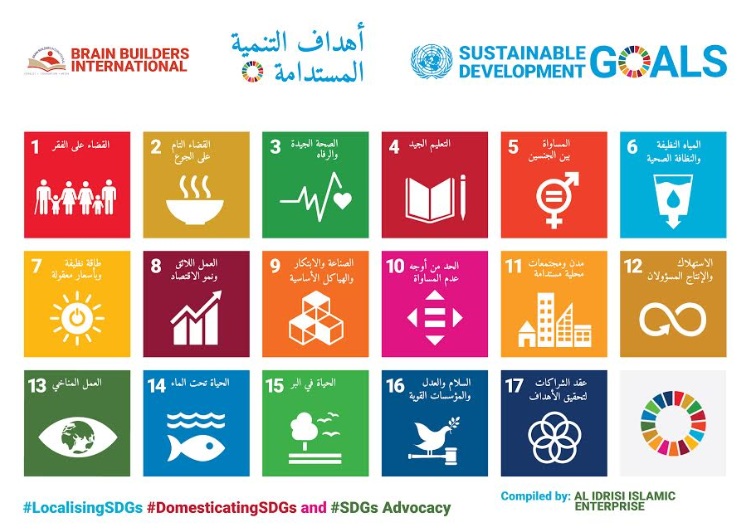
NASFAT’s initiatives span across various key SDGs, reflecting a holistic commitment to leaving no one behind. These include goals such as quality education, gender equality, poverty alleviation, peace, and justice, health and well-being, and more. Their programmes empower individuals and communities, promote inclusivity, and foster interfaith dialogue.

One notable area of focus for NASFAT is education and capacity building. They’ve organized youth summits, academies, and seminars aimed at equipping the younger generation with the skills and knowledge needed for a better future. By doing so, NASFAT contributes directly to SDG 4, Quality Education, ensuring that Nigerian youth have access to learning opportunities.

Their dedication to gender equality and empowerment, exemplified by partnerships with organizations like UNICEF, helps address the challenges faced by women and girls. This, in turn, advances SDG 5, Gender Equality, and creates a more inclusive and equitable society.

NASFAT’s support for economic development and poverty alleviation, particularly through initiatives like the sharing of Zakat proceeds and grants for entrepreneurs, reflects their commitment to SDGs 1 and 8. By addressing economic disparities, NASFAT is helping to create a more prosperous society.

The organization’s emphasis on peace, tolerance, and social inclusion plays a vital role in achieving SDG 16, Peace, Justice, and Strong Institutions. Their efforts to promote religious tolerance and harmony are essential for national progress and stability.

Health and well-being, another SDG (SDG 3), are not overlooked, as NASFAT engages in campaigns against gender-based violence and promotes healthy lifestyles within the Muslim community.

Through these diverse activities, NASFAT demonstrates that achieving the SDGs requires a multifaceted approach, addressing multiple dimensions of development. Their support for interfaith dialogue, humanitarian aid, and environmental sustainability further solidifies their contribution to the SDGs.

NASFAT serves as an inspiring example of an organization that recognizes the interconnectedness of the SDGs and the need to address them comprehensively. Their efforts serve as a model for how various stakeholders can make meaningful contributions to creating a better world for all. It is a testament to their vision that transcends religious and cultural boundaries, striving for a Nigeria and a world where sustainable development is a reality for everyone.

Crypto investing isn’t just a fad, CFTC Commissioner Mersinger says; Paradigm co-founder Fred Ehrsam steps down

0

The recent surge in the price of bitcoin, which reached a new all-time high of over $35,000 on Wednesday, has been driven by the launch of several exchange-traded funds (ETFs) that offer exposure to the cryptocurrency. These ETFs, which trade on major stock exchanges like the New York Stock Exchange and the Nasdaq, allow investors to buy and sell shares that track the performance of bitcoin without having to deal with the technical and regulatory challenges of owning and storing the digital asset directly.

While some critics have dismissed crypto investing as a speculative bubble that will eventually burst, others have recognized its potential as a new asset class that can diversify portfolios and hedge against inflation and currency devaluation. Among them is Dawn Mersinger, a commissioner at the Commodity Futures Trading Commission (CFTC), the federal agency that oversees the derivatives markets in the US.

In an interview with Bloomberg on Thursday, Mersinger said that crypto investing is not just a fad, but a reflection of the growing demand for alternative forms of money and value in the digital age. She said that the CFTC’s role is to ensure that the crypto markets are fair, transparent and resilient, and that investors are protected from fraud and manipulation.

Mersinger also said that the CFTC is working closely with other regulators, such as the Securities and Exchange Commission (SEC), to provide clarity and guidance for the crypto industry. She said that the CFTC has been supportive of innovation and experimentation in the crypto space, and that it has approved several products and platforms that offer futures and options contracts on bitcoin and other cryptocurrencies.

Mersinger acknowledged that there are still many challenges and risks associated with crypto investing, such as volatility, cybersecurity, environmental impact and legal uncertainty. She advised investors to do their homework and understand the risks before investing in any crypto product or service. She also urged the crypto industry to adopt best practices and standards to enhance its credibility and trustworthiness.

Mersinger concluded by saying that crypto investing is here to stay, and that it will continue to evolve and grow as more investors, institutions and regulators embrace it. She said that the CFTC is committed to fostering a safe and sound crypto market that benefits both consumers and the economy.

NFL Rivals crypto game scores nearly 3 million players as revenue climbs

NFL Rivals, a blockchain-based game that lets players collect and trade digital cards of their favorite football teams and players, has reached a new milestone of nearly 3 million active users in October, according to the latest data from DappRadar. The game, which launched in August, has also seen its revenue soar to over $10 million in the same month, making it one of the most successful crypto games on the market.

NFL Rivals is powered by the Flow blockchain, the same platform that hosts NBA Top Shot, another popular sports-themed crypto game. The game allows users to buy packs of cards that represent real NFL teams and players and use them to compete in daily fantasy contests or trade them on the marketplace. Users can also earn rewards by completing challenges and quests, or by staking their cards to earn interest.

The game’s popularity has been driven by several factors, including the ongoing NFL season, the growing interest in crypto gaming and NFTs (non-fungible tokens), and the strong brand recognition of the NFL. The game has also attracted some celebrity endorsements, such as rapper Snoop Dogg, who recently revealed his own collection of NFL Rivals cards on Twitter.

NFL Rivals is not the only crypto game that is making waves in the industry. According to DappRadar, the total revenue of crypto games reached $2.3 billion in October, a 40% increase from September. Some of the other top-performing games include Axie Infinity, a Pokémon-inspired game that has over 1.5 million daily active users and $1.4 billion in revenue; and CryptoBlades, a role-playing game that has over 600,000 daily active users and $300 million in revenue.

Crypto gaming is a rapidly growing sector that combines the fun and excitement of gaming with the innovation and potential of blockchain technology. By offering users more ownership, control, and rewards over their digital assets, crypto games are creating new ways for people to interact with their favorite sports, entertainment, and gaming franchises.

Paradigm co-founder Fred Ehrsam steps down as managing partner

Fred Ehrsam, the co-founder and managing partner of Paradigm, a crypto-focused venture capital firm, has decided to step down from his role. Ehrsam, who co-founded Paradigm in 2018 with Matt Huang, a former partner at Sequoia Capital, said he will remain involved with the firm as a board member and advisor, but will no longer oversee its day-to-day operations.

Ehrsam did not disclose the exact reasons for his departure but hinted that he wanted to pursue other opportunities in the crypto space. “I’m incredibly proud of what we’ve built at Paradigm over the last three years. We have a world-class team, a strong portfolio of companies, and a clear vision for the future of crypto. However, I also feel that there are so many exciting things happening in this industry right now, and I want to explore them more deeply,” he wrote in a blog post.

Ehrsam is no stranger to the crypto world. He co-founded Coinbase, one of the largest and most influential crypto exchanges, in 2012 with Brian Armstrong. He left Coinbase in 2017 to start Paradigm, which has since become one of the most prominent and successful VC firms in the crypto space. Paradigm has invested in some of the leading projects and companies in the industry, such as Uniswap, Compound, MakerDAO, Optimism, and FTX.

Ehrsam’s departure comes at a time when the crypto market is booming, reaching new highs in terms of adoption, innovation, and valuation. According to Ehrsam, Paradigm is well-positioned to capitalize on this growth and continue to support the development of the crypto ecosystem. He praised his co-founder Huang and the rest of the Paradigm team for their leadership and expertise.

“Matt is an exceptional partner and leader, and I have full confidence in him and the team to take Paradigm to the next level. I’m grateful for their support and friendship, and I look forward to working with them as a board member and advisor,” he said.

Ehrsam did not reveal what his next venture will be but said he will share more details soon. He also expressed his optimism and enthusiasm for the future of crypto. “I believe we are still at the very beginning of this journey, and I can’t wait to see what the next decade will bring. Crypto is not only a new technology, but a new paradigm for how we organize ourselves as a society. It’s an honor to be part of this movement, and I’m excited to continue contributing to it in new ways,” he concluded.