DD
MM
YYYY

PAGES

DD
MM
YYYY

spot_img

PAGES

Home Blog Page 4097

Binance froze cryptocurrency accounts associated with Hamas amid lowering Margin Pairs on some Coins

0

In a major blow to the Palestinian militant group Hamas, Israeli police announced on Monday that they had frozen several cryptocurrency accounts linked to the organization. The accounts, which were used to fund Hamas’s activities in the Gaza Strip and the West Bank, were traced and blocked with the assistance of Binance, one of the world’s largest cryptocurrency exchanges.

According to a statement by the Israeli police, the operation was carried out by the cyber unit of the Lahav 433 anti-fraud division, in cooperation with the national security agency Shin Bet and the Israel Tax Authority. The police said they had identified and seized more than 150 cryptocurrency accounts, wallets and addresses that received donations from Hamas supporters around the world.

The police also said they had uncovered a complex network of websites and social media platforms that Hamas used to solicit donations in various cryptocurrencies, such as Bitcoin, Ethereum and Dogecoin. The donations were then transferred to the accounts that were controlled by Hamas operatives in Turkey and Gaza.

The police estimated that Hamas had raised tens of millions of dollars through this scheme, which was launched in early 2019 after the group faced a severe financial crisis due to the blockade imposed by Israel and Egypt on Gaza. The police said that the cryptocurrency donations enabled Hamas to bypass the banking system and the international sanctions imposed on it as a designated terrorist organization.

Binance, which is based in the Cayman Islands and has offices in several countries, confirmed that it had cooperated with the Israeli authorities in their investigation. A spokesperson for Binance said that the exchange had a “zero-tolerance policy” for illicit activity on its platform and that it was committed to “working with regulators and law enforcement agencies to safeguard the interests of our users and the broader industry.”

The spokesperson also said that Binance had implemented “robust compliance and security measures” to detect and prevent suspicious transactions, such as advanced identity verification, blockchain analysis and cyber threat intelligence.

The freezing of Hamas’s cryptocurrency accounts is not the first time that Israel has targeted the group’s online fundraising efforts. In August 2019, the Israeli military said it had hacked into a website run by Hamas’s military wing, the Qassam Brigades, and exposed its Bitcoin donation campaign. The military said it had also sent warning messages to potential donors, alerting them that they were exposing themselves to legal action and cyber attacks by supporting Hamas.

Hamas has not yet commented on the latest Israeli operation, but it is likely that the group will try to find new ways to raise funds through cryptocurrency or other means. Hamas has been engaged in a long-running conflict with Israel, which has intensified in recent months following a series of violent clashes and rocket attacks.

Binance is lowering minimum order sizes for some of its spot and margin trading pairs to 1USDT.

Binance, the world’s leading cryptocurrency exchange, has announced that it is reducing the minimum order sizes for some of its spot and margin trading pairs to 1USDT. This means that traders can now execute orders with smaller amounts of capital, allowing them to diversify their portfolios and access more opportunities in the crypto market.

The new minimum order sizes apply to the following trading pairs:

BTC/USDT

ETH/USDT

BNB/USDT

ADA/USDT

DOGE/USDT

XRP/USDT

DOT/USDT

SOL/USDT

LUNA/USDT

AVAX/USDT

The change will take effect on October 15, 2023, at 00:00 AM (UTC). Traders who have open orders below the new minimum order sizes will not be affected by this update. However, they will not be able to modify or cancel their orders until they meet the new requirements.

Binance said that the decision to lower the minimum order sizes was based on user feedback and market demand. The exchange aims to provide more flexibility and convenience for its users, especially those who are new to crypto trading or have limited funds. By lowering the barriers to entry, Binance hopes to attract more users and increase the liquidity and depth of its markets.

Binance also reminded its users to trade responsibly and be aware of the risks involved in crypto trading. The exchange advised its users to do their own research, use proper risk management tools, and follow the platform’s rules and regulations.

Binance is constantly improving its products and services to offer the best trading experience for its users. The exchange has recently launched several new features and initiatives, such as:

Binance NFT Marketplace, a platform for buying and selling digital collectibles and artworks. Binance Pay, a peer-to-peer payment service that supports multiple cryptocurrencies and fiat currencies.

Binance Earn, a suite of products that allows users to earn passive income from their crypto assets. Binance Smart Chain, a blockchain network that supports smart contracts and decentralized applications. Binance Charity, a non-profit organization that uses blockchain technology to empower social good.

 

Tekedia Capital Demo Day Video Now Available for the 10 Startups; Join and Co-Invest

0

We have posted the Tekedia Capital Demo Day video in the investment board. The ten startups were live, pitched, and took questions from our members. Join Tekedia Capital Syndicate to have access to the pitch decks, Tekedia Capital overview videos and the full demo day video session as recorded on Oct 14, 2023.

Tekedia Capital offers a specialty investment vehicle (or investment syndicate) which makes it possible for citizens, groups and organizations to co-invest in innovative startups and young companies in Africa and around the world. Capital from these investing entities is pooled together and then invested in a specific company or companies.

Membership Fee of $1,000 for 4 Investment Cycles

Pay for your 4-cycle membership fee. The fee provides access to 4 investment cycles of Tekedia Capital deal flow. We typically do 2-3 cycles per year (i.e. 12 months). After payment, our team will give you access to the deal flow board.

(If after 4 cycles, you can decide not to renew. Yet, you will continue to receive updates on your prior investments. But we will not provide access to new startup deal flows.)

A payment of $1,000 (or Naira equivalent) is required to join. Learn more and join our community here 

50 years ago, Nigeria was Refining Fuel locally

0

Nigeria is a country blessed with abundant natural resources, especially crude oil, which accounts for about 90% of its export earnings. However, despite its oil wealth, Nigeria remains one of the poorest and most underdeveloped countries in the world. How did this happen?

How did Nigeria go from being a regional leader in refining fuel locally to being dependent on importing petroleum products from abroad? The answer lies in the greed and inefficiency of its leaders, who have plundered the nation’s resources for their own selfish interests, while neglecting the welfare and development of the masses.

Nigeria started refining fuel locally in 1965, when it commissioned its first refinery in Port Harcourt. By 1979, Nigeria had four refineries with a combined capacity of 445,000 barrels per day, enough to meet its domestic demand and even export some surplus. However, since then, Nigeria’s refineries have suffered from mismanagement, corruption, sabotage, and lack of maintenance. As a result, they operate at a fraction of their capacity, or are shut down completely. According to the Nigerian National Petroleum Corporation (NNPC), Nigeria’s refineries operated at an average of 15.4% capacity utilization in 2020.

Meanwhile, Nigeria’s domestic demand for petroleum products has increased over the years, as its population and economy have grown. According to the NNPC, Nigeria consumed an average of 57.44 million liters of petrol per day in 2019. To meet this demand, Nigeria has resorted to importing petroleum products from abroad, spending billions of dollars annually on fuel subsidies and importation costs. According to the International Monetary Fund (IMF), Nigeria spent about $5.2 billion on fuel subsidies in 2019.

But today, Nigeria is shamelessly exporting crude oil and importing petroleum products. It spends billions of dollars every year on fuel subsidies and imports, while its refineries are either shut down or operating at a fraction of their capacity. Nigeria is losing money, jobs, and opportunities to grow its economy and improve its infrastructure.

How did this happen? The main reason is corruption. Nigeria’s leaders have looted the oil revenues, leaving little for investment and maintenance. They have also neglected the refineries, allowing them to decay and become obsolete. They have failed to build new ones or upgrade the existing ones. They have also sabotaged the efforts of private investors who wanted to build refineries in Nigeria.

Another reason is political instability. Nigeria has experienced several coups, civil wars, and ethnic conflicts since its independence in 1960. These have disrupted the oil sector and created insecurity and uncertainty for investors and operators. They have also led to environmental degradation and human rights violations in the oil-producing regions, where militants and activists have fought against the government and oil companies.

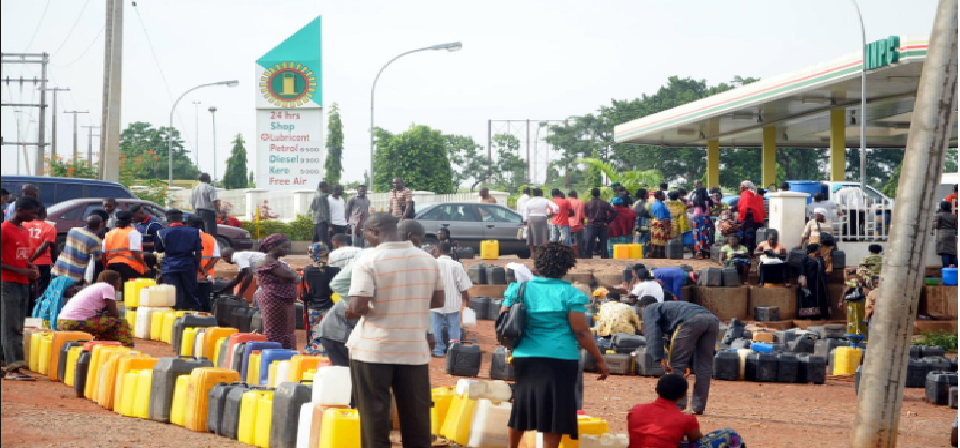
The result is that Nigeria is suffering from a chronic fuel increase and scarcity that affects every aspect of its society. Nigerians have to endure long queues at filling stations, frequent power outages, high transport costs, and low productivity. They also have to cope with inflation, poverty, unemployment, and poor public services.

This is unacceptable and unsustainable. Nigeria’s leaders have to wake up and take responsibility for their actions. They have to reform the oil sector and make it transparent, accountable, and efficient. They have to revive the refineries and encourage private participation. They have to diversify the economy and reduce dependence on oil. They have to invest in education, health, infrastructure, and security.

Nigeria has the potential to be a great nation, but it needs visionary and honest leaders who can harness its resources for the benefit of its people. Nigerians deserve better than what they have been getting for the past 50 years.

Part of Africa’s Intra-Trade Challenges Include Inadequate Payment and Supply Chain Infrastructures

0

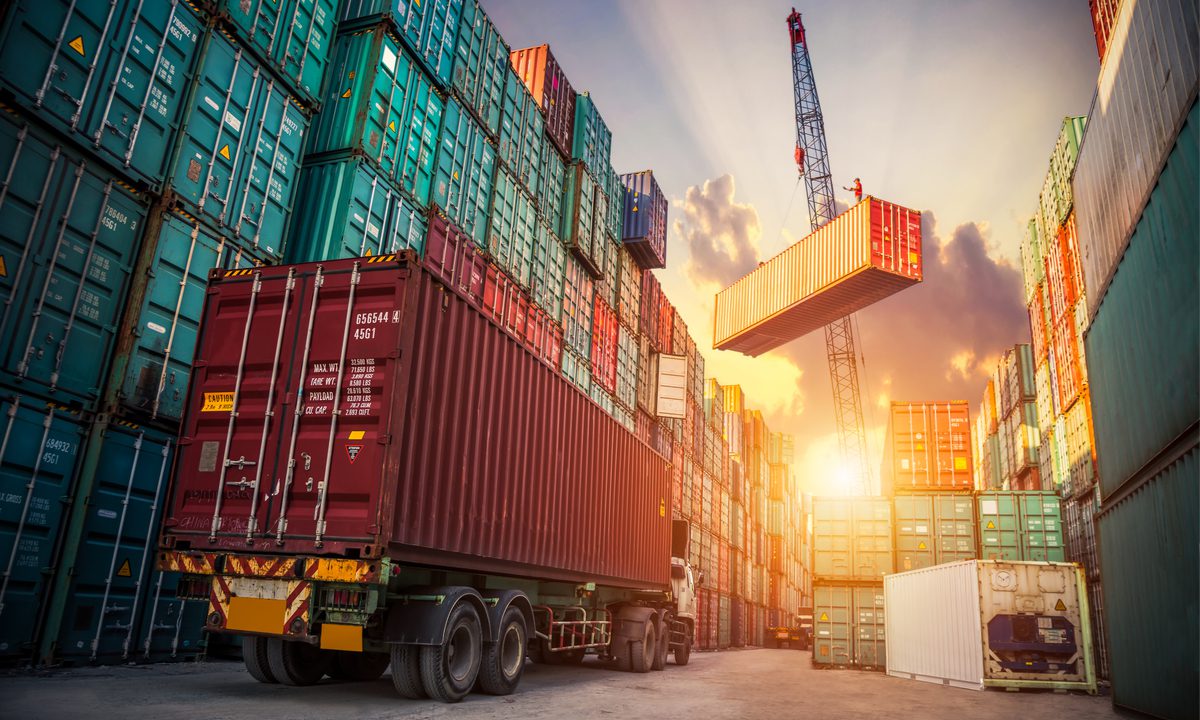
Africa is a vast and diverse continent with many opportunities and challenges for e-commerce. However, one of the main barriers that hinder the growth of online shopping in Africa is the lack of reliable and affordable payment and logistics solutions.

Payment systems in Africa are often fragmented, costly, and insecure. Many African consumers do not have access to formal banking services, credit cards, or mobile money platforms. Those who do may face high fees, fraud risks, or limited interoperability with other payment methods. As a result, cash on delivery (COD) remains the dominant mode of payment for online purchases in Africa, accounting for up to 80% of transactions in some countries.

However, COD poses its own challenges for e-commerce platforms and merchants. COD increases the risk of order cancellations, returns, and theft. It also adds to the operational costs and complexity of delivering goods to customers. Moreover, COD limits the ability of e-commerce platforms to offer value-added services such as financing, insurance, or loyalty programs.

Logistics systems in Africa are also underdeveloped, inefficient, and expensive. The continent suffers from poor infrastructure, such as roads, ports, airports, and railways. It also faces regulatory hurdles, such as customs delays, tariffs, and taxes. These factors increase the time and cost of shipping goods across borders or within countries. Furthermore, logistics providers in Africa often lack the technology, data, and skills to optimize their operations and ensure quality service.

These challenges create a vicious cycle that hampers the growth of e-commerce in Africa. Without reliable and affordable payment and logistics solutions, e-commerce platforms struggle to attract and retain customers, merchants, and investors. Without a vibrant e-commerce ecosystem, payment and logistics providers lack the incentives and resources to innovate and improve their services.

To break this cycle, Africa needs a holistic approach that addresses both the demand and supply sides of payment and logistics solutions. On the demand side, e-commerce platforms need to understand the needs and preferences of their target customers and offer them convenient and secure payment options that suit their context. They also need to partner with local logistics providers that can deliver goods quickly and reliably to their customers.

Some examples of e-commerce platforms in Africa that are trying to solve the payment and logistics problem are:

Jumia: Jumia is the largest online marketplace in Africa, operating in 14 countries. Jumia offers a variety of products and services, such as electronics, fashion, groceries, food delivery, travel booking, and classifieds. Jumia has its own payment platform called JumiaPay that allows customers to pay online or offline using various methods such as mobile money, bank cards, or cash. Jumia also has its own logistics network called Jumia Logistics that leverages local partners to deliver goods to customers across urban and rural areas.

Flutterwave: Flutterwave is a fintech company that provides payment solutions for businesses and individuals in Africa and beyond. Flutterwave enables merchants to accept payments from customers using multiple channels such as bank transfers, cards, mobile money, USSD codes, QR codes, or cash. Flutterwave also integrates with global payment platforms such as PayPal, Stripe, Alipay, or M-Pesa to facilitate cross-border transactions. Flutterwave has partnered with several e-commerce platforms in Africa such as Jumia, Konga, Paystack, or Uber to provide seamless payment experiences for their customers.

Kobo360: Kobo360 is a digital logistics platform that connects cargo owners with truck drivers in Africa. Kobo360 uses technology to match supply and demand for trucking services, optimize routes and prices, track shipments in real-time, and provide insurance and financing options. Kobo360 aims to reduce the cost and time of moving goods across Africa by leveraging data and analytics to improve efficiency and transparency in the logistics sector.

On the supply side, payment and logistics providers need to invest in technology, data, and skills that can enhance their efficiency and quality. They also need to collaborate with each other and with e-commerce platforms to create integrated and interoperable solutions that can reduce costs and friction for all parties involved.

By solving the payment and logistics problem in Africa, e-commerce can unleash its full potential as a driver of economic growth, social inclusion, and innovation in the continent.

Are All Paid VPNs the Same?

0

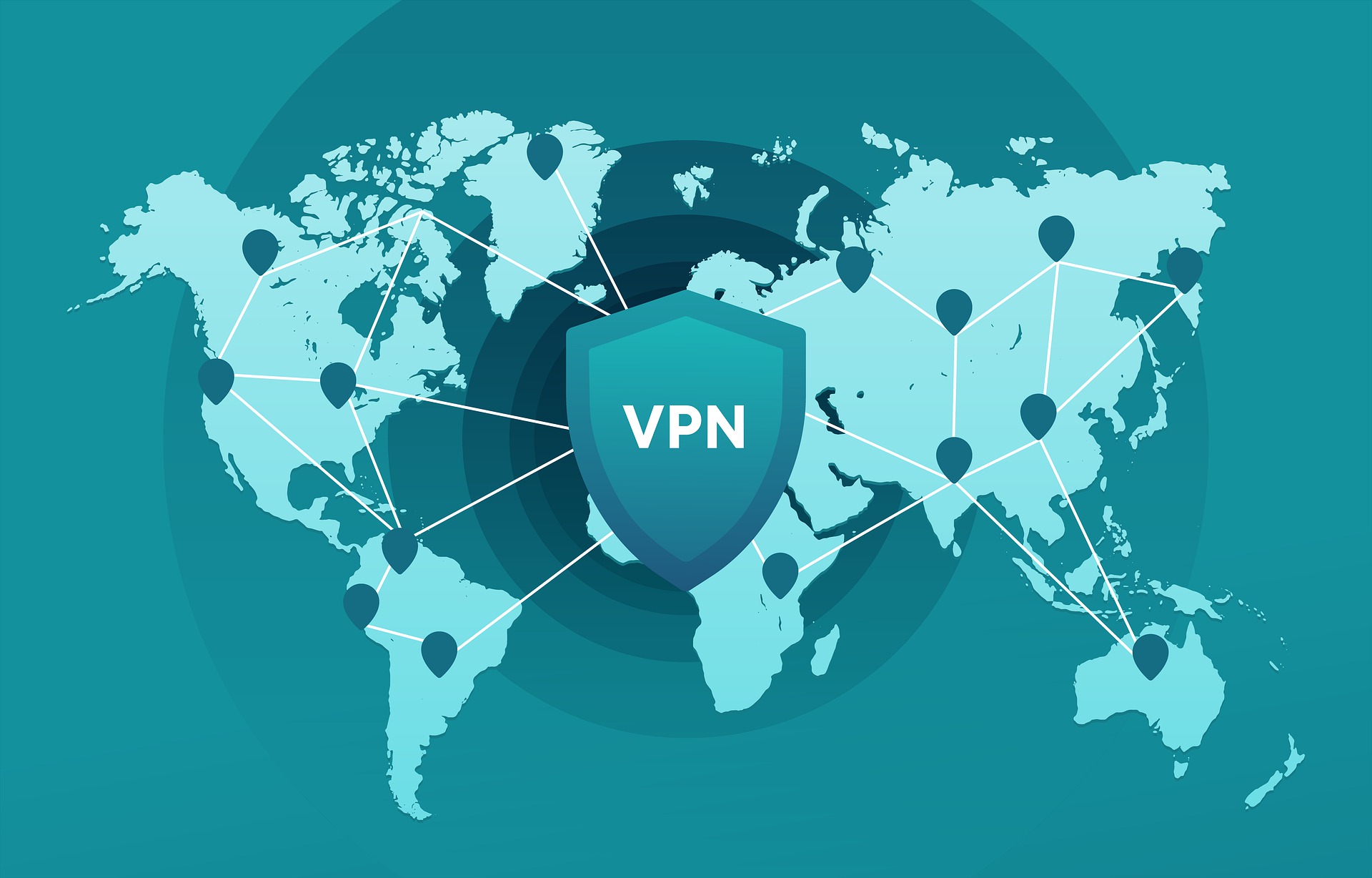
With so many VPN services on the market, one common question is – are all paid VPNs the same? The short answer is no. While paid VPNs generally provide better security, speeds, and features compared to free VPNs, there can still be major differences between providers. Here are the key factors to consider when evaluating paid VPN services.

Privacy and Security

For most of us, VPN meaning equals to privacy and security are the main motives for using a VPN. So, to deliver true privacy protection, a VPN should have a strict no-logs policy, meaning it does not track or store any user activity data that could potentially identify individuals. VPNs that do log data are inherently less private. VPN providers use different encryption protocols to secure connections.

The strongest protocols, like AES-256, SHA-256, and RSA-4096, provide robust encryption that is extremely difficult for hackers to crack. Weaker protocols may be faster but are less secure. Some VPNs offer advanced security features like a kill switch, split tunneling, and ad blocking. A kill switch disconnects your internet if the VPN connection drops to prevent data leaks. Split tunneling allows you to route only some of your traffic through the VPN. And ad blocking prevents ads from tracking you.

Server Network

The number and location of a VPN’s servers impact both speed and ability to bypass geographic restrictions. More servers in diverse locations increase your chances of getting a fast, nearby connection. Wide server coverage also lets you access more geo-restricted content.

Top VPNs have 1,000+ servers in 50+ countries. Budget VPNs tend to have smaller server networks concentrated in a few regions. Limited server selection can result in slower speeds, congestion, and the inability to stream content or websites from certain countries.

Speed and Reliability

VPN encryption has some impact on internet speeds. The extent of the speed reduction depends on factors like the protocol, encryption strength, server load, and your distance to the server. The fastest VPNs can maintain nearly full speeds while connected. Slower VPNs may struggle with activities like HD streaming and gaming.

Speed and reliability also vary based on the server you connect to. Look for VPNs that offer ultra-fast protocols like WireGuard or proprietary protocols optimized for speed. Features like Speed Test servers and connection load balancing also improve speeds.

Streaming Capabilities

Many people use a VPN to access streaming platforms like Netflix, Hulu, ESPN, and BBC iPlayer, that block users from other countries. The best VPNs for streaming can reliably bypass geographic blocks on major streaming services.

VPNs that don’t work with popular streaming sites are less useful for cord-cutters. Having dedicated streaming servers optimized to unblock platforms is also beneficial. Streaming capability should be a key consideration if you plan to use a VPN to watch shows or live sports.

Features

VPN providers include different features to enhance the user experience. For example, top services allow connecting 5+ devices simultaneously under one account. Limiting connections requires setting up multiple accounts. Some VPNs also offer split tunneling, which is useful for excluding specific apps and websites from the VPN tunnel. This prevents speed reduction on services that don’t need a VPN.

Other handy features include a kill switch to prevent data leaks if the VPN drops, DNS and IPv6 leak protection, port forwarding for P2P traffic, and ad blocking for privacy. The more features a VPN provides, the more customizable the experience.

Customer Support

Even the best VPNs encounter technical issues now and then. Good customer support can help you quickly resolve problems. Look for VPNs that offer 24/7 live chat and email support. Phone support is also preferable for urgent issues.

Slow response times or lack of communication will leave you frustrated. VPNs with poor or limited support should be avoided in favor of those that offer timely, knowledgeable assistance.

Pricing and Plans

Paid VPNs range in price from a few dollars to over $10 per month for an annual plan. More expensive VPNs may offer benefits like faster speeds, more features, and extra simultaneous connections. But a higher price doesn’t always equal better service.

Consider the length of subscription plans as well. Monthly billing is the most expensive overall. Opting for 6-month, 1-year, or 2-year plans decreases the monthly cost significantly. But also look for a money-back guarantee in case you want to cancel.

Bottom Line

While paid VPNs are generally better than free ones, there are still major differences between providers in terms of privacy protections, server networks, speeds, streaming capabilities, features, support, and pricing. Taking the time to thoroughly research VPNs can help you select the best one for your specific needs and budget.