DD
MM
YYYY

PAGES

DD
MM
YYYY

spot_img

PAGES

Home Blog Page 4109

CV VC’s Africa Fund raises $20M, Stackr Secures $5.5M, CFTC Achieves Records; LHV Bank Founder Loses $472M in Ethereum

0

CV VC, a Swiss-based venture capital firm, has announced the launch of its Africa fund, which aims to invest in early stage web3 startups across the continent. The fund has raised $20 million from a mix of institutional and private investors and plans to deploy capital in sectors such as decentralized finance, non-fungible tokens, metaverse, and blockchain infrastructure.

The fund is led by a team of experienced African entrepreneurs and investors, who have a deep understanding of the local market and the potential of web3 technologies. The fund will also leverage CV VC’s global network of partners, mentors, and advisors, as well as its portfolio of over 50 web3 companies.

CV VC’s Africa fund is one of the first dedicated web3 funds in the region and reflects the growing interest and adoption of blockchain and crypto in Africa. According to a recent report by Chainalysis, Africa is the third-fastest growing crypto economy in the world, with a 1,200% increase in value received between July 2020 and June 2021.

The fund’s vision is to support the next generation of African innovators and entrepreneurs, who are building solutions that can transform the continent and the world. The fund will provide not only capital, but also mentorship, guidance, and access to a global community of web3 enthusiasts and experts.

CV VC’s Africa fund is currently open for applications from startups that are based in or have a strong focus on Africa. The fund will invest in pre-seed and seed stage companies, with ticket sizes ranging from $50,000 to $500,000. The fund is also looking for co-investors and strategic partners who share its vision and mission.

Stackr raises $5.5 millions to simplify crypto app development for web2 developer

Stackr, a platform that aims to make it easier for web2 developers to build and deploy decentralized applications (dApps) on top of various blockchain protocols, announced today that it has raised $5.5 million in a seed round led by Placeholder, with participation from Fabric Ventures, 1kx, and several angel investors.

The company was founded in 2022 by a team of experienced web2 developers who saw the opportunity to bridge the gap between the traditional web and the emerging web3 ecosystem. Stackr provides a suite of tools and services that enable developers to create, test, and deploy dApps without having to deal with the complexity and fragmentation of the underlying blockchain infrastructure.

Stackr’s platform supports multiple blockchain protocols, including Ethereum, Polygon, Solana, and Near, and allows developers to choose the best fit for their use case. Stackr also integrates with popular web2 frameworks and technologies, such as React, Next.js, GraphQL, and Firebase, to offer a familiar and seamless development experience.

Stackr’s co-founder and CEO, said in a statement: “We believe that web3 is the future of the internet, but we also recognize that there are many challenges and barriers that prevent web2 developers from embracing it. Our mission is to simplify and democratize crypto app development by providing a platform that abstracts away the technical hurdles and lets developers focus on building amazing user experiences.”

Stackr’s seed round will help the company expand its team, grow its community, and launch its platform to the public in early 2024. The company also plans to add more features and integrations to its platform, such as support for more blockchains, identity solutions, storage providers, and analytics tools.

Chris Burniske, partner at Placeholder, said in a statement: “We are impressed by the vision and execution of the Stackr team. They have built a platform that lowers the entry barrier for web2 developers to join the web3 movement and unleash their creativity. We are excited to back them and support their growth.”

CFTC achieves record-breaking enforcement milestones in 2023 amid LHV Bank founder losing $472M in Ethereum

The Commodity Futures Trading Commission (CFTC) has announced that it has reached unprecedented levels of enforcement actions and penalties in the digital asset sector in 2023. The agency, which regulates the derivatives markets in the US, has been actively pursuing cases involving fraud, manipulation, registration violations, and other misconduct involving cryptocurrencies and other digital assets.

According to the CFTC’s annual report, the agency filed 32 enforcement actions related to digital assets in 2023, more than double the number of cases filed in 2022. The agency also obtained more than $1.5 billion in monetary relief, including civil penalties, disgorgement, and restitution, from digital asset defendants. This amount represents a 300% increase from the previous year and the highest ever for the digital asset sector.

Some of the notable cases that the CFTC resolved in 2023 include:

A $200 million settlement with BitMEX, one of the largest cryptocurrency derivatives platforms, for operating an unregistered trading platform and violating anti-money laundering and customer identification rules.

A $100 million settlement with Tether, the issuer of the largest stablecoin, for making false and misleading statements about its reserves and liquidity.

A $50 million settlement with Binance, the world’s largest cryptocurrency exchange, for facilitating illegal transactions and failing to implement adequate controls and compliance programs.

A $25 million settlement with Coinbase, the largest US-based cryptocurrency exchange, for engaging in wash trading and market manipulation on its platform.

A $10 million settlement with Ripple, the developer of the XRP token, for offering and selling unregistered securities and failing to disclose material information to investors.

The CFTC’s acting chairperson, Sarah Raskin, stated that the agency’s enforcement efforts reflect its commitment to protecting investors and ensuring market integrity in the rapidly evolving digital asset space. She added that the CFTC will continue to work closely with its domestic and international counterparts to coordinate regulation and enforcement of digital assets.

The CFTC’s report also highlighted some of the challenges and opportunities that the agency faces in regulating digital assets. These include:

Developing a clear and consistent regulatory framework that balances innovation and consumer protection. Enhancing data collection and analysis capabilities to monitor market activity and identify emerging risks. Increasing staff expertise and resources to keep pace with the growth and complexity of the digital asset sector.

Educating investors and market participants about the benefits and risks of digital assets. Fostering cooperation and collaboration with other regulators, law enforcement agencies, industry associations, and academia.

The CFTC’s report concluded that digital assets are a transformative force that have the potential to create new markets, products, and services, as well as to improve efficiency, transparency, and inclusion in the financial system. The agency stated that it will continue to pursue its mission of fostering open, transparent, competitive, and financially sound markets for digital assets, while protecting investors and the public interest.

LHV bank founder Rain Lohmus loses access to ether worth $472 millions.

In a shocking turn of events, the founder of LHV bank, Rain Lohmus, has reportedly lost access to his digital wallet containing 40,000 ether, worth about $472 millions at the current market price. According to a statement released by Lohmus, he forgot the password to his wallet and has exhausted all the possible recovery options.

Lohmus, who is a prominent figure in the Estonian banking and fintech sector, had invested in ether since 2015, when the cryptocurrency was still in its infancy. He had stored his ether in a hardware wallet, a device that allows users to securely store their private keys offline. However, he claims that he misplaced the paper where he had written down his password and could not remember it.

“I deeply regret this unfortunate situation and I apologize to all my investors and partners who trusted me with their funds. I have tried everything in my power to recover my wallet, but I have failed. I have accepted the fact that I have lost my ether forever,” Lohmus said in his statement.

Lohmus added that he still believes in the potential of blockchain technology and cryptocurrencies, and that he will continue to support the development of the industry. He also urged other crypto investors to be more careful with their passwords and backup methods, and to use reputable custodial services if they are not confident in managing their own wallets.

The incident has sparked a lot of reactions in the crypto community, with some sympathizing with Lohmus and others criticizing him for his negligence. Some have also speculated that Lohmus may have staged the loss as a way to avoid taxes or legal issues, but there is no evidence to support this claim.

Ether is the second-largest cryptocurrency by market capitalization, after bitcoin. It is the native currency of the Ethereum network, a decentralized platform that enables smart contracts and decentralized applications. Ether has seen a massive surge in value this year, reaching an all-time high of over $1,800 in November.


How to Start Working for Yourself

0

In an era defined by innovation and limitless opportunities, the prospect of working for oneself has never been more enticing. The allure of entrepreneurship lies in the freedom to pursue your passion, chart your course, and define your destiny. Yet, taking those initial steps into the world of self-employment can be daunting. In this article, we will explore the key considerations and strategies to successfully embark on the journey of working for yourself. 

Define Your Passion and Purpose

Before you take the leap, introspect deeply. What ignites your passion? What drives your purpose? Starting a business often means long hours and significant challenges. Your unwavering commitment to your venture will be your guiding light through the darkest moments. Choose a path that resonates with your core values and inspires you daily.

Research and Plan Thoroughly

Every successful entrepreneurial journey begins with meticulous research and planning. Study your industry, target market, and competition. Identify gaps and opportunities. Craft a comprehensive business plan that outlines your goals, strategies, and financial projections. A well-thought-out plan will serve as your roadmap to success.

Build a Solid Support Network

Working for yourself doesn’t mean working by yourself. Surround yourself with mentors, advisors, and a network of like-minded individuals who can provide guidance and support. Join industry associations, attend networking events, and seek out mentors who have walked the entrepreneurial path before you.

Financial Preparedness

Starting a business often requires an initial investment of time and money. Ensure you have a financial safety net to cover your living expenses and business costs during the initial phases. Explore funding options such as personal savings, loans, or investors, depending on the scale of your venture.

Develop a Strong Online Presence

In today’s digital age, a robust online presence is essential. Create a professional website, engage with your audience on social media, and invest in online marketing strategies. Your online presence will not only attract customers but also establish your credibility in the industry.

Embrace Continuous Learning

The entrepreneurial journey is a constant learning experience. Stay updated on industry trends, technology, and best practices. Invest in your personal and professional development. The more knowledge you acquire, the better equipped you’ll be to navigate challenges and seize opportunities.

Adaptability and Resilience

Expect setbacks and challenges along the way. Entrepreneurship is not for the faint-hearted. Your ability to adapt to changing circumstances and bounce back from failures will determine your success. Stay resilient, learn from your mistakes, and keep moving forward.

Focus on Customer Value

Your business exists to serve your customers. Always prioritize delivering exceptional value to them. Listen to their feedback, anticipate their needs, and build long-lasting relationships. Satisfied customers can become your most powerful advocates.

Legal and Regulatory Compliance

Ensure that your business complies with all relevant laws and regulations. This includes registering your business, obtaining necessary licenses, and adhering to tax requirements. Legal compliance is essential to protect your business and your reputation.

Celebrate Milestones and Stay Inspired

As you progress on your entrepreneurial journey, take time to celebrate your achievements, no matter how small they may seem. These milestones are a testament to your dedication and hard work. They can also serve as motivation to keep pushing forward. Working for yourself is a rewarding and empowering endeavor. While it requires dedication and perseverance, the freedom and fulfillment it offers are unparalleled. By following these strategies and staying true to your passion, you can embark on a successful journey of entrepreneurship and ultimately define your own path to success.

A Deep Look Into Nigeria’s Future As The Post-Petroleum Society Arrives

0

I used to write long articles here, but when I realized that few have time for such, I stopped writing them. But someone had the time to read one of my old articles which was titled “The Post-Nigerian Petroleum Era”, and came up with how we read these days. Yes, Oluleke Babayomi, Ph.D., R.Eng. read it, and he has “satchetized” it for us.

“Thank you, Prof. Ndubuisi Ekekwe, for this thoughtful, insightful, poetic piece. Since it is a long read, I present a summary of the key points below for the benefit of all.

-Nigeria’s focus on oil has eroded all progress made in the pre-oil era in economics, agriculture, trade and intellectual development.

  • The country’s fate appears grim as oil either loses significance or oil reserves become depleted.

  • The risky political arena has made governance a no-go area to the nation’s brightest and best, hence sham governance has been perpetuated since the demise of the generation of Azikiwe, Awolowo and Bello.

  • Present-day leadership is not driven by any long-term vision to change the status quo.

  • Nigeria’s regional influence will likely be reduced to nothing after the oil-era, leaving only one economically, technologically and politically dominant country on the continent – South Africa.

  • Nigeria’s post-oil era: Many federally-funded institutions and programs will collapse. Presently poorly-funded educational institutions will then be left to fend for themselves and seek external funding. States will become more financially innovative and prudent due to loss of income from the federal purse.

The way out for Nigeria:

1) Invest in education, especially entrepreneurial and technical education to catalyze technological innovation in agriculture and other areas.

2) Develop broadband technologies to catalyze internet-supported business growth.

3) Appropriate education and financial incentives for artisans, traders, sculptors and farmers must be provided to expand their business capabilities.

4) Develop reliable capital markets to finance major capital investments in manufacturing, technology, agriculture and the local petroleum industry.

Here is the tome if you care.

The Post-Nigerian Petroleum Era

Growing A Business With Smart Credits | Tekedia Mini-MBA

0

What is a smart credit? And what is a loan? If a bank offers you a loan of N2 million and a credit card of N2 million at the same interest rate, which one is better?

Sure – the credit is not typically available in Nigeria because it is better. The problem with a bank loan is that on the day the agreement is executed, you start paying, whether the funds have been deployed or not. But on a credit card, you only begin to pay when you use it, and if you do pay back the balances at the end of the month, you may not have extra bills. For a loan, that is not possible.

Of course, a credit card has its own challenges since it can compound the interests (some bank loans do also). Today, at Tekedia Mini-MBA, a startup which is driving a credit economy in Nigeria, focusing on companies, will be teaching. He is not coming to give anyone credit! But you will credit him for the knowledge you will go home with because CREDIT is important in any business and economy. Abeeb Ogunsola of Evea will educate on how to grow a business with smart credits.

Tekedia Institute Mini-MBA is an award-winning business school; registration for the next edition has started; begin here.

THE AFRICA WE WANT: How to Develop True Partnership with Africa

0
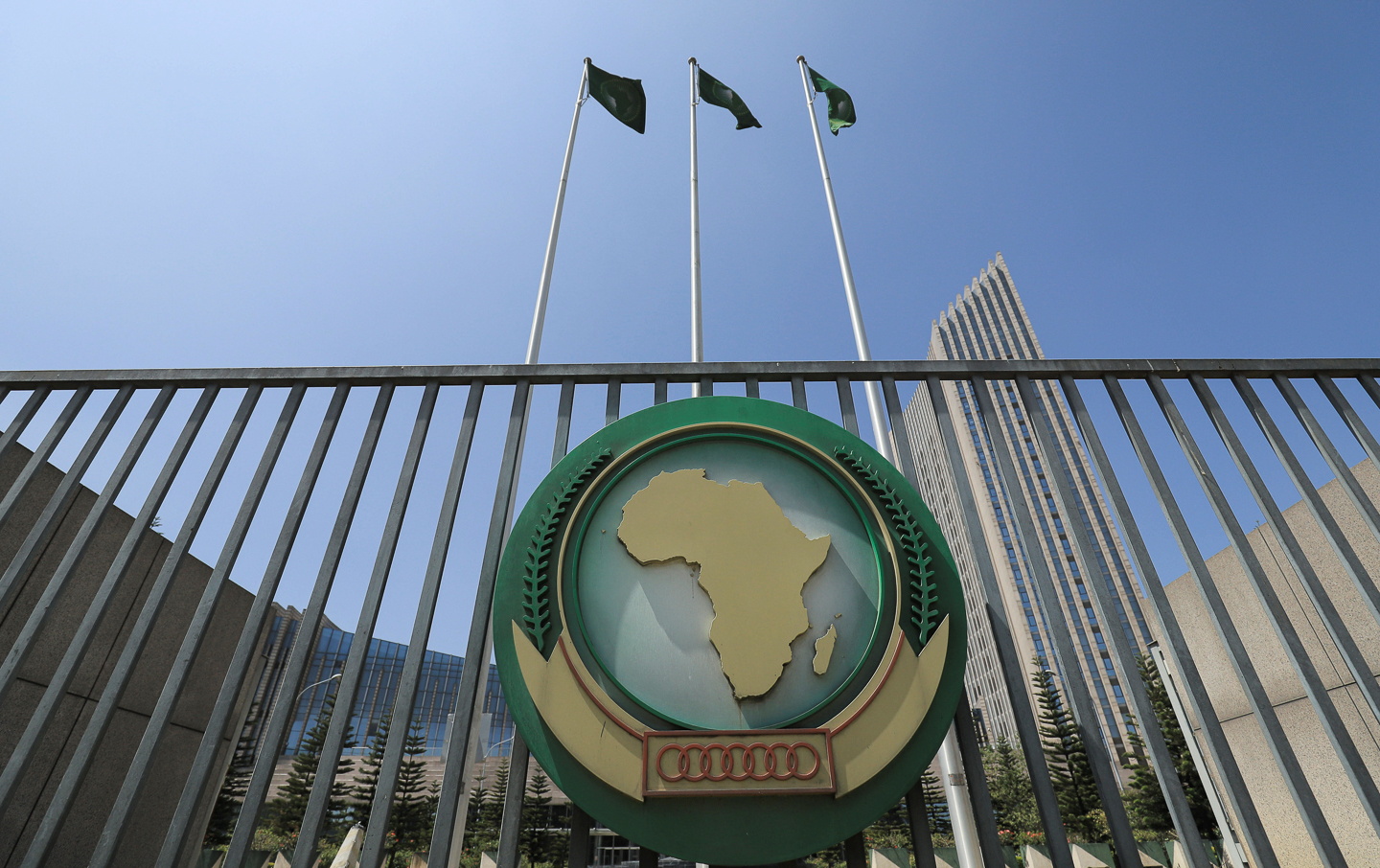
The African Union logo is seen outside the AU headquarters building in Addis Ababa, Ethiopia, November 8, 2021. REUTERS/Tiksa Negeri

Often called the “cradle of humanity,” Africa is a continent endowed with an abundance of natural resources, including minerals, oil, natural gas, lush forests, rich fauna, and vast, arable land. It has 54 independent nations and possesses a sizable portion of the world’s non-renewable and renewable resources. Many African countries, in spite of their potential, have struggled to overcome authoritarianism, violence, and corruption in order to achieve stability. Africa’s prospects are changing as a result of Russia’s recent recognition of the value of fostering a true partnership with the continent.

Russia made a big shift in its foreign policy concept in 2023 when it recognised Africa as a “distinctive and influential centre of world development.” This change represents a sea change in the nation’s strategy for engaging with Africa. Russia’s perspective on Africa has shifted from being limited to natural resources and geopolitical concerns. Rather, it acknowledges Africa’s capacity to play a significant role in determining the course of our multipolar world.

The adoption of a final declaration at the Russia-Africa Summit marked a crucial turning point in this developing partnership. In order to strengthen Russian-African collaboration in a number of areas, including science, technology, culture, politics, security, and the economy, this declaration sets forward some rather ambitious aims and objectives.

The level of commitment is demonstrated by the Memoranda of Understanding that the African Union and the Government of the Russian Federation as well as the Eurasian Economic Commission inked. These agreements provide a solid basis for the formation of strategic partnerships while reinforcing collaboration based on economic principles.

Africa and Russia have always had a close relationship. Throughout Africa, Russia has continuously backed national liberation movements. The nation has been essential to small states and the growth of their economy. Russia has also contributed to the development of strong military forces. Crucially, the tenets of respect for one another and refraining from meddling in internal matters have formed the foundation of this collaboration. Africa has never been seen by Russia as just a place to get labour or raw commodities.

The level of dedication to Africa is shown in the Russian Federation – African Union Action Plan for 2023–2026. In keeping with the African Union’s Agenda 2063, it sets priorities and suggests ways to maximise the potential of the collaboration between Russia and Africa in areas of shared interest. This agenda, which looks forward, aims to build “The Africa We Want” and represents Russia’s and Africa’s long-term vision for cooperation.

The Action Plan highlights a number of important areas of concentration, such as economic cooperation, social and cultural interaction, political and security cooperation, and a strong structure for carrying out the plan. This all-encompassing strategy highlights Russia’s goal to be an authentic participant in Africa’s development process.

Russia’s commitment to Africa is an “invariable priority” in its foreign policy, as President Vladimir Putin correctly emphasised. This commitment stems from a sincere wish to assist Africa in becoming a global leader in the emerging multipolar world. Russia’s changing strategy, which is based on friendship and respect for one another, offers hope for a better future for Africa. Russia and Africa can work together to create a rich, peaceful, and stable continent that will fulfil the dreams of its people and have a beneficial influence on the world stage if they have a common vision and take cooperative action.