DD
MM
YYYY

PAGES

DD
MM
YYYY

spot_img

PAGES

Home Blog Page 4114

10 Best Cryptos to Invest in 2023 for 10x Returns- The Ultimate Guide for Buying Cryptos That Will Make You a Millionaire

0

Cryptocurrency markets have been booming throughout 2023, but things really took off in recent months with the release of countless new platforms. Most investors put their hard-earned money into crypto presales, expecting the highest returns after the projects go live.

However, only a few emerging cryptos show potential, so knowing which ones will result in the highest ROI is essential. The guide we put together will help you find the top 10 best cryptos to invest in 2023. Below is a list of the best crypto investments right now, with more details on each in the following review section. So, let’s get right into the details.

10 Best Cryptocurrencies To Invest in 2023 Listed

The list below gives a quick overview of the ten best cryptocurrencies on the market for the remainder of 2023. You can find more details about each one in the review section below.

  1. Ripple – Most Undervalued Altcoin To Invest Today
  2. Solana – Best Ethereum Alternatives
  3. Cardano – Secure and Scalable Crypto Platform
  4. Chainlink – Crypto Platform That Acts as a Bridge Between Blockchains
  5. Enjin – Innovative protocol Based on the Ethereum blockchain for developing NFTs and next-gen fungibles. There are dual tokens available with ENJ used to infuse NFTs and EFI used to drive the metaverse.
  6. ApeCoin – A utility and governance token designed to support the APE ecosystem, which originated from the Bored Ape Yacht Club (BAYC). BAYC is the most popular NFT collection of all time consisting of 10,000 unique cartoon ape images.
  7. Polygon – Cheap crypto to buy and hold beyond 2023
  8. Chiliz – Blockchain provider dedicated to revolutionizing the sports and entertainment sectors. Chiliz allows users to engage with and undertake unique experiences with their top teams.
  9. Avalanche – Avalanche is a blockchain platform that utilizes a unique proof of stake (PoS) mechanism to address the blockchain hurdles of scalability, security, and decentralization.
  10. The Sandbox – The Sandbox is a fun crypto metaverse game that allows users to buy metaverse plots known as LAND.

>>>Buy The Best Coin Now<<<

Top 10 Cryptos To Buy In 2023 Reviewed

Welcome to the review section, where we will provide all the details about the best cryptos to invest in 2023. Some are still in presale, while some are well-established platforms that have attracted investors for years, but all are expected to keep growing steadily.

Those wondering, “What is the best cryptocurrency to invest in?” might also want to read our guide on how to buy cryptocurrency safely with a regulated crypto exchange. However,  without further ado, let’s dive in and explore the promising crypto projects that we’ve listed above:

1. Ripple (XRP) – Most Undervalued Altcoin to Buy Today

When Ripple launched, the majority of analysts and investors were convinced that it posed the biggest threat to Bitcoin’s dominance. Some called it the ultimate Bitcoin killer. It was quickly picked by financial institutions across the world as it promises to replace swift and revolutionize cross-border payments.

By the time it peaked in early 2018, Ripple token prices were more than 68000% above its introductory price. Then, Ripple Labs and its directors were sued by the SEC in a US federal court and the shock move sent XRP’s price to the floor.
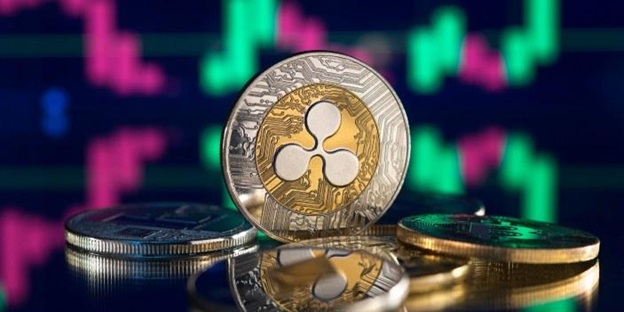
Today, XRP is trading at a discounted price – more than 90% below its all-time high. This makes them one of the most undervalued cryptocurrencies, especially when you consider that it is only trading at this level because of the negative pressure brought about by the ongoing SEC case.

We consider XRP the best altcoin to buy for speculative investment purposes because a growing number of analysts, fintech experts, and legal minds expect the case to end soon and in Ripple’s favour.

But just how high can Ripple token prices get in the future? Well, crypto analysts are massively optimistic about XRP’s future and expect it to rally by as much as 5000% to break above $15 by the turn of the decade.

>>>Buy XRP Now<<<

2. Solana – Best Ethereum Alternative

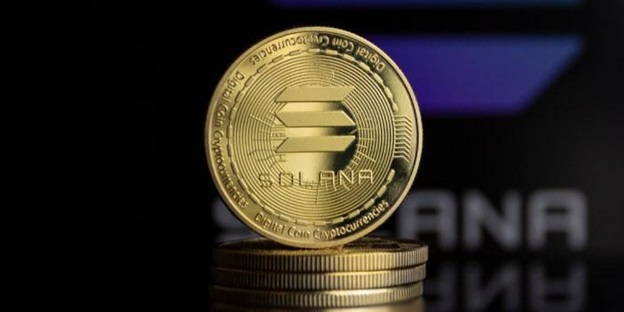
Solana has been one of the most popular crypto investments in the past few years as it’s surrounded by a massive community that offers excellent tokenomics and high token utilization. The platform provides high transaction speeds and scalability and has proven to be one of the best alternatives to Ethereum and other blockchains.

It’s ranked the ninth-highest cryptocurrency platform by market cap and is a common part of millions of crypto wallets worldwide. The platform has entered a downward phase recently due to the liquidation of FTX, but even that didn’t push the prices of SOL tokens lower than $19. Most industry experts expect SOL tokens to double in value in the next few years, making them one of the best investment options in 2023. SOL tokens are currently affordable, but you should be ready for the long run if you invest.
>>>Buy Solana Now<<<

 3. Cardano – Secure and Scalable Crypto Platform

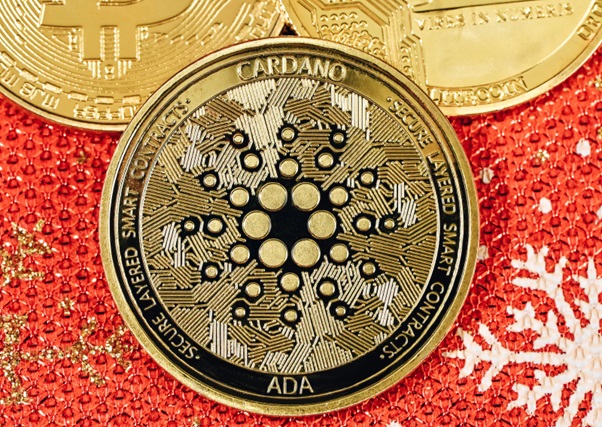
Cardano is also one of the most popular cryptos on the market. It offers high token utilization, excellent adoption, and good tokenomics and enjoys massive support from the entire crypto community. The platform is ranked as the seventh-highest crypto by market cap and is proving to be one of the most secure platforms on the market.

Cardano’s primary goal is to provide an efficient, sustainable, and interoperable platform for running decentralized apps and executing smart contracts. It’s one of the most stable and easiest scalable platforms on the market, which is why it’s backed by an impressive community. Cardano’s features will make it a must-have crypto moving forward, so it’s one of the best investment options in 2023 and beyond.
>>>Buy Cardano Now<<<

4. Chainlink – Crypto Platform That Acts as a Bridge Between Blockchains

Chainlink is a decentralized oracle network designed to be a secure bridge between blockchains and external data points. It uses smart contracts to facilitate faster and easier transactions. The platform proved exceptionally well organized, so even Google adopted it to make it easier for users to connect to cloud services.

The platform has since become a part of numerous other companies that deal with vast numbers of data points and inputs. Its ability to measure data accurately and transparently ensures long-lasting success in the crypto ecosystem. Chainlink will likely become a part of many other companies and processes in the future, so investing right now can help you get the highest returns down the road.

>>>Buy Chainlink Now<<<

5. Enjin (ENJ) – Innovative Protocol for Deploying NFTs in Gaming

Enjin Coin is another game-focused metaverse product from the crypto world, this time focused on making its token the go-to digital asset for in-game items.

Enjin aims to become the “largest gaming community platform online” and already boasts the involvement of 250,000 gaming communities with a total of 18.7 million gamers.

The Enjin team are innovators in the NFT field, with a token they invented winning approval as an Ethereum token standard for specialized NFTs – ERC-1155.

Similarly to The Sandbox, Enjin distributes software development kits (SDKs) to developers in order to facilitate rapid deployment of integrations into games.

>>>Buy Enjin Now<<<

6. ApeCoin (APE) – Popular ‘Meme Coin’ with Huge Price Potential

As the name implies, ApeCoin is an ERC-20 token that is inextricably linked to Bored Ape Yacht Club – one of the most expensive NFTs on the market.

Although BAYCs creators are not directly involved in the ApeCoin project, the token has become synonymous with the NFT collection – and will even be used in the upcoming ‘Otherside’ metaverse project.

When ApeCoin was released in March 2022, it was airdropped to BAYC holders, which essentially amounted to free money. Due to the hype around the NFT collection, the APE price immediately rocketed, as retail investors chose to buy tokens thanks to the hype being driven by social media.

However, APE’s price has fallen from March’s highs as the coin has struggled to find real-world use cases. ApeCoin has been implemented into certain blockchain-based games, such as Benji Bananas, which has provided some utility. Regardless, due to the immense community backing that BAYC (and ApeCoin) has, this coin still has great price potential over the longer term.

>>>Buy ApeCoin Now<<<

7. Polygon (MATIC) – Cheap Altcoin to Buy and Hold Beyond 2023

Polygon is one of the most trending crypto assets to follow now as it is the largest scaling solution for the Ethereum network. It was designed to solve the scalability issue facing the smart contract platform. And MATIC makes it to our list of best altcoins for years later because of its hugely promising future.

It also makes it here because of its proven resilience. It, for example, hasn’t only withstood several market crashes but recently withstood the Ethereum upgrade by standing firm in the face of a more scalable and effective ETH network.

Moving into 2023, we expect MATIC token prices to recover from the current crypto winter as it has always done. And should the market turn bullish, we are confident that it can gain the 360% needed to recapture its 2021 highs before rising to a new price record.
In addition to resilience, other factors that inform our bullishness on Polygon’s future include such factors as its multi-chain feature. This says that Polygon will soon roll out its L-2 scaling solution to other blockchains, growing the use cases for its MATIC tokens exponentially. This, plus a recovering crypto market and sped-up adoption of blockchain technology, are all expected to catapult MATIC’s price to unimaginable heights.

>>>Buy MATIC Now<<<

8. Chiliz (CHZ) – New Crypto in the Fan Token Niche

Chiliz is another top crypto to buy with high value potential. Put simply, Chiliz is the token that powers the Socios fan token platform. For those unaware, fan tokens are cryptos issued by sports teams (e.g. F1 teams, football teams) that provide the owner with unique benefits and voting rights.

At the time of writing, the Socios platform has partnered with an array of well-known names, including Paris Saint-Germain (PSG) and FC Barcelona.

This means that people can buy Chiliz (CHZ) to gain unique perks related to these teams. Given the hardcore fan bases that many teams have, some of these fan tokens have seen substantial value increases.

Chiliz will soon move to its own blockchain rather than relying on the Ethereum network, creating even more utility for the CHZ token. Due to the enormous potential that fan tokens have, there’s a case to be made that CHZ is one of the best cryptos to buy now.

>>>Buy CHZ Now<<<

  1. Avalanche (AVAX) – Viable Blockchain Alternative to Ethereum

Avalanche is a blockchain network that takes a unique approach to scalability, allowing it to rival the current ‘top dogs’ within the crypto space.

Instead of using one blockchain, as is the standard approach, Avalanche uses three separate chains. Each chain is used for a specific task, allowing Avalanche to handle up to 50,000 transactions per second (TPS).

This approach has attracted the attention of dApp developers, who are growing tired of Ethereum’s incredibly-high GAS fees. By using the Avalanche Consensus Protocol, the network can offer transaction fees that are much more acceptable – whilst maintaining a high level of scalability.
Avalanche’s native token is AVAX, which is used to pay network fees and for staking. Those who stake their AVAX to become a network validator can earn up to 10% APY, which is far higher than the rates offered within the traditional banking sector. Overall, although the price of AVAX is down significantly from where it was last year, this crypto still has enormous potential going forward.

>>>Buy AVAX Now<<<

10. Sandbox (SAND) – Metaverse and Gaming Digital Asset Monetization Platform

The Sandbox platform is an ecosystem where gamers can create, own, and monetise their activities with the help of non-fungible tokens (NFTs) and its utility token, $SAND. NFTs are in effect a digital certificate of ownership.

Players can use NFTs to assign verifiable ownership to their digital assets, integrate into games and trade on marketplaces. The Sandbox provides tools such as the Game Maker to enable player engagement.

Also, The Sandbox virtual world – or metaverse – is composed of digital lots of real estate bought with LAND tokens, where players can become digital property developers and interact.

Companies such as Facebook owner Meta are betting big on the metaverse as the next iteration of the internet, where people will work, play, socialize and shop, so there will be money to be made. The Sandbox is an excellent new cryptocurrency to buy as it allows traders to invest in the metaverse.

>>>Buy SAND Now<<<

Wrapping Up

As you can see, there are plenty of investment options that are expected to result in some of the highest returns in 2023. All ten cryptos we covered above are entering a bullish phase, but Solana, XRP, and Cardno are the most likely to explode by the end of the year. Visit the official sites, invest early, and you will likely enjoy some of the highest gains in crypto markets this year. Good luck!

Investigating Sustainable Approaches and Renewable Solutions within Bitcoin and Energy Innovation

0

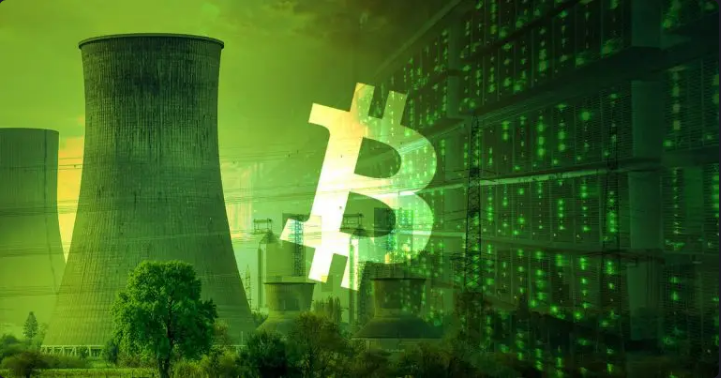
In recent years, the intersection of cryptocurrency, particularly Bitcoin, and sustainable energy solutions has garnered significant attention. As the world grapples with the challenges posed by climate change and the depletion of non-renewable resources, it is imperative to explore innovative ways to harness renewable energy sources and integrate them with cryptocurrency mining, specifically Bitcoin mining. This article delves into the exciting realm of sustainable approaches and renewable solutions within Bitcoin and energy innovation, highlighting the potential benefits, challenges, and opportunities that this convergence presents. Discover a world of possibilities in Bitcoin trading by visiting https://enigmaprofit.com/, a platform designed to empower traders of all backgrounds and experience levels to thrive in the market.

The Bitcoin Landscape: Energy Consumption and Environmental Concerns

Bitcoin, the groundbreaking digital currency, has transformed the landscape of finance while causing significant disruptions to conventional payment methods. Nevertheless, the swift expansion and widespread acceptance of Bitcoin have sparked apprehensions regarding its ecological footprint. The procedure known as Bitcoin mining, which involves generating new coins and validating transactions, necessitates extensive computational capabilities, resulting in considerable energy usage. Consequently, this has ignited discussions concerning the viability of Bitcoin’s sustainability and its alignment with international endeavors aimed at curbing carbon emissions.

Renewable Energy: A Beacon of Hope

As a response to the environmental apprehensions linked with the practice of Bitcoin mining, the sector is progressively delving into the utilization of renewable energy sources as a feasible remedy. Renewable energy, encompassing solar, wind, hydroelectric, and geothermal power, presents a promising avenue for driving cryptocurrency mining activities with minimal ecological impact. By tapping into the planet’s innate resources, these technological advancements have the capacity to establish an environmentally sustainable bedrock for the functioning of the Bitcoin network.

Solar Energy: Illuminating the Path Forward

Solar energy, one of the most abundant and accessible renewable sources, holds significant promise for powering Bitcoin mining operations. Solar panels can be installed in various locations, including desert areas with ample sunlight, to generate clean electricity. This energy can then be directed towards mining activities, reducing the reliance on non-renewable energy sources and decreasing the carbon footprint of Bitcoin mining.

Overcoming Challenges: Integration and Infrastructure

While the concept of integrating renewable energy with Bitcoin mining is enticing, several challenges must be addressed to realize this vision. One major hurdle is the intermittent nature of renewable energy sources. Solar and wind power generation, for instance, is contingent on weather conditions, making it difficult to maintain a consistent energy supply for continuous mining operations.

Energy Storage and Grid Integration

To overcome the intermittency challenge, energy storage solutions such as advanced batteries could play a pivotal role. By storing excess energy generated during peak production periods, mining operations can access a stable power supply even when the sun isn’t shining or the wind isn’t blowing. Additionally, efforts to integrate renewable energy sources with existing power grids must be undertaken to ensure seamless and reliable energy distribution.

Innovations on the Horizon: Energy-Efficient Mining Algorithms

Beyond the realm of energy sources, the development of energy-efficient mining algorithms is another avenue for enhancing the sustainability of Bitcoin mining. Traditional proof-of-work algorithms, while secure, are energy-intensive. Researchers and developers are actively exploring alternative consensus mechanisms, such as proof-of-stake, which require significantly less energy to validate transactions and maintain the blockchain.

Shaping the Future Landscape

The integration of sustainable energy solutions with Bitcoin mining not only addresses environmental concerns but also has the potential to reshape the entire cryptocurrency landscape. As society becomes more environmentally conscious, cryptocurrency projects that demonstrate a commitment to sustainability are likely to gain favor among users, investors, and regulators alike.

Conclusion

In conclusion, the synergy between Bitcoin and energy innovation is a dynamic field with far-reaching implications. The exploration of renewable energy sources, particularly solar energy, in powering Bitcoin mining operations holds the promise of reducing the carbon footprint associated with cryptocurrency. While challenges exist, including intermittency and energy-efficient algorithms, the relentless pursuit of sustainable approaches within the cryptocurrency space paves the way for a greener and more eco-conscious future.As the cryptocurrency and energy sectors continue to evolve, it is imperative that stakeholders collaborate to drive innovation and ensure the responsible growth of both industries. The integration of sustainable energy solutions within Bitcoin mining represents a tangible step towards a more sustainable and harmonious coexistence between technology and the environment.

The 2030s will Bring SpaceX Starlink Phones, iPhone Sat, Huawei Mate, etc at Scale

0

Telcos in Africa will have to wake up to a new competitive redesign because competition is not necessarily going to be all local. Typically, every 10 years, something new happens. The Voice Telephony age of the 2000s, the Mobile Internet age of 2010s, and the Application Utility one we are in the 2020s. By the 2030s, I expect the satellite era to be here at scale.

A massive disintermediation is coming, and what GSM operators did to CDMA companies will happen to some of them, from satellite operators. Cost and coverage will continue to be the factors, and the sats have an opportunity.

One thing needs to happen: satellite phones need to have the form factor, size, shape, and general feel of terrestrial phones. Huawei Mate 60 Pro has shown that it is possible. I now await for SpaceX Starlink Phones to arrive because it is the right thing to do. And by the time Apple adds that in the iPhone, a new basis of competition is born, and we will see a new telco reborn.

The New Race for Telcos is Satellite Phones – and Huawei Mate 60 Begins It

The New Race for Telcos is Satellite Phones – and Huawei Mate 60 Begins It

1

Satellite phones, also known as satphones, are mobile devices that use satellites orbiting the Earth to provide voice and data services. Unlike conventional cell phones, which rely on terrestrial networks of cell towers and base stations, satellite phones can operate anywhere on the planet, even in remote areas where there is no cellular coverage. Satellite phones also offer advantages such as encryption, low latency, and resilience to natural disasters and cyberattacks.

Satellite phones are the latest trend in the smartphone market, as two of the biggest players, iPhone and Huawei, compete to offer the best connectivity and features.

iPhone and Huawei are both investing heavily in developing and launching their own satellites and satellite phones. iPhone announced its iPhone 14 Pro Max Satellite Edition, which can make calls and send texts via satellite when there is no cellular coverage. The phone also has a dual-SIM feature that allows users to switch between satellite and cellular networks. Huawei unveiled its Huawei Mate 60 Pro Satellite Phone, which claims to have faster data speeds and longer battery life than its rival. The phone also has a triple-camera system that can capture high-resolution images from space.

The iPhone 15 Pro is not just another smartphone. It is a groundbreaking device that combines cutting-edge technology with stunning aesthetics. The iPhone 15 Pro is the first iPhone to feature an aerospace?grade titanium design, using the same alloy that spacecraft use for missions to Mars. This means that the iPhone 15 Pro is incredibly durable, lightweight and resistant to corrosion. The titanium design also gives the iPhone 15 Pro a sleek and futuristic look that sets it apart from other phones. The iPhone 15 Pro is more than just a phone. It is a piece of art that you can hold in your hand.

Both companies are aiming to capture a large share of the growing satellite phone market, which is expected to reach $5.5 billion by 2026, according to a report by Research and Markets. The report cites the increasing demand for reliable and secure communication, especially in sectors such as defense, maritime, aviation, and emergency services. However, there are also some challenges and limitations that satellite phone users may face, such as:

Limited coverage: Satellite phones rely on the availability and visibility of satellites, which may not always be optimal. For instance, some satellites may not cover certain regions or countries due to legal or political restrictions. Some satellites may also have low orbits or narrow beams that require users to point their phones in a specific direction or angle. Additionally, some environmental factors such as weather, terrain, buildings, or foliage may interfere with the signal quality or reception.

Regulatory issues: Satellite phones are subject to different regulations and laws depending on the country or region where they are used. Some countries may require users to obtain a license or a permit before using a satellite phone, while others may ban or restrict them altogether. Users may also face legal consequences if they use satellite phones for illegal or malicious purposes, such as espionage, terrorism, or smuggling.

Satellite phones are no longer a niche product for adventurers and explorers. They are becoming a mainstream option for consumers and businesses who want reliable, secure and global communication. In this blog post, we will look at how satellite phones are transforming the telecommunications industry and why they are the new race for Telcos.

The demand for satellite phones is growing rapidly, especially in emerging markets where terrestrial infrastructure is lacking or unreliable. According to a report by Global Market Insights, the global satellite phone market size was valued at USD 4.4 billion in 2020 and is expected to grow at a compound annual growth rate (CAGR) of 7.1% from 2021 to 2027. The report cites factors such as increasing adoption of satellite phones by government agencies, military personnel, emergency responders, media professionals, and travelers as drivers of the market growth.

The rise of satellite phones poses a challenge for traditional Telcos, who have invested heavily in building and maintaining terrestrial networks. Telcos face the risk of losing customers and revenue to satellite phone providers, who can offer better coverage, quality and security at competitive prices. To stay relevant and competitive in the changing market, Telcos need to embrace satellite phones as part of their product portfolio and service offerings.

Some Telcos have already recognized the opportunity and partnered with satellite phone providers to offer hybrid solutions that combine terrestrial and satellite networks. For example, AT&T has teamed up with Iridium, one of the leading satellite phone providers, to offer Iridium Certus service, which enables AT&T customers to use their existing devices and SIM cards to access voice and data services via Iridium’s network of 66 low-Earth orbit (LEO) satellites.

Similarly, Verizon has partnered with Inmarsat, another major satellite phone provider, to offer Globalstar service, which allows Verizon customers to use their existing devices and SIM cards to access voice and data services via Globalstar’s network of 24 LEO satellites.

By offering hybrid solutions, Telcos can leverage their existing customer base and infrastructure while expanding their coverage and capabilities. Hybrid solutions can also help Telcos differentiate themselves from their competitors and create new revenue streams from value-added services such as roaming, international calling, data plans, and device rentals.

Satellite phones are not only a threat but also an opportunity for Telcos. By adopting satellite phones as part of their strategy, Telcos can position themselves as innovative and customer-centric players in the telecommunications industry. Satellite phones are the new race for Telcos, and the winners will be those who can adapt and evolve with the changing market dynamics.

Satellite phones are an innovative and exciting technology that offer many benefits for communication and connectivity. However, they also come with some challenges and risks that users should be aware of and prepared for. As iPhone and Huawei compete to dominate the satellite phone market, it will be interesting to see how they address these issues and how they differentiate their products and services from each other.

PayPal Hit With Antitrust Lawsuit, Accused of Unfair Practices With Stripe, Shopify, and Others

0

Giant payment platform PayPal is currently dealing with a fresh antitrust lawsuit that accuses it of engaging in practices that suppress competition, particularly with rivals like Stripe and Shopify.

According to an independent investigation by U.S. law firm Hagens Berman, it disclosed that PayPal has subjected consumers to excess charges when purchasing from merchants that accept PayPal or Venmo.

The suit further states that PayPal’s merchant agreements, which all merchants must sign to accept payments via its platform, lead to consumers paying more to make purchases.

This implies that if a merchant made a payment to a retailer that accepts PayPal or Venmo, that merchant was bound by PayPal’s agreements, meaning they paid an excess price. 

Furthermore, attorneys at the U.S. court said that all consumers using non-PayPal methods of payment may have a claim and right to reimbursement, alleging that if PayPal’s agreements were transparent, consumers would quickly see a price difference between PayPal and its competitors.

PayPal’s anti-steering rules do not allow discounts on non-PayPal transactions and PayPal’s industry high fees are baked into the prices consumers pay when they purchase goods online.  

In a statement, the attorneys representing the class said: “Consumers end up paying more for all transactions as a result of PayPal’s policies and industry-high rates. PayPal generated total revenues in 2022 exceeding $27 billion, most of it coming from these fees.”

Also, merchants cannot tell customers that other payment methods are more cost-effective or preferred, according to the complaint. They are even barred from presenting other forms of payment earlier in the checkout process.

The lawsuit seeks repayment to merchants who paid excessive fees due to PayPal’s anti-steering rules, as well as a request to the court to put an end to PayPal’s policies and merchant agreements that enforce these rates.

Notably, these legal actions underscore concerns about PayPal’s market dominance and its potential impact on stifling innovation and limiting choices for consumers.

PayPal for a long time has been a major player in the fintech sector, with a significant market share in various financial services, including online payments, digital wallets, and peer-to-peer transfers. Some argue that its dominant position can make it challenging for smaller fintech startups to compete effectively.

While Fintech is known for offering a wide array of financial services and products, however, if one company has too much dominance in the market, it could limit consumers’ choices by influencing which fintech services gain prominence.

This action highlights the need for regulatory authorities to closely examine the fintech industry to maintain fair competition and encourage a diverse marketplace. It is important to strike a balance between fostering innovation and ensuring a fair marketplace.