DD
MM
YYYY

PAGES

DD
MM
YYYY

spot_img

PAGES

Home Blog Page 4129

Securities and Exchange Commission (SEC): What It Is and What It Does

3

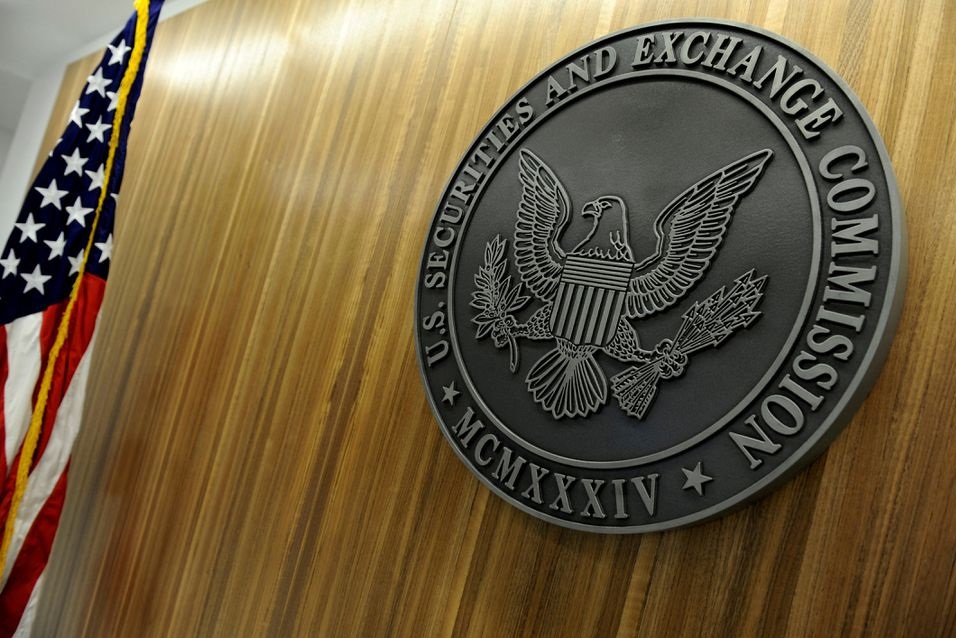
The Securities and Exchange Commission (SEC) is a U.S. federal agency that regulates the securities markets and protects investors. The SEC was created by the Securities Act of 1933 and the Securities Exchange Act of 1934, which were passed in response to the stock market crash of 1929 and the Great Depression. The SEC’s mission is to promote fair and efficient markets, facilitate capital formation, and enforce federal securities laws.

The SEC has five commissioners who are appointed by the president and confirmed by the Senate. One of them is designated as the chair, who is the head of the agency. The commissioners serve staggered five-year terms and no more than three of them can belong to the same political party. The current chair is Gary Gensler, who took office in April 2021. The SEC has four main divisions and 23 offices that carry out its functions. The divisions are:

Division of Corporation Finance: This division oversees the disclosure and registration of securities offerings, such as initial public offerings (IPOs), mergers and acquisitions, and periodic reports by public companies.

Division of Trading and Markets: This division regulates the activities of broker-dealers, exchanges, clearing agencies, transfer agents, and other market participants. It also sets standards for market integrity, investor protection and fair competition.

Division of Investment Management: This division regulates the investment management industry, including mutual funds, exchange-traded funds (ETFs), investment advisers, and other investment products and services.

Division of Enforcement: This division investigates and prosecutes violations of federal securities laws, such as fraud, insider trading, market manipulation, and accounting irregularities. It can bring civil actions in federal courts or administrative proceedings before an administrative law judge. It can also refer cases to the Department of Justice for criminal prosecution.

The SEC also has several offices that provide support and guidance to the divisions and the public. Some of these offices are:

Office of the General Counsel: This office serves as the chief legal adviser to the SEC and represents the agency in litigation and other legal matters.

Office of Compliance Inspections and Examinations: This office conducts examinations of registered entities, such as broker-dealers, investment advisers, and mutual funds, to assess their compliance with federal securities laws and regulations.

Office of Investor Education and Advocacy: This office provides information and assistance to investors and responds to their complaints and inquiries. It also conducts outreach programs to educate investors about their rights and responsibilities.

Office of Economic Analysis: This office provides economic analysis and research to support the SEC’s rulemaking, enforcement, and examination activities. It also evaluates the economic impact of SEC actions on the markets and investors.

The SEC plays a vital role in maintaining the stability and efficiency of the US exchange and security market, the latest fiasco with major crypto exchanges and protocols is generating intense criticism from crypto enthusiasts and policy makers as this scenario will determine crypto usage in the United States.

SEC Claims Binance Implemented Tia Chi Plan

0

The US Securities and Exchange Commission (SEC) has filed a lawsuit against Binance, the world’s largest cryptocurrency exchange by trading volume, accusing it of violating US securities laws and deceiving US investors. The lawsuit, which was filed on June 5, 2023, alleges that Binance and its CEO Changpeng Zhao (CZ) implemented a plan to evade US regulation and operate an unlicensed securities exchange in the US.

According to the SEC, Binance devised a scheme called the “Tai Chi plan”, which involved creating a separate entity called Binance.US that would act as a decoy for US regulators and enforcement actions, while Binance continued to serve US customers through its main platform. The SEC claims that Binance and CZ controlled Binance.US behind the scenes, and that Binance.US was not independent or compliant with US laws.

According to a 2020 Forbes report, which cited a leaked document from 2018, the Tai Chi plan was a strategy devised by Binance to create a separate entity in the US that would act as a decoy for regulators and law enforcement, while the main exchange would continue to serve US customers through VPNs and other methods. The plan also involved moving funds between the two entities and using influencers and lobbyists to sway public opinion and regulatory decisions.

The SEC also alleges that Binance mixed billions of dollars in customer funds and secretly transferred them to a separate company controlled by CZ, putting customer assets at risk. The SEC says that Binance failed to disclose these transfers to its customers or regulators, and that it violated anti-money laundering and investor protection rules.

The SEC is seeking injunctive relief, disgorgement of ill-gotten gains, civil penalties, and a permanent ban on Binance and CZ from operating in the US. The SEC says that its action is necessary to protect US investors and markets from fraud and manipulation by unregulated entities.

Binance has denied the allegations and vowed to vigorously defend itself in court. Binance says that the allegations are “simply wrong” and that it has always complied with applicable laws and regulations. Binance also says that all customer assets on Binance and Binance affiliate platforms, including Binance.US, are safe and secure.

The SEC alleges that Binance and CZ knowingly allowed US customers to access Binance.com through various means, such as using virtual private networks (VPNs) to mask their IP addresses or using third-party intermediaries to transfer funds. The SEC also alleges that Binance and CZ failed to implement adequate anti-money laundering (AML) and know-your-customer (KYC) policies and procedures, and mixed billions of dollars of customer funds with their own funds in offshore accounts.

The SEC is seeking injunctive relief, disgorgement of ill-gotten gains, civil penalties, and permanent bans on Binance and CZ from engaging in any securities-related activities in the US. The SEC also wants Binance and CZ to register Binance.US as a securities exchange and comply with all applicable laws and regulations.

The lawsuit is the latest in a series of regulatory actions against Binance by various authorities around the world. Binance has faced scrutiny from regulators in China, Japan, UK, Germany, Italy, Singapore, Canada, Brazil, Thailand, Cayman Islands, and Hong Kong over its compliance with local laws and regulations. Binance has also been sued by several customers who claim that they lost money due to technical glitches, hacks, or unfair practices by the exchange.

The SEC has been cracking down on what it considers unregistered securities offerings and fraudulent schemes in the crypto space, such as initial coin offerings (ICOs), decentralized finance (DeFi) protocols, stablecoins, and lending platforms. The SEC has also been pursuing enforcement actions against individuals and entities that promote or facilitate these activities, such as influencers, brokers, exchanges, and custodians.

The outcome of the lawsuit could have significant implications for the future of crypto regulation in the US and globally. The SEC’s case could set a precedent for how other regulators treat crypto exchanges and platforms that operate across borders and jurisdictions. The lawsuit could also affect the growth and innovation of the crypto industry, as well as the adoption and acceptance of cryptocurrencies by mainstream investors and institutions.


The Implications of Seeking Extended Life

0

In the last few years, humans have been working towards expanding their life on earth through anti-aging and immortalisation, despite natural phenomena like aging and death. Silicon Valley is promoting technological immortality, eliminating biological death through technology. The documentary “Becoming immortal” showcases biotechnological scientists’ efforts to extend people’s lives from the Valley. As the users of the technology continue meeting the providers, the key question is why a person wants to remain on earth forever when it is clear that whatever has a beginning must have an end. Is the technology being appropriated for the product not ending? What happens when natural shocks occur and affect the technology where ‘the soul and body’ have been immortalised?

Immortality in the information age represents not dying, requiring assumptions about life, mind, personhood, and technological desires. It defines us as a species, providing meaning, purpose, motivation, and creativity. Well, a society, where becoming immortal is materialised would give people opportunity to live longer and continue enjoy what they had enjoyed at their tender age. Human reproduction would be at a faster rate. People would be able to work without really having specific years for retirement. In all indications, those who have the financial capacity to purchase different ‘technological immortality’ products would enjoy life as they desire. After all, immortalists are after staving off death and extend healthy life indefinitely. In other words, they want power and perpetuate God’s order of existence.

Technological immortality unnecessary when considering earthly consequences. Longevity’s impact on humanity may be profound. Reversing the demographic balance by extending life expectancy has an impact on the birth rate and elderly population. Despite the fact that traditional family structures have advantages for life preparation, parents may lose contact with their children in a mega-life world. Depression becomes a more common cause of death as life expectancy rises. The equation takes into account more than just humans. Earth’s resources are also important, and as more people live on the planet, there will be a greater shortage of essential resources. These are some of the consequences of a society without death.

Humans cannot live eternally due to cell processes, but preventing physiological decay is possible. Therefore, instead of stressing the place of technology in elongating live, humans should use their natural instincts, such as communicating with God, to preserve life. Indigenous cultures, like the Yoruba people in Nigeria and Benin Republic, have practices related to longevity and immortality, including ancestral worship, traditional healing, herbal medicine, Ifa divination, rituals, and cultural values. Upholding these values contributes to well-being, happiness, and longevity.

Is death unfair?

The question of whether death is unfair to society is subjective and varies based on individual perspectives and cultural beliefs. Death is a natural part of the human experience and can have negative consequences, such as grief, emotional pain, and disruption of social structures. Premature or untimely deaths due to accidents, violence, or inadequate healthcare can also be seen as unfair. However, death also plays a role in the natural cycle of life, providing meaning and value, shaping perspectives, and allowing new generations to emerge. Therefore, the answer to whether death is unfair is a complex and personal topic, encompassing philosophical, ethical, and existential considerations.

Abolishing death in a profit-driven society

Abolishing death in a profit-driven society presents ethical, social, and economic challenges. Access to life-extending technologies and treatments could lead to inequalities, resource allocation, and overpopulation, exacerbated by market forces and profit motives. Overpopulation and resource strain could exacerbate environmental issues and lead to social and economic instability. Workforce and retirement would need to be reimagined to accommodate an aging population with extended working lives. The prospect of abolishing death raises existential questions about the meaning and purpose of life, as the pressure to constantly contribute to the economy may overshadow individual pursuits and self-fulfillment, potentially impacting personal well-being and overall quality of life.

United States Securities and Exchange Commission (SEC) Sues Binance and Changpeng Zhao

0

The Securities and Exchange Commission (SEC) has filed a lawsuit against Changpeng Zhao (CZ), the founder and CEO of Binance, and Binance, the world’s largest cryptocurrency exchange by trading volume. The lawsuit alleges that CZ and Binance violated federal securities laws by offering and selling unregistered securities in the form of digital tokens on their platform.

According to the complaint, Binance has facilitated the trading of hundreds of different tokens, many of which are considered securities under the U.S. law. However, Binance has not registered with the SEC as a broker-dealer, exchange, or alternative trading system, nor has it sought an exemption from registration. The SEC claims that this exposes investors to significant risks, such as fraud, manipulation, and lack of transparency.

The SEC also accuses CZ of being directly involved in the operations and management of Binance, and of making false and misleading statements to the public about the regulatory status of Binance and its tokens. The SEC seeks to enjoin CZ and Binance from further violating the securities laws, and to impose civil penalties and disgorgement of ill-gotten gains.

This is not the first time that Binance has faced regulatory scrutiny. In recent months, several countries, including the UK, Japan, Canada, and Singapore, have issued warnings or taken actions against Binance for operating without proper authorization or compliance. Binance has also been reportedly under investigation by the U.S. Department of Justice and the Internal Revenue Service for possible money laundering and tax evasion.

Binance has not yet issued an official response to the SEC lawsuit. However, CZ has previously stated that Binance respects the rules and regulations of every jurisdiction it operates in, and that it strives to comply with local laws and cooperate with regulators. Previously, Binance has stated that it does not serve U.S. customers on Binance.com and that it has robust risk management and anti-money laundering policies.

The SEC’s lawsuit could have significant implications for Binance, Zhao, and the cryptocurrency industry as a whole. If the SEC prevails in court, Binance and Zhao could face hefty fines, disgorgement of profits, injunctions, and possibly criminal charges. The lawsuit could also affect the reputation and trust of Binance among its customers and partners, as well as the liquidity and stability of the crypto market.

The SEC’s lawsuit is part of its broader effort to regulate the crypto space and protect investors from fraud and manipulation. The SEC has previously sued other crypto platforms and issuers, such as Ripple Labs, BitConnect, Telegram, Kik Interactive, and Block.one. The SEC has also issued guidance and warnings to investors about the risks and challenges of investing in crypto assets.

As the crypto industry continues to grow and innovate, it also faces increasing regulatory scrutiny and uncertainty. The SEC’s lawsuit against Binance and Zhao is a reminder that crypto platforms and participants must comply with the law or face serious consequences.But CZ has tweeted that he is confident that Binance will prevail in court. He also said that Binance will continue to serve its customers and comply with local laws and regulations. He urged the crypto community to stay calm and trust the process whilst emphasizing that customer funds are safe on Binance amid current fuds.

Fuel Prices Rise in Neighboring Countries As Nigeria Removes Subsidy

2

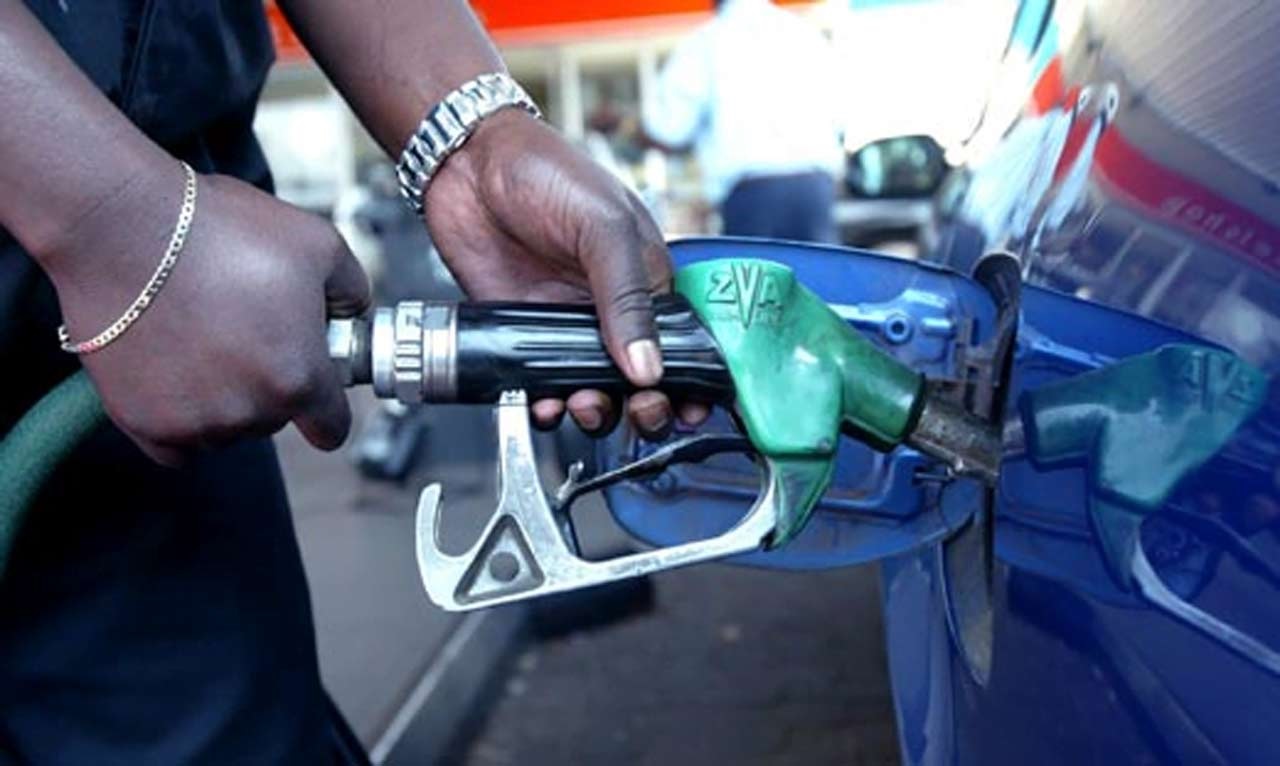
The prices of petroleum products have nearly doubled in Nigeria’s neighboring countries such as the Benin Republic and Niger Republic – a development linked to the removal of fuel subsidies in Nigeria. Citing sources, the BBC reported that prices of petroleum products are being sold for 700 CFA or 800 CFA in the Benin Republic — nearly double the previous price of 450 CFA.

The removal of fuel subsidy was announced on Monday last week by President Bola Tinubu, during his inaugural speech.

The development lends credence to reports that a significant volume of Nigeria’s subsidized petroleum products were being smuggled into other African countries. Petrol from Nigeria was regularly smuggled into neighboring countries including Cameroon, Ghana, Benin Republic, and as far as Sudan – a north African country.

A report by DW noted that vendors in Cameroon make huge profits from illegal sales of fuel smuggled from Nigeria. According to the report, commuters in the West African country prefer not to buy from petrol stations as it’s cheaper to buy from illegal vendors who sourced the products from Nigeria.

“Even when Nigerians are faced with fuel shortage, supply is constant in Cameroon,” the report said. “Cameroon produces its own fuel, but selling Nigerian petrol is far cheaper here.”

In Cameroon, fuel from Nigeria sells for 350 CFA while fuel from Cameroon sells for 650 CFA in petrol stations.

Nigerian porous land borders have enabled the smuggling of oil into other African countries, even after the borders were closed in August 2019 by former president Muhammadu Buhari.

The CEO of the Nigerian National Petroleum Company Limited (NNPCL), Mele Kyari, said in an interview with ChannelsTV on Thursday that there is no credible data to ascertain the daily consumption of petrol in Nigeria.

He said: “I don’t think there is any credible data on consumption but there is credible data on evacuation from the depots. They are very distinct.

“Every truck that leaves every depot in this country is known – the truck driver and the planned destination of that product. We have these numbers (referring to trucks’ movement from depots).

“We assume that this is our consumption but we know that it might not be our consumption. We know that petroleum products are being smuggled out of the country.”

The NNPCL chief said there is data on how much oil Nigeria supplies, which makes it clear that everything is not consumed in the country.

“We know how much we supply. There is data on this. Is all of this consumed in the country? The answer is no. The reason is very simple. We have an arbitrage environment. For instance: before this decision we made, fuel sells for N185 in Abuja, just across your border there is nowhere you have prices that are lower than N500 to a liter.

“We are actually subsidizing everybody else in West Africa. I can tell you a personal experience. I travel to Sudan for a visit when a Nigerian met me and said: ‘Gentleman, I understand you work for NNPC. Can you help me have access to fuel because people are bringing fuel here to make money from it?

“That means the fuel in this country goes as far as Sudan. For other neighboring countries around us, you cannot even talk about it. They call it Nigerian fuel in many countries.

“None of the countries around us imports petroleum products and you can’t do something about it because there is an arbitrage environment that we have created. We have 4,500km of land borders and you don’t have all the resources to man these,” he said.

Fuel subsidy, which remains one of the most heated issues in the Nigerian polity, has gulped trillions of naira in national budgets despite indications that most of the products being subsidized were stolen and smuggled into other countries.