DD
MM
YYYY

PAGES

DD
MM
YYYY

spot_img

PAGES

Home Blog Page 4145

Seun Kuti; Assaulting a Police Officer is a Felony

0

We all must have seen the video of Seun Kuti, a renowned Nigerian singer assaulting; slapping, pushing and aggressively malhandling a police officer in uniform which has been trending all day. In his defense, Seun Kuti claims that the police officer tried to “kill him” and his family members and that’s why he pounced on the officer in aggression to retaliate and defend himself. He (Seun Kuti) further stated that he has evidence to back up his claim of being assaulted first by the officer and he only decided not to press charges against the police officer because the police officer and his colleagues had apologized to him.

Contrary to this position of Seun, in the video circulating, the police officer was never seen to have retaliated or to even have lifted a finger on Seun to defend himself despite the aggravated assault Seun melted on him.

Well, let’s assume that Seun Kuti’s claim that the police officer tried to kill him is true, hence why he pounced on the officer; on no account should you attack an officer of law no matter whatsoever they did to you, especially the ones on uniform who can easily be identified as police officers on duty. It is a no go area. Assault on police officers is a felony punishable with at least 6 months jail term. Even resisting arrest or obstructing a police officer from doing his duty is as well an offense punishable by law.

Section 98 of the Nigerian Police Act of 2020 provides as follows;

“A person who assaults, obstructs or resists a police officer in the discharge of his duty, or aids or incites any other person to assault, obstruct or resist a police officer or other person aiding or assisting the police officer in the discharge of his duty, commits an offence and is liable on conviction”.

I can understand fully well and can as well fully relate that Nigerian police officers can be very reckless and abusive to innocent citizens but that should never warrant a citizen to revolt and assault a police officer publicly or privately just like we saw Seun Kuti doing. There are avenues that have been established to address personal grievances against police officers and the Inspector General of Police and the Police Service Commission in recent time have done so well in making sure that excesses of reckless police officers are put to check. We have recently seen numerous police officers who were caught extorting, assaulting and harassing people severely punished by the police authorities; some were suspended, others were demoted and some were outrightly dismissed.

I look forward to Seun Kuti being arrested and prosecuted so that others will not want to repeat what he did which will lead to constant assaults and physical attacks on our formidable police officers who have been risking their lives to protect us.

How to Buy and Sell Chainlink: A Comprehensive Guide

0

As the popularity of cryptocurrency continues to soar, more and more investors are looking to get in on the action. Chainlink is one of the fastest growing cryptocurrencies in the market, and if you’re interested in buying or selling it, you’ve come to the right place. In this comprehensive guide, we’ll walk you through everything you need to know about buying and selling Chainlink, including how to get started, the best exchanges to use, and tips for maximizing your profits. If you are a beginner and are looking for an ideal platform for crypto, bitindexai is an excellent choice.

Getting Started with Chainlink

Before you can buy or sell Chainlink, you’ll need to get set up with a cryptocurrency wallet. There are many different wallets to choose from, but we recommend using a hardware wallet such as Ledger or Trezor for maximum security. Once you have your wallet set up, you can move on to the next step: finding an exchange.

Choosing an Exchange

There are many different exchanges that allow you to buy and sell Chainlink, but not all exchanges are created equal. Some are more reputable than others, and some have higher fees or more limited trading options. Some popular exchanges to consider include Binance, Kraken, and Coinbase.

When choosing an exchange, it’s important to consider factors such as security, user experience, and the fees associated with trading. Some exchanges also have different trading options or features, so it’s worth doing your research to find the one that’s right for you.

Buying Chainlink

Once you’ve chosen an exchange, it’s time to buy Chainlink. The process may vary slightly depending on which exchange you’re using, but the basic steps are as follows:

  • Create an account with the exchange and complete any necessary verification steps.
  • Deposit funds into your account using a bank transfer or cryptocurrency deposit.
  • Find the Chainlink trading pair on the exchange.

Enter the amount of Chainlink you want to buy and confirm the transaction.

Your Chainlink will be deposited into your exchange wallet.

Selling Chainlink

If you’re looking to sell your Chainlink, the process is similar to buying. Here are the basic steps:

  • Log in to your exchange account and navigate to the Chainlink trading pair.
  • Enter the amount of Chainlink you want to sell and confirm the transaction.
  • Your funds will be deposited into your exchange account.
  • Withdraw your funds to your bank account or cryptocurrency wallet.

Tips for Maximizing Your Profits

Like any investment, buying and selling Chainlink comes with some risks. However, there are a few things you can do to minimize those risks and maximize your profits.

  • Do your research: Before buying or selling any cryptocurrency, it’s important to do your due diligence. Research the project, the team behind it, and the market conditions before making any decisions.
  • Set realistic goals: It’s important to have a plan and set realistic goals for your investments. Decide on a target price for buying and selling, and stick to it.
  • Diversify your portfolio: Investing in multiple cryptocurrencies can help spread out your risk and potentially increase your profits.
  • Stay up to date: The cryptocurrency market is constantly changing, so it’s important to stay informed about the latest news and trends.

Conclusion

Buying and selling Chainlink can be a profitable investment, but it’s important to approach it with caution and do your research. By following the steps outlined in this guide and keeping these tips in mind, you can maximize your chances of success and minimize your risks.

How to Buy and Sell Casper (CSPR) Tokens

0

Are you interested in investing in Casper (CSPR) tokens? This guide will walk you through the steps to buy and sell CSPR tokens, including where to purchase them, how to store them securely, and how to sell them for profit. Perhaps, you have traded Bitcoin on platforms like this automated trading platform https://qumasai.org/

Choose a Cryptocurrency Exchange

The first step in buying and selling CSPR tokens is to choose a cryptocurrency exchange that supports this token. There are several exchanges that support CSPR, including Binance, KuCoin, and Gate.io.

To select the right exchange, you should consider the following factors:

  • Fees: Look for an exchange with low fees, especially if you plan to make frequent trades. Some exchanges charge a percentage of the transaction amount, while others charge a flat fee.
  • Security: Choose an exchange with a good reputation for security. Look for an exchange that uses two-factor authentication, stores funds in cold storage, and has a track record of protecting user funds.
  • Liquidity: A highly liquid exchange will allow you to buy and sell CSPR tokens quickly and at a fair price. Check the trading volume and order book depth to determine if an exchange has enough liquidity.

Create an Account

Once you have chosen an exchange, you will need to create an account. This typically involves providing your email address, setting a password, and completing a Know Your Customer (KYC) verification process. KYC is a regulatory requirement that helps prevent fraud and money laundering.

Deposit Funds

To buy CSPR tokens, you will need to deposit funds into your exchange account. Most exchanges accept deposits in fiat currency (such as USD or EUR) or in other cryptocurrencies (such as Bitcoin or Ethereum).

To deposit funds, follow these steps:

  • Navigate to the deposit page on your exchange account.
  • Select the currency you want to deposit.
  • Follow the instructions to transfer funds from your bank account or wallet to the exchange.

Buy CSPR Tokens

Once your funds have been deposited, you can buy CSPR tokens. To do so, follow these steps:

  • Navigate to the trading page on your exchange account.
  • Find the CSPR trading pair (such as CSPR/USD or CSPR/BTC).
  • Enter the amount of CSPR you want to buy.
  • Confirm the order details and submit the trade.

Store CSPR Tokens Securely

After buying CSPR tokens, you will need to store them securely. You can keep them in your exchange account, but this is not recommended as exchanges can be hacked or shut down.

The best way to store CSPR tokens is in a hardware wallet. A hardware wallet is a physical device that stores your private keys offline, making them much more secure than online wallets.

Some popular hardware wallets that support CSPR tokens include Ledger Nano S and Trezor.

Sell CSPR Tokens

If you want to sell your CSPR tokens for profit, you can do so by following the same steps as buying. Navigate to the trading page on your exchange account, find the CSPR trading pair, and enter the amount you want to sell.

Once the order is confirmed, the funds will be deposited into your exchange account. You can then withdraw them to your bank account or other cryptocurrency wallet.

Conclusion

Buying and selling Casper (CSPR) tokens is a straightforward process that requires selecting the right exchange, creating an account, depositing funds, and trading CSPR tokens. By following these steps and storing your tokens securely, you can invest in CSPR with confidence.

The CBN Guidelines on Point of Sale Card Acceptance Services in Nigeria

0

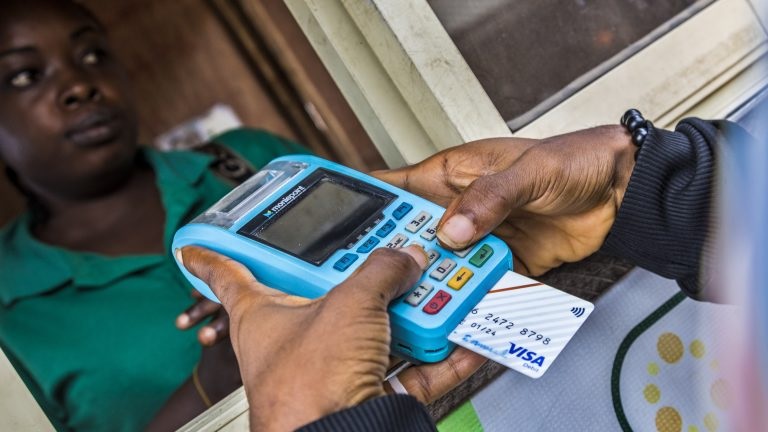
The Central Bank of Nigeria CBN released its guidelines on POS Card Acceptance Services in order to provide a Regulatory Framework for  card acceptance services in Nigeria. 

This article will be focused on certain provisions of the guidelines with a focus on :-

– Objectives of the guidelines

– Stakeholders and their roles/responsibilities

– Minimum standards

– Provisions on exclusivity agreements

What are the objectives of the CBN Guidelines?

The guidelines were issued with the objective of having a framework for the provision of minimum standards and requirements for the operations of Point of Sale (POS) card acceptance services. 

Who are the named stakeholders in the provision of card acceptance services according to the guidelines and their respective roles/responsibilities?

The guidelines name the following entities as stakeholders in POS card acceptance services :-

  1. Merchant  Acquirers

Roles and Responsibilities

– Only CBN licensed entities can be merchant acquirers.

– Merchant acquirers can own POS terminals, but shall only deploy & support POS terminals through a licensed Payments Terminal Services Provider (PTSP) . However, exceptions can be granted by the CBN where PTSP services are unavailable.

– Every merchant acquirer shall connect all its POS terminals or other acquiring devices directly to a Payment Terminal Services Aggregator.

  1. Card Issuers
  1. Merchants

Roles and Responsibilities

  1. A merchant shall enter into agreements with merchant acquirers, specifying in clear terms the obligations of each party.
  1. A merchant shall accept cards and other payment tokens as methods of payment for goods and services.
  1. The merchant shall be held liable for fraud with the card arising from its negligence and/or connivance.
  1. Cardholders

Roles and Responsibilities

– Store the payment card and protect his PIN with care.

– To not make the payment card available to unauthorized persons.

.- To notify the issuer without delay, about missing, stolen, damaged,lost or destroyed cards.

  1. Card schemes

Roles and Responsibilities

– All card schemes in Nigeria shall reserve the right to assess the market? to confirm objectivity vis-a-vis international standards.

– No card scheme shall engage in the business of acquiring neither shall any entity that has a management contract with a card scheme engage in the business of acquiring. 

  1. Switching Companies

Roles and Responsibilities

  1. To ensure that the transactions relating to all cards issued by Nigerian banks are successfully switched between acquirers & issuers.
  1. To achieve the interconnectivity of all new and existing switching companies.
  1. Open their networks for reciprocal exchange of transactions and messages with the Nigerian Central switch and Payment Terminal Service Aggregator
  1. Payments Terminal Service Aggregator (PTSA)

Roles and Responsibilities

– The Nigerian Interbank Settlement Systems (NIBBS) owned by all Nigerian banks and the CBN, shall act as the Payments Terminal Service Aggregator for the financial system.

– The establishment of a communication network for reliable POS data traffic, that shall satisfy the service and availability standards and expectations of the industry on a cost effective basis. 

  1. Payments Terminal Service Providers (PTSPs)

Roles and Responsibilities

– Only CBN-licensed PTSPs shall deploy, maintain & provide support for POS terminals in Nigeria.

– To ensure effectiveness of POS operations and a proper support/maintenance infrastructure.

– PTSPs can identify merchant opportunities & market potential merchants on behalf of acquirers.

– Any party other than a PTSP that deploys POS terminals shall be fined 50 Thousand Naira per day that the terminal remains deployed. 

What are the provisions of the guidelines on exclusivity agreements?

The guidelines provide that there shall be no form of exclusivity in any area of payment service, including but not limited to issuing, acquiring, processing and sale/maintenance of hardware and software. 

What are the provisions of the guidelines on compliance?

Non-compliance with the provisions of the guidelines will attract sanctions from the CBN.

How to Manage Crypto Liquidity Crisis

0

Liquidity is a key factor for any market, especially for cryptocurrencies. Liquidity refers to the ease of buying and selling an asset without affecting its price. A liquid market has high trading volume, low bid-ask spread, and fast order execution. A liquidity crisis occurs when there is a sudden shortage of cash or convertible assets in a market, making it difficult for traders and investors to execute their transactions.

Crypto liquidity crisis is a situation where crypto exchanges and platforms lack the cash or convertible assets to help users finance their transactions. This can happen when there is a sudden drop in the demand or supply of crypto assets, or when there is a regulatory or technical disruption that affects the normal functioning of the market.

A crypto liquidity crisis can have serious consequences for both crypto users and providers, as it can lead to delays, losses, defaults, and even bankruptcies. Therefore, it is important to know how to manage and prevent a crypto liquidity crisis, especially in times of high volatility and uncertainty.

Here are some tips on how to manage a crypto liquidity crisis:

Do your research: Before you invest in any crypto asset or platform, do your due diligence and check their liquidity metrics, such as trading volume, order book depth, bid ask spread, and slippage. Also, check their security measures, reputation, regulatory compliance, and customer support. Avoid platforms that have low liquidity, high fees, poor service, or frequent issues.

Have a backup plan: Always have a contingency plan in case of a liquidity crisis. For example, you can keep some fiat currency or stablecoins in a separate account that you can access quickly and easily. You can also use decentralized exchanges (DEXs) or peer-to-peer platforms that allow you to trade directly with other users without intermediaries or custodians.

Stay calm and rational: Don’t panic or act impulsively during a liquidity crisis. Don’t sell your crypto assets at a loss or buy them at a premium. Don’t fall for scams or rumors that may exploit your fear

Diversify your portfolio: Do not put all your eggs in one basket. Having a diversified portfolio of different crypto assets can help you reduce your exposure to specific risks and shocks that may affect one or a few coins. For example, if you hold both Bitcoin and Ethereum, you can hedge against the possibility of one of them losing value or facing technical issues.

Use reputable and regulated platforms: Choose platforms that have a good reputation, a large customer base, and a strong regulatory compliance. These platforms are more likely to have adequate liquidity reserves, security measures, and contingency plans in case of a crisis. They are also more likely to follow the rules and protect your rights as a customer.

Monitor the market conditions: Stay informed and updated on the latest developments and trends in the crypto market. Look out for signs of potential liquidity problems, such as widening spreads, increasing fees, decreasing volumes, or delayed transactions. If you notice any red flags, act quickly and adjust your strategy accordingly.

Have an exit plan: Always have a backup plan in case things go wrong. Know how much you are willing to lose and when you should cut your losses. Have alternative ways of accessing your funds, such as using different platforms, wallets, or payment methods. Be prepared to switch to more stable or liquid assets if needed.