DD
MM
YYYY

PAGES

DD
MM
YYYY

spot_img

PAGES

Home Blog Page 4156

When People Google Your Name, What Do They Find?

0

In the digital age, the Internet has transformed into a powerful tool for self-presentation and professional branding. With countless platforms and digital products at our disposal, individuals have the unprecedented opportunity to shape their digital personalities and harness the potential for social and professional capital capturing. However, the reality is that many people are still unsure of how to effectively communicate their presence on the Internet. In this piece, our analyst delves into the concept of Googling yourself and explore the profound impact it can have on your digital personality in the age of the Internet.

The Digital Age and Personal Branding

The rise of the Internet has not only reshaped our daily lives but has also revolutionized the way we present ourselves to the world. In today’s interconnected world, personal branding is not just for celebrities or influencers; it is a skill that anyone can leverage to unlock opportunities and enhance their social and professional capital. Your online presence, often referred to as your “digital personality,” is a critical component of this process. The digital age has bestowed upon us an array of tools and platforms, from social media to personal websites, that enable us to craft our digital personas. These digital products offer an opportunity to define ourselves in a manner that aligns with our personal and professional goals.

The Power of Perception

In the digital world, perception is everything. Whether you are a job seeker, a small business owner, or a creative professional, the way you are perceived online can have a significant impact on your success. When people Google your name, what do they find? Is it a well-crafted narrative that reflects your expertise and aspirations, or a disjointed collection of outdated information and social media blunders? Googling yourself is more than just vanity; it is an exercise in self-awareness and personal branding. It provides you with valuable insights into how the world sees you, allowing you to take control of your digital personality and present yourself in the best possible light.

Digital Products for Self-Presentation

The arsenal of digital products available for self-presentation is vast. From social media profiles to personal websites and online portfolios, these tools empower individuals to showcase their skills, experiences, and achievements in a dynamic and engaging manner.

LinkedIn: Building a Professional Identity

LinkedIn has emerged as the go-to platform for professional networking and self-presentation. Your LinkedIn profile is essentially your digital resume, allowing you to detail your work history, skills, endorsements, and recommendations. It’s a dynamic tool for building your professional identity and connecting with like-minded individuals in your industry.

Personal Websites: Your Digital Showcase

Creating a personal website is like owning a piece of real estate on the Internet. It is a space where you have full control over your narrative. Here, you can showcase your portfolio, blog about your expertise, and offer a comprehensive view of who you are professionally.

Social Media: Crafting Your Image

Social media platforms like Twitter, Instagram, and Facebook offer opportunities to express your personality and interests. However, it’s essential to remember that these platforms are also scrutinized by potential employers and colleagues. Consistency in your online behaviour is key to maintaining a positive digital personality.

Online Portfolios: Showcasing Your Work

For creative professionals, artists, photographers, designers, and writers, online portfolios are indispensable. They allow you to exhibit your best work, offering a visual and interactive representation of your skills.

The Importance of an Up-to-Date Digital Persona

Your digital persona is not a one-time creation; it’s an ongoing project. Regularly updating and curating your online presence is vital to reflect your growth and evolving professional identity. Google yourself periodically to see if your online image aligns with your aspirations and the image you want to project. In a world where remote work, online networking, and virtual interactions have become the norm, your digital personality is often the first impression you make. Inaccurate or outdated information can cost you valuable opportunities. Thus, maintaining an up-to-date and polished digital persona is critical.

A Multifaceted Evaluation of the Nigerian Legacy Media System

0

The media plays a pivotal role in any society, acting as the mirror reflecting the nation’s aspirations, concerns, and challenges. In Nigeria, a country marked by its rich diversity and dynamic political landscape, the media system is a complex tapestry shaped by various factors, including government regulation, market forces, and cultural nuances. To understand the Nigerian legacy media landscape, our analyst employs a multifaceted evaluation based on specific indicators and models, such as liberalism, democratic corporatism, and polarized pluralism.

Structure of the Media Market

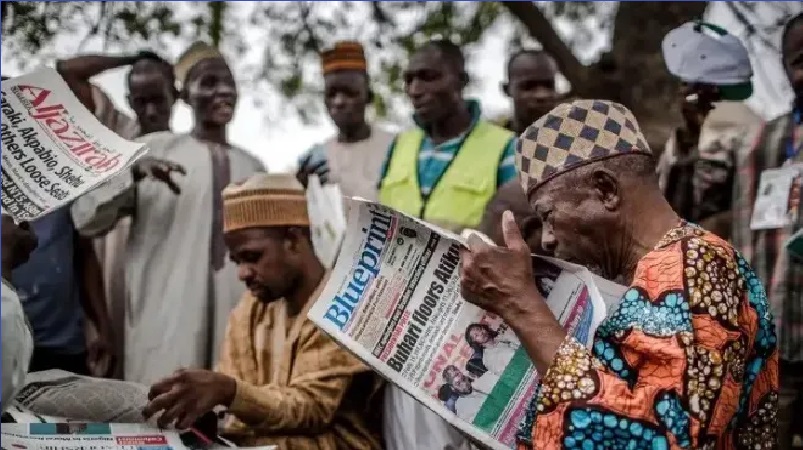
One of the fundamental aspects of the Nigerian media system is the structure of the media market. In this context, the provided information suggests that the media market exhibits characteristics of both high and low concentration. Nigeria boasts a vibrant media landscape, with numerous newspapers, television stations, and digital platforms. The rate of newspaper circulation is low, suggesting low access to print newspapers. Gender differences related to newspaper readership highlight a potential challenge. It is essential to address gender disparities to ensure that media content is inclusive and representative of the entire population.

The preference for modes of news consumption—newspapers or television news—varies among the Nigerian population. This diversity in preferences is a testament to the broad range of media options available, reflecting both urban and rural demographics. The separation between high-quality press and tabloids and between commercial and non-commercial press suggests a stratification within the media market. This differentiation allows consumers to choose between outlets that cater to their specific needs and preferences.

Political Parallelism and Audience Preferences

Political parallelism, a key aspect of media system evaluation, is highly significant in Nigeria. This suggests that media outlets align themselves with various political ideologies and parties, making it essential to critically assess media content and its potential bias. Coverage shaped by journalists’ political affiliations further emphasizes the importance of maintaining objectivity in media reporting. Journalists must strive for impartiality to ensure that news is presented fairly and without bias.

Audience media consumption according to political preferences implies that Nigerian media consumers often select media outlets that align with their own political beliefs. While this diversity of options may be seen as a positive aspect of media pluralism, it also raises concerns about the formation of echo chambers.

Professionalization of Journalism and Autonomy

The professionalization of journalism in Nigeria is a mixed bag, reflecting the partial nature of the development of distinct professional norms. While journalism has undoubtedly evolved as a recognized field, there is still room for further development. The degree of professional autonomy in the media landscape is significant. This autonomy ensures that journalists can operate without excessive interference, ultimately benefiting the quality and objectivity of reporting.

The development of distinct professional norms plays a crucial role in shaping the ethical standards of journalism in Nigeria. These norms guide the conduct of journalists and contribute to the maintenance of journalistic integrity. Journalists serving public interests underscores the responsibility of media professionals to provide information that benefits society. This is essential in a country like Nigeria, where the media serves as a bridge between the government and the citizens.

Instrumentalization of the Press and State Intervention

While Nigeria enjoys a degree of professional autonomy, concerns about the instrumentalization of the press remain. The press is sometimes used as a tool for political or other purposes, raising questions about the media’s independence. State intervention is a prominent characteristic of the Nigerian media landscape. The dimension of state intervention is highly significant, indicating a substantial government role in media regulation and funding. The provision of subsidies and funding from the government is another noteworthy aspect. These subsidies play a pivotal role in sustaining various media outlets and promoting media diversity.

Legal Framework and Regulation

The legal framework governing the Nigerian media system is a crucial factor in ensuring media freedom and responsibility. Laws regulating media concentration, competition, and ownership are in place, helping to prevent monopolies and promote diversity in ownership. Laws related to libel, defamation, and privacy serve to protect individuals’ rights and ensure that media outlets maintain ethical standards. These laws are essential in balancing freedom of speech with protecting individual reputations.

Professional secrecy laws for journalists contribute to the protection of sources and the practice of investigative journalism. These laws are important in promoting accountability and transparency. Laws regulating political communication are in place to ensure that political discourse is conducted responsibly and fairly through the media. These regulations help maintain a level playing field for all political actors.

Similarly, laws regulating broadcast content and licensing ensure that the quality and appropriateness of content are upheld. These regulations also contribute to the prevention of hate speech and the spread of harmful information.

Overall, the Nigerian media system is a multifaceted and complex entity influenced by a variety of factors, including government regulation, market forces, and cultural nuances. The evaluation of this media system through indicators and models such as liberalism, democratic corporatism, and polarized pluralism provides valuable insights into its strengths and challenges.

However, gender disparities and audience preferences based on political beliefs reveal areas in need of improvement to ensure inclusivity and balance. The presence of political parallelism and the influence of journalists’ political affiliations highlight the necessity for responsible reporting and media professionalism. The media’s role in serving the public interest and maintaining professional autonomy is vital in promoting democracy and transparency in Nigeria. While state intervention and instrumentalization of the press raise concerns, the legal framework and regulation of the media system provide a balance between freedom of expression and responsibility. Laws governing media ownership, content, and political communication help maintain a fair and ethical media landscape.

In navigating the complex tapestry of the Nigerian media system, stakeholders must work together to ensure that media outlets remain diverse, professional, and independent while adhering to ethical standards and legal regulations. This multifaceted evaluation serves as a valuable tool in understanding and improving the Nigerian media landscape, ultimately contributing to a more informed and engaged society.

When Can A Marriage Be Annulled?

0

It was a struggle for me to properly advise this lady but she was really lashing out and cussing out her current husband that she wished she never met or married the man. She is requesting that I immediately file for annulment of the marriage instead of filing for divorce; her reason is that she wants it to be as if she never married the man; she wants annulment instead of divorce so that it will be as if the marriage between him and the man never happened.

Well, while I sympathize with her and with anyone out there who may be going through hell in his or her marriage but that you wish you never met your spouse does not invalidate a valid marriage or give a legal ground for annulment of the marriage, all you can do is to seek for divorce and not the annulment of the marriage. 

While divorce means the legal breaking up of an existing marriage an annulment is a legal procedure that cancels a marriage in totality. An annulled marriage is erased from a legal perspective, and it declares that the marriage never technically existed; never happened and was never valid. Annulment simply means that the marriage is faulty from its foundation and therefore invalid and void. 

It is more difficult and technical to make a case for annulment of a valid marriage because you will have to prove to the satisfaction of the court that there is something inherently wrong with the foundation of the marriage that makes it illegal and invalidates it from the onset. This means that the court can only annul a marriage if the petitioner can show that there was something legally wrong with the marriage from the start. Even if you and your spouse agree that you both want an annulment instead of divorce, you still need to prove to the court that there’s a legal reason your marriage was not valid from the start. 

You cannot because you and your partner fall off or are no longer on good terms and want to seek annulment where what is applicable is divorce. 

If there must be annulment of the marriage instead of dissolution of the marriage, the petitioner must base the Petition on one of the following grounds;

  1. Bigamy; if either party was already married to another person at the time of the marriage then the subsequent marriage can be annulled. This is to say that any purported marriage to or by a spouse who at that time is currently married to another person is invalid and it is therefore null and void.
  2. Forced consent or duress; if one of the spouses was coerced, forced or threatened into marriage and only entered into it under duress and not by free will such marriage can be annulled. 
  3. Fraud; if one of the spouses agrees to the marriage based on the lies, deceptions or misrepresentation of facts by the other spouse then such marriage can be annulled. 
  4. Marriage prohibited by law: Marriage between parties that are related by blood which is considered incestuous can be annulled. 
  5. Mental illness; if either spouse was mentally ill or emotionally disturbed at the time of the marriage then the marriage can be annulled. 
  6. Mental Incapacity; if either spouse was under the influence of alcohol or drugs at the time of the marriage and was unable to make an informed decision or consent then the marriage can be annulled 
  7. Inability to consummate marriage; if either spouse was physically incapable of having sexual relations or impotent during the marriage then the marriage could be annulled. 
  8. Underage marriage; if either spouse was too young to enter into marriage without parental consent or court approval then the marriage can be annulled.

Outside these grounds, no matter how much you wish the marriage never happened, the option for you is divorce instead of annulment. 


Atiku Explains why His WAEC Certificate Has a Different Name, Sadiq Abubakar

0

The presidential candidate of the Peoples Democratic Party (PDP) in the 2023 election, Atiku Abubakar, has clarified that he used the name “Sadiq Abubakar” for his West African Examination Council (WAEC) exam, as controversy trails the name discrepancy on the certificate.

His statement came as clarification following what appears like a retaliatory move by the opposition All Progressive Congress (APC), alleging that Atiku forged his senior school certificate.

Dele Momodu, the Director of Strategic Communications for the Atiku/Okowa Presidential Campaign Council, clarified on Tuesday that some members of the All Progressives Congress (APC) had raised concerns about the name “Sadiq Abubakar” on Atiku’s WAEC certificate in contrast to his other credentials.

He stated that he forwarded the accusations to the former Vice President, who provided an explanation for the discrepancy. Atiku explained that he used “Sadiq Abubakar” for his WAEC exam, and after passing, he legally changed his name to Atiku Abubakar.

He said: “The APC busybodies have been bombarding me with allegations of forgery against my Principal, ALHAJI ATIKU ABUBAKAR (GCON), which I immediately forwarded to him and here is his copious response:

“’ Yes I used Sadiq Abubakar to sit for my WAEC and after passing my exams I went to swear an affidavit to say I am the same person as ATIKU Abubakar. I went to ABU as Atiku Abubakar and passed my Exams as Atiku Abubakar. Interviewed as Atiku Abubakar by the Federal Civil Service Commission and hired into the Customs Service as Atiku Abubakar. So where is forgery there?’

“CAN THE APC social media bullies forward the deluge of questions in circulation to their boss and get instant and direct response…”

“I SALUTE ALHAJI ATIKU ABUBAKAR…” the statement added.

In August, Atiku filed a lawsuit in the USA seeking an order to compel Chicago State University (CSU) to release the academic record of President Bola Tinubu, whose educational background is deeply buried in controversy.

The US court ruled in favor of the applicant despite objections by Tinubu, who claimed that the release of the document would cause him irreparable loss.

The documents released by CSU show that the certificate Tinubu presented to the Independent National Electoral Commission was forged.

With the saga hitting the roof, the APC is believed to be desperately looking for dirt on Atiku. The former Vice President, who is contesting the outcome of the presidential election at the Supreme Court, has included the forged certificate as part of the evidence that he is seeking Tinubu’s disqualification.

As IMF downgrades Nigeria’s economic growth, the Central Bank Must Stop Rate Hikes

1

Nigeria should get the message on the latest report from the International Monetary Fund (IMF): “Nigeria’s economic growth is projected to decline from 3.3 per cent in 2022 to 2.9 per cent in 2023, the International Monetary Fund (IMF) has said”. Sure, many agencies and banking institutions, including IMF, Goldman Sachs, and JP Morgan Chase praised the changes made in early June 2023. But over the last few days, we are reading different takes. 

The Financial Times recently wrote: “In removing a costly fuel subsidy and in shifting towards a market-driven exchange rate, which has sharply weakened a previously overvalued currency, he has gone some way towards persuading investors he is serious about reform. But four months into his presidency, there are signs of things going awry.”

Across all indicators, most of these foreign institutions misjudged the double whammy of floating Naira (without adequate US dollar to support the policy) at the same time one of the nation’s key imports (petrol) is cut-off from subsidies. While the exuberance was evident in the financial market as some assets yielded huge paper profits for banks, the impact on manufacturing was fatal. That is what IMF is reporting there.

The government is adjusting for some of these challenges, and we do hope it gets things right. Specifically on inflation, I call the government to soft-pedal on raising rates because our inflation is not driven by too much consumer demand. Our inflation is mainly due to low supply and with limited consumer credit in the nation, higher rates punish companies which actually need more capacities to produce more (when rates go up, borrowing costs go high, and companies reduce production which then affect supply, which ideally should be expected to go high to reduce inflation). 

 This is different from the US and Europe where changes in rates can influence consumer spending (they have huge consumer lending/credit), pushing inflation to new positions. When you raise rates in Nigeria, most of the time, only corporate borrowers are affected and interestingly they are the entities you need to boost supply. So, instead of using raising rates as a tool, we need to see if we can even make cheaper loans to producers. 

In the past few years, the apex bank had raised rates even as it lent free cash (yes, Ways and Means window) to the government which flooded the nation with easy Naira. So, while corporations were struggling with high rates, the government was injecting huge liquidity canceling out the very reason the central bank raised rates. We raised alarms on the stupidity of those own-goals and we do hope the new CBN team must stop them, so that Naira can breathe.

Inflation has remained high in Africa’s largest economy, prompting the apex bank to hike interest rates to their highest levels in nearly two decades. In July, the CBN raised its benchmark lending rate to 18.75 per cent. The bank said, “hiking the interest rate has made a lot of difference in moderating the rate of inflation”.

It noted that the option to continue the hike in the policy rate, albeit moderately, also presented a strong alternative premised on the expected liquidity injections into the economy from the recent efforts to unify the nation’s foreign exchange markets.

Also, the country has in recent years faced severe revenue problems, pipeline vandalism and crude oil theft in its oil-producing region.