DD
MM
YYYY

PAGES

DD
MM
YYYY

spot_img

PAGES

Home Blog Page 4159

Bitcoin price analysis, Tradecurve price rise is leading the market

0

Bitcoin (BTC) has been the crypto market’s top investment option for many years. However, one upcoming project, which is now in its presale phase, has managed to attract global investors and market experts due to its long-term growth potential – Tradecurve (TCRV). With some predictions that Tradecurve will obtain potential blue-chip token status down the line, we will compare these two tokens today and see how they may fare in 2023.

>Register For The Tradecurve Presale<<

Bitcoin (BTC) continues to stagnate

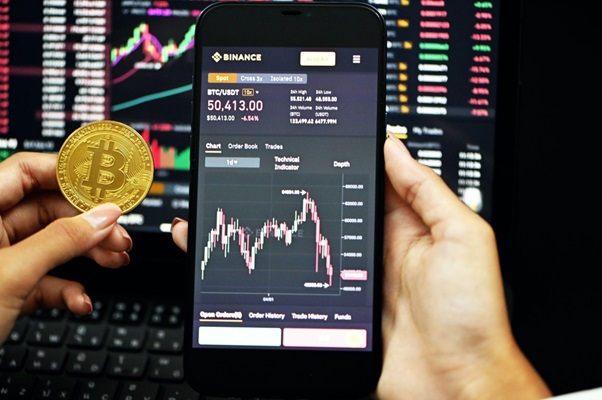
Bitcoin recently surpassed the $30,000 level – something it had not done in over a year. This Bitcoin rise came right after the fall of two major traditional financial institutions: Signature and Silicon Valley Bank. Despite this, that level was quickly lost as it now has a value of $26,852.84 with a market cap of $520B, falling by 0.09% in the last 24 hours.

On a positive note, interest in Bitcoin remains high as its trading volume has increased by 17.61% in that same period and now sits at $9,697,553,483. And from a technical viewpoint, the Bitcoin price may grow further as both its moving averages and technical indicators are in the green.

These charts paint a neutral sentiment around Bitcoin, as neither bears nor bulls currently control it. Because of this, investing in Bitcoin may be a high-risk move, as, in the last month, the price has been on a constant downtrend. Even if Bitcoin shows green charts once more, analysts predict $31,000 is as far it will go.

Tradecurve (TCRV) looks to combine the best aspects of CEX and DEX

Tradecurve’s new initiative aims to grow to be among the greatest and largest DEXs (decentralized exchanges) in the cryptocurrency space. Unlike Kraken and KuCoin, which focus solely on cryptocurrencies, Tradecurve will offer all US and European derivatives on a single platform with a high 500:1 leverage and no sign-up KYC checks. No KYC requirements will mean an utterly anonymous trading platform for millions of global traders, regardless of location. Users will just need to create an account using their email, link it to a crypto wallet, make a deposit, and all trading options will become available.

Users on Tradecurve will benefit from slippage-free trading and high liquidity while maintaining complete control of their assets and keys, thanks to its decentralized nature. Additionally, those just starting their trading journey may utilize the copy trading feature to just copy what veteran traders are doing and profit from their trading decisions. Additionally, a metaverse trading academy will be created by Tradecurve, which will connect users with trading professionals, assisting them in their journey.

Tradecurve will also allow traders to subscribe to top-of-the-line automated trading and artificial intelligence (AI) trading systems with a proven record of success. Discounts on these subscriptions can be obtained by holding its utility token TCRV which now has a value of just $0.012 and comes with a 25% deposit bonus on each purchase. Moreover, passive income through staking and access to trading account bonuses will also be available for token holders, which has made many investors begin to stockpile these tokens.

With millions of tokens already sold, the token price rose by 20% from its starting price of $0.01, and more price increases are expected, with some experts even predicting a 50x growth as the presale advances. After its launch, TCRV is expected to be listed on a major Tier-1 CEX such as Uniswap, causing a further 100x increase.

We believe that Tradecurve will be the most promising investment prospect in 2023, so sign up for its presale below.


For more information about the Tradecurve presale see links below:

Website: https://tradecurve.io/

Buy presale: https://app.tradecurve.io/sign-up

Twitter: https://twitter.com/Tradecurveapp

Telegram: https://t.me/tradecurve_official
Prospects of Cryptocurrency and its Impact on Fintech

0

Fintech, or financial technology, is a rapidly evolving field that explores innovative ways to compete with traditional methods of finance. Fintech refers to the use of technology to provide financial services, such as payments, lending, investing, and insurance. Crypto refers to the use of cryptography to create and secure digital currencies, such as Bitcoin, Ethereum, and Dogecoin.

Fintech and crypto have the potential to transform the way people and businesses interact with money, by offering faster, cheaper, and more transparent solutions. One of the most prominent examples of fintech is cryptocurrency, which is a digital asset that can be used as a medium of exchange. Cryptocurrency relies on blockchain technology, which is a distributed ledger that records and verifies transactions without intermediaries.

However, cryptocurrency also faces many challenges, such as volatility, regulation, scalability and adoption. We will examine the current trends and future prospects of cryptocurrency and its impact on fintech.

Fintech and crypto are two of the most innovative and disruptive sectors in the financial industry. Fintech refers to the use of technology to provide financial services, such as payments, lending, insurance, and wealth management. Crypto refers to the use of cryptography to create and secure digital assets, such as cryptocurrencies, tokens, and smart contracts. Both fintech and crypto have the potential to transform the way people and businesses interact with money, as well as create new opportunities and challenges for regulators, investors, and consumers.

Fintech and crypto are often seen as complementary, rather than competing, forces. Fintech can leverage crypto to offer faster, cheaper, and more transparent transactions, while crypto can benefit from fintech’s expertise, infrastructure, and customer base. Some examples of fintech and crypto collaboration include:

Crypto exchanges and wallets that provide fiat-to-crypto and crypto-to-crypto conversion, as well as custody, trading, and lending services.

Payment platforms and apps that enable users to send and receive money in various currencies, including cryptocurrencies.

Decentralized finance (DeFi) protocols that offer peer-to-peer lending, borrowing, trading, and investing using smart contracts and cryptocurrencies.

Stablecoins that are pegged to fiat currencies or other assets and aim to provide price stability and liquidity in the crypto market.

Central bank digital currencies (CBDCs) that are issued and backed by central banks and aim to enhance monetary policy and financial inclusion.

Fintech and crypto are not without risks and challenges, however. Some of the main issues facing these sectors include:

Regulatory uncertainty and compliance costs that vary across jurisdictions and may hinder innovation and adoption.

Cybersecurity threats and frauds that may compromise user data, funds, and privacy.

Scalability and interoperability issues that may limit the performance and functionality of fintech and crypto platforms and protocols.

Environmental concerns that may arise from the high energy consumption of some crypto networks, especially those that use proof-of-work consensus mechanisms.

Education and awareness gaps that may prevent users from understanding the benefits and risks of fintech and crypto products and services.

Fintech and crypto are dynamic and evolving sectors that have a significant impact on the financial industry and society at large. As technology advances and user demand grows, fintech and crypto will continue to offer new solutions and opportunities for financial inclusion, innovation, and empowerment.

Applauding Nigeria’s Economic Financial Economic Commission (EFCC)

0

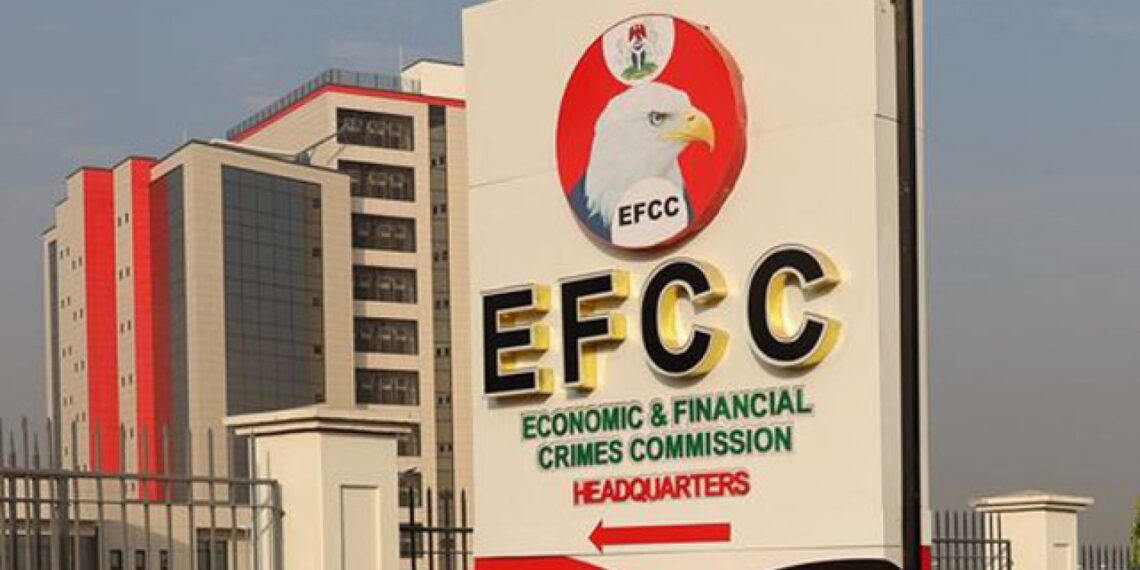
In terms of suspects’ handling and treatment, no law enforcement agency comes close to the Economic Financial Economic Commission (EFCC). I have been to most of EFCC’s detention cells (to meet with or bail out clients of course) and I can attest to the fact that EFCC detention centres are properly kept, well-treated and highly organized.

Detained suspects are given food, a nice place to sleep, medical care etc all at the expense of the commission, the only thing that is denied of the suspects is just their freedom; the right to move around and about. 

I was with a client the other day at the EFCC, he was detained there and he attested to the fact he was well taken care of for the seven days he spent there before he was granted administrative bail. He was even given access to his gadgets at times to contact his people and to communicate with me, his lawyer. 

EFCC should be applauded for having strong regard for suspects’ fundamental human rights; their rights to basic amenities and they accord suspects with their due respect, protect their human dignity and give suspects human treatment, the only right that is denied of the suspects are their right to freedom or right to movement for the time being they are in detention. 

I have yet to hear that an EFCC operative forcefully obtains a confession or statement from a suspect or that they beat up their suspects in detention as we tend to regularly witness or see with the police. No doubt that they can be brash and reckless sometimes while carrying out their arrest especially if the suspect wants to evade the arrest but once they have been able to get the suspect into their facility be rest assured that their rights as human beings are guaranteed and ensured. 

This is basically how it should be. That a person was arrested or accused of an offence does not warrant that person to be treated like an animal. Suspects’ rights should be respected and protected at all times even if they are accused of a capital offence. They are still accused persons or suspects until a court of competent jurisdiction pronounces them guilty.

Meta Sells Giphy to Shutterstock for $53m, After Purchasing it for $400m

0

Meta has reached an agreement with content marketplace company Shutterstock to sell Giphy for $53 million, following the UK’s Competition and Markets Authority (CMA)’s ruling, forcing the social media company to divest Giphy months after it was purchased.

The transaction, which marks the first time a regulator will undo a closed acquisition, is expected to close in June 2023, subject to regulatory closing conditions.

Meta’s Facebook bought Giphy in 2020 for about $400 million, but faced stern regulatory response from the CMA. The regulatory watchdog ruled that Meta’s acquisition of Giphy was anticompetitive and had last fall – ordered Meta to sell Giphy.

As part of the Giphy sale agreement, Meta is entering into an API agreement with Shutterstock to ensure continued access to Giphy’s content across Meta’s platform.

“This is an exciting next step in Shutterstock’s journey as an end-to-end creative platform,” Shutterstock CEO Paul Hennessy said in a statement. “Shutterstock is in the business of helping people and brands tell their stories. Through the Giphy acquisition, we are extending our audience touch points beyond primarily professional marketing and advertising use cases and expanding into casual conversations.”

The deal also will extend Shutterstock’s API ecosystem to include Giphy’s more than 14,000 business partners, the company said.

Giphy said it has library of GIFs and stickers draws more than 1.3 billion search queries on a daily basis — and generates more than 15 billion daily media impressions. Giphy has partners that include Meta (owner of Facebook and Instagram), and other social media platforms including TikTok, Twitter and Snapchat. It has also on the content front, Giphy’s media partners such as NBC, Disney, Netflix, the NFL, MLB and the NBA.

Shutterstock said the deal for Giphy is being funded through cash-on-hand and existing revolving credit facility. The company added that it expects Giphy to contribute “minimal revenue” in 2023 with “focused monetization efforts taking place over the course of 2024.”

“We plan to leverage Shutterstock’s unique capabilities in content and metadata monetization, generative AI, studio production and creative automation to enable the commercialization of our GIF library as we roll this offering out to customers,” Hennessey said.

The deal is expected to assuage trepidation from Giphy. The company had encouraged the CMA to enact behavioral ordinances rather than force Meta to sell it. It also urged the CMA to wait for a buyer with “industry knowledge and experience managing a group of young tech engineers, product managers, and staff.”

The animated images company was concerned that GIFs are getting outdated and would mostly attract “weak or inappropriate” suitors.

“User sentiment towards GIFs on social media shows that they have fallen out of fashion as a content form, with younger users in particular describing GIFs as ‘for boomers’ and ‘cringe,’” Giphy told the CMA in August.

The CMA had blamed Meta for the loss, saying the company did not wait on its approval.

“It was Facebook’s decision to complete the merger before getting CMA clearance,” TechCrunch quoted Tom Smith, a former CMA legal director and current partner at London’s Geradin Partners, as saying.

“You can complete your merger, but the trouble is, if you do complete your merger, you take the risk that the CMA will start investigating after the fact and make life difficult for you by making you keep the two companies separate, and possibly at the end of all that, make you sell the company you’ve just bought.”

Meta said after losing its appeal that it would accept the CMA’s ruling that it must divest Giphy.

Cryptocurrency, Digital Asset Issuance in Nigeria

0

Issuance of Digital Assets in Nigeria (Definition of Terms)

As explained in my previous articles, Digital Assets can now be offered and issued in the manner of equity via traditional shares and stocks. This article will be focused on providing a definition of terms for regulatory purposes associated with the issuance of digital assets in Nigeria as provided by the Securities and Exchange Commission (SEC) Crypto Rules of 2021. 

These terms are as follows :-

Digital Assets – Digital tokens that represent assets such as a debt or equity claim on the issuer.

Digital Asset Offerings – ICOs (Initial Coin Offerings) & other Distributed Ledger Technology (DLT) offers of digital assets.

Initial Coin Offerings (ICOs) – These are DLT capital-raising offers that involve the issuance of tokens to the general public in return for cash, Cryptocurrencies or other assets.

ICO Project – The underlying business or project referred to in a white paper for which the issuer seeks to raise capital through an initial digital asset offering.

Hard cap – The maximum amount of capital intended to be raised for ICO projects.

Lockup period – This is a time period within which investors and issuers are not allowed to redeem, trade or sell their tokens.

Pre-offer period – This shall have the same meaning as provided in the SEC rules.

Securities Token Offering (STO) – This means any offering and sale of digital tokens that are considered securities.

Soft Cap – The minimum amount of funds needed and aimed at by the project to proceed as planned.

White Paper – This is a document that states the technology behind a project, including a detailed description of the system architecture and interaction with the users, description of the project and use of proceeds, information on the market capitalization, anticipated growth, other technical details and the team /advisors behind the project.

Cryptocurrencies  – Registration Requirements For Digital Asset Offerings in Nigeria.

A Digital Asset Offering , which is a type of capital raising venture based on the public offer of digital assets by Digital Asset Offering Platforms or DAOPs, is regulated in Nigeria by the Securities and Exchange Commission (SEC) and carries a unique set of registration requirements which will be the focus of this article.

What are the registration requirements for a Digital Asset Offering in Nigeria?

The requirements are as follows :-

Upon the issuance of a determination by SEC that a proposed digital asset to be offered are securities, the issuer shall file an application for registration which in addition to the commission’s minimum disclosure requirements shall include –

  1. A registration statement of the digital assets which shall include :-

a). The name and ticker of the tokens.

b). The price per token.

c). The number of tokens to be sold.

d). The registration fees. 

  1. KYC (Know Your Customer) procedures, disaster recovery plans and risk management protocol.
  2. Security protocols including platform architecture and technology.
  1. A solicitor’s opinion confirming that all applicable permits and licenses for the issuance and transfer of the securities, after the offer has been obtained.
  1. Copy of the escrow agreement with an independent custodian or trustee, registered with SEC.
  2. Corporate Governance disclosures.
  1. Evidence of payment of applicable fees.
  1. Any other information to be determined by SEC from time to time.

Can an application for the registration of a digital asset offer be rejected and on which grounds if so?

The SEC may reject an application for registration of digital assets if in its opinion, the proposed activity infringes public policy, is injurious to investors or violates any of the laws, rules and regulations implemented by the commission.

Is there a moratorium on equity interest concerning digital asset offerings?

The issuer’s directors and senior management shall in aggregate own at least 50% equity holding in the issuer on the date of the issuance of the digital assets.

 At the post-issuance stage of digital assets, the issuer’s directors and senior management may sell, transfer or assign not more than 50% equity provided that the quantum of equity being sold, transferred or assigned shall not be more than 50% of their respective holdings until the completion of the initial digital asset offering project.

Are there limits on the funds to be raised by digital asset offerings?

Yes there are. A digital asset offering has a limit of 20 times the issuer’s shareholder fund subject to a ceiling of 10 Billion Naira within a continuous period of 12 months.

What are the limits on investments in digital asset offerings?

For high net worth & qualified institutional investors , there are no limits to how much they can invest in digital asset offerings.

For retail investors however, the SEC places an investment of 200 Thousand Naira per issuer with a total investment limit not exceeding 2 Million Naira in a 12 month period.