DD
MM
YYYY

PAGES

DD
MM
YYYY

spot_img

PAGES

Home Blog Page 4173

Polkadot (DOT) Begins Voting on Referendum 119 and Sparklo (SPRK) Changes The Way Investors Get Into Silver, Gold and Platinum

0

Across the broader blockchain space, there are over 24,000 cryptocurrencies that are consistently battling towards reaching the top of the list in regards to their market capitalization. But projects need to pump out the latest technology to solve a specific issue in order to make it and rarely does a cryptocurrency just climb as a meme coin.

Many have gotten into Polkadot (DOT). However, the savviest investors know that the most significant gains are often made from projects that are in their presale stage. One of the most notable projects to recently get a lot of attention is the Sparklo project, one that enables anyone to enter into investments in precious metals.

Sparklo (SPRK) fueled for success through innovative investment approach with fractional NFTs

Sparklo is a new, innovative platform that aims to fundamentally change the way people think about making investments in silver, gold and platinum. Specifically, through the usage of the Sparklo platform, anyone can get access to non-fungible tokens (NFTs) that are backed by the physical asset itself. Then, they can either buy a fraction of the NFT or the entire NFT. Any investor that buys an entire NFT can have it delivered to them anywhere.

The Sparklo project is built on top of Ethereum and as such, its native token, SPRK, follows the ERC-20 token standard. Sparklo is undergoing stage two of its presale, where it is offered at a value of just $0.022. During this time, there is also a 50% bonus on any purchases made of the SPRK token.

The smart contract behind Sparklo has been audited by the InterFi Network. The team completed KYC verification and the team will also lock liquidity for 100 years. Based on our research, we believe that Sparklo can be one of the best projects to invest in throughout 2023, especially after analysts familiar with the Web3 markets predicted a 1,500% jump in its value.

>>>> BUY TOKENS <<<

Polkadot (DOT) starts votes for Lease Swaps for Acala

On May 16, 2023, Bill Laboon, from the Web3 Foundation shared a thread on Twitter surrounding the Polkadot (DOT) project, where he went over Referendum 119, which is proposing to swap to perform a parachain lease swap between two different parachain IDs controlled by Acala, which is 32.7% in favor. Moreover, the Polkadot (DOT) team also shared information surrounding the Polkadot Decoded 2023 event, where visitors will get the opportunity to learn from experts and get access to the latest innovations in blockchain technology. The event will take place in Copenhagen and can be seen online from June 28 to June 29, 2023.

As for the value of the Polkadot (DOT) cryptocurrency, on May 16, 2023, it traded at $5.28. The Polkadot (DOT) cryptocurrency experienced a decrease in value by 21% in the last month. As a result, it is clear why investors and traders are attempting to diversify from Polkadot (DOT).

Find out about the Sparklo presale using the links below

  • Buy Presale: https://invest.sparklo.finance
  • Website: https://sparklo.finance
  • Twitter: https://twitter.com/sparklo_finance
  • Telegram: https://t.me/sparklofinance
5 TikTokers Sue to Block Montana’s Legislation Banning TikTok

0

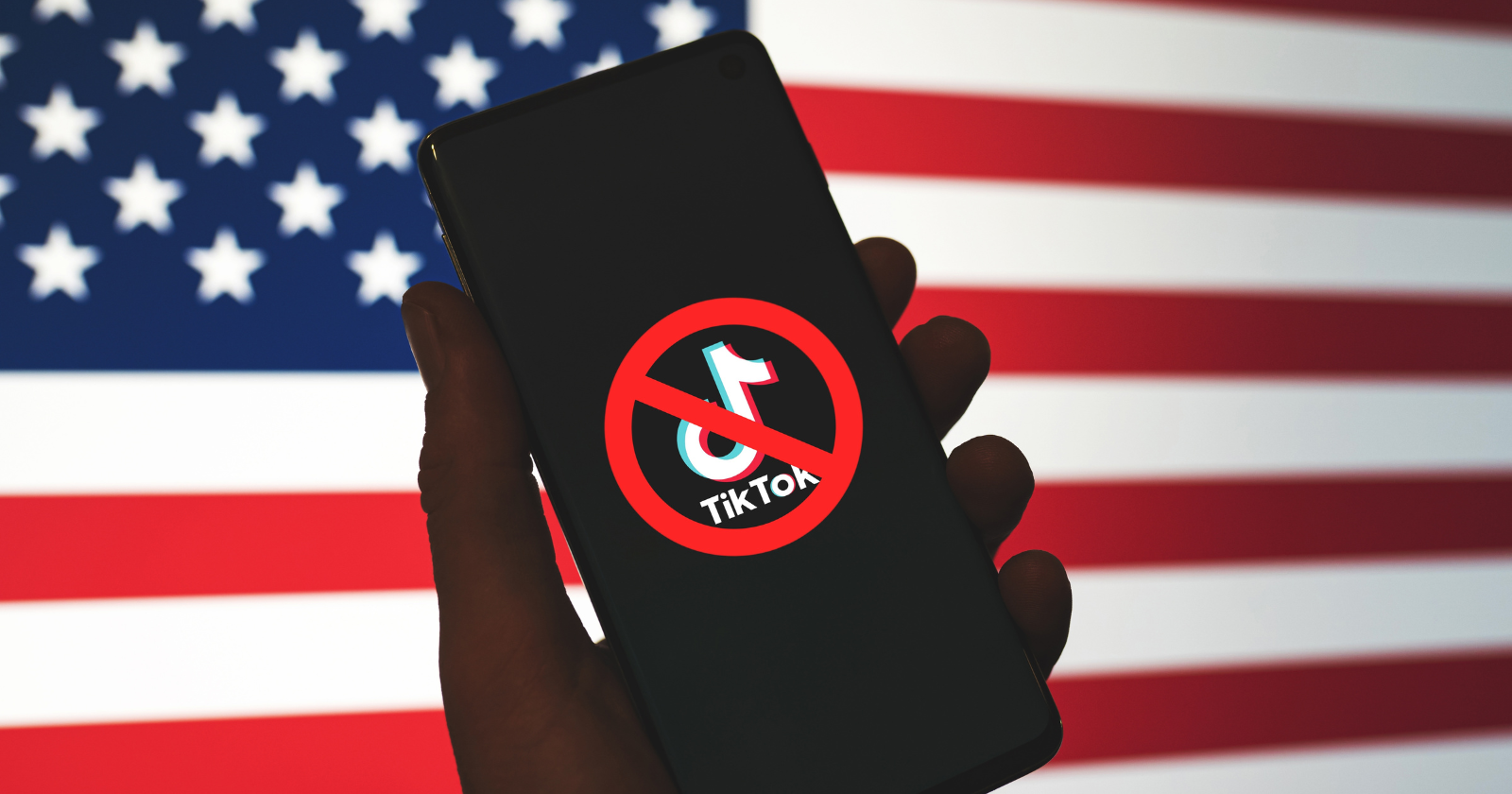
Five TikTokers have banded together to challenge the legislation that bans TikTok in the state of Montana. The move which is likely going to culminate into a class action suit seeks to block the ban which was announced on Wednesday.

Montana became the first US state to ban TikTok, citing national security concerns. But the TikTokers are arguing that the ban is a huge overstep by the state because it’s “unconstitutional and preempted by federal law.”

Montana’s swift move to ban the app has stirred mixed reactions, with some, including ACLU, saying that it violates the First Amendment.

The suit was filed in a US district court in Montana. It targets the State Attorney General Austin Knudsen, who supported the ban and is charged with enforcing it, per Ars.

A spokesperson for Knudsen, Emily Flower, told Reuters that Montana expected the lawsuit and is “fully prepared” to defend the ban.

The complainants are arguing that Montana’s claimed interests in enacting the ban to shield minors and prevent foreign spying “are not legitimate and do not support a blanket ban on TikTok. Montana has no authority to enact laws advancing what it believes should be the United States’ foreign policy or its national security interests, nor may Montana ban an entire forum for communication based on its perceptions that some speech shared through that forum, though protected by the First Amendment, is dangerous,” according to Ars.

Citing First Amendment concerns, the TikTokers further argued that the ban is “substantially overbroad” and “suppresses far more speech than it may permissibly regulate.” They say that restricting access to content for all users just to address concerns that minors may access some TikTok content that’s “dangerous” goes too far. The First Amendment requires the government to find the “least restrictive means” of regulating speech when the government does have a “compelling” interest. Quite the opposite, Montana’s ban, they argued, is an example of the government finding “the most restrictive means imaginable,” per Ars.

They also argued that the ban was designed by Montana lawmakers with the intent to substitute Montana’s “view of how best to regulate the alleged national security issues arising from TikTok’s United States operations for that of the United States.” Not only is the responsibility of setting foreign policy “traditionally and exclusively within the federal government’s power,” their complaint said, but also the federal government is actively pursuing its own solutions to possibly permit TikTok to operate in the US. If such an agreement is reached with TikTok and the US, Montana’s ban could end up being even more “at odds” with federal policy.

TikTok said on Wednesday that it will fight to defend the interest of its users. Ars quoted TikTok spokesperson Brooke Oberwetter, as saying on Friday that TikTok plans to fight Montana’s ban, too.

“Governor Gianforte has signed a bill that infringes on the First Amendment rights of the people of Montana by unlawfully banning TikTok, a platform that empowers hundreds of thousands of people across the state,” Oberwetter said in the statement. “We want to reassure Montanans that they can continue using TikTok to express themselves, earn a living, and find community as we continue working to defend the rights of our users inside and outside of Montana.”

TikTok is facing governmental apathy in the US, with both states and the federal governments blocking the use of the short form video app from official devices. US lawmakers are also working on a potential legislation that will give President Biden power to ban TikTok’s operation in the country.

Montana has become the first U.S. state to ban TikTok, prohibiting the app from operating within the state and making it unavailable to download in app stores, due to alleged security concerns. Montana Gov. Greg Gianforte signed the new law Wednesday, following the state’s legislative approval of the ban last month; it will take effect on Jan. 1, 2024. The move sets the stage for a legal fight that could have implications for a potential nationwide ban. TikTok parent ByteDance said the Montana bill “infringes on the First Amendment rights” of residents, and it will defend its users’ rights in and out of the state.

While it will be unlawful for Google and Apple to offer TikTok in Montana, the state will “not impose any penalties on individuals using the app,” Reuters notes.

Several states have barred workers from using TikTok on public devices, but this statewide ban is the first of its kind. (LinkedIn News)

Why US Dollar is being rejected by Countries for International Payments

0

The US Dollar has been the dominant global currency for decades, but its supremacy is being challenged by some countries, and mostly in the Eurozone. Why are they turning away from the greenback, and what are the implications for the global economy?

One of the main reasons why some countries in the euro are rejecting the US dollar is because of its strength relative to other currencies. The US dollar index, which measures the value of the dollar against a basket of six major currencies, reached a 20-year high in September 2022. This means that the dollar can buy more goods and services abroad, but it also makes exports from other countries more expensive and less competitive in international markets.

One of the main reasons why countries are rejecting the US dollar is the overuse of economic sanctions by the United States. Sanctions are a tool of foreign policy that aim to coerce other countries or entities to change their behavior by restricting their access to the US financial system and markets. However, sanctions also have unintended consequences, such as eroding the trust and confidence in the US dollar as a reliable and neutral medium of exchange.

As a result, some countries that are targeted by sanctions or fear being targeted in the future are looking for ways to reduce their dependence on the US dollar and diversify their reserves and trade settlements in other currencies, such as the euro, the yen, or even cryptocurrencies.

Another reason why countries are rejecting the US dollar is the divergence of economic and monetary policies between the United States and other major economies. The US economy has recovered faster from the COVID-19 pandemic than most of its peers, thanks to its massive fiscal and monetary stimulus. This has led to a stronger US dollar against other major currencies, making US exports less competitive and increasing the cost of servicing dollar-denominated debt for many emerging markets and developing countries.

Moreover, the Federal Reserve is expected to start tapering its asset purchases and raising interest rates sooner than other central banks, creating uncertainty and volatility in global financial markets. In response, some countries may seek to adjust their exchange rate policies or intervene in currency markets to limit the appreciation of their currencies against the US dollar or to prevent disorderly capital outflows.

The emergence of new technologies and platforms that enable faster, cheaper, and more secure cross-border payments. The rapid growth of digital currencies, such as stable coins and central bank digital currencies (CBDCs), has opened new possibilities for international transactions that bypass traditional intermediaries and reduce reliance on correspondent banking networks.

Similarly, some countries have developed or joined alternative payment systems, such as SWIFT alternatives or regional payment arrangements, that aim to facilitate trade and financial integration among like-minded partners and avoid potential disruptions from US sanctions or regulations.

The rejection of the US dollar by countries for international payments has significant implications for the global economy. On one hand, it may foster greater diversification and resilience of the international monetary system, as well as enhance financial inclusion and innovation.

On the other hand, it may also pose challenges for global financial stability and cooperation, as well as undermine the effectiveness of multilateral institutions and norms. Therefore, it is important for policymakers to monitor these developments closely and engage in constructive dialogue and coordination to address potential risks and opportunities.

Another reason why some countries are rejecting the US dollar is because of geopolitical tensions and trade disputes. For example, Russia and China have been reducing their holdings of US Treasury bonds and increasing their use of their own currencies or alternative reserve currencies, such as the euro or gold, for international transactions. This is partly a response to the US sanctions and tariffs imposed by the Trump and Biden administrations. By diversifying their currency reserves, they aim to reduce their dependence on and vulnerability to the US dollar.

Why some countries in the Eurozone are rejecting the US dollar is because of their ambition to increase their influence and autonomy in the global financial system. The eurozone is the second-largest economic bloc in the world, after the US, and it has a common currency, the euro, that is used by 19 out of 27 EU members. The euro is also the second-most widely used currency in international trade and payments, after the dollar.

By promoting the use of the euro for cross-border transactions, especially in areas such as energy, commodities and digital services, the EU hopes to enhance its economic sovereignty and strategic autonomy.

The rejection of the US dollar by some countries has far reaching consequences for both sides of the Atlantic and beyond. For the US, it means that it may face more challenges in maintaining its global leadership and leverage, as well as higher borrowing costs and inflation risks.

For the Eurozone, it means that it may benefit from more trade opportunities and lower exchange rate volatility, but also face more responsibilities and expectations as a global actor. For other countries, it means that they may have more options and flexibility in choosing their preferred currency for international transactions, but also more uncertainty and complexity in navigating a multipolar world.

Tekedia Capital Invests in Zeeh Africa

0

Tekedia Capital is excited to announce a major investment in Zeeh Africa. Zeeh, a fintech infrastructure company, makes it possible to unify financial data in one place. If you run a lending business, with customer’s permission, you can see all the bank accounts with their histories/balances in one dashboard, making it easier to make a decision (the B2B business).

In Zeeh’s B2C business, you have Africa’s CreditKarma, making it possible for a customer to have all its financial data in one place. Now, it gets exciting. If you need a mortgage, you click the mortgage menu in your dashboard. Vendors and merchants which have inputted certain parameters, and if you meet those, you will see their offers. Those vendors could say for example, show our offer only to users with an average monthly balance of N1 million over the last three months.

The goal is to facilitate commerce in a more actionable way. Yes, why show an offer for a N2 million vacation package to a user whose average monthly balance has not exceeded N100k in the last 6 months, across all bank accounts?

Welcome David Adeleke and Frank Uwajeh  to Tekedia Capital family.

How to Rate Cryptocurrency Exchanges

0

Cryptocurrency exchange is a platform that allows users to buy, sell, or trade cryptocurrencies for other assets, such as fiat currency or other digital tokens. There are many factors that affect the quality and reliability of a cryptocurrency exchange, such as security, liquidity, fees, user interface, customer support, and regulatory compliance. We will compare and rank some of the most popular and reputable cryptocurrency exchanges in the market based on the below criteria.

Security: Security is one of the most important aspects of a cryptocurrency exchange, as it protects users’ funds and personal information from hackers and cyberattacks. A secure exchange should have robust encryption, authentication, and verification systems, as well as cold storage for most of its assets. Some of the best practices for security include:

Using a reputable third-party custodian service to store funds.

Implementing multi-signature wallets that require multiple approvals for transactions.

Offering two-factor authentication (2FA) and biometric verification for users.

Conducting regular audits and penetration tests to detect vulnerabilities.

Having a clear and transparent policy for dealing with security breaches and compensating affected users.

Based on these criteria, some of the most secure cryptocurrency exchanges are Coinbase, Binance, Kraken and Bitstamp.

Liquidity: Liquidity refers to the ease and speed of executing trades on a cryptocurrency exchange. A high-liquidity exchange should have a large volume of trading activity, a wide range of trading pairs, and low spreads between bid and ask prices. A high-liquidity exchange enables users to buy and sell cryptocurrencies at the best possible prices and with minimal slippage. Some of the factors that influence liquidity include:

The size and diversity of the user base.

The availability and accessibility of fiat currency deposits and withdrawals.

The integration and compatibility with other platforms and services.

The reputation and trustworthiness of the exchange.

The market conditions and volatility of cryptocurrencies.

Based on these factors, some of the most liquid cryptocurrency exchanges are Binance, Coinbase Pro, Huobi Global, OKEx, and Bitfinex.

Number of Markets and Coins

Number of markets and coins are the number of trading pairs and cryptocurrencies that are available on an exchange platform. A higher number of markets and coins indicates a more diverse and comprehensive exchange. According to CoinMarketCap, the top 10 crypto exchanges by number of coins as of May 20, 2023, are:

1.Binance (1695)

2.KuCoin (1518)

3.Gate.io (1518)

4.Hotbit (1695)

5.BitMart (844)

6.OKX (228)

7.MEXC Global (719)

8.Bitget (579)

9.Coinbase Exchange (243)

10.BKEX (194)

Fees: Fees are the costs associated with using a cryptocurrency exchange. They can vary depending on the type and number of transactions, the payment methods, the trading pairs, and the user’s level of verification.

Fees can have a significant impact on the profitability and efficiency of trading cryptocurrencies. A low-fee exchange should offer competitive and transparent pricing structures, as well as discounts and incentives for frequent or large-volume traders. Some of the common types of fees include:

Trading fees: These are fees charged for each trade executed on the exchange. They can be either fixed or variable, depending on the trading volume or maker-taker model.

Deposit and withdrawal fees: These are fees charged for transferring funds into or out of the exchange. They can depend on the payment method, such as bank transfer, credit card, or cryptocurrency.

Conversion fees: These are fees charged for converting one currency to another on the exchange. They can depend on the exchange rate and the spread between currencies.

Network fees: These are fees charged by the blockchain network for processing transactions. They can depend on the congestion and demand of the network.

Based on these criteria, some of the lowest-fee cryptocurrency exchanges are Binance, Kraken, Bitstamp, KuCoin, and Poloniex.