DD
MM
YYYY

PAGES

DD
MM
YYYY

spot_img

PAGES

Home Blog Page 4197

Meta Sells Giphy to Shutterstock for $53m, After Purchasing it for $400m

0

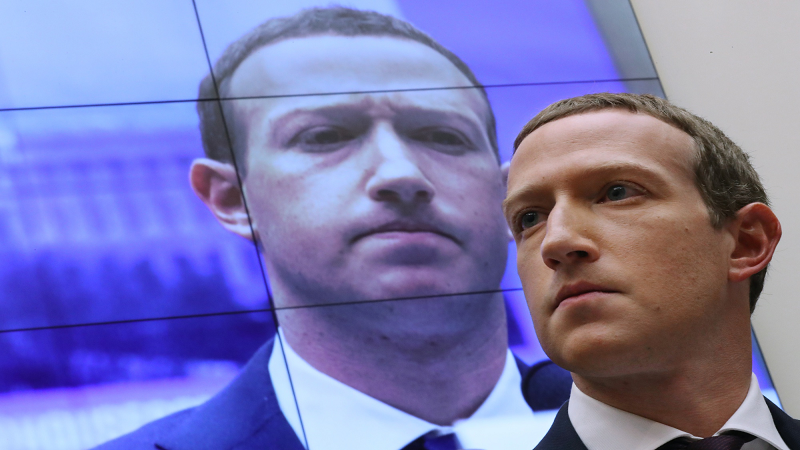
Meta has reached an agreement with content marketplace company Shutterstock to sell Giphy for $53 million, following the UK’s Competition and Markets Authority (CMA)’s ruling, forcing the social media company to divest Giphy months after it was purchased.

The transaction, which marks the first time a regulator will undo a closed acquisition, is expected to close in June 2023, subject to regulatory closing conditions.

Meta’s Facebook bought Giphy in 2020 for about $400 million, but faced stern regulatory response from the CMA. The regulatory watchdog ruled that Meta’s acquisition of Giphy was anticompetitive and had last fall – ordered Meta to sell Giphy.

As part of the Giphy sale agreement, Meta is entering into an API agreement with Shutterstock to ensure continued access to Giphy’s content across Meta’s platform.

“This is an exciting next step in Shutterstock’s journey as an end-to-end creative platform,” Shutterstock CEO Paul Hennessy said in a statement. “Shutterstock is in the business of helping people and brands tell their stories. Through the Giphy acquisition, we are extending our audience touch points beyond primarily professional marketing and advertising use cases and expanding into casual conversations.”

The deal also will extend Shutterstock’s API ecosystem to include Giphy’s more than 14,000 business partners, the company said.

Giphy said it has library of GIFs and stickers draws more than 1.3 billion search queries on a daily basis — and generates more than 15 billion daily media impressions. Giphy has partners that include Meta (owner of Facebook and Instagram), and other social media platforms including TikTok, Twitter and Snapchat. It has also on the content front, Giphy’s media partners such as NBC, Disney, Netflix, the NFL, MLB and the NBA.

Shutterstock said the deal for Giphy is being funded through cash-on-hand and existing revolving credit facility. The company added that it expects Giphy to contribute “minimal revenue” in 2023 with “focused monetization efforts taking place over the course of 2024.”

“We plan to leverage Shutterstock’s unique capabilities in content and metadata monetization, generative AI, studio production and creative automation to enable the commercialization of our GIF library as we roll this offering out to customers,” Hennessey said.

The deal is expected to assuage trepidation from Giphy. The company had encouraged the CMA to enact behavioral ordinances rather than force Meta to sell it. It also urged the CMA to wait for a buyer with “industry knowledge and experience managing a group of young tech engineers, product managers, and staff.”

The animated images company was concerned that GIFs are getting outdated and would mostly attract “weak or inappropriate” suitors.

“User sentiment towards GIFs on social media shows that they have fallen out of fashion as a content form, with younger users in particular describing GIFs as ‘for boomers’ and ‘cringe,’” Giphy told the CMA in August.

The CMA had blamed Meta for the loss, saying the company did not wait on its approval.

“It was Facebook’s decision to complete the merger before getting CMA clearance,” TechCrunch quoted Tom Smith, a former CMA legal director and current partner at London’s Geradin Partners, as saying.

“You can complete your merger, but the trouble is, if you do complete your merger, you take the risk that the CMA will start investigating after the fact and make life difficult for you by making you keep the two companies separate, and possibly at the end of all that, make you sell the company you’ve just bought.”

Meta said after losing its appeal that it would accept the CMA’s ruling that it must divest Giphy.

Cryptocurrency, Digital Asset Issuance in Nigeria

0

Issuance of Digital Assets in Nigeria (Definition of Terms)

As explained in my previous articles, Digital Assets can now be offered and issued in the manner of equity via traditional shares and stocks. This article will be focused on providing a definition of terms for regulatory purposes associated with the issuance of digital assets in Nigeria as provided by the Securities and Exchange Commission (SEC) Crypto Rules of 2021. 

These terms are as follows :-

Digital Assets – Digital tokens that represent assets such as a debt or equity claim on the issuer.

Digital Asset Offerings – ICOs (Initial Coin Offerings) & other Distributed Ledger Technology (DLT) offers of digital assets.

Initial Coin Offerings (ICOs) – These are DLT capital-raising offers that involve the issuance of tokens to the general public in return for cash, Cryptocurrencies or other assets.

ICO Project – The underlying business or project referred to in a white paper for which the issuer seeks to raise capital through an initial digital asset offering.

Hard cap – The maximum amount of capital intended to be raised for ICO projects.

Lockup period – This is a time period within which investors and issuers are not allowed to redeem, trade or sell their tokens.

Pre-offer period – This shall have the same meaning as provided in the SEC rules.

Securities Token Offering (STO) – This means any offering and sale of digital tokens that are considered securities.

Soft Cap – The minimum amount of funds needed and aimed at by the project to proceed as planned.

White Paper – This is a document that states the technology behind a project, including a detailed description of the system architecture and interaction with the users, description of the project and use of proceeds, information on the market capitalization, anticipated growth, other technical details and the team /advisors behind the project.

Cryptocurrencies  – Registration Requirements For Digital Asset Offerings in Nigeria.

A Digital Asset Offering , which is a type of capital raising venture based on the public offer of digital assets by Digital Asset Offering Platforms or DAOPs, is regulated in Nigeria by the Securities and Exchange Commission (SEC) and carries a unique set of registration requirements which will be the focus of this article.

What are the registration requirements for a Digital Asset Offering in Nigeria?

The requirements are as follows :-

Upon the issuance of a determination by SEC that a proposed digital asset to be offered are securities, the issuer shall file an application for registration which in addition to the commission’s minimum disclosure requirements shall include –

  1. A registration statement of the digital assets which shall include :-

a). The name and ticker of the tokens.

b). The price per token.

c). The number of tokens to be sold.

d). The registration fees. 

  1. KYC (Know Your Customer) procedures, disaster recovery plans and risk management protocol.
  2. Security protocols including platform architecture and technology.
  1. A solicitor’s opinion confirming that all applicable permits and licenses for the issuance and transfer of the securities, after the offer has been obtained.
  1. Copy of the escrow agreement with an independent custodian or trustee, registered with SEC.
  2. Corporate Governance disclosures.
  1. Evidence of payment of applicable fees.
  1. Any other information to be determined by SEC from time to time.

Can an application for the registration of a digital asset offer be rejected and on which grounds if so?

The SEC may reject an application for registration of digital assets if in its opinion, the proposed activity infringes public policy, is injurious to investors or violates any of the laws, rules and regulations implemented by the commission.

Is there a moratorium on equity interest concerning digital asset offerings?

The issuer’s directors and senior management shall in aggregate own at least 50% equity holding in the issuer on the date of the issuance of the digital assets.

 At the post-issuance stage of digital assets, the issuer’s directors and senior management may sell, transfer or assign not more than 50% equity provided that the quantum of equity being sold, transferred or assigned shall not be more than 50% of their respective holdings until the completion of the initial digital asset offering project.

Are there limits on the funds to be raised by digital asset offerings?

Yes there are. A digital asset offering has a limit of 20 times the issuer’s shareholder fund subject to a ceiling of 10 Billion Naira within a continuous period of 12 months.

What are the limits on investments in digital asset offerings?

For high net worth & qualified institutional investors , there are no limits to how much they can invest in digital asset offerings.

For retail investors however, the SEC places an investment of 200 Thousand Naira per issuer with a total investment limit not exceeding 2 Million Naira in a 12 month period.

Join The Knowledge Orchestra at Tekedia Mini-MBA

0

With the amalgam of many emerging technologies in the market, companies are facing pressure to adopt and deploy something to be seen as trendy and innovative. Yes, technologies like blockchain, AI, and big data would transform industries and disrupt market systems, fixing frictions along the way while creating new basis of competitions.

In Tekedia Mini-MBA, we teach what we call Symphonic Innovation. Simply, Symphonic Innovation is innovation that is not domain-specific, but is anchored on a unified and harmonious approach in the deployment of business tech components to accelerate productivity gains and cushion competitiveness.

With Symphonic Innovation, you do not deploy and launch for blockchain, only to be tripped by AI or big data; you launch with a mindset that these technologies are like extended musical compositions which must be carefully organized to make the orchestra an unforgettable experience.

Indeed, a symphony where the beginning is unborn even though the end was already celebrated as superb. With that, you will not have any regret because all sources of technology-induced challenges are eliminated.

Join me at Tekedia Institute Mini-MBA and attend our Lecture 1 where I will explain Innovation and Mission of Firms, zeroing on Symphonic Innovation. Pick a virtual seat here . Classes begin on June 5 and everyone is invited.

Tekedia Capital Invests in Woka

0

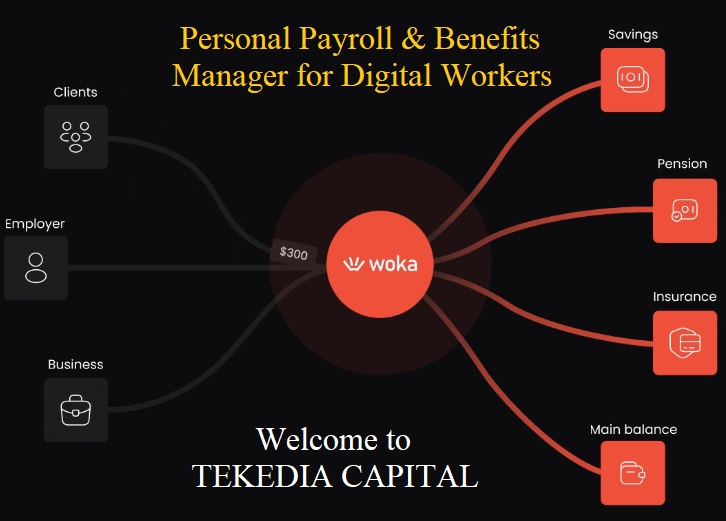
Tekedia Capital is excited to announce that we have taken an investment position in Woka: “Woka provides globally interoperable financial services and benefits for digital workers, freelancers and nomads, who hitherto lacked access due to their nature of work and earning structure.” Through its technology and ecosystem, a freelancer can have savings, pension, insurance, etc and everything traditional workers get.

Good People, this is Africa’s first personal payroll and benefits manager which is unbounded and unconstrained by geography or workplace. Provided you have income, Woka will work you into enduring goodies and opportunities.

Click to learn more about Tekedia Capital .

Is President Joe Biden tough on Crypto, via Taxation and Regulation?

0

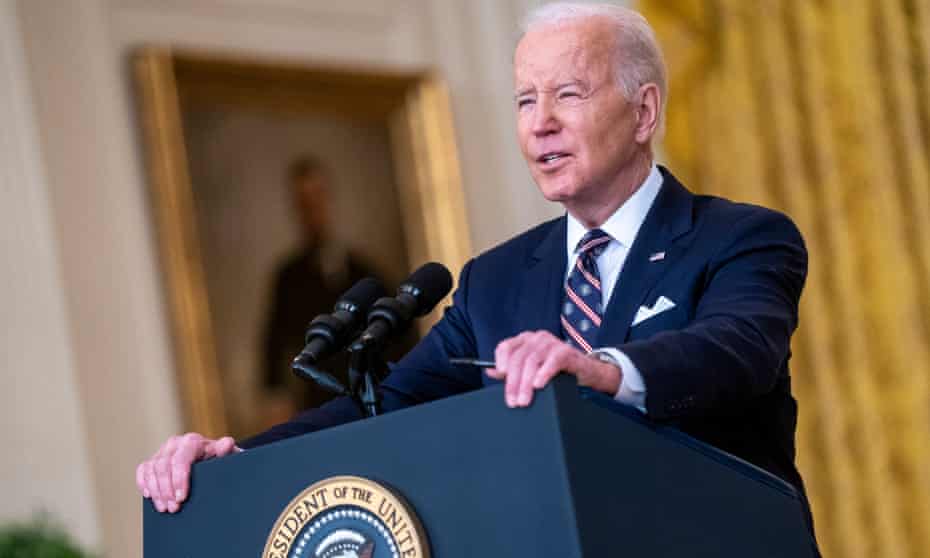
It appears President Joe Biden has a tough stance on cryptocurrency taxation and regulation. He has proposed several measures to increase the tax burden on crypto miners, traders, and investors, as well as to close the loopholes that allow tax evasion and wash-trading.

Some of these measures include:

A 30% excise tax on the electricity cost of crypto mining, which would be phased in over three years starting from Dec. 31, 2023. This is aimed at addressing the environmental impact of crypto mining, which consumes more energy than some countries.

Requirement to report crypto transfers of more than $10,000 to the IRS, which would help identify and track potential tax evaders and money launderers.

A new minimum tax of 25% on unrealized capital gains, which would apply to some high-net-worth crypto owners who hold their assets without selling them.

A wash sale rule for crypto assets, which would prevent traders from claiming tax-deductible losses on losses and then immediately repurchasing the same tokens. This would align crypto taxation with that of stocks and bonds.

These proposals are part of Biden’s budget plan for the 2024 fiscal year, which is expected to raise billions of dollars in revenue for the government. However, they have also faced criticism and opposition from some crypto enthusiasts, who argue that they will stifle innovation and growth in the industry and create unfair disadvantages for crypto users compared to other asset classes.

President Biden sometime last year signed an executive order on ensuring responsible development of digital assets, including cryptocurrencies. The order outlines the first ever, whole-of-government strategy to address the risks and harness the potential benefits of digital assets and their underlying technology.

The order lays out a national policy for digital assets across six key priorities: consumer and investor protection; financial stability; illicit finance; U.S. leadership in the global financial system and economic competitiveness; financial inclusion; and responsible innovation.

The executive order calls for measures to protect U.S. consumers, investors, and businesses from the implications of the growing digital asset sector and changes in financial markets. It also encourages regulators to ensure sufficient oversight and safeguard against any systemic financial risks posed by digital assets.

The order directs an unprecedented focus of coordinated action across all relevant U.S. government agencies to mitigate the illicit finance and national security risks posed by the illicit use of digital assets. The order also supports innovation and U.S. competitiveness in the global financial system by exploring a digital version of the dollar and engaging with international partners on global governance of digital assets.