DD
MM
YYYY

PAGES

DD
MM
YYYY

spot_img

PAGES

Home Blog Page 4216

Betting on the Blockchain: Bitcoin Integration in Online Gambling

1

The world of online gambling is constantly evolving.  The integration of Bitcoin and other cryptocurrencies into the industry is one of the most transformative developments in recent years.

Blockchain technology is the foundation of cryptocurrencies. It promotes transparency, security, and efficiency to various sectors, including online gambling. Here, we will explore how Bitcoin is revolutionizing online gambling, its benefits, and the challenges it presents.

The Basics of Bitcoin

Bitcoin is a decentralized digital currency created in 2009 by an anonymous entity known as Satoshi Nakamoto. Unlike traditional currencies, Bitcoin operates on a decentralized ledger called the blockchain. It records all transactions across a network of computers. Here are some aspects of Bitcoin:

Decentralization

Bitcoin is not controlled by central authorities like governments or banks. Instead, it relies on a network of miners who validate transactions and maintain the blockchain.

Anonymity and Security

Bitcoin transactions are recorded on the blockchain as pseudonymous. Users are represented by wallet addresses, not personal information, which can enhance privacy.

The blockchain’s cryptographic nature makes it highly secure, reducing the risk of fraud and hacking.

Blockchain is a decentralized and distributed ledger technology that has gained significant attention for its potential to revolutionize various industries. Here are key aspects of blockchain:

Transparency

Transactions on a blockchain are transparent and can be viewed by anyone on the network. This can help reduce fraud and increase trust among participants.

Consensus Mechanisms

Blockchain networks use consensus mechanisms to validate the ledger. Common mechanisms include Proof of Work (PoW) and Proof of Stake (PoS), each with its own advantages and drawbacks.

Smart Contracts

Smart contracts are self-executing. They hold the terms of the agreement directly written into code. These terms automatically execute when predefined conditions are met. There is no need for intermediaries.

Permissioned vs. Permissionless

Blockchains can be permissioned (private) or permissionless (public). Permissioned blockchains restrict access to a select group of participants, while permissionless blockchains are open for anyone to join.

Tokenization

Many blockchains use tokens or cryptocurrencies to represent value or ownership rights. These tokens can be used for various purposes within the blockchain ecosystem. Their uses include payment, access, and governance.

Use Cases

Blockchain technology has a wide range of potential applications beyond just cryptocurrencies. It can be used in supply chain management, finance, healthcare, identity verification, and more. It is suitable for areas where trust, security, and transparency are essential.

The Rise of Bitcoin Casinos

Bitcoin casinos have brought a revolutionary shift to the online gambling world.  These digital platforms have introduced a new dimension to the traditional casino experience. Instead of completely relying on traditional currencies, casinos are integrating cryptocurrencies like Bitcoin, into their operations.

This convergence of technology and gambling has changed the landscape of the gambling industry for both players and operators.

The concept of crypto casinos emerged as a direct result of the increasing popularity of cryptocurrencies. Bitcoin, introduced in 2009, marked the beginning of a new era in digital finance and transactions.

Over time, enthusiasts recognized the potential of using cryptocurrencies to revolutionize other industries, including gambling. As a result, the first crypto casinos started appearing around 2014. They allow players to place bets using cryptocurrencies instead of traditional fiat currencies. Here are some benefits of Bitcoin casinos.

Transparency and Anonymity

Transparency is one of the biggest benefits of crypto casino. Traditional online casinos often lack transparency in their operations, making it difficult for players to verify the fairness of games.

However, many crypto casinos use blockchain technology to create provably fair games. This technology allows players to independently verify the fairness of each game’s outcome, ensuring that casinos cannot manipulate the results.

Additionally, the use of cryptocurrencies provides a higher level of anonymity for players. Transactions on blockchain networks are pseudonymous. They allow users to gamble without revealing personal information. This level of privacy is particularly appealing to those who prioritize the security of their data.

Global Accessibility and Speed of Transactions

Accessibility is another significant advantage of crypto casinos. Traditional online casinos often restrict access to players from certain countries due to regulatory and legal considerations. However, Bitcoin operates on a decentralized network, enabling players from around the world to gamble online without facing geographical restrictions.

The speed of transactions is also a game-changer in the world of gambling. Traditional banking methods often cause delays in deposits and withdrawals. The delays can impact the overall user experience.

In contrast, Bitcoin transactions are almost instant. They allow you to deposit funds and withdraw winnings without unnecessary delays.

The Future of Crypto Casinos

The rise of crypto casinos has been rapid, and the future looks promising. As blockchain technology advances, it is likely that more sophisticated and secure gaming platforms will emerge, tightly integrated with innovative crypto payment gateways. An example of such a crypto payment gateway is the PassimPay platform. PassimPay stands as a revolutionary force in the realm of cryptocurrency payment gateways for online casinos, offering a plethora of advantages that redefine the gaming experience. Its benefits are multifaceted, catering to both players and casino operators alike: anonymity, high speed of transactions, global accessibility and inclusivity for players.

From the casino operator’s perspective, PassimPay offers cost-effectiveness and efficiency. Its decentralized nature reduces transaction fees and minimizes the intermediaries involved, translating into significant savings for the casino. High level of security and privacy minimizes the risks associated with fraudulent activities, ensuring a secure and reliable payment gateway for both players and the casino itself.

Largely, as regulatory frameworks become clearer, the mainstream adoption of crypto casinos may increase, attracting a wider audience.

Crypto casinos may expand their game offerings beyond traditional casino games like slots and poker. They might integrate blockchain-based games and NFT-based games. They may even incorporate virtual reality (VR) and augmented reality (AR) experiences.

Integration with decentralized finance (DeFi) protocols could enable players to earn interest on their cryptocurrency holdings while gambling or provide liquidity to betting pools.

Crypto casinos may become more accessible by ensuring compatibility with various cryptocurrencies and wallets. This will allow you to switch between different cryptocurrencies when gambling.

Cryptocurrencies enable global access to gambling platforms, breaking down geographical barriers. The future may see increased internationalization of crypto casinos.

The energy consumption associated with certain cryptocurrencies has raised environmental concerns. Crypto casinos might consider adopting more energy-efficient cryptocurrencies or eco-friendly blockchain solutions.

AI algorithms can analyze player behavior to detect problem gambling patterns and offer responsible gambling features. Big data analytics can provide insights into player preferences and help customize gaming experiences at crypto casinos.

In conclusion, the rise of crypto casinos has reshaped the landscape of online gambling. These platforms enhance transparency, anonymity, and faster transactions. While challenges exist, there is a lot of potential for continued growth and innovation.

As the gambling industry continues to adapt to technological advancements, the fusion of cryptocurrencies and casinos is set to make a huge difference.

BRICS Currency Is Highly Unlikely, But Currency Swap Is Rather Possible

0

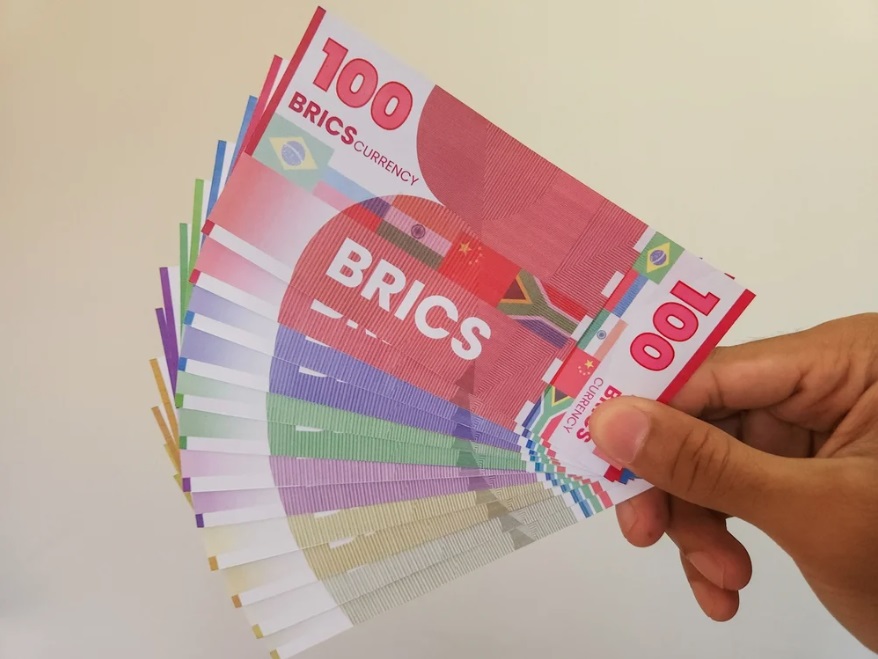
The BRICS nations of Brazil, Russia, India, China and South Africa, will score own-goals if they think they can use gold to back the planned BRICS currency, which is being designed to rival the US dollars. Here is an advantage of a gold-backed currency as advocates explain: “it provides more stability and certainty to its users and holders, as its value is determined by the market price of gold, which is relatively stable and predictable over time. A gold backed currency also reduces the risk of inflation or hyperinflation, as its supply cannot be increased arbitrarily by its issuer.”

I do not buy  that and this has been my position. In our modern global economy, using gold to back any currency in a free mercantilist economy (you are better by increasing export and trade) is an illusion. Using the US which has data on everything, the nation has about 8,133 metric tons in gold reserves which comes down to about $500 billion.  Simply, if you melt all the physical gold in America, it is not worth up to 25% of the value of Apple Inc. At a deeper level, markets have priced Apple more because it has more value! 

Globally (including the BRICs nations), in all forms and nature including bullions, jewelry, derivatives, private placements, stocks, etc, the value of gold is about $13 trillion. The world economy is about $105 trillion; there is no way gold in all forms will back that economic size, even for the BRICS countries, unless we move to the imperial age.

What that means is that gold cannot support the BRICS currency because of the asymmetrical imbalance where the GDP of China alone is larger than the value of known gold, in all forms, in the world. 

More so, if they adopt a single currency, the flexibility which comes to the independent central banks will go, since that currency will have a supranational apex bank for its governance.  That “ limits the flexibility and autonomy of its issuer to conduct monetary policy according to its economic needs and objectives. A gold backed currency cannot be adjusted in value through interest rate changes, quantitative easing, or exchange rate interventions.”

Russia will not like that because just last week, it used an interest rate hike to save its falling ruble. Under a BRICs currency, that interest rate tool would not be possible for Russia.

Good People, currency union is challenging when economies are heterogeneous in nature, and in BRICS, none seems similar, making welfare losses possible, and that is why BRICS currency will not happen in the near future. Rather, currency swaps will reign!


Ndubuisi Ekekwe served as a currency expert to the African Union Congress, helping on the impacts of a single currency. The ex-banker earned a doctorate in banking/finance with focus on global trade and currency.

Gold-Backed BRICS Currency Will Be Challenging To Execute

0

The idea of a gold backed currency issued by the BRICS countries (Brazil, Russia, India, China and South Africa) has been circulating for a while, especially among some alternative media outlets and gold enthusiasts. The proponents of this idea argue that such a currency would challenge the dominance of the US dollar and provide a more stable and fairer alternative for international trade and finance. However, there are many challenges and obstacles that make this idea very unlikely to materialize, at least in the foreseeable future.

First of all, let’s clarify what a gold backed currency means. A gold backed currency is a type of currency that is convertible into a fixed amount of gold at any time, either by the issuing authority or by the holders of the currency. This means that the value of the currency is determined by the market price of gold, and that the issuing authority has to maintain sufficient gold reserves to back up its currency in circulation.

A gold backed currency is different from a gold standard, which is a system where the exchange rate between different currencies is fixed according to their gold content or parity. Under a gold standard, the issuing authorities do not necessarily have to hold gold reserves, as long as they maintain the fixed exchange rate with other currencies. There is no economic rationale or incentive for the BRICS countries to adopt a gold-backed currency. A gold-backed currency would limit their monetary sovereignty and policy flexibility, as they would have to maintain a fixed exchange rate with gold and adjust their money supply accordingly.

This would constrain their ability to respond to external shocks, such as commodity price fluctuations, trade imbalances, capital flows and financial crises. It would also expose them to speculative attacks and currency wars from other countries that could manipulate the gold market or devalue their own currencies.

A gold backed currency is also different from a fiat currency, which is a type of currency that is not backed by any physical commodity or asset, but by the confidence and trust of its users and the credibility and stability of its issuer. A fiat currency derives its value from the supply and demand of money in the economy, and from the monetary policy of its issuer. A gold-backed currency would require a large and stable stock of gold reserves, a credible and transparent mechanism to audit and verify them, a secure and efficient system to transfer and settle them, and a widespread acceptance and trust from the public and the international community.

None of these conditions are met by the BRICS countries at the moment. Their gold reserves are relatively small compared to their GDPs and trade volumes, their auditing and reporting standards are questionable or inconsistent, their payment systems are fragmented or underdeveloped, and their currencies are not widely used or trusted outside their borders.

The US dollar is currently the most widely used fiat currency in the world, and it serves as the global reserve currency, meaning that most countries hold a large portion of their foreign exchange reserves in US dollars, and that most international transactions are denominated and settled in US dollars. The US dollar also benefits from the so-called petrodollar system, which refers to the fact that most oil producing countries sell their oil in US dollars, creating a constant demand for the greenback.

The US dollar has been a fiat currency since 1971, when President Nixon ended the convertibility of the dollar into gold, effectively ending the Bretton Woods system that had been established after World War II. The Bretton Woods system was a type of gold standard, where most currencies were pegged to the US dollar, which in turn was convertible into gold at $35 per ounce.

The main advantage of a fiat currency is that it gives more flexibility and autonomy to its issuer to conduct monetary policy according to its economic needs and objectives. A fiat currency can be adjusted in value through interest rate changes, quantitative easing, or exchange rate interventions, depending on the economic situation and goals of its issuer.

The main disadvantage of a fiat currency is that it can be subject to inflation or deflation, depending on how well its issuer manages its money supply and demand. A fiat currency can also lose its value or credibility if its issuer becomes insolvent, defaults on its debt obligations, or faces political or social instability.

A gold backed currency, on the other hand, has some advantages and disadvantages compared to a fiat currency. The main advantage of a gold backed currency is that it provides more stability and certainty to its users and holders, as its value is determined by the market price of gold, which is relatively stable and predictable over time. A gold backed currency also reduces the risk of inflation or hyperinflation, as its supply cannot be increased arbitrarily by its issuer.

The main disadvantage of a gold backed currency is that it limits the flexibility and autonomy of its issuer to conduct monetary policy according to its economic needs and objectives. A gold backed currency cannot be adjusted in value through interest rate changes, quantitative easing, or exchange rate interventions.

Bureau De Change Operators Accuse Unlicensed Companies And Fintech Firms of Diverting Diaspora Remittances

0

Bureau De Change operators in Nigeria have accused unlicensed online firms and Fintech companies of diverting diaspora remittances.

The President of the BDC operators Aminu Gwadebe, expressing concern on the issue, said that diaspora remittances are now being redirected away from the official market, which are diverted by some Fintech and unlicensed companies.

Mr. Aminu lamented that this operation has led to the lack of formal documentation of remittances sent to Nigeria in dollars, while stating that most of the diaspora remittances are being diverted outside the parallel market.

In his words,

“We had a meeting with the banks where we even tried to bring up the issue of diaspora remittances so that we can harness it and bring liquidity, but they said they don’t see it. That’s the truth of the matter, a lot of unlicensed online firms are in the process.

“It’s not in the official market, it’s not even in Nigeria, it’s not even coming, that is the truth of the matter, It’s being left abroad to be financing the 41 banned items and other illegal speculation holding activities. People are sending money but the thing is that it is not coming through a regulated and official channel.”

Also speaking on some fintechs diverting diaspora remittances, he said,

“Yes, to some other channels that operate under different jurisdictions all over and lack standardized regulations. Can you tell me about Binance that is not in Nigeria, Nigerians are not doing transactions of Binance.

“These are borderless platforms, they don’t have borders, they don’t have offices, you don’t even know where they are, are they operating in Kenya, South Africa, Nigeria or Ghana. They just don’t transfer money through an agent, there are a lot of online platforms that are being advertised in all these places where we have Nigerians and they are highly speculative, sometimes their rates are even higher than what is obtainable in the parallel market.”

Mr. Aminu however acknowledged the malpractice carried out by some unscrupulous BDC operators, whom he accused of receiving diaspora remittances and not reporting it officially. He further warned that any BDC operator caught doing transactions and refusing to send the returns of its activities is going to be severely dealt with.

On the role of government in this, he suggested the implementation of stricter measures for market players engaged in such activities. He emphasized the need for a favorable environment for licensed players, advocating for an expansion of the BDC business model beyond the conventional cash model.

Mr. Aminu further added that these measures would involve allowing them to adapt and evolve, fostering healthy competition and transparency to enhance the market’s depth.

Despite the accusation of fintechs diverting remittances, it is understood that these companies have continued to play a significant role in facilitating and optimizing diaspora remittances.

Fintechs have introduced innovative solutions that aim to streamline the process of sending and receiving money from individuals living and working abroad to their families back home. The landscape of international remittance has undoubtedly been altered by the emergence of fintechs, as their remittance services are gaining popularity all over the world.

When compared to traditional banks, these fintechs offer so many advantages.

Let’s look at some advantages;

  1. Lower Costs:

Traditional remittance channels often involve high fees and unfavorable exchange rates. Fintech companies leverage technology to offer more competitive pricing, reducing the cost of sending money across borders. This appeals to both senders and recipients, as more of the money sent reaches its intended destination.

  1. Efficiency and Speed:

Fintech remittance platforms typically offer quicker transfer times compared to traditional methods. They use digital platforms to expedite the processing and delivery of funds, providing faster access to funds for recipients.

  1. Higher Rates of Exchange:

Initially, it was difficult to obtain better exchange rates, as they were not favorable for even medium-sized and small businesses. But things completely changed when FinTech payment solutions started offering competitive exchange rates that were pretty close to the rates that were already in the market.

Looking at the advantages these fintechs offer, it is not far-fetched to understand why they are the preferred option for international remittances.

All parties involved in international remittance have benefited greatly from in fintechs revolutionary impact. It has changed the way people transfer money across borders, and has made international remittance cost-effective, secure, and quick by utilizing cutting-edge technologies.

Beyond India, Why China Should Remain The Yardstick for Africa’s Development

2

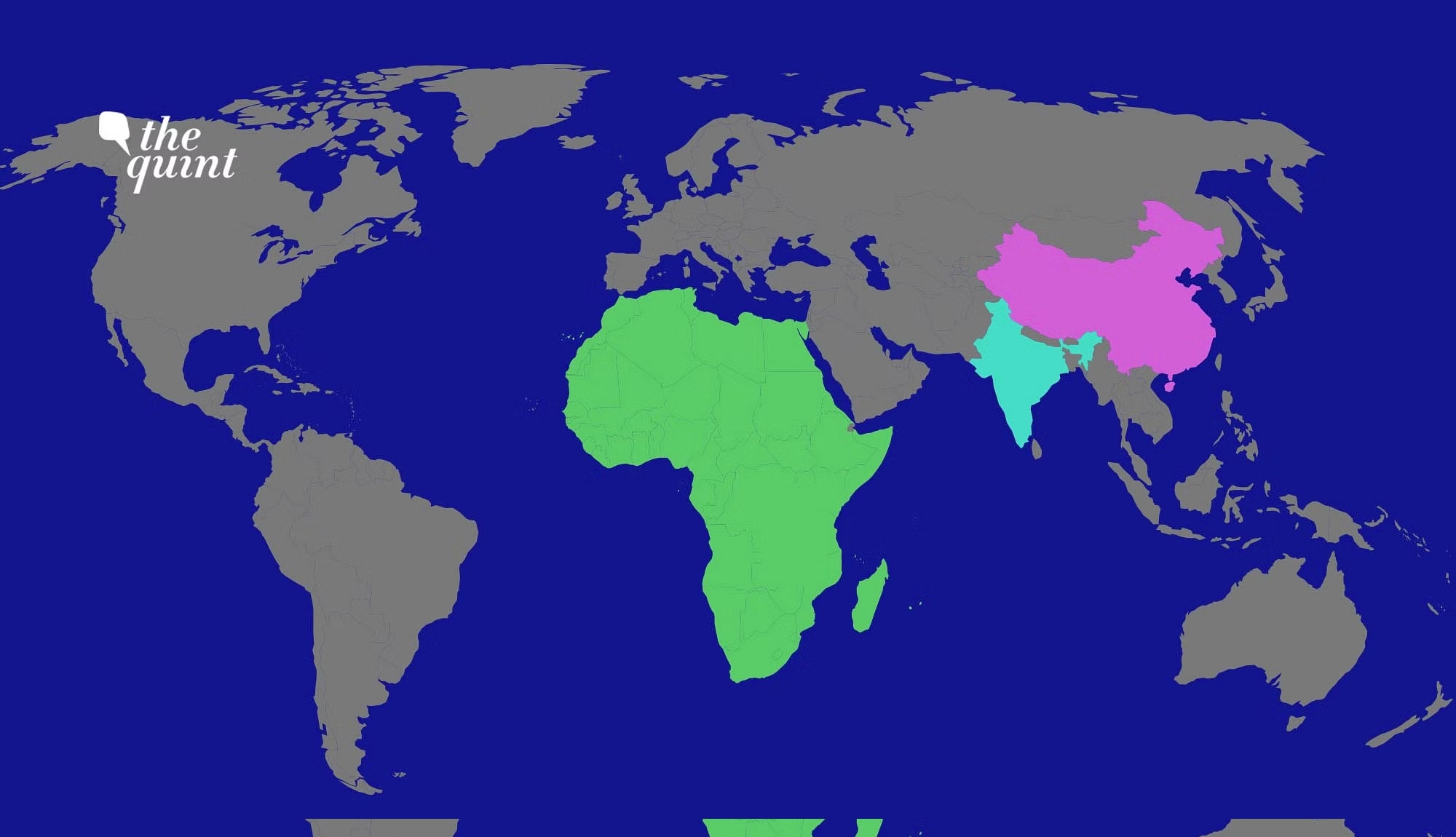
India is a great country, but what if I tell you that Africa outperforms India when you examine absolute and intrinsic economic indicators. Do not get me wrong: India has one of the greatest diaspora models in the world which is simply amazing and truly enviable. But despite all that, India’s potentials remain latent, unlocked, just like Africa. So, as you share this plot (below), note the following:

The population of India is 1.4 billion.  The population of Africa is 1.3 billion. The GDP of India is $3.1 trillion.  The GDP of Africa is $3 trillion. Did you notice something? Africa and India are just in the same pot, underperforming, despite the perception that India has higher productivity or efficiency. Indeed, the economic efficiency difference between India and Africa is the type which exists between 12 and a dozen. Sure, Africa has more natural resources. But yet, India enjoys one border which has an efficiency factor against Africa.  (GDP of China is about $17.73 trillion, population is about 1.4 billion.)

As I have written many times, we must look into China, because China has the secret sauce to development. India has a literacy rate of about 78%. China has 99.8% which means every person above 15 years old can read and write in China! As you go deeper, you will see why China is supreme and totally uncorrelated with any other emerging economy. 

Then, the biggest difference. When Africans and Indians graduate in American top universities, they make US permanent homes; Chinese put about 5 years, and then move back to China, and tap unlimited government-created resources to challenge the companies they worked for in the United States. That is why you hardly see Chinese at top leadership positions in leading US tech companies even as you see them running companies which challenge those firms at the global level. Like Africa, India does not offer such pathways.

Sure, we must learn certain things from India. But India itself is learning more from China, and I think we can go straight and learn from China. China is doing the core things which transform economies. Of course India rocks, and is doing great; my point is to put things in perspective.

Why this post? The politicians are throwing technology, technology and technology in their campaigns in Nigeria. One gubernatorial aspirant  is all over the place with blockchain for agriculture. People, what African agriculture needs is electricity to power silos, storage systems, etc; water systems for irrigation; and accessible road networks. And of course the big one: security!

I am a techie and I am conscious to write that the buzz of tech does not solve fundamental problems without a policy framework or business model. You can have all the tech experts in the world, and yet underperform on national productivity. That vision is what makes technology deliver big time.

The Limits of Tech and Why African Politicians Must Architect Generation-Shaping Policies

Comment on Feed

Comment 1: “Then, the biggest difference. When Africans and Indians graduate in American top Universities, they make US permanent homes, Chinese put 5 years, and move back to China.”

This may be the true difference maker…I see a strong parallel between Quality education and Quality Economy…

Big question…Why do Chinese people return home after a short period and Indians/Africans stay back?

The true diaspora remittance should be beyond sending a couple of dollars for family welfare economics but remitting your knowledge base and presence into growing the economy…i also must add that I am not excluding the responsibility of government to make the environment conducive for such exploration.

There is great hope for Africa and it lies greatly in our enhanced Human capital.