DD
MM
YYYY

PAGES

DD
MM
YYYY

spot_img

PAGES

Home Blog Page 4230

The unregulated BBL (Brazilian butt lift) industry in Nigeria: a death trap

0

The new current wave amongst ladies in Nigeria today is the Brazilian butt lift. It is the goal of most ladies to save up money so as to be able to afford it. It is the new rave and the proliferation of corresponding quack bbl clinics intending to satisfy this craving needs amongst young ladies in Nigerian big cities like Lagos and Abuja is worrisome.

Bbl is now the new social status symbol and Quack doctors are beginning to take advantage of desperate young ladies who aspire to enlarge their asses, offering them a cheap and affordable service and at the same time putting them at risk.

Due to the fact that the Nigerian BBL industry is yet to be regulated, it has been posing a grave concern as many young ladies have died due to health complications arising from BBL they did in quack clinics while the fortunate ones are down with incurable infection they got as a result of the procedure. Dr Anu’s (an infamous Lagos-based BBL surgeon) case is one of those that made it to the public hence why we have been raising the alarm that an unregulated BBL industry in Nigeria is surely a death trap.

During Dr Anu’s infamous BBL scandal, more than ten ladies spoke up about the health challenges they have been facing since they passed through the surgical blade of Dr. Anu, in her clinic in Lagos. Some of those ladies unfortunately died.

The Lagos state government may have closed down Dr Anu’s clinic and the medical board may have withdrawn her medical license but there are other numerous clinics out there that have also been risking the lives of young ladies in Nigeria and the cases are yet to make it to social media. Just this year I have been briefed twice by different ladies who are having health complications ever since they underwent a bbl procedure in a popular Abuja-based bbl clinic.

This is why the Nigerian government need to step in to regulate this industry so as to crack down on quack doctors and save the lives of numerous young ladies and here are some ways the Nigerian government can control BBL operations in Nigeria, especially through legislation

1. Legislation should be passed mandating that only licensed and certified surgeons are allowed to open and run a bbl clinic, with this legislation, quack doctors will be fished out and prosecuted. Being just a doctor does not qualify one to carry out a BBL surgery on a patient, BBL is a surgical procedure and it must be carried out by certified, certificated and licensed surgeons alone.

2. Legislations as to standards for the facilities where BBL procedures are performed should be made. It should not just be any kiosk. This standard should include the procedure equipment, location, staffing, post-surgery care equipment and infection control procedures.

3. Laws should be made to place limits on the amount of fat that can be transferred from the stomach to other parts of the body during a BBL procedure. This can help reduce the risk of fat embolism which is one of the complications faced by BBL patients after the procedure.

4. The Legislation should require that all adverse events related to BBL procedures must be reported to the government control board which will now carry out investigations as to what went wrong.

5. Regular reporting and unprecedented visitation by government bodies to the bbl clinics to ensure they are abiding by regulations.

6. Advertising and soliciting especially on social media should be banned. The law should prohibit the advertisements of BBL procedures so as to ensure that patients are not misled or given unrealistic expectations.

7. Continuing education requirements: Legislations can require that BBL surgeons undergo continuing education and training to stay up-to-date on the latest techniques and safety standards.

The earlier these laws are passed the better it will be for the Nigerian society.
Navigating the World of AI: How ChatGPT is Changing the Game

0

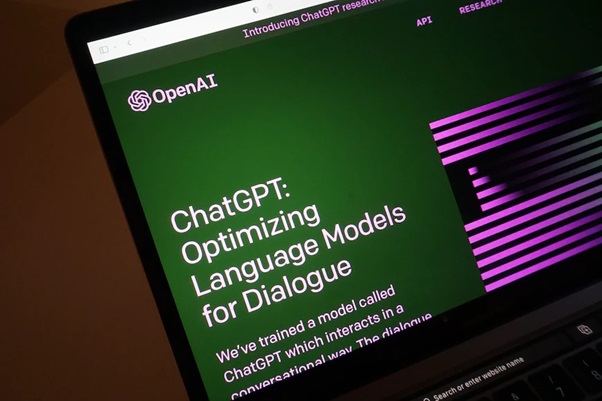
The artificial intelligence (AI) industry is expanding quickly, making it challenging to manage this fascinating area. The creation of ChatGPT, a language model by OpenAI that is revolutionizing how we communicate with technology, is one of the most critical advances in AI.

Here are five things you should know if you want to learn more about ChatGPT and how it is altering the AI landscape:

What is ChatGPT?

ChatGPT is a language model that creates responses to text questions that are human-like using machine learning. One of the most sophisticated language models in AI, ChatGPT’s powers is constantly growing. It can be applied to many things, like chatbots, client support, and creative writing.

How does ChatGPT work?

A comprehensive neural network with a large amount of text data was used in ChatGPT. The model uses this information to forecast the word or sentence, most likely following a prompt. It can produce responses that are suitable for the context and grammatically correct.

What are the benefits of ChatGPT?

The capacity of ChatGPT to produce responses to text prompts that sound natural is one of its key advantages. This makes it the perfect tool for companies seeking to rapidly enhance customer service or content creators looking to produce original content. Additionally, ChatGPT can be used for gaming, linguistic translation, and data analysis.

What are the limitations of ChatGPT?

Although ChatGPT is a remarkable technology, it has some drawbacks. It sometimes produces incomprehensible responses or overlooks crucial contexts because it needs proper comprehension or critical thinking. Concerns have also been raised regarding the moral ramifications of developing language models that can mimic human speaking.

What does the future hold for ChatGPT and AI?

The potential of AI and ChatGPT is exciting. We can anticipate more sophisticated language models capable of appropriate comprehension and critical thought as technology advances. New opportunities will be presented to companies, artists, and researchers.

ChatGPT is a game-changer in artificial intelligence and will only grow in popularity. You can keep up with the latest developments in this fascinating area by comprehending the technology that underpins ChatGPT and its potential applications.

When Nations Pay Taxes to Companies!

0

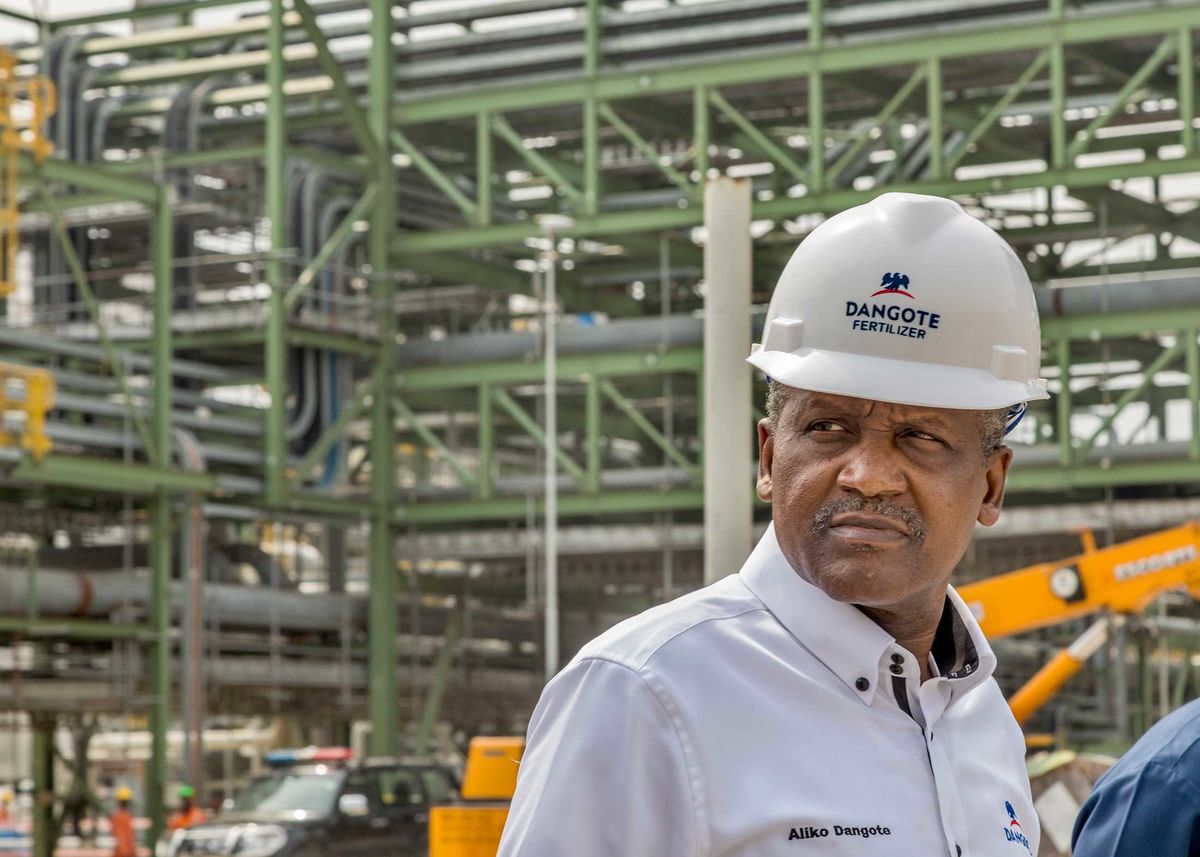
Every conglomerate in the world has one thing in common: nations and citizens pay them taxes. I have called the phenomenon Conglomerate Tax. If Amazon wants a second headquarters, many American cities ship $billions to it. Boeing until recently was getting $100 million yearly from the state of Washington. In Nigeria, we have Dangote Group which gets many goodies because it is a conglomerate.

But note this: it is a good thing when you have many of such companies, because in the end, the net effects are always positive. Indeed, for all the talks of startups, the reality is that nations need conglomerates because their sizes help them make critical investments. For example, Dangote Refinery can help fix some challenges in the transportation sector through efficient supply of fuel in the economy.

Fascinatingly, a trader may not get the status to tax a nation but an industrialized conglomerate can (better FX, waivers, etc). Why? It is all about accumulating capabilities which then make it possible to define terms which cities and nations must agree to, for you to help them! It happens in all nations. Nigeria’s unique case is that we have few conglomerates to start with, and because of that Conglomerate Tax seems out of phase.

Read more here.

Comment on Feed

Comment 1: To grow the numbers of its conglomerates, Nigeria can take a number of actions. Here are three examples of countries that have rapidly grown their conglomerates along with the lessons Nigeria can learn from them:

  1. China: China has been able to rapidly grow its conglomerates through various measures such as investing heavily in education, research and development, and infrastructure. Nigeria could follow China’s example by investing in education and infrastructure to create an environment that is conducive for businesses to thrive.

  2. South Korea: South Korea has been able to grow its conglomerates by focusing on innovation and technology. The country has invested heavily in research and development and has created incentives for businesses to innovate.

  3. United States: The United States is another country that has rapidly grown its conglomerates. The U.S. has a strong focus on entrepreneurship and has developed policies and programs that encourage and support new business creation. Nigeria could consider implementing similar policies and programs to support entrepreneurs and small businesses.

The takeaway lesson from these examples is that it takes a multi-faceted approach to grow conglomerates in a country.

Dangote Conglomerate Taxes


EU Lawmakers Reach Preliminary Agreement On Draft Artificial Intelligence Act

0

After several months of deliberations, European Union lawmakers have reached a preliminary agreement and have passed a draft of the Artificial Intelligence (AI) Act, which would be the first set of comprehensive laws related to AI regulation.

The draft which was approved on Thursday will see it proceed to the trilogue stage, a place where lawmakers would reach a provisional agreement on the draft and will work on finalizing the details.

The proposed regulations will categorize AI tools based on their assessed level of risk, ranging from minimal to limited, high, and unacceptable. However, the use of AI tools will not be prohibited, as they will only be required to ensure transparency in their operation. Also, under the proposal, companies that make generative AI tools would have to disclose if they have used copyright in their systems.

Ahead of the European Parliament’s vote on the AI Act in May, the advocacy advisor on Artificial Intelligence Regulation at Amnesty International Mher Hakobyan via an open letter to members of the Parliament, disclosed that the EU has a significant opportunity to regulate AI technologies to protect and promote human rights.

The letter reads in part,

The AI Act offers an opportunity to put an end to the use of discriminatory and rights-violating artificial intelligence (AI) systems. The EU must ban the use of discriminatory AI systems which disproportionately affect people from marginalized communities, including Refugees, migrants, and asylum seekers. Such technologies profile people and communities, claiming to predict crimes or identify people who supposedly pose a security risk, even leading to them being denied the right to asylum.

EU lawmakers must not miss the opportunity to prohibit the use of certain AI-based practices and protect the rights of migrants, refugees, and asylum seekers against harmful aspects of AI. The use of mass surveillance technologies, such as retrospective and live remote biometric identification tools must also be banned. The proposed law must also ban discriminatory social scoring systems that prevent people from accessing essential public and private services, such as child support benefits and education.

The AI act should address the development of European technologies that are exported to third countries. Firstly, AI systems that are prohibited in Europe should not be allowed to be exported abroad. Secondly, permitted high-risk technologies that are exported must meet the same regulatory requirements as high-risk technologies sold in the EU. Strong accountability and transparency measures must also be enforced when public and private bodies use AI systems in the EU. These actors must disclose their use of high-risk AI systems, and publish the human rights impact assessments. This is important so that people harmed by AI systems can seek redress. The AI Act should establish a mechanism for this purpose”.

Reports reveal that the European Union began drafting the AI Act nearly two years ago to regulate emerging artificial intelligence technology, which underwent a boom in investment and popularity following the release of OpenAI’s AI-powered chatbot ChatGPT last year.

It is worth noting that the race among tech companies both big and small to integrate AI into their products has concerned so many, which has seen Twitter CEO Elon Musk and several tech leaders write a proposal to call for the halt of the development of such systems.

Recall that these leaders urged major AI labs to immediately pause the training of AI systems more powerful than GPT-4 for at least six months. In an open letter penned by the Future of Life Institute, they cautioned that AI systems with “human-competitive intelligence” could become a major threat to humanity. Among the risks, is the possibility of AI outsmarting humans, rendering us obsolete, and taking control of civilization.

The letter emphasizes the need to develop a comprehensive set of protocols to govern the development and deployment of AI.

In the U.S., it has adopted a hands-off strategy. The US Chamber of Commerce have called for AI regulation, to ensure it doesn’t hurt growth or become a national security risk, but no action has been taken yet. It is interesting to note that the battle for regulation has seen governments and large technology companies go at loggerheads.

There are several arguments both for and against allowing caution to drive the control of AI. On one hand, AI is praised for being able to generate all forms of content, handle mundane tasks and detect cancers, among other things. On the other hand, there are concerns over its ability to deceive, perpetuate bias, and plagiarism, as some experts are worried about the future of humans.

Some scholars have however argued that excessive regulation may hinder AI’s full potential and interfere with “creative destruction.

A Great Testimonial on Tekedia Mini-MBA By Moshood Adelotan (video)

0

He was my big boss in the bank. As a junior IT Systems Automation engineer in the heart of Diamond Bank’s technology, we knew the day he was not at work. How? Confusion would be everywhere in that branch. Moshood Adelotan was peerless in branch banking operations. He redefined excellence and inspired even those of us who were in technology. He lived the Diamond Bank’s “absolute commitment to quality”.

And you know? He came to Tekedia Mini-MBA. People, I shouted when Eyitayo shared this video as part of Tekedia Mini-MBA edition 10’s Graduation Week. My Oga, thank you so much for the kind words.

We’re Tekedia Institute. More co-learners come here than any business school in Africa. Yes, we co-learn here because we have professors, CEOs and business super-operators like Mr. Adelotan as members. We cannot teach them; we only co-learn with them. Join us in the next edition.  This is the #best school.