DD
MM
YYYY

PAGES

DD
MM
YYYY

spot_img

PAGES

Home Blog Page 4317

Google Deepens Artificial Intelligence Into Gmail And Docs

0

American multinational technology company Google is deepening its push into Artificial Intelligence (AI), which has seen it recently roll out the technology for its various workspace apps, such as Google Docs, Gmail, Sheets, and Slides using the company’s AI technology.

The features include new ways to generate, summarize and brainstorm text with AI in Google Docs which is similar to how people use Open AI Chatbot ChatGPT. Also, the option to generate full emails in Gmail based on users’ brief bullet points, and the ability to create AI audio, imagery, and video to illustrate presentations in slides.

Vice President of Product for Google workspace wrote via a blog post, “Whether you are a busy HR professional who needs to create customized Job descriptions, or a parent drafting the invitation for your child’s pirate-themed birthday party, workspace save you the time and effort of writing that first version. Simply type a topic you would like to write about, and a draft will instantly be generated for you”.

With Google’s launch of AI in its workspace apps, a user can go to the text box in an email and type “draft an email to the team”. The technology will then proceed to draft a three-paragraph note which the user can edit if need be.

Google however disclosed that the writing tools in Docs and Gmail will be made available to a group of US-based trusted testers this month. The tech giant disclosed that this and other features will be made available to the public later in the year but did not specify when.

Check Out the full list of AI-powered features Google says will be coming to Workspace apps in the future:

  • Draft, reply, summarize, and prioritize your Gmail
  • Brainstorm, proofread, write, and rewrite in Docs
  • Bring your creative vision to life with auto-generated images, audio, and video in Slides
  • Go from raw data to insights and analysis via auto-completion, formula generation, and contextual categorization in Sheets
  • Generate new backgrounds and capture notes in Meet
  • Enable workflows for getting things done in Chat

Google’s recent integration of AI technology into its products shows the tech company’s goal to stay ahead of its competitors and possibly remain a dominant go-to platform for a large number of individuals.

Ever since the arrival of OpenAI ChatGPT last year, which is currently the rave of the moment, different tech companies have been scrambling to integrate similar chatbot features into their product. This has seen Google disclosed plans to release its own conversational Artificial Intelligence service called Bard as a reply to ChatGPT.

Google disclosed that Bard is now available to trusted testers ahead of making it more generally available to the public. Bard seeks to combine the breadth of the world’s knowledge with the power, intelligence, and creativity of Google’s large language models. It draws on information from the web to provide fresh, high-quality responses.

Announcing the release of Bard during the company’s earnings call, Google’s CEO, Sundar Pichai, said AI has become a priority for the company in the last six years. Explaining Google’s plan toward the establishment of Bard, he noted the company has always put AI as part of its target.

Also, tech giant Microsoft, last month announced its long-rumored integration of OpenAI’s GPT-4 model into Bing, providing a ChatGPT-like experience within the search engine.

The new Bing currently features the option to start a chat in its toolbar, which then brings users to a ChatGPT-like conversational experience. According to Microsoft, while OpenAI’s ChatGPT bot was trained on data that only covers 2021, Bing’s version is far more up-to-date and can handle queries related to far more recent events. The company is also launching a new version of its Edge browser, with these new AI features built into the sidebar.

The surge in on-demand messaging has shifted customers’ preferences for communication. With the emerging chatbot trends, more industries are integrating chatbots into their business processes to deliver continuous customer engagement.

What are some of the most accepted cryptocurrencies across the entertainment industry?

0

Cryptocurrencies are digital or virtual currencies that use encryption techniques to regulate the generation of units of currency and verify the transfer of funds, operating independently of a central bank. Some of the most popular cryptocurrencies in the market include Bitcoin, Ethereum, Ripple, and Litecoin.

The entertainment industry has been quick to embrace cryptocurrencies due to their potential to revolutionize the way transactions are carried out. With the rise of digital streaming and online marketplaces, cryptocurrencies have provided an alternative payment method that eliminates the need for intermediaries such as banks, payment processors, or credit card companies.

The use of cryptocurrencies in the entertainment industry has also increased transparency in transactions, reducing the risk of fraud and ensuring that creators and performers are paid fairly. Furthermore, the decentralized nature of cryptocurrencies has the potential to offer more secure transactions, protecting artists and consumers from data breaches and identity theft.

Overall, the adoption of cryptocurrencies in the entertainment industry has the potential to reduce transaction costs, offer a more secure and transparent payment system, and open up new opportunities for creators, performers, and consumers alike.

Cryptocurrencies in the Entertainment Industry

The entertainment industry has seen a growing adoption of cryptocurrencies as a means of payment for goods and services. Below are some of the most commonly used cryptocurrencies in the industry:

  • Bitcoin: Bitcoin is the most widely recognized and used cryptocurrency in the world. It operates on a decentralized platform, with no central authority governing its transactions. Many music and film festivals, as well as streaming platforms, have started accepting Bitcoin as a payment method for tickets, merchandise, and subscription fees.
  • Ethereum: Ethereum is another popular cryptocurrency that operates on a decentralized platform. It offers a more advanced and flexible blockchain technology than Bitcoin, allowing for the development of smart contracts and decentralized applications (dApps). The entertainment industry has been experimenting with Ethereum-based tokens to fund creative projects, such as films, music albums, and games.
  • Ripple: Ripple is a cryptocurrency designed for cross-border payments, enabling faster and more secure transactions compared to traditional banking systems. The music industry has been exploring the use of Ripple to facilitate royalty payments to artists and copyright holders, eliminating the need for intermediaries and reducing transaction fees.
  • Litecoin: Litecoin is a cryptocurrency that is similar to Bitcoin, but with faster transaction speeds and lower transaction fees. It has been used in the gaming industry as a payment method for in-game purchases and microtransactions.

Overall, the use of cryptocurrencies in the entertainment industry is still in its early stages, but the potential benefits of decentralization, transparency, and security have made it an attractive option for creators, performers, and consumers. As the industry continues to embrace digital technologies, we can expect to see further developments and innovations in the use of cryptocurrencies.

Benefits of Cryptocurrencies in the Entertainment Industry

The use of cryptocurrencies in the entertainment industry brings several benefits, some of which are discussed below:

  • Eliminating intermediaries: One of the key benefits of using cryptocurrencies in the entertainment industry is the elimination of intermediaries such as banks, credit card companies, or payment processors. This results in a more direct and streamlined payment system, reducing the time and cost associated with payment processing.
  • Enhancing transparency: Cryptocurrencies offer a more transparent payment system, where transactions are recorded on a decentralized ledger that is publicly accessible. This means that artists, performers, and consumers can track the flow of funds and verify that transactions are fair and accurate.
  • Reducing transaction costs: Cryptocurrencies have the potential to significantly reduce transaction fees, which can be particularly beneficial for smaller transactions, such as purchasing a song or a movie ticket. By eliminating intermediaries and the associated fees, cryptocurrencies offer a more cost-effective payment method.
  • Offering secure transactions: Cryptocurrencies use sophisticated encryption techniques to secure transactions and protect user privacy. This makes them more secure than traditional payment methods, which are vulnerable to hacking and fraud. Additionally, the decentralized nature of cryptocurrencies makes them more resistant to cyber attacks and data breaches.

Overall, the benefits of using cryptocurrencies in the entertainment industry include a more direct and streamlined payment system, enhanced transparency, reduced transaction costs, and improved security. As the industry continues to evolve and embrace digital technologies, the use of cryptocurrencies is likely to become increasingly prevalent.

Use Cases of Cryptocurrencies in the Entertainment Industry

Cryptocurrencies have several use cases in the entertainment industry, such as:

  • Purchasing tickets and merchandise: Many music festivals, sports events, and other entertainment venues now accept cryptocurrencies as a means of payment for tickets and merchandise. This provides consumers with more payment options and eliminates the need for intermediaries, resulting in faster and more secure transactions.
  • Funding creative projects: Cryptocurrencies have been used to fund creative projects such as films, music albums, and games. Platforms such as Kickstarter and IndieGoGo have started accepting cryptocurrencies as a payment method for crowdfunding campaigns, allowing creators to reach a wider audience and bypass traditional funding channels.
  • Paying for streaming services: Streaming services such as Spotify and Tidal have started accepting cryptocurrencies as a payment method for their subscription fees. This provides users with a more secure and private payment option and eliminates the need for credit cards or payment processors.
  • Donating to artists and performers: Cryptocurrencies have enabled fans to donate directly to their favorite artists and performers, bypassing intermediaries such as record labels and management companies. This allows artists to receive a larger share of the revenue and provides fans with a more direct and meaningful way to support their favorite artists.

If you are interested in exploring the use of cryptocurrencies in the entertainment industry further, click here to access a review page of casinos that accept cryptocurrencies as a form of payment. In addition to the use cases mentioned above, cryptocurrencies have several other potential benefits for the entertainment industry. For example, blockchain technology, which underlies most cryptocurrencies, can be used to create a more transparent and efficient system for tracking royalties and other revenue streams. This could help to address longstanding issues in the music industry, such as disputes over royalty payments and lack of transparency in revenue sharing.

Moreover, cryptocurrencies can facilitate cross-border transactions, which can be particularly useful for international events and productions. Cryptocurrencies allow for fast and secure payments without the need for currency conversions or traditional banking systems, which can be expensive and time-consuming.

Overall, the use of cryptocurrencies in the entertainment industry is still in its early stages, and there are many potential use cases that have yet to be explored. However, as the industry continues to evolve and adopt new technologies, it is likely that cryptocurrencies and blockchain technology will play an increasingly important role in shaping the future of entertainment. If you’re interested in learning more about how cryptocurrencies are being used in the entertainment industry, check out the review page of casinos that accept cryptocurrencies as a form of payment.

Challenges and Risks of Cryptocurrencies in the Entertainment Industry

While cryptocurrencies offer several potential benefits in the entertainment industry, there are also several challenges and risks associated with their use, including:

  • Regulatory risks: Cryptocurrencies operate outside of traditional financial systems and are not subject to the same regulations and oversight as traditional payment methods. This lack of regulation has led to concerns over money laundering, fraud, and other illicit activities. As a result, some governments and regulatory bodies have implemented or are considering implementing stricter regulations on cryptocurrencies, which could limit their use in the entertainment industry.
  • Security risks: Cryptocurrencies are susceptible to cyber attacks and theft, particularly if stored on an exchange or other centralized platform. Additionally, the irreversible nature of cryptocurrency transactions makes it difficult to recover lost or stolen funds. While there are measures that can be taken to improve security, such as using cold wallets or multi-factor authentication, the risk of security breaches remains a concern.
  • Market volatility: Cryptocurrencies are known for their extreme price fluctuations, which can pose risks for businesses and consumers that accept or hold cryptocurrencies. Market volatility can affect the value of transactions, making it difficult to price goods and services accurately. Additionally, sudden price drops can result in significant financial losses for businesses and individuals.

Overall, the challenges and risks associated with cryptocurrencies in the entertainment industry are significant and should be carefully considered before adopting them as a payment method. Businesses and consumers should weigh the potential benefits of cryptocurrencies against these risks and take appropriate measures to mitigate them.

Conclusion

In conclusion, cryptocurrencies have emerged as a viable payment option for the entertainment industry, offering several benefits such as faster and more secure transactions, reduced transaction costs, and increased transparency. The use of cryptocurrencies in the entertainment industry is still in its early stages, but there are already several notable use cases, including purchasing tickets and merchandise, funding creative projects, paying for streaming services, and donating to artists and performers.

However, it is important to note that the adoption of cryptocurrencies in the entertainment industry also comes with several challenges and risks, such as regulatory risks, security risks, and market volatility. Businesses and individuals looking to adopt cryptocurrencies as a payment method should carefully consider these risks and take appropriate measures to mitigate them.

As the entertainment industry continues to evolve and embrace new technologies, it is likely that cryptocurrencies and blockchain technology will play an increasingly important role. It is important for stakeholders in the industry to stay informed and adapt to these changes in order to stay competitive and provide the best possible experience for consumers.

Overall, the use of cryptocurrencies in the entertainment industry represents an exciting opportunity for innovation and growth, and it will be interesting to see how these technologies continue to evolve and shape the future of the industry.

Kenyon International West Africa Limited Funds 50 Scholars to Tekedia Mini-MBA

0

Join me to thank Kenyon International West Africa Limited for funding 50 scholars to Tekedia Institute Mini-MBA.  “Our aim is to cause a paradigm shift in the mindset of many Africans and help them discover their entrepreneurial strength, which is needed for us to experience a sustainable economic boom as a continent,” the company noted on its motivation for this generosity to young people. We wish Kenyon more markets, more wins and more opportunities, and thank you for funding the FUTURE.

To learn more about Kenyon, go here .


Circle’s Injects over $3Billion in a Bid to Stabilize $USDC

0

The crypto community was in temporal jeopardy over the weekend due to reports that some crypto-friendly banks in the United States packed up and one of the most prominent stablecoins in the Crypto space, $USDC lost its peg to the US dollar and dropped as low as $0.8.

Circle announced that it had redeemed 2.9 billion USDC and minted 700 million USDC on March 13, that was down from an earlier estimate of $4 billion to $12 billion without a U.S. government’s intervention for banks. Circle says it will continue to add new transaction banking partners with 24/7/365 capabilities.

Although the Circle-issued stablecoin regained its peg on Monday, the discussion on how stablecoin de-pegging has become a recurrent theme in the crypto space still lingers.

For the uninitiated, stablecoins are a type of cryptocurrency designed to have a stable value relative to a specific asset or a basket of assets, typically a fiat currency such as the US dollar, Nigerian naira, euro or Japanese yen.

They are designed to offer a “stable” store of value and medium of exchange compared with more traditional cryptocurrencies like Bitcoin, which can be highly volatile. Fiat money, cryptocurrencies, and commodities like gold and silver are examples of assets used to collateralise or “back” stablecoins. The leading stablecoins in the space include the Tether-issued $USDT, Circle-issued $USDC, Binance’s $BUSD, $DAI and the defunct Terra’s $UST.

The only stablecoin that hasn’t encountered problems or depegged in the last ten months is Tether $USDT. All others have, at one point, put traders in a state of panic by losing their peg to $1. As a matter of fact, Terra’s $UST, which is supposed to be a stablecoin, currently trades at $0.02, a 97% decrease from the $1 mark.

Update from Circle

A stable U.S. banking system where deposits are safe and accessible is essential to the global financial system and to the operations of every fiat-backed stablecoin.

That was recognized by the U.S. government’s actions on Sunday, March 12, when the U.S. Treasury, Federal Reserve and the FDIC together stepped in to ensure that ordinary depositors were not harmed by the failures of Silicon Valley Bank and Signature Bank.

Since the failures of Signature Bank and Silvergate Bank, our core transaction banking partners, our teams have been working around the clock to restore USDC liquidity operations, including bringing on new transaction banking partners. We began processing minting and redemption requests on Monday morning, March 13, when the U.S. banking system re-opened, and are currently working through the backlog. We have more to do here, including adding new transaction banking partners with 24/7/365 capability, and we will keep our community posted on our progress.

On March 13, Circle has redeemed $2.9B USDC and minted $0.7B USDC. Moreover, as part of our ongoing initiatives to strengthen the USDC reserve, we now hold the cash portion of the reserve at BNY Mellon, except for limited funds held at transaction banking partners in support of USDC minting and redemption.

The majority of the reserve is invested in the Circle Reserve Fund, managed by BlackRock and custodied at BNYM, which is principally comprised of short dated U.S. Treasuries.

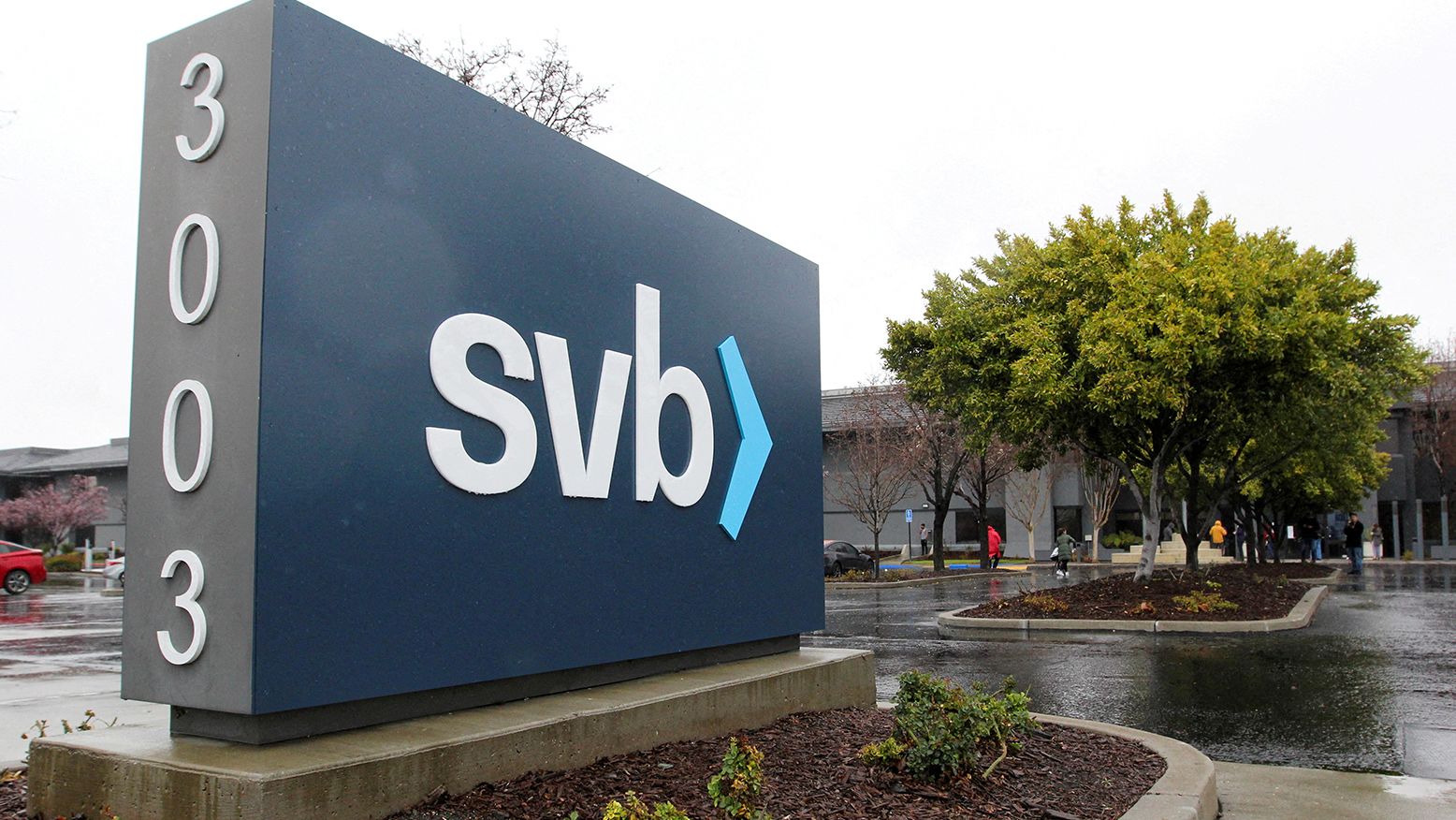
Silicon Valley Bank Newly Appointed CEO Tim Mayopoulos Calls on Customers to Bring Back Deposits

0

Newly appointed CEO of Silicon Valley Bank Tim Mayopoulos in a private Zoom meeting run by SVB for a select number of LPs and investors urged customers to return their funds, stating that the bank is open for business.

He disclosed that it is the most important thing customers can do to ensure Silicon Valley Bank survives while assuring them that both existing and new deposits will be protected by the FDIC.

In his words, “We are doing everything we can to rebuild, win back your confidence, and continue supporting the innovation economy. We recognize that the past few days have been an extremely challenging time, and we are grateful for your patience”. We are open for business and are hard at work bringing all systems and solutions back online to support you”.

Despite SVB disclosing that it was up and fully operational, the CEO however stated that things are still in the works. The bank stated on the call that it is still working to get cross-border solutions, including international wires back online. As regards other services and business units that SVB had from securities to venture debt, beyond the protected arm deposits, the future operating model is still being evaluated.

Mayopolous, who disclosed that the bank is back to conducting business as usual, since FDIC took over customers’ deposits, addressed social media’s perception of SVB that the bank is not in a wind-down mode. He further added that the future of the bank is still being discussed but will need at least some of its customer’s deposits as part of the diversification strategy.

Toward the end of the Zoom call, Mayopolous assured customers that they will be clear with everything that will be ongoing at the company to ensure to earn back their trust.

In his words, “Trust is a very delicate thing, it takes a long time to build trust, and it’s very easy to lose trust quickly. What we know here is we can’t take our clients for granted. The events of the last few days have unsettled people and put people in some really difficult positions.

“We are not oblivious to that, in everything that we are trying to do going forward we are trying to do our best to be clear and open with what’s happening and what is not happening”.

Following the collapse of the tech-focused Silicon Valley Bank, it was assumed by the new Silicon Valley Bridge Bank, a “Bridge Bank” operated by the Federal Deposit Insurance Corporation (FDIC), which transferred all deposits and assets from the failed institution to the newly formed bank.

Tim Mayopoulos, the former CEO of Fannie Mae, was appointed by the Federal Deposit Insurance Corporation (FDIC) to lead Silicon Valley Bank. He takes over after the bank was shut down by regulators as a result of a run on its deposits, which left it with insufficient capital.

For more than six years before joining fintech Blend, Mayopoulos was the CEO of mortgage financier Fannie Mae. Following his appointment as CEO of SVB, he has continued to reassure the bank’s customers that the institution is fully operational and ready to earn the trust of customers.

He also encouraged the new customers to consider working with the bank, saying that they are giving out new loans and opening new accounts.