DD
MM
YYYY

PAGES

DD
MM
YYYY

spot_img

PAGES

Home Blog Page 4391

How Nigerian Electorates Can Prepare for the 2023 Polls

0

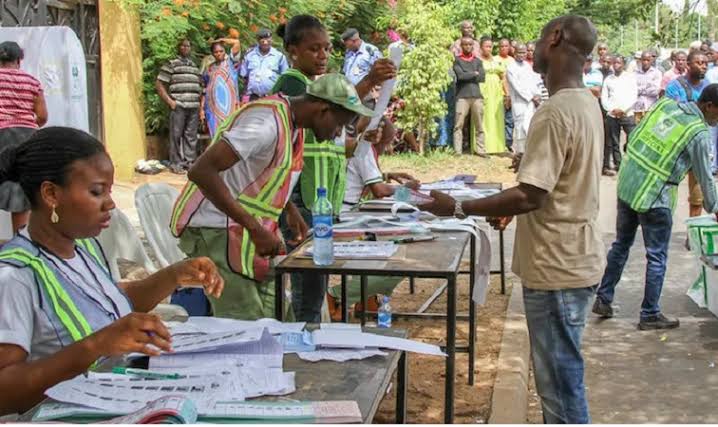
On Saturday, February 25, Nigerian electorates, registered and endorsed as credible voters by the Independent National Electoral Commission, INEC, are expected to make it to their various designated polling units to decide who will govern them at the national level for the next four years. Based on existing data of registered voters by INEC and the political issues that have surfaced in the country in the last couple of months, it is expected that the 2023 polls will record massive turn out at both the national and the state levels.

However, while evidences have shown that quite a number of Nigerians are excited about the forthcoming general election which is fewer than five days away, it is important for the Nigerian electorates to note the general and some specific facts about the coming elections that will prepare and enable them to exercise their franchise in a peaceful and ethical manner.

The following are tips on how the Nigerian electorates can brace for the coming elections:

Understand voting is your civic responsibility and civic right.

As a citizen, one of your obligations to your state is to actively participate in its process leading to the establishment of a new institution of government which will be saddled with the responsibility of looking over your security and welfare. It is also your prerogative as a citizen to vote for any individual or party you deem fit for the task among alternatives presented to you.

It is important to understand that the government is an institution of the state. Thus, Whether you feel included in or alienated from the government of the past should not deprive you of the opportunity to influence the collective choice of a new government towards a better future for your state.

Be excited about exercising your franchise and trust in the process.

Since voters apathy often results from lack of motivation of the electorates and lack of trust in the system, being intentionally optimistic and having trust in the process is a good way to cope with temptations to not participate in the election.

Be familiar with your Polling Unit.

Your polling unit is where you are expected to cast your vote on the election day. Your polling unit is the closest voting venue to you based on the address you registered during the voters registration exercise. It is generally advised to visit your polling unit a day or two days prior to the election date as this will enable you to familiarize yourself with the terrain and confirm your details on the voters registration lists pasted at the venue.

Don’t Forget your PVC.

Your PVC is your identity without which you cannot not be allowed to exercise your franchise. It is recommended to always keep your PVC handy and within reach a day or two days to the election date. You can place the PVC in the pocket of the cloth you intend to wear to your polling unit the night before.

Be resolute about your choice of candidate.

Before the election day, one is expected to have reached a decision about who one intends to vote for. However, when you leave your home for the polling unit, ensure you are still clear about the motive or rational behind your choice because at the polling unit you will likely meet party agents and loyalists who may hope to influence your decision. The election day is not a day to be credulous or entertain indecision.

On Accreditations and Voting

With your PVC you will be mobilized for accreditation based on the direction of the INEC officials at your designated polling unit. After accreditation, you will be presented with ink and a ballot paper with which to cast your vote.

Note that voting is a secrete ballot system. You will be directed to a cubicle where you can cast your vote privately.

To avoid casting a void vote, ensure the ink is appropriately applied to the box allotted to your preferred party and does not smear on other parts of the ballot paper. The ballot paper should be folded vertically and dropped into the ballot box.

What next after voting?

After casting your vote, you may stay behind to witness the collation and announcement of results. However, if you sense a likelihood of a security threat erupting at the polling unit, you should immediately leave the venue. You can continue to follow the general exercise on one of your local TV stations at home.
Governors opposing the Nigerian Presidency is a Treasonable Felony

0

It has never been heard that some state governors in Nigeria will openly be flouting the orders and directives of the president to the extent of issuing opposing directives asking their state residents and indigenes not to obey the president. 

Actions of such nature are nothing other than a treasonable felony. It is only when you intend to overthrow the government, plot a coup or declare your state/region sovereign and independent from the federal government that you as a state governor can exhibit that level of ungraded insolence.

In the early morning of Thursday, the 16th of February, 2023, the president in response to the protest rocking the country against the Naira redesign policy and the withdrawal of some old naira notes made a nationwide broadcast stating that the 500 and the 1000 naira notes by the reason of the expiration of the deadline ceases to be a legal tender but can be still redeemable at Central Bank of Nigeria branches nationwide.

Some state governors protested against this move stating that the presidency cannot and should not do that. The governor of Kaduna state, Mr Nasir El Rufai made his own nationwide broadcast countering that of the president telling the indigenes and the residents of the state not to pay attention to the president’s broadcast, he vehemently stated that despite the position of the president, the 500 and 1000 notes is still and will continue to be a legal tender in the state and people can still transact with it.

The president and the presidency are yet to respond or react to this outright insolence of some state governors, especially that of the governor of Kaduna state, but acts like this are not just disrespectful to the power and authority the president wields as the commander in chief and the number one citizen of the country it as well breeds coup if not quickly checked.

The argument that the president is himself flouting the directives of the Supreme Court does not provide the ground for some state governors to go against the directives of the president and the CinC. The president flouting the orders of the Supreme Court is left for him and the court to settle their scores.

The opposing concurrent order of some state governors amounts to them seeking to overthrow the authority and the office of the president and that is nothing other than a treasonable felony. Even the dictionary defines treasonable felony to mean “attempting to kill or overthrow a sovereign government” which starts from countering the stand of the president and asking your followers to disregard and undermine his authority.

A state governor making an opposing order asking his state residents to disregard that of the president can only be seen as being done with the malicious intent to overthrow the authority and the office of the president; there is no other better explanation for it.

It is a charge and a call on the DSS to invite those state governors that are openly asking their state indigenes and residents to disobey the president before we experience another coup that will land this nation into another civil war.

Poor Implementation of Cashless Policy Undermines Trust in Nigeria’s Financial System – Fintech Association of Nigeria

0

In the wake of the recent naira redesign policy by the Central Bank of Nigeria (CBN), which has triggered currency scarcity due to its poor implementation, the Fintech Association of Nigeria has expressed concern that the impact may hurt the overall implementation of the CBN’s cashless policy.

The resulting cash crunch has masterminded a significant shift to digital transactions that has seen financial institutions struggle to meet the unprecedented demand. The Association said the situation may erode customers’ trust in Nigeria’s banking system.

As ATMs remain empty amid overwhelming demand for cash, which the N5,000 or less over-the-counter payment quota per individual has abysmally failed to curtail, alternative payment channels such as the PoS have upped their charges by nearly 50 percent, the Association noted.

The national fintech body expressed this concern through its ‘Thought Leadership Series’ titled ‘Cashless Economy on Steroids: Strategic or Suicidal?’ where it further noted that a cashless policy should bring about greater ease and convenience of payments, not the chaotic challenges currently unfolding in Nigeria.

“Challenges with execution may be leading to the erosion of trust in the banking system, with merchants asking for cash payments despite empty ATMs, digital channels increasingly overwhelmed, and POS charges inching towards 50 percent,” the body said.

Reports of delayed and unsuccessful electronic transactions have followed the naira redesign policy, compounding the cash scarcity and creating lack of confidence in digital channels as alternative to cash payments.

The CBN introduced the naira redesign policy in October and set a limited deadline of about two months to fully implement it. The naira redesign has been seen a segment of the apex bank’s decade old broader cashless policy but its implementation has failed to impress advocates of financial inclusion.

The Fintech Association of Nigeria said current challenges may defeat the purpose of the cashless policy which it explains as follows:

“The Central Bank of Nigeria first issued the framework for its cashless policy in 2012, to reduce the amount of physical cash in circulation, deepening financial inclusion by driving digital payments, reducing fraud and curbing cash-aided crimes such as terrorism financing, kidnapping, extortion, blackmail, and so on.

“Today, the maximum weekly withdrawal limits for individuals and corporates across all channels are N500,000 and N5,000,000 respectively. In an event where cash withdrawal exceeds these limits, a processing fee of three per cent and five per cent will be incurred for individuals and corporates, respectively. In addition, third-party cheques exceeding the sum of N100,000 are not eligible for over-the-counter payment.

“On the surface, a cashless economy in itself does not seem like a bad policy. Anyone who has been paying attention to the global payments trend knows that a cashless world looms and that it is only a matter of time till hard notes become obsolete or close enough.”

The Association laid emphasis on the need to create policies that will help emerging fintech firms in Nigeria to meet global digital payment goals. It quoted a Bain and Company report, which said that 67 percent of global payments will become digital by 2025. This, it indicated, means a greater a need for the Nigerian financial system to broaden its operation in order to accommodate the potential significant shift to digital payment.

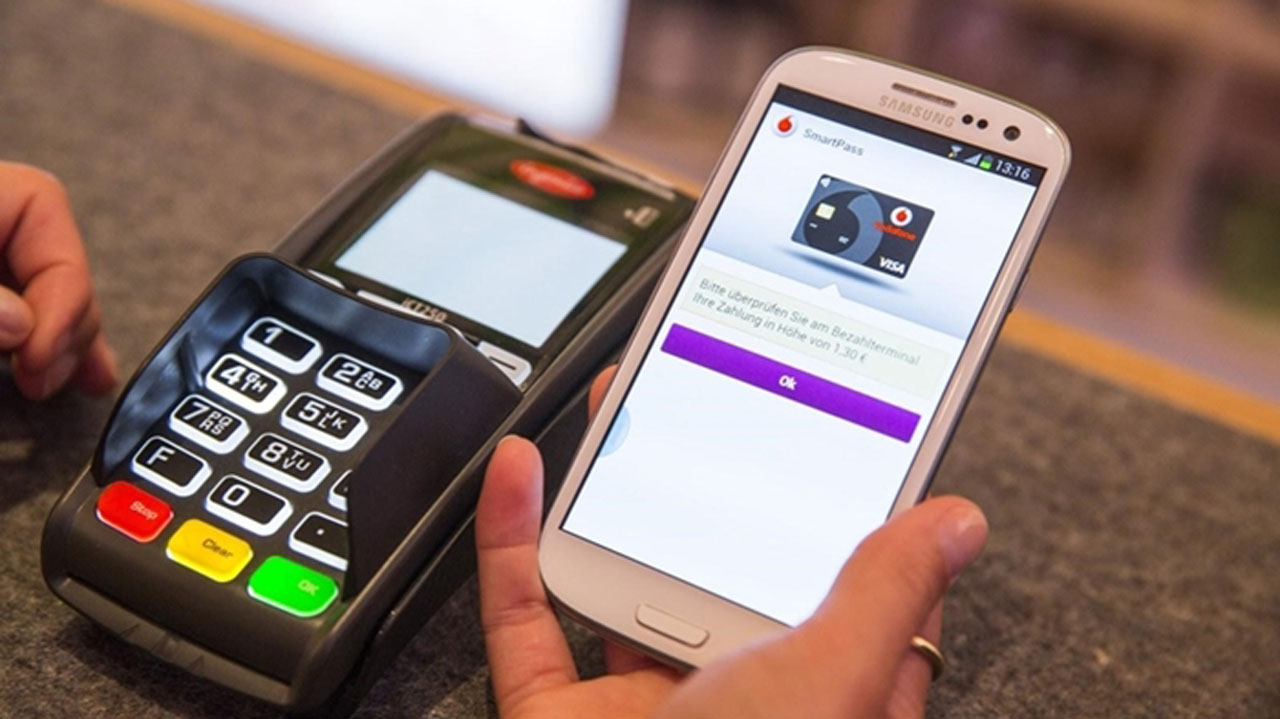
“The current rise of digital-only banks (neo-banks) and contactless payments with the help of smartphones and super-fast networks indicates that the use of cash as a medium of exchange has been declining gradually for years,” the Association said, noting that while the drive for a cashless economy at all cost by the CBN was strategic, its execution and results had been described by many as suicidal.

The body said the CBN should learn from India’s failed cashless policy of 2016, which happened because the policymakers failed to take into consideration concerns of the people such as preferences, economic development, and technological advancement, during its implementation.

“One thing is clear. When adopting a cashless policy it is more important to have a customer-centric approach rather than a technical one. The success of a cashless policy is directly linked to the incentives offered to encourage mainstream adoption,” it said.

Zambia Currently Developing New Technology to Regulate Cryptocurrency

0

South-Central African country Zambia is currently developing new technology to regulate cryptocurrencies, with its central bank and securities regulators currently testing the technology.

According to the country’s minister of Science and Technology Felix Mutati, he disclosed that the testing will be done through the Security Exchange Commission (SEC) and Bank of Zambia.

He said, “Cryptocurrency will be a driver for financial inclusion and a change maker for Zambia’s economy”.

Mutati argued that Zambia needs to regulate this revolutionary technology because it encapsulates the future of the country’s desire to achieve.

He also revealed that testing of the regulatory technology will soon be upscaled as part of measures to help Zambia attain an inclusive digital economy. In addition, the minister noted that Zambia, which is seeking to become the region’s technology hub, is already putting in place the infrastructure needed to help the country achieve such a goal.

Meanwhile, the central bank of Zambia had in the past declared that Bitcoin is not a legal tender, however, the recent remarks by the country’s minister of science and technology Mutati suggest that president Hakainde Hichilema’s government is embracing the use of crypto assets in the country.

The minister also claimed that Zambia has established itself as an investment destination of choice for many investors as the government seeks to target over $4.7 million in digital payments, which would be huge for the economy.

In his words, “Zambia has created magnetism that attracts investments and it is one of the countries in Africa that is becoming a must-be place for investment”.

As regards using cryptocurrency to advance the country’s financial inclusion agenda, Zambia hopes to achieve this through the yet-to-be-launched central bank digital currency.

It would be recalled that in October 2018, the Central Bank of Zambia warned against using cryptocurrencies like bitcoin, noting that they are not recognized by the country’s financial system. As such, trading or using crypto currencies will be at users’ risk as there is no legal recourse with all cryptocurrencies still unregulated in Zambia.

The bank also accused virtual currencies of increasing the risk of money laundering, financing activities of terrorism, and general consumer protection risks such as fraud and hacking.

Citing a section of the BoZ Act that vests the right to issue notes and coins exclusively to it, the bank said it does not oversee, supervise nor regulate the cryptocurrency landscape.

Zambia in particular, according to the report, has advised “extreme caution” in dealing with cryptocurrencies but has also noted that blockchain technology could “prove to be positively disruptive, transformative and efficiency enhancing.”

Zambia’s sudden adoption of cryptocurrencies is coming amidst the widespread of digital transactions across the globe, which could potentially unlock a new level of economic growth and fun inclusion for the country and its citizens.

As regards the African continent, interest in cryptocurrency is growing steadily, which has seen it gain widespread adoption. Some economists say it is a disruptive innovation that will blossom on the continent.

Inaccurate Measurement, Reason for 40% of Nigeria’s Crude Oil Losses – NUPRC

0

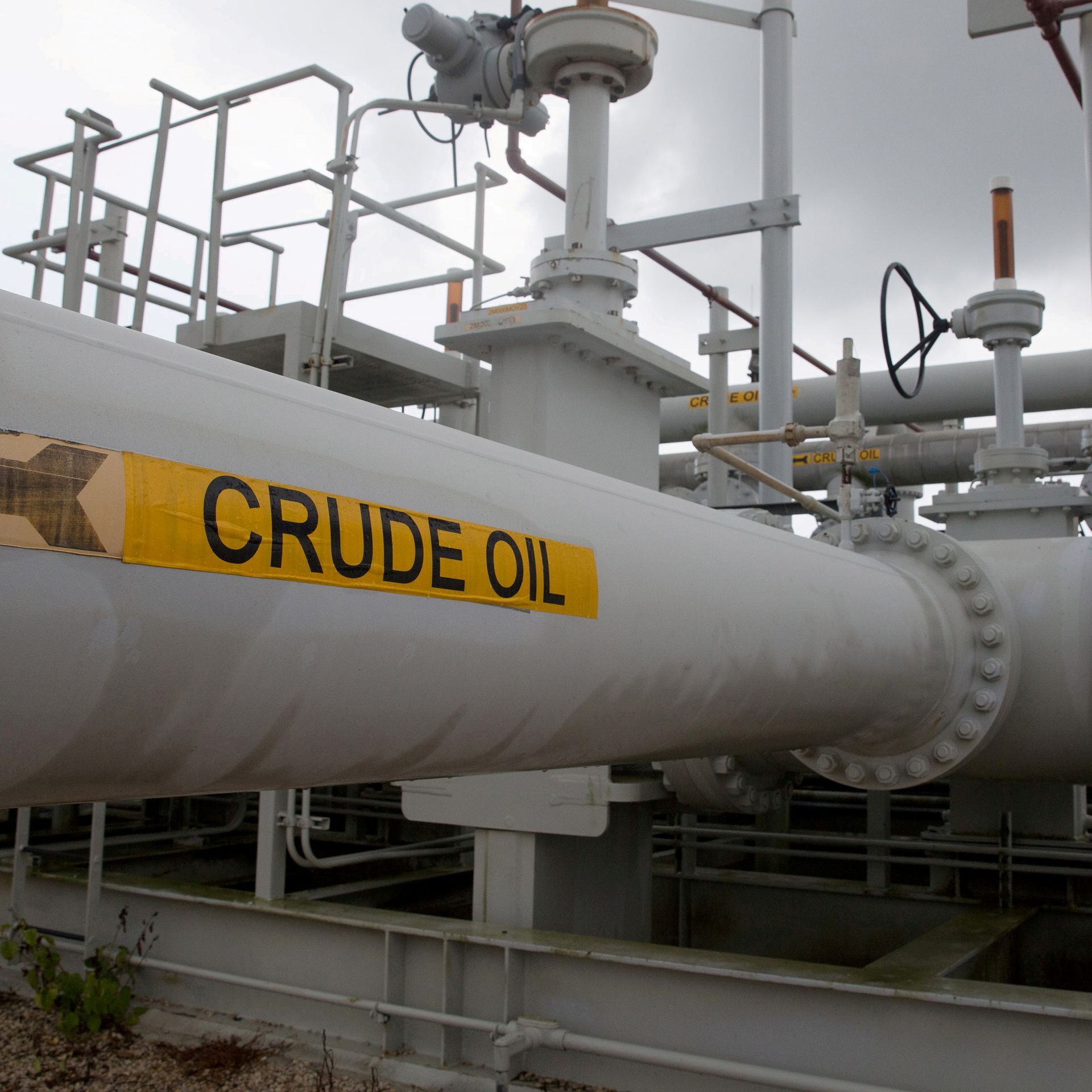
The Nigerian Upstream Petroleum Regulatory Commission (NUPRC) has attributed the high volume of oil losses to measurement inaccuracies not theft as it is widely believed.

Last year, Nigeria was said to have lost up to 80% of its oil production to theft, significantly depleting its oil-based revenue generation.

Speaking at the petroleum club quarterly dinner held in Lagos, Gbenga Komolafe, chief executive officer, NUPRC, was quoted in a statement saying that about 40% of the purported crude oil theft was losses emanating from measurement inaccuracies.

He said the NUPRC uncovered the truth following a forensic audit it conducted on the volume of stolen crude oil from January 2020 to November 2022.

Nigeria’s oil revenue generation dropped to nearly zero in the third quarter of 2022, triggering a national inquest into where most of the produced crude oil went. Komolafe said the Commission conducted the audit to ascertain, with accuracy, the stolen volume of crude oil between January 2020 and November 2022.

To forestall the losses, the NUPRC boss said that the Commission is committed to dealing with the issue of metering errors by ensuring that original equipment manufacturers (OEMs) are licensed directly. He added that agents of the Commission will be responsible for the deployment and maintenance of metering facilities across Nigeria’s oil and gas establishments, for transparency in hydrocarbon accounting, according to a statement.

“The reform measure adopted by the commission offers a paradigm shift from the trajectory in Nigeria’s hydrocarbon measurement since oil was discovered in Nigeria in Oloibiri in 1956 and is aimed at ensuring that no one becomes a judge in his own case,” he said.

“Admittedly, one major area of value erosion in the industry is the menace of crude oil theft. Our records indicate that the menace of oil theft has negatively impacted the oil and gas sector for about two decades with attendant huge financial losses to our nation.

“The commission, in collaboration with the various arms of the security forces, the NNPC Limited and the host communities, has been able to suppress the ugly trend of hydrocarbon value decimation. Now, our nation has continued to record good dividends of these collaborative efforts as production figures are progressively increasing.

“The January 2023 volume is approximately 1.5 million barrels per day of oil and condensates. It is expected that this number will continue to increase as further measures are introduced and sustained to remove all illegal connections that aid crude oil theft.”

Mele Kyari, the head of Nigerian National Petroleum Commission Limited (NNPCL) had in October last year, told a legislative committee that a 4-kilometer pipeline from the Forcados export terminal has been used to steal oil for nine years, resulting in the theft of hundreds of thousands of barrels of oil per day.

Kyari said as a result of the illegal pipelines, Nigeria was losing an alarming 600,000 barrels of oil every day, triple the figure initially estimated. The high volume of stolen crude oil contributed to Nigeria’s inability to meet its quota from the Organization of Petroleum Exporting Countries (OPEC), enabling the country’s failure to cash in on the oil windfall orchestrated by Russia-Ukraine conflict.