DD
MM
YYYY

PAGES

DD
MM
YYYY

spot_img

PAGES

Home Blog Page 4489

Updated: Nigeria government denies increasing petroleum pump price

0

Editor’s Note: The government of Nigeria has not increased the pump prices of petrol across the country. The Minister of State for Petroleum Resources, Timipre Sylva, disclosed this in a statement issued by his senior adviser on media and communication, Horatius Egua: “There is no reason for President Muhammadu Buhari to renege on his earlier promise not to approve any increase in the price of petroleum motor spirit (PMS) at this time.”


The federal government of Nigeria has once again ‘quietly’ increased petrol pump price to more than N185 per liter, over 8.8 percent lift from the previous price of N170.

The increase, which also saw ex-depot prices shoot up from N148 to N167 per liter, comes amidst persistent fuel scarcity that has forced an increase in transport fares across the country.

In a notice to fuel marketers on Wednesday, the government directed that the new price should take immediate effect. However, N185 is for Lagos only, while other regions of the country have different prices to pay per liter. The price per liter is N190 within the Southwest, South South and North Central zones, N195 per liter in the South East, FCT and North West zones, while the commodity is expected to sell for N200 per liter in the North East.

The increase has stirred different reactions across the country. Fuel has been on sale for N200 to N300 per liter since last year, despite subsidy payments that gulped N6.4tn from  the 2022 budget.

The National Operations Controller, of the Independent Petroleum Marketers Association of Nigeria, IPMAN, Mike Osatuyi, said his members lift the product at N240 per liter.

President Muhammadu Buhari’s administration had fixed June 2023 to totally remove fuel subsidy, a move that has been advocated as a panacea to fuel scarcity.

Critics believe there has been largely no difference between the price of unsubsidized fuel and what Nigerians are paying now for it. On Thursday, the Lagos State Government announced a plan to regulate the activities of petroleum marketers in the state. The move, which will see filling stations selling fuel from 9:00 a.m to 4:00 p.m, is geared toward curtailing perennial traffic congestion that has been unleashed in the state by long queues of motorists looking for fuel.

Another effect of the fuel scarcity is the high cost of goods and services, stoked by the increase in transport fares.

It is expected that the new pump price will be resisted. Organized Labour has expressed its disappointment over the increase, describing it as “shocking.” Vanguard quoted a top labour official who spoke on anonymity, urging Nigerians to resist it.

“It is shocking that this government has decided to add to the suffering of Nigerians in the midst of unbearable hardship occasioned by anti-people’s policies of the government.

“This increase is totally rejected and unacceptable to organised labour and the entire suffering Nigerian masses.  We see this increase as the last kick of a dying regime and Nigerians are not ready to die with the regime.  We cannot continue on this lane. The government cannot continue to use its failures to punish Nigerians.

“We have an understanding that we are not going to talk about any of the issues until the local refineries are functioning.  It is wicked, insensitive and the height of provocation.

“We are not only going to resist the Nigerian masses, but the Nigerian workers and the ordinary Nigerians will also express their frustration at the polls. The increase has reinforced the belief that Nigerians must take our destinies into our hands,” he said.

The Nigerian Labour Congress (NLC) has repeatedly led other trade unions to resist attempts by the government to hike pump price through strikes. It’s not clear if the unions will embark on industrial action this time.

Volume of Petrol Drops

From PT: The Independent Petroleum Marketers Association of Nigeria (IPMAN) announced Friday that the volume of products supplied to marketers at the loading points has dropped by about 50 per cent. IPMAN deputy president, Zarma Mustapha, disclosed this while speaking on Channels Television’s Sunrise Daily on Friday.

He said the country is in a complex situation owing to the burden of subsidy that the government is carrying which is no longer sustainable.

He noted that the importation of petroleum products by the Nigerian National Petroleum Company (NNPC), Limited affects the government’s revenues.

“Sometime in July and August, the volume of lifting we had and what we have today has dropped by about 40 per cent or 50 per cent,” Mr Mustapha said.

He noted that the lingering presence of queues at fuel stations across the country could be due to the high cost of the subsidy.
Genesis Trading Files For Chapter 11 Bankruptcy

0

Genesis Trading Files for bankruptcy under the same article as FTX. The company owes from $1.2 – $11 billion (it is not yet clear exactly 100 thousand creditors), About a billion is debt to clients of the Gemini exchange, with which Genesis had a joint product—Grayscale under DGC, which runs GBTC over 10 billion worth with 600k plus Bitcoin Reserves.

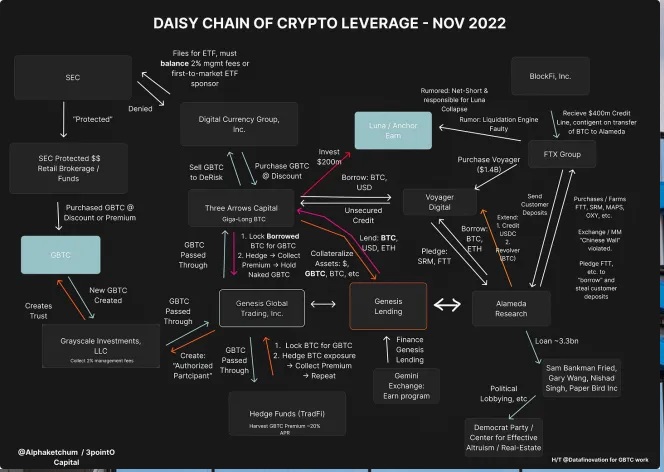
In November, Genesis halted Withdrawals that it will need a $500 million – $1 billion emergency funding to process transactions. The real situation will definitely play out since it has filed for bankruptcy, its over leveraged positions and ties with FTX and Alameda Research will certainly come in the open.

Mike Alfred, Founder at Alpine Fox LP, said on microblogging site Twitter;

The Genesis bankruptcy was priced in. Everyone knew it was coming. Not that interesting. What’s interesting is thinking through the potential 2nd and 3rd order knock on effects that the market doesn’t fully appreciate yet.

Nobody knows better than DCG what’s with the real situation of Gemini and Genesis. So they are managing huge funds with Genesis. Grayscale etc, and if one of their companies is going to bankruptcy and has to sell its assets, why do they have to sell from low? DCG has enough powers.

Gemini and Genesis forged a working relationship in 2021 for Gemini Earn, a high-yield-bearing offering serving hundreds of thousands of U.S. investors. For the “Earn” product, Gemini lent customers’ funds to Genesis, which, in turn, loaned that money out to other crypto firms.

But, things went south in November when Genesis suspended redemptions and new loan originations after making a series of bad loans to failed crypto firms like Three Arrows Capital and FTX. Without access to their funds, Gemini Earn users turned on Winklevoss, suing him and his co-founder brother for alleged fraud.

Cameron Winklevoss, Co-founder at Gemini, posted an update about the Earn Program on Twitter presumably what led to its Chapter 11 Bankruptcy filing in the Southern District of New York, signaling a legal tussle with Barry Silbert.

Bitcoin holds steady after crypto lender Genesis filed for bankruptcy, crypto experts said that the news was expected and priced in advance.

The bankruptcies actually help because all the crypto gets frozen so there is no sell off. Or all fiats get spent on the bankruptcy attorneys/process ?

Are we at a point in time where bad news no longer matters to Crypto prices? Genesis filed for bankruptcy and Crypto Market didn’t crash. What do you think? Is the bottom in?

Crypto lender Genesis has filed for Chapter 11 bankruptcy after suffering losses following the collapse of crypto platform FTX. More than 100,000 lenders were listed in the “mega” filing, which has been bubbling under for months, according to CNBC. Genesis’ crypto businesses alone are affected, while its derivatives, spot trading business and Genesis Global Trading will continue. The filing comes days after the Securities and Exchange Commission hit Genesis with a suit over the unregistered offering and sale of securities. (LinkedIn News)

FTX Contagion: Crypto Lender Genesis Files For Bankruptcy, Takes Strategic Actions to Achieve A Global Resolution

0

Crypto lender Genesis has filed for bankruptcy in the U.S., after the FTX contagion took a huge toll on the company.

Genesis, Chapter 11. Cryptocurrency lender Genesis Global Capital filed for bankruptcy Thursday, joining a growing list of digital asset companies decimated by the drop in token prices and fallout from FTX’s collapse. The lending arm of billionaire Barry Silbert’s Digital Currency Group said in bankruptcy filings that it owes at least $3.4 billion to more than 100,000 creditors. The move comes two months after Genesis suspended withdrawals, largely due to major losses from the demise of crypto hedge fund Three Arrows Capital and FTX-affiliated trading firm Alameda Research. (Fortune newsletter)

The company yesterday filed for chapter 11 bankruptcy protection with a court filing, estimating lenders assets and liabilities to both be in the range of $1bn- $10bn, while also listing over 100,000 creditors.

Genesis also listed a $765.9 million loan payable from Gemini, as well as other sizeable claims that include a $78 million loan payable from Donut, a high-yield, decentralized platform, and a VanEck fund, with a $53.1 million loan payable.

The company’s parent group Genesis Global Holdco and lending unit Genesis Asia Pacific also filed for bankruptcy protection.

Recall that on November 21, after the FTX collapse, Genesis disclosed that it had no plans to file for bankruptcy imminently, but has since appointed an external party to advise on its financial predicament.

Meanwhile, the company struggled to stay afloat which saw the DCG intervene, by providing a cash injection of $140 million. But despite multiple DCG bailouts, Genesis failed to escape the FTX fallout as it finally succumbed to bankruptcy filing.

Following its recent bankruptcy filing, Genesis CEO Derar Islim said in a statement, “We look forward to advancing our dialogue with DCG and our creditors’ advisors as we seek to implement a path to maximize value and provide the best opportunity for our business to emerge well-positioned for the future.”

Also, the company via a statement disclosed that it has taken strategic actions to achieve a global resolution to maximize value for all its clients and stakeholders as it seeks to strengthen its business for the future.

Recall that during the collapse of FTX last year, Genesis halted withdrawals on its platform in November and had been negotiating with creditors while trying to secure fresh capital since.

The company revealed that it had a $2.5 billion exposure to Alameda, though that position was closed out in August. After FTX’s bankruptcy in November, Genesis said that about $175 million worth of its assets were locked on FTX’s platform.

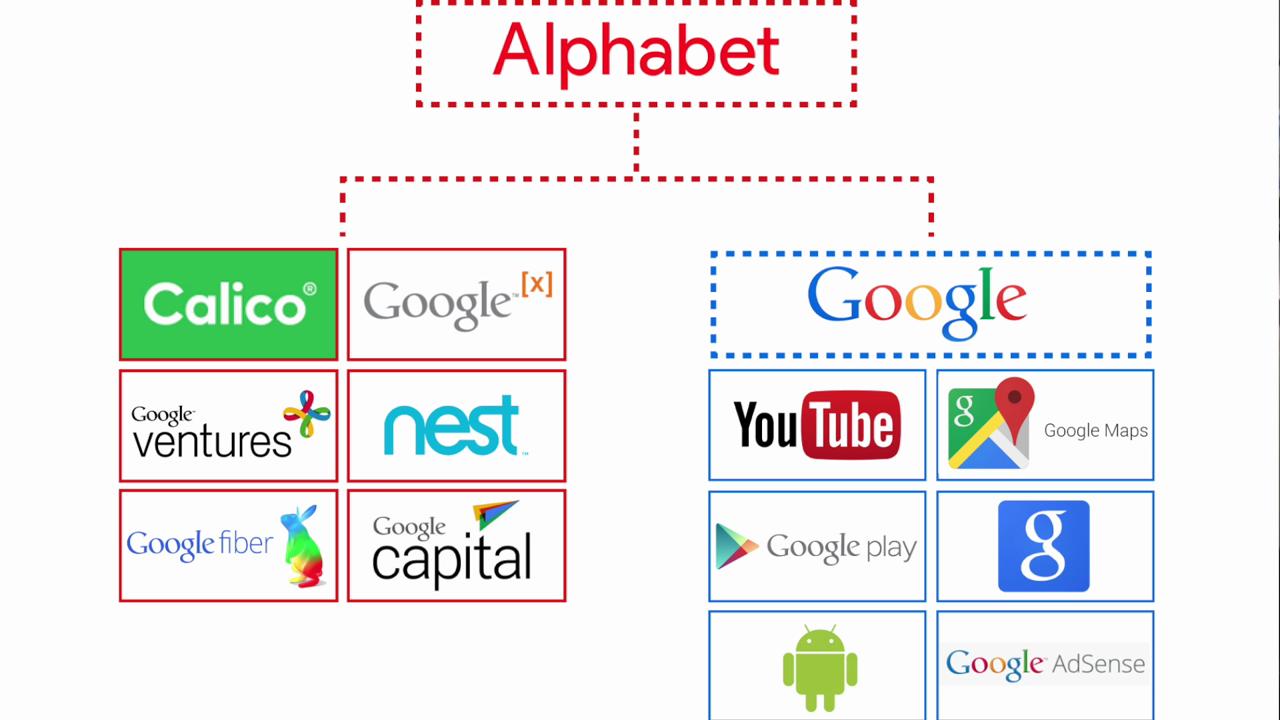
Genesis, which is backed with investments by Softbank and Alphabet, had also been exploring the sale of assets to pay back more than $3bn owed to creditors, which saw the company also laid off about 30 percent of its workforce.

Genesis is the latest crypto exchange platform to be impacted by the FTX collapse. The company joins the likes of other crypto exchanges such as BlockFi, FTX, Voyager, and Celsius that have filed for Bankruptcy.

Since the FTX filed for chapter 11 bankruptcy in November, it has sent shocking waves to the crypto industry as there has been a growing list of other companies filing for bankruptcy due to their exposure to the company.

The FTX’s collapse also shook the volatile crypto market, which lost billions at the time, falling below a $1 trillion valuation.

Alphabet, Google Parent firm, to Cut 12,000 Jobs As Tech Sector Grapples with Economic Headwinds

0

Alphabet, Google’s parent company has announced it’s cutting 12,000 jobs worldwide, the latest company in the series of layoffs that have characterized the tech industry over the past one year.

The cuts were announced by CEO Sundar Pichai in a memo to employees, which was later published on the company’s blog.

“I have some difficult news to share. We’ve decided to reduce our workforce by approximately 12,000 roles,” he said, adding that affected employees in the US have been informed.

The tech industry is grappling with economic headwinds that have forced many companies to cut workforce. Microsoft announced days ago it’s laying off about 10,000 workers, joining others like Meta, Twitter and Amazon, forced to reduce headcount.

The 12,000 employees account for 6% of Alphabet’s global workforce. Pichai said the change, which cuts across many areas of the company, was orchestrated by the decisions earlier made based on the dramatic growth of the past two years. To match and fuel that growth, we hired for a different economic reality than the one we face today, he said.

“I am confident about the huge opportunity in front of us thanks to the strength of our mission, the value of our products and services, and our early investments in AI,” he said. “To fully capture it, we’ll need to make tough choices. So, we’ve undertaken a rigorous review across product areas and functions to ensure that our people and roles are aligned with our highest priorities as a company. The roles we’re eliminating reflect the outcome of that review. They cut across Alphabet, product areas, functions, levels and regions.”

Pichai said employees in the US will receive the following support: payment during the full notification period (minimum 60 days); severance package starting at 16 weeks’ salary plus two weeks for every additional year at Google, and at least 16 weeks of GSU vesting. He said they’ll be paid 2022 bonuses and remaining vacation time, and will be offered 6 months of healthcare, job placement services, and immigration support for those affected.

“Outside the US, we’ll support employees in line with local practices,” he added.

The American tech sector is facing a different reality from when many companies, spurred by thee pandemic-induced economic growth, made the decision to expand their headcounts. Global economic downturn, compounded by the Russia-Ukraine conflict, has severely dented the industry’s economic outlook.

Among the many challenges currently facing the sector is rising interest rates as countries tighten economic policies to battle inflation over the past year. The result has been consequential to the industry’s growth as tech shares take pounding, forcing advertisers to cut back on online ad spending.

As CNBC noted, the gloomy macroeconomic climate has in turn piled pressure on those companies, forcing them to cut their workforces.

Update: This is how Apple has avoided job losses unlike other big tech: “As layoffs sweep across the tech industry, Apple has so far managed to avoid workforce cuts. But how? There are many factors, The Wall Street Journal writes, but some of them are simple and straightforward. Apple didn’t hire at the same clip as its rivals, and it “tends to run lean,” with fewer employee perks than elsewhere in Silicon Valley. The iPhone maker hasn’t emerged from this difficult period unscathed, however. Next month it’s expected to report a decline in quarterly sales for the first time in more than three years, WSJ reports.”

Tech Layoffs: Alphabet Trims Workforce by 6%, Seeks to Navigate Macroeconomic Downturn

0

There seems to be no slowing down in layoffs going on in the tech industry, as Google’s parent company Alphabet trims its workforce by 6%.

This recent layoff by the tech company will see about 12,000 jobs being eliminated from the company, which will affect various sections such as the recruiting and corporate functions, as well as some engineering and product teams.

The company has already sent a separate email to employees in the U.S. who are affected while noting that in other countries, this process will take longer due to local laws and protection.

In an open letter published by Google and Alphabet CEO Sundar Pichai, he wrote, “I take full responsibility for the decisions that led us here. We have undertaken a rigorous review across product areas and functions to ensure that our people and roles are aligned with our highest priorities as a company.

The roles we are eliminating reflect the outcome of that review. They cut across Alphabet, product areas, functions, levels, and regions.

“Over the past two years, we’ve seen periods of dramatic growth. To match and fuel that growth, we hired for a different economic reality than the one we face today.”

Alphabet Stock stock has fallen more than 30 percent over the previous year. In October, the company reported a 27 percent drop in third-quarter net profit on an annual basis.

Also, its net profit dropped to about $13.9 billion in the three months through to the end of September, compared with the same period in 2021.

Alphabet’s operating income dropped 19 percent on an annual basis in the third quarter to about $17bn. Its earnings for each share dropped 24 percent yearly to $1.06, missing analysts’ estimates of $1.25.

Google services business which includes advertisements, Android, Chrome, hardware, Maps, Search, Google Play, and YouTube accounted for nearly 90 percent of the company’s total sales.

After it announced plans to lay off about 6% of its workforce, the share price jumped by about 2 percent during premarket trading to $94.67 on Friday.

Alphabet joins the likes of other big tech companies that have laid off part of their workforce. Earlier this week, tech giant Microsoft announced 10,000 job cuts, affecting nearly 5% of its workforce, which is followed by Amazon’s move to cut 18,000 jobs or 1.2% of its global headcount.

Also, Facebook’s parent company Meta, in November last year, announced a plan to lay off 11,000 members, which will impact about 13% of its workforce.

Meanwhile, in all of these layoffs going on in tech companies, Apple has been revealed as the only tech company that has not announced any layoffs. Reports reveal that the tech giant has not appreciably increased its rate of hiring over the last two years.

While a review of SEC filings shows how rapidly the other biggest tech companies grew during the pandemic.