DD
MM
YYYY

PAGES

DD
MM
YYYY

spot_img

PAGES

Home Blog Page 4602

Afro-Urban Furniture Startup Taeillo Secures $2.5 Million Funding, Plans Expansion

0

Afro-urban furniture startup Taeillo has secured $2.5 million in funding from investment company Aruwa capital, as it unveiled its expansion plan.

Taeillo operates with its unique product offerings by infusing cultural elements, which have gained the popularity of some of its furniture among the Nigerian millennials, and the working-class demographic.

In 2021, the startup raised a $150,000 bridge round from CcHUB Syndicate as it tripled its revenue from the previous year.

Speaking on its investment in the furniture startup, Aruwa Capital Founder & Managing Partner Adesuwa Okunbo Rhodes said, “We are thrilled to announce this investment into Taeillo as it aligns with nearly all of our investment objectives.

“Since its inception, the Company has maintained its innovative model in a traditional brick-and-mortar industry, creating a unique value proposition for its customers in a fast-growing, underserved market.”

Due to the hassles most Nigerians face when purchasing furniture, from the lack of expertise of artisans to deliver customers’ preferred designs, to the purchase of exorbitant furniture.

With the sole aim to help every African in urban and peri-urban cities buy furniture from the comfort of their home, Taeillo utilizes e-commerce, social commerce, and immersive technology (AR/VR) to offer customer-centric furniture designs, allowing customers to sample superior African products from the comfort of their homes, choosing the furniture that meets their unique taste.

Also Commenting on the funds secured, Founder & CEO of Taeillo Jumoke Dada said, “This investment by Aruwa Capital will take us closer to our goal of becoming the IKEA of Africa by providing quality, ready-to-assemble, made-in-Africa furniture pieces at an affordable price point for the mass market, while also optimizing our operations, delivery time, and customer experience. We are grateful to the Aruwa Capital team for their belief in our vision.”

Taeillo operates with environmental consciousness by ensuring that its production processes include zero waste. Launched in 2016, the startup shipped more than 5,000 pieces of furniture and created 300 direct and indirect jobs within two years of operation. It has sold over 200 pieces of furniture in Nigeria.

Its pivot came with the launch of the “Amakisi” table sold at $29,999/~$85, a work table and one of its best-selling products which quickly gained popularity and sold over 1,000 pieces in six months.

Since then, Taeillo has expanded into 10 additional product categories, moving into East Africa Kenya, and has shipped more than 10,000 pieces of furniture to over 5,000 customers in both countries. 

The company which doubles as a manufacturer and retailer can be likened to Wayfair and now-defunct Made.com.

Taeillo has taken a step further by infusing technology into its business, by allowing customers to envision their ideal space using a VR headset to go through the furniture and purchase them without the worry of it fitting into their space. This strategy has no doubt appealed to the millennials and Gen Z who make up the bulk of its target market.

In previous years in Nigeria, most people preferred foreign furniture to local ones, but brands like taeillo are changing the narrative by offering premium furniture with a fuse of local and contemporary designs that preserve African culture whilst giving customers the modern aesthetic they crave.

Every taeillo piece exudes finesse, elegance, and style, which gives a customer’s space a vibrant yet indigenous feel which uniquely projects and blends Africa with other parts of the globe.

As a local manufacturer of quality and affordable furniture, Taeillo’s solution is critical for the African continent where the alternative is to import bulky, expensive furniture from overseas, incurring significant costs combined with an unstable exchange rate, and enduring long wait periods of 3-6 months before the furniture is delivered.

Yugalabs and MoonPay Face Class Action Lawsuit

0

YugaLabs, creators of Bored Ape Yacht Club and Moonpay — a crypto fintech Protocol, is facing a class-action lawsuit for allegedly using celebrities to misleadingly promote and sell NFTs.

Jimmy Fallon, Gwyneth Paltrow and Justin Bieber have been sued in a proposed class action accusing them and a host of other celebrities who promoted the Bored Ape Yacht Club NFTs to their audience.

The truth is that the Company’s entire business model relies on using insidious marketing and promotional activities from A-list celebrities that are highly compensated (without disclosing such), to increase demand of the Yuga securities by convincing potential retail investors that the price of these digital assets would appreciate,” reads the complaint filed last Thursday in California Federal Court.

The suit also names Madonna, Kevin Hart, Stephen Curry, Snoop Dogg, Serena Williams, Post Malone, The Weeknd, Fallons’ production company Electric Hot Dog, Inc. and Universal Television, among others. It claims most of them were recruited by talent manager Guy Oseary, who spearheaded a scheme with Yuga Labs to discreetly pay them for their endorsements through crypto firm Moonpay.

Guy Oseary’s venture capital firm, Sound Ventures was an early investor in Moonpay, according to the complaint.

Guy Oseary is allegedly linked to several of the celebrity promoters, including Bieber, Paltrow and Hart, through their early investments in Moonpay.

By increasing demand for BAYC NFTs and YugaLabs’ Apecoin crypto tokens, the suit alleges they also increased demand for Moonpay.

Oseary, the MoonPay Defendants, and the Promotor Defendants each shared the strong motive to use their influence to artificially create demand for the Yuga securities, which in turn would increase use of MoonPay’s crypto payment service to handle this new demand,” the complaint reads.

At the same time, Guy Oseary could also use MoonPay to obscure how he paid off his celebrity cohorts for their direct or off-label promotions of the Yuga Financial Products. Lawsuit being brought by a pair of NFT “investors”, who are mad about not finding a bigger fool to sell to— A pox on them all.

According to what was in the news, the filing claims that the defendants violated the law by not disclosing their relationship with YugaLabs in endorsing NFTs, on the other hand Yugalabs denies all accusations.

Moral of the story – maybe you should not take investment advice from celebrities, always do your Research before Investing on Crypto, NFT and DEFI Assets because of its high Volatility nature.

FTX CEO Sam Bankman-Fried Seeks For Ways to Compensate Investors For Losses

0

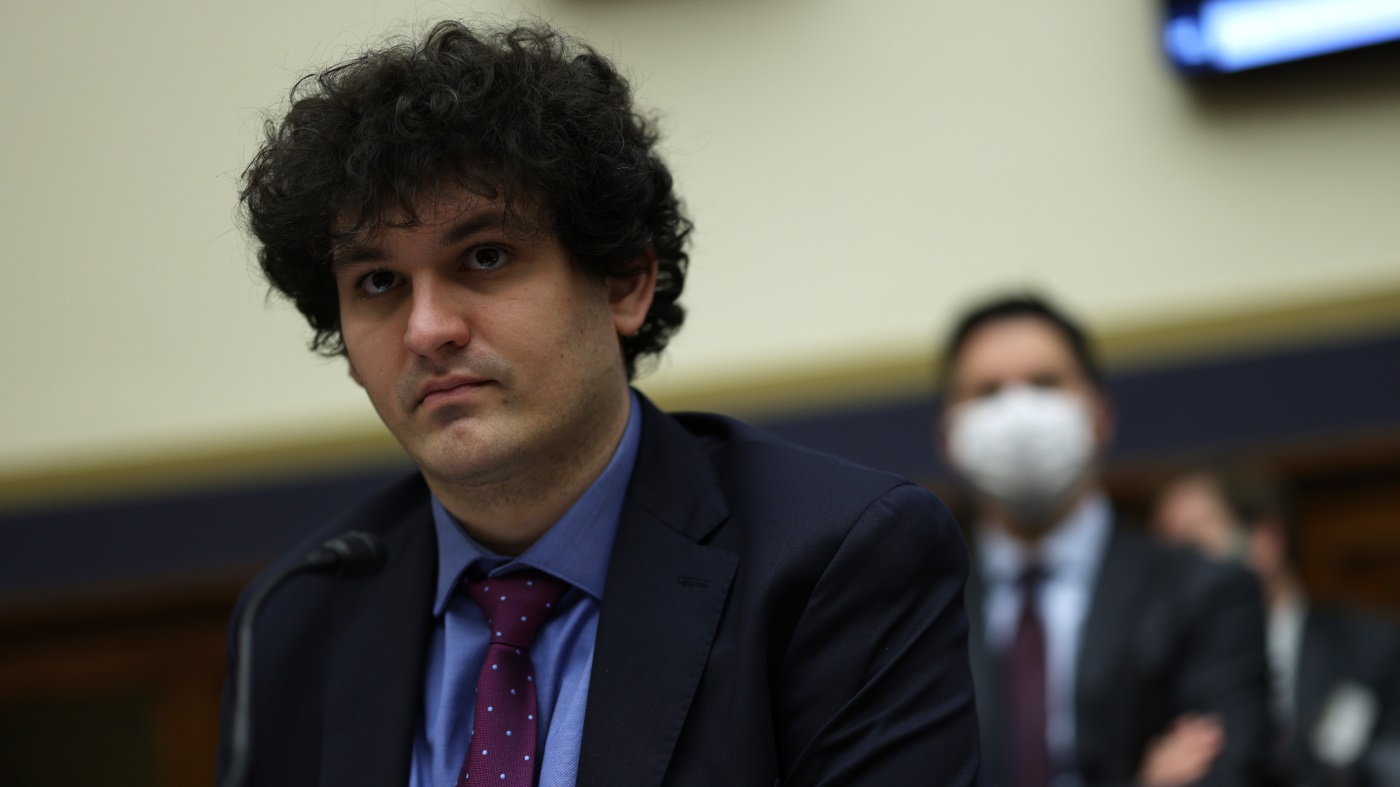
The CEO and founder of crypto exchange platform FTX, Sam Bankman Fried in a recent interview revealed that he hopes to start a new business to pay back investors for their losses following the collapse of his company.

The former crypto billionaire disclosed that he wouldn’t mind starting a new venture to compensate FTX investors.

While speaking in the interview, he said, “I’m going to be thinking about how we can help the world and if users haven’t gotten much back, I’m going to be thinking about what I can do for them,” he said. “And I think at the very least, I have a duty to FTX users to do right by them as best as I can.” 

Recall that SBF two days ago had agreed to honor the invitation of the House Committee which he said that he would try to be helpful to shed light on the cryptocurrency exchange’s U.S. solvency and American customers, with pathways that could return value to users, which he believes led to the crash of FTX.

Bankman-Fried has said that he takes responsibility for the collapse of his company, however debunking rumors that he knowingly committed fraud. Although, he admitted that he was not as competent as he thought he was which he believes led to the collapse.

Speaking on one of the accusations that he arranged for Alameda Research to use customers’ assets in FTX to place bets in the market, he said he did not knowingly co-mingle customers’ assets with Alameda.

When asked if he is preparing for the possibility of arrest and prison, he said, “There’s some time at night ruminating, yes, but when I get up during the day, I try and focus, be as productive as I can, and ignore things that are out of my control.”

Meanwhile, Tesla CEO Elon Musk who had earlier weighed in on the matter, recently suggests that Sam Bankman-Fried should go to prison.

In a response to a Twitter user who stated that “SBF doesn’t need anymore mentioning except for his court date”, Musk tweeted, “he needs an ‘adult timeout in the big house”

Also, Billionaire investor Mark Cuban has disclosed that the former FTX CEO should be afraid of going to jail for a long time.

Following the collapse of FTX which filed for Chapter 11 bankruptcy, the company’s CEO Sam Bankman-Fried is currently facing a series of investigations.

He has been accused of mishandling customer funds after at least $1 billion reportedly disappeared from the exchange.

The U.S. Justice Department is also pushing for an independent examiner to investigate fraud allegations against FTX, despite Bankman-Fried stating he didn’t ever try to commit fraud on anyone.

Overall, more than $1.3 trillion of value has been wiped off the crypto market this year, and the FTX collapse has only worsened the situation, according to analysts.

Also, FTX’s native utility token FTT has since collapsed alongside the centralized cryptocurrency exchange, as it plunged by 90%, wiping out over $2.6 billion.

Its collapse has no doubt worsened the volatile crypto market with Bitcoin currently trading at $16,983 and has also affected the valuation of some companies with several others contemplating filing for bankruptcy.

There has been huge anxiety, particularly among FTX investors, about when and whether Bankman-Fried will be brought to justice. Despite clear signs of fraud as reported by some agencies, he does not seem to have been detained by law enforcement.

However, the investigation is still ongoing, as fingers remain crossed, while investors await the outcome of the whole process.

Notable Provisions of the Central Bank of Nigeria Consumer Protection Regulations

0

Consumer Protection simply refers to the system of Regulatory checks and measures aimed at protecting the rights of consumers and securing legal remedies where those rights have been breached.

In the Nigerian Banking and Financial Services Sector, the Central Bank of Nigeria (CBN) passed the CBN Consumer Protection Regulations on the 20th of December,2019 pursuant to the earlier Consumer Protection Framework issued on the 7th of November, 2016. 

This article will be looking at the following focus areas :-

– The applicability scope and objectives of the CBN Regulations.

– The provisions of the CBN Regulations on some key Consumer Protection principles in Nigeria.

– Available sanctions for consumer rights violations under the regulations.

What is the applicability scope of the CBN Consumer Protection Regulations?

The Regulations apply to all institutions licensed and/or regulated by the CBN. 

Financial Institutions are to ensure that the provisions of the regulations form part of any consumer related transaction, product or service agreement they may enter into with any entity not regulated by the CBN.

What are the objectives of the CBN Regulations?

The CBN Consumer Protection Regulations were created with the aim of :-

– Protecting consumers from unfair & exploitative practices by institutions in their dealings with the consumers.

– Protecting consumers from unethical and predatory practices that undermine consumer confidence in the use of financial products and services.

– Protecting consumers against the provision of inadequate & misleading information and/or failure to disclose material information.

– Ensuring consumer access to complaint redress mechanisms that are free, fair, timely, transparent, accessible & independent.

– Encouraging transparency of institutions in their dealings with customers.

What are the provisions of the regulations in its espoused Consumer Protection principles?

Some of the notable provisions of the regulations in its espoused Consumer Protection principles are:-

Fair Treatment of Consumers

– FIs (Financial Institutions) shall  treat consumers equitably without bias at all stages of a business relationship.

Unfair Contract Terms

– A contract term is unfair if it eliminates the liability of an institution to loss caused to a consumer by misrepresentation, negligence or misleading information on its products or services.

– Unfair terms used in contracts are void and shall not be binding on consumers.

Disclosure & Transparency

– FIs are to ensure that documents made available to consumers shall be written in clear, legible and simple English language in a minimum font size of 10.

– FIs must ensure that the disclaimer “terms and conditions apply” shall only be used if terms and conditions have been explained and disclosed as well as technical terms being clearly explained to the consumer to aid better comprehension.

Advertising

– FIs shall comply with disclosure directions for all Financial/Banking product advertisement and promotional materials.

– The contents of advertisements shall be factual and unambiguous, expressed in clear and simple communications and shall not be offensive, misleading, deceptive or injurious.

Data Protection & Privacy

FIs are to abide by all CBN Guidelines and Regulations regarding Consumer Data Privacy & Protection as well as all other general regulations including the Nigerian Data Protection Regulations.

Complaints and Management Channels

FIs are to set up and maintain complaint management channels that can include letters, emails, telephone lines, social media and digital software platforms.

FIs are to ensure that complaint management mechanisms are effective, functional , efficient and accessible. Also, FIs are to generate a unique identifier & acknowledge complaints within 24 hours of lodgment.

What are some of the sanctions for Consumer Rights violations under the regulations if any?

The CBN, which is charged with enforcing the provisions of the regulations, can impose a number of sanctions on erring FIs in this regard, some of which are :- 

-Non-resolution of complainants by FIs within prescribed timelines will attract a punitive fine of 500,000.00 Naira per complaint per week while the violation lasts.

– Non-acknowledgement of complaints from customers and non-issuance of complaint tracking numbers can also attract a fine of 2 Million Naira per complaint imposed by the CBN.

– Non-response to requests or a failure to comply with a CBN Consumer Protection directive will earn a fine of 2 Million Naira imposed by the CBN.

Why Increased Foreign Aid Counts Less For Africa’s Economic Development — Insights from Nigerian Business Leader, Tony Elumelu

0
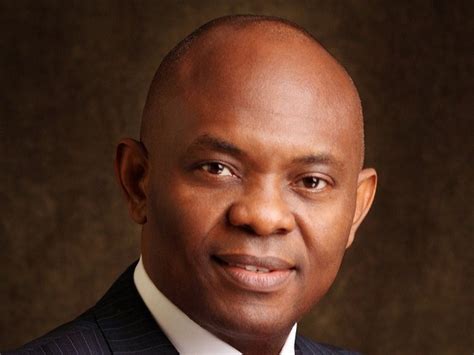
Tony O. Elumelu, C.O.N's Heirs Holdings bought most of the holdings of Shell

Africa has been defined as the poverty home of the world. And it is quite worrisome that this label of Africa in the global economy has persisted for too long despite the volume of supports that come into the region regularly in terms of financial aid from the first world countries and the international non-governmental organisations.

Also worrisome is that rather than being used to address fundamental problems, much of the aids that come into Africa have been centred on nursing the symptoms.

When you teach the people how to fish and provide them with the necessary tools, hunger soon becomes the least of their worries.

The forgoing aphorism from an African social thought should guide the continuing efforts to reconstruct Africa’s outlook and improve the region’s relationship with other regions of the world as well as her general contributions in the global economy.

In light of the above, Nigerian Philanthropist and United Bank for Africa’s founder, Tony Elumelu has called for a redefined relationship between the US and Africa, stating the US new engagement with Africa should reflect a transition from giving aid to empowerment of youth and support to sustainable private sector. The financial luminary in a post published on his LinkedIn page on Sunday expressed his conviction that a genuine interest to re-engage Africa is one that should be done in a way that prioritizes mutual benefits and self-reliance.

The UBA don who has been a strong advocate and patron of African renaissance believes empowering the youth through entrepreneurship will help address many of the challenges that Africa and the world face today such as poverty, climate change, insecurity, food security, education etc. He also noted the relevance of the private sector for the development of a deepened US-Africa trade and investments relationship, adding that a key foundation to this is a seamless payment infrastructure between the two continents.

More importantly, Africa’s business leaders need to begin to change the narrative domestically through corporate social responsibilities. At a US-Africa Leaders summit which will be holding from December 13 to 15 in Washington DC, US, Mr Elumelu said he will be discussing how the UBA group and the Tony Elemelu foundation has been contributing to improved livelihoods of people and economy of Africa.

‘’I am a philanthropist; I am a business man – for me the distinction is not huge. We do business to do good. And the good we do builds better, stronger sustainable business. We know how to effect at scale and we want more partners to join us’’ Tony Elumelu said.