DD
MM
YYYY

PAGES

DD
MM
YYYY

spot_img

PAGES

Home Blog Page 462

Cardano (ADA) Price Prediction Shows It Could Triple, but Little Pepe (LILPEPE) Is Positioned for a 45x Rally.

0

The crypto market in 2025 is buzzing with speculation, and two names have been pulling attention for very different reasons. Cardano (ADA), often referred to as the blockchain for builders, appears to be poised to triple in value if the right conditions materialize. However, the emerging meme and infrastructure coin Little Pepe (LILPEPE) has caught fire, with analysts pointing to a potential 45x rally from its presale price of $0.0022 to a target near $0.099. That projected gain is hard to ignore, especially when the presale is almost sold out and early investors are already sitting on 120% returns.

Cardano (ADA): The Slow and Steady Builder

Currently, ADA is trading close to $0.91. As of now, ADA trades near $0.87 according to CoinGecko. Analysts forecast ADA could reach $1.10 to $1.50 in 2025 if adoption accelerates. Some are more bullish, moving toward $2.00-$2.50. More moderate projections place ADA closer to $1.20 in the medium term.

Little Pepe (LILPEPE): The Meme Coin With Real Infrastructure

If ADA is the tortoise, Little Pepe is the rocket on the launchpad. At the time of writing, Little Pepe is in presale stage 13 with tokens priced at $0.0022. The presale has already raised over $25.7 million out of a $28.7 million target, with more than 15.8 billion tokens sold. Stage 12 sold out quickly, and early investors have doubled their money, with returns up 120%. Those entering now can still capture an additional 36.36% gain before launch when the token lists $0.0030.

Unlike many meme tokens that rely only on viral appeal, Little Pepe has positioned itself with a real use case. It carries no transaction tax and includes anti-sniper protections, showing developers are thinking ahead about sustainability and fairness. The roadmap features a meme launchpad and staking rewards, providing additional opportunities for holders to remain engaged.
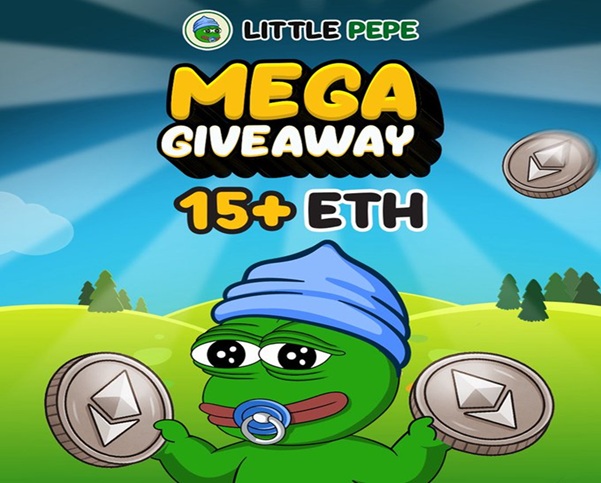
The credibility checkmarks are also stacking up. Little Pepe has been listed on CoinMarketCap and audited by Certik, which significantly lowers the trust gap that often plagues new projects. The team has added extra fuel with a $777k giveaway and a Mega Giveaway that will distribute over 15 ETH in prizes to top presale buyers between stage 12 and stage 17.

Why LILPEPE May Outperform ADA in 2025

This is where the conversation gets interesting. ADA may triple from here, but that would mean moving from under $1 to around $3. That is a healthy climb, but for an investor starting with $500, the upside is limited compared to what is happening with Little Pepe.

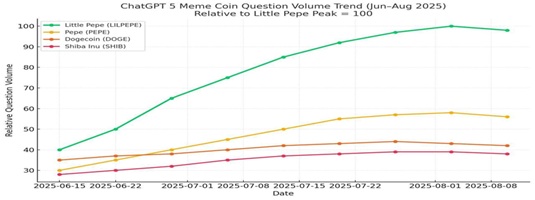
At $0.0022, every $500 in LILPEPE translates to over 227,000 tokens. If the project hits its projected target of $0.099, those tokens could be worth nearly $22,500. That is the kind of potential 45x return with people rushing to secure allocations before the presale ends. Of course, there are risks. LILPEPE is a new project, and with new projects come uncertainties. But the combination of presale momentum, a strong community, real infrastructure, and cultural appeal makes the case compelling. The timing also matters. From June to August this year, LILPEPE peaked above Dogecoin, SHIB, and PEPE in ChatGPT memecoin question volume. That shows that attention is already shifting, and in crypto, attention is the currency of adoption.
Conclusion

Cardano may triple in price if all the right conditions align, but its ceiling is capped by its size and slower growth curve. Little Pepe, with its presale priced at $0.0022, its Certik audit, its listing on CoinMarketCap, and its strong community, is showing every sign of being a project that could deliver a 45x rally in this cycle. The choice is between steady returns and explosive growth. For those who believe in the power of memes, blockchain innovation, and community momentum, Little Pepe looks like the standout of 2025.

Explore the Little Pepe presale roadmap, join the Telegram community, and check out the $777k Giveaway while the presale still has room.


For more information about Little Pepe (LILPEPE) visit the links below:

Website: https://littlepepe.com

Whitepaper: https://littlepepe.com/whitepaper.pdf

Telegram: https://t.me/littlepepetoken

Twitter/X: https://x.com/littlepepetoken

Nvidia, OpenAI CEOs Back Trump’s $100,000 H-1B Visa Fee

0

Nvidia CEO Jensen Huang and OpenAI CEO Sam Altman on Monday voiced support for President Donald Trump’s sweeping overhaul of the H-1B visa program, even as U.S. technology companies reeled from the prospect of paying $100,000 per application for foreign workers.

Trump on Friday announced the new fee, a drastic increase from the previous structure where visa fees ranged from $2,000 to $5,000 depending on company size. As of Sunday, all new H-1B visa applications will require a $100,000 payment, and employers must provide documentation of the payment before filing an H-1B petition. According to the White House, applicants will have their petitions restricted for 12 months until the payment is confirmed.

The move represents a seismic shift for the U.S. technology and finance sectors, which have long depended on highly skilled immigrant workers to fill roles that domestic labor cannot.

Speaking in an interview with CNBC’s Jon Fortt, Huang tied the debate directly to America’s identity and the tech sector’s future.

“We want all the brightest minds to come to the U.S. and remember immigration is the foundation of the American Dream,” he said. “We represent the American Dream. And so I think immigration is really important to our company and is really important to our nation’s future, and I’m glad to see President Trump making the moves he’s making.”

Altman echoed Huang’s endorsement, describing Trump’s changes as an opportunity to streamline and incentivize the immigration process.

“We need to get the smartest people in the country, and streamlining that process and also sort of outlining financial incentives seems good to me,” Altman said.

The supportive remarks came as both executives announced a groundbreaking financial partnership: Nvidia will invest $100 billion in OpenAI to accelerate the lab’s plan to build data centers worth hundreds of billions of dollars, powered by Nvidia’s AI processors.

Who Does This Impact?

According to White House press secretary Karoline Leavitt, the fee will only apply to new H-1B applicants, not renewals or current visa holders. Those who already have H-1B visas and are located outside the United States will not be required to pay the fee in order to re-enter.

The $100,000 charge will be implemented in the upcoming lottery cycle and is a one-time payment, not an annual charge. Exceptions can be made for immigrants whose employment is deemed essential to the national interest by the Secretary of Homeland Security and who pose no threat to U.S. security or welfare.

Leavitt added that employees with B visas whose start dates fall before October 2026 will receive additional guidance to prevent companies from using temporary business visas as a workaround for the stricter H-1B system.

The H-1B program allows highly skilled foreign professionals to work in specialty occupations that typically require at least a bachelor’s degree. The majority of these jobs fall within science, technology, engineering, and math (STEM) fields.

The reliance is especially heavy in the tech and finance sectors, with workers from India and China dominating the program—accounting for 71% and 11.7% of visa holders last year, respectively.

The current annual cap for H-1B visas is 65,000, with an additional 20,000 visas reserved for foreign professionals holding advanced degrees from U.S. institutions. A lottery system is used to allocate petitions when demand exceeds the cap, which is the case most years.

Since 2012, computer-related jobs have accounted for about 60% or more of approved H-1B visas, according to Pew Research.

The biggest beneficiaries are America’s largest tech companies. Amazon sponsored over 10,000 H-1B applicants in the 2025 fiscal year, according to U.S. Citizenship and Immigration Services. Microsoft and Meta each secured more than 5,000 approvals, while Apple and Google rounded out the top six employers with over 4,000 each.

Shockwaves in the Tech Workforce

For smaller firms and startups, the $100,000 filing fee may prove devastating. While giants like Amazon, Google, and Meta can absorb the costs, younger companies may be priced out of the global talent market entirely.

While those already holding H-1B visas will avoid the fee, the steep increase for new applicants threatens to reshape global mobility patterns, potentially redirecting skilled talent to Canada, Europe, or Southeast Asia, where visa pathways are cheaper and more accessible.

The fee hike aligns with Trump’s broader economic nationalism agenda, repositioning foreign talent as a premium privilege rather than an affordable pipeline for U.S. companies. For firms like Nvidia and OpenAI, the move complicates the balance of advocating for immigrant workers while backing a policy that imposes extraordinary costs on hiring them.

Some analysts believe that Huang and Altman’s support reflects both political calculation and corporate strategy. By aligning with the White House, they emphasize their ability to weather the disruption while underscoring the competitive advantage of scale that protects industry leaders from policies that could cripple smaller rivals.

TrustStrategy Launches AI-Driven Quant Investment Platform to Advance Global Trading Technologies

0

TrustStrategy, an AI-powered quant investing platform, has launched its enhanced platform to bring more transparency, security, and accessibility to traders worldwide. The new platform features advanced trading tools and quantitative strategies to change how individual and institutional investors approach data-driven finance.

With over 9 million registered users in more than 100 countries, TrustStrategy is at the forefront of innovation by using artificial intelligence and big data to discover hidden market patterns, optimize portfolios, and support better investment decisions.

Opening Up Access Through AI and Trading Tools

The upgraded TrustStrategy platform provides institutional-grade tools once reserved for hedge funds and professional trading desks to everyday investors. By turning raw market data into actionable strategies, the system gives users simple investment options without the complexity of quantitative finance.

TrustStrategy is breaking down barriers in global finance. They believe advanced trading tools should not be limited to a few but should be available to anyone who wants to improve their portfolio. The platform offers various AI-driven strategies to match different investor profiles, from conservative to high growth. These include quant plans focused on volatility capture, liquidity provision, and crypto arbitrage, each based on real-time data analysis.

Introducing Smarter AI Strategies and Free Trial Access

To encourage wider adoption, TrustStrategy has introduced a $100 free trial. This allows new users to try AI quant strategies before investing their own money, so they can see how the automated models perform in real market conditions.

Among the most popular are advanced arbitrage strategies such as multi-DEX, cross-chain, and liquidity pool. These plans illustrate the increasing importance of crypto arbitrage in contemporary portfolios, where even small inefficiencies between markets can yield substantial returns.

The plans are designed to adapt to different levels of experience. Beginners can start with simple trial strategies, while more experienced investors can access multi-layered quant models that evaluate millions of data points per second. Their AI quant engine is constantly refined to reflect market changes. This ensures their users get a platform that gets smarter with every data cycle.

Strengthening Position Among the Best Trading Apps

TrustStrategy’s mobile app also got an update with real-time monitoring, performance tracking, and portfolio management. By combining automation with user-friendly design, they are positioning themselves among the best trading apps in the digital finance landscape.

The app has a seamless onboarding process; it takes only minutes to create an account, verify identity, and select a quant plan. Automated reporting delivers daily updates on strategy performance so that users can make informed decisions without constant manual oversight.

Security is a top priority for the platform with multi-layered protocols and third-party audits to ensure maximum protection of user data and assets. Along with 24/7 customer support, TrustStrategy wants to provide a safe environment for investors to navigate the fast-changing digital asset markets.

Some of the key features of the platform are:

  • AI quant models for different investor profiles
  • Partnerships with major exchanges, including Binance, Coinbase, OKX, and Gate
  • Transparent fee structure with no hidden fees
  • Referral and bounty program to support community growth

TrustStrategy’s mission is to democratize advanced finance, making AI-powered quantitative investing available to both retail and institutional participants while maintaining high standards of security and transparency. Try it out today with a free $100 trial before going for higher returns.

About TrustStrategy

TrustStrategy is a global provider of AI-driven quant investment solutions with over 9 million registered users in more than 100 countries. Founded on the principle of turning complex data into actionable strategies, the company uses artificial intelligence, machine learning, and predictive analytics to support better, faster, and more reliable trading decisions.

Contact Details:

Email: info@truststrategy.com

Address: 801 S Miami Ave, Miami, FL 33130, USA

YAÁGBÓYAÁJÙ Sets to Redefine Game Shows in Africa

4

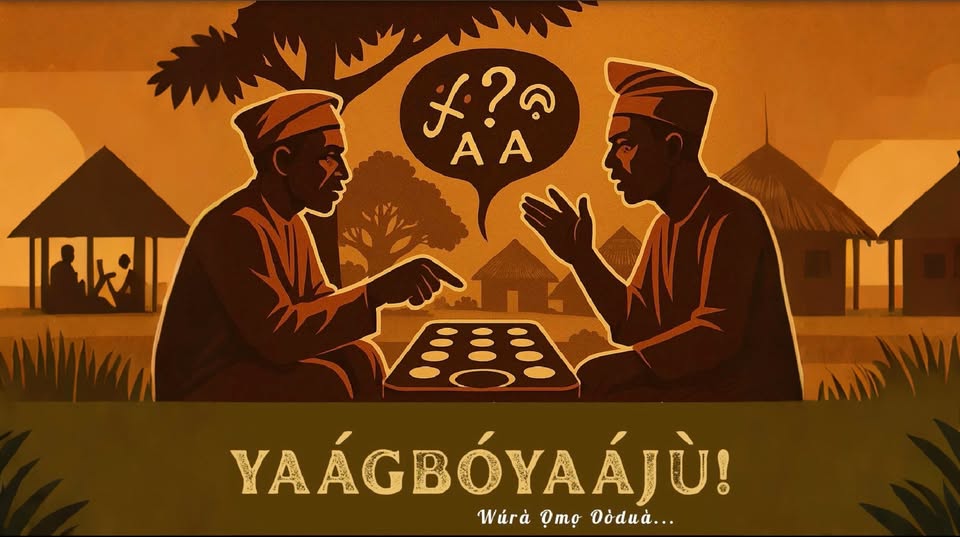
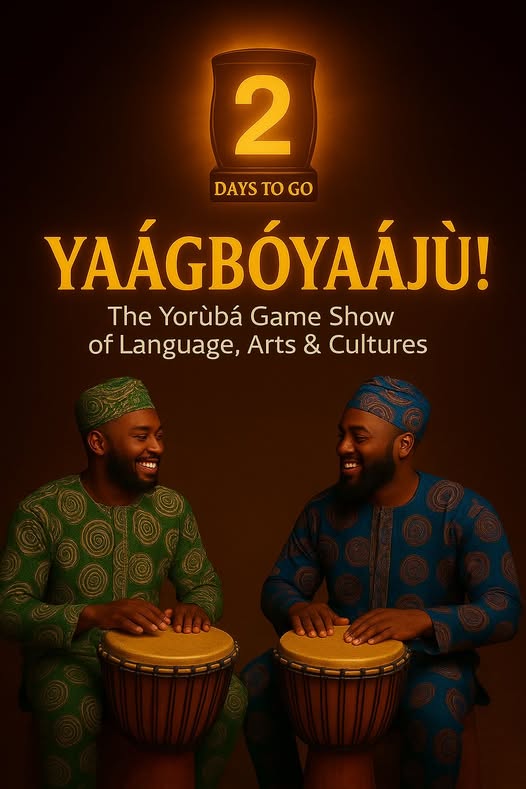
In two days, broadcast audiences will encounter a new wave of cultural entertainment as YAÁGBÓYAÁJÙ takes the stage. The Yorùbá game show, conceived by Olanrewaju Adewusi, promises to reshape how language, heritage, and competition are experienced on screen. At a time when African entertainment is rapidly evolving, the arrival of a show that celebrates identity while offering suspense and humor feels both refreshing and timely.

YAÁGBÓYAÁJÙ is designed as a space where entertainment meets education, and culture meets competition. Adewusi describes the project as a celebration of the “beauty, depth, and dynamism of the Yorùbá language and heritage” while also giving contestants a platform to showcase their “knowledge, sharpness, and creativity.” This dual vision is what separates it from other formats. While many game shows are simply contests, YAÁGBÓYAÁJÙ positions itself as a movement that blends fun with legacy.

Olanrewaju Adewusi, the creator.

One of the most interesting features of the show is its multi-segment structure. Rather than focusing narrowly on a single format, the programme unfolds in different layers, each with its own rhythm and test. In the Semantics round, contestants are pushed to grapple with meanings and word usage, a reminder of how rich the Yorùbá language is. The Spelling Bee challenges their mastery of precision and structure, ensuring that contestants cannot rely solely on colloquial fluency. So Já? takes a different approach, drawing from everyday slang to capture the wit and humor that flows in Yorùbá street culture. Calculations brings mathematics into the mix, sharpening contestants’ quick reasoning, while Wits tests their strategy, cleverness, and mental agility. According to Adewusi, this structure ensures that the show is “not just about winning” but about celebrating multiple dimensions of intelligence and cultural awareness.

The diversity of segments is not only about keeping the show exciting. It also reflects a deliberate effort to engage audiences across generations. Many quiz programs attract only young people or lean too heavily into academic tests, which can alienate casual viewers. YAÁGBÓYAÁJÙ finds a middle ground. The inclusion of street slang appeals to the youth, while the rigor of semantics and spelling invites participation from elders and intellectuals. By balancing these tones, the show becomes a shared experience for families and communities.

For Adewusi, the vision goes far beyond trophies or prize money. While speaking with our analyst, Adewusi emphasised that YAÁGBÓYAÁJÙ is about “celebrating identity, preserving language, and passing cultural knowledge across generations in a fun and engaging way.” That philosophy shapes not just the design of the games but also the way the show relates to its viewers. Audience members are invited into the experience through interactive features like the YÀJÓYÀJÓ 2K prize, which allows those watching from home to become active participants. Instead of keeping the energy locked inside a studio, the show extends it outward, creating a sense of community engagement.

The launch of YAÁGBÓYAÁJÙ comes at an important cultural moment. African languages face constant pressure from globalization and the dominance of foreign media. Too often, indigenous languages are treated as relics of the past rather than vibrant, modern tools for creativity and knowledge. By giving Yorùbá the glamour of a polished game show, Adewusi is sending a strong signal that heritage is not a burden but a treasure. He frames the program as a way to “reawaken pride in indigenous knowledge, inspire learning, and unite people through entertainment.”

What makes this initiative significant is not only its focus on Yorùbá but also the model it sets for other African languages. If Yorùbá can carry a show that blends humour, suspense, and education, then so can Swahili in East Africa, Twi in Ghana, or Zulu in South Africa. YAÁGBÓYAÁJÙ proves that culture can be the centerpiece of popular entertainment rather than a side note. It stresses that African languages have the capacity to command global attention when presented with creativity and confidence.

As the countdown to its premiere continues, excitement is building. Viewers can expect an experience that is lively, thought-provoking, and deeply rooted in the everyday realities of Yorùbá life. Contestants will laugh, struggle, and triumph in ways that mirror the complexity of the culture itself, while audiences will find both amusement and pride in what they see. For  Adewusi, the show is not only the launch of a program but the beginning of a legacy. For the audience, it is an invitation to celebrate, to learn, and to take part in a journey where language, arts, and culture meet competition, fun, and identity.

Understand Design Thinking and Innovation at Tekedia Mini-MBA

0

Design Thinking is not just a methodology; it is a mindset that puts human needs at the center of innovation. In business and society, products and services fail when they are built for numbers instead of people. But when empathy becomes the anchor, possibilities expand. A farmer struggling to access markets or a student seeking affordable learning becomes the focal point of ideation, prototyping, and testing.

Through this lens, innovation ceases to be about abstract technology but about solving real frictions with practical elegance. That is the power of design thinking—humanity first, solution second.

Innovation thrives when design thinking is infused into the DNA of organizations. Companies that endure are those that constantly reimagine themselves, not because the market asked, but because they anticipated unmet needs. Apple designed the iPhone not as a phone but as a lifestyle device. Tesla built a car, but more critically, it redesigned the idea of mobility. These breakthroughs came because leaders refused to treat innovation as a department; they made it a culture. When design thinking converges with bold leadership, the results become market-shaping and industry-defining.

In Africa, design thinking holds even more promise. Our challenges—energy access, financial inclusion, healthcare, education—require fresh models anchored in context. A solar company designing pay-as-you-go systems or a fintech simplifying savings for market women are clear examples.

By observing, prototyping, and iterating within the peculiarities of our markets, we can create innovations that are not copies but authentic solutions for our people. As an African proverb says, a child is nurtured according to the environment of birth. So must our innovation be nurtured with empathy, design, and context. That is how great firms emerge.

Join us today at Tekedia Mini-MBA as Aderinola Oloruntoye educates on design thinking and innovation:

Tue, Sept 23| 7pm-8pm WAT | Design Thinking and Innovation – Aderinola Oloruntoye – SAP | Zoom link in classboard.