DD
MM
YYYY

PAGES

DD
MM
YYYY

spot_img

PAGES

Home Blog Page 4636

Background Hypothesis – How SBF Created Rabbit Holes for FTX

0

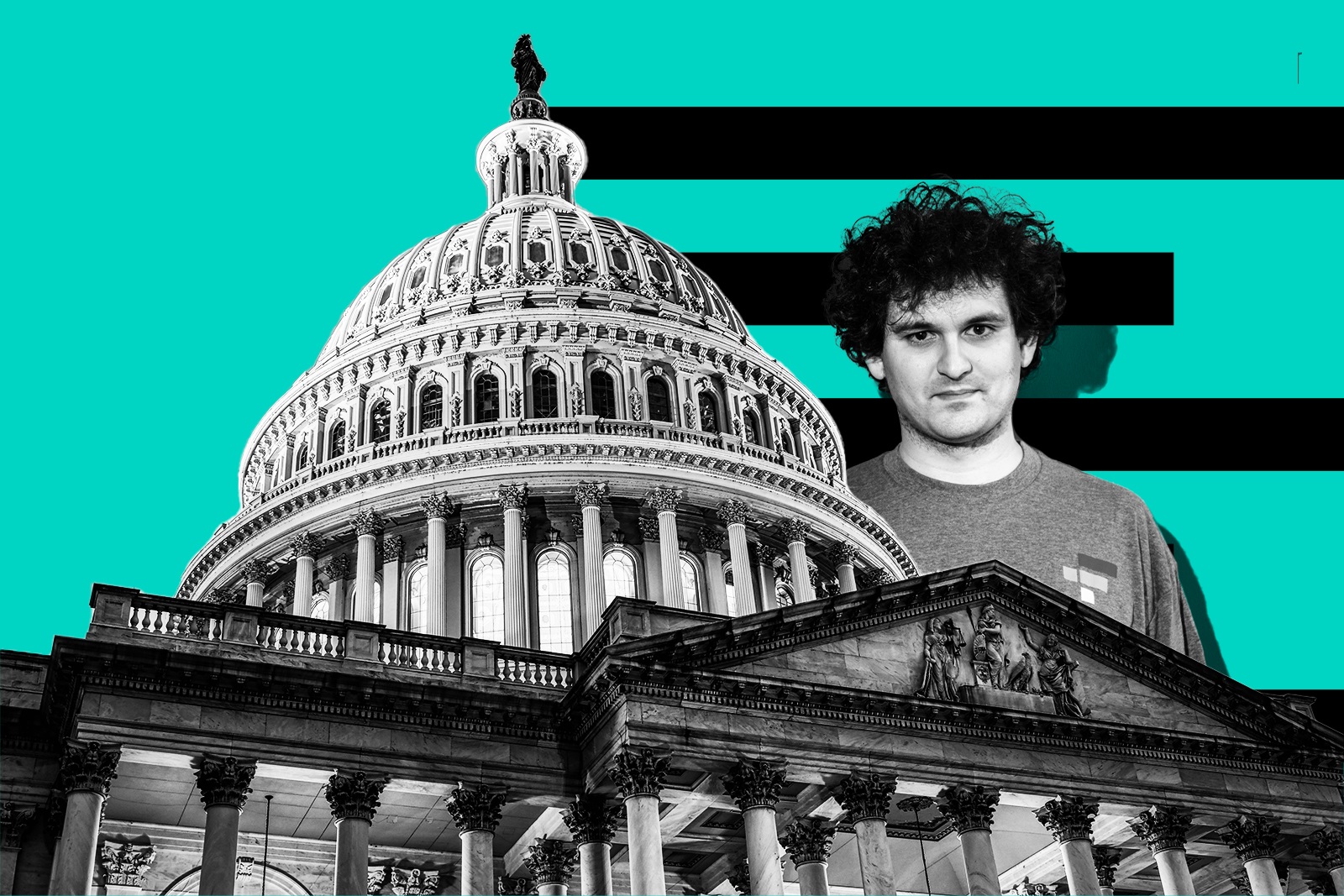
November 8th, FTX froze withdrawals due to a lack of collateral. What was one of the titans of the industry less than a month before the fall, seemingly overnight turned into a headline for one of the largest cases of fraud and financial mismanagement in over a decade.

After the FTX, Alameda Research and BlockFi bankruptcy, Proof of Reserves has emerged as a potential solution to regain investors’ trust.

How do we explain FTX’s $10 Billion in losses?

Where did the $2 Bn in venture funds go?

My working hypothesis is that FTX was a fraud even prior to recent events and as far back as 2021. SBF will go down in history as a fraud larger than Bernie Madoff. Alameda Research was indispensable to FTX, crucial for this analysis.

FTX must inventory customer funds 1:1. How then to match buy & sell orders? Both orders would have to arrive at the exact same time, the exact same size, and agree on the exact same price. That never happens. Alameda fixes this problem by serving as the Designated Market Maker (DMM). Under US securities law, the DMM is obligated to make a market under any market conditions.

The DMM stands ready to offer their own inventory of securities to the market, and stands ready to buy. FTX is a gift for Alameda. FTX is gathering and attracting tons of uninformed retail order flow for Alameda to monetize by trading against. Similar to PFOF

Alameda is a gift for FTX. Alameda offers valuable liquidity to customers. Otherwise, the exchange would have no volume. That exclusive FTX/Alameda relationship conferred a major advantage to Alameda.

Alameda could make a market with limited competition against uninformed retail order flow. Alameda would simply take the other side of random buy & sell orders and make money.

A good DMM or HFT can make money nearly every day. You are constantly turning over the portfolio. You make more money in volatile markets. It requires little capital. It’s a great business. That business attracts competition.

Mango Markets utilized a margin trading protocol allowing cross-margin between a basket of different crypto assets as collateral. They used an oracle which fed them spot prices of these assets from several major exchanges to determine the value of the collateral on the Exchange.

One of the assets that was allowed to be used for collateral was MNGO, the exchange’s native token. MNGO was extremely illiquid, and Avi realized that it would be relatively easy to manipulate the price of MNGO on the centralized exchanges that fed data into the oracle.

Sam Bankman Fried took large positions on MM at the same time using MNGO as collateral, was able to withdraw various forms of collateral from the exchange while the position was in profit, & by the time MNGO crashed back to fair market value, the exchange was left w/ a large sum of bad debt.

SBF wrote a great Twitter thread detailing the mechanics of this move less than a month before FTX’s collapse – & once we’re done peering through it – I think you’ll realize the mechanics between the MNGO exploit and the explanation for the FTX balance sheet hole are eerily similar.

His fictional asset for the sake of this example is XYZ – which is supposed to represent MNGO. Now, I’m getting a bit ahead of myself here, but I also want you to start picturing XYZ as tokens such as FTT or SRM that were used as forms of collateral by Alameda on FTX.

Here’s where things start to go wrong.

Imagine the Alameda is the House. The house has a slight ‘edge’ – a slight positive expectancy. Over time, the skillful poker players start to show up. Jump, Wintermute, and smaller shops. The HFT game rewards whomever has the lowest latency and fastest data.

FTX’s competitors invest in hardware: co-located servers, ultra-fast flexible gate programming arrays (FPGAs), and data. They compile in C.

FTX spent millions on AWS. They code in Python. Too slow… Great HFT firms will invest up to billions in proprietary high-speed data links such as microwave technology.

The mere curvature of a fiber optic cable creates a disadvantage for an HFT firm. The bending of the speed of light is unacceptable. Speed is everything.

FTX and Alameda now flip from a slight positive expectancy to a slight negative expectancy. They are the sucker at the poker table. They start to bleed. They lose a small amount of money per trade – on millions of trades.

At the same time, they are growing customers. Why?

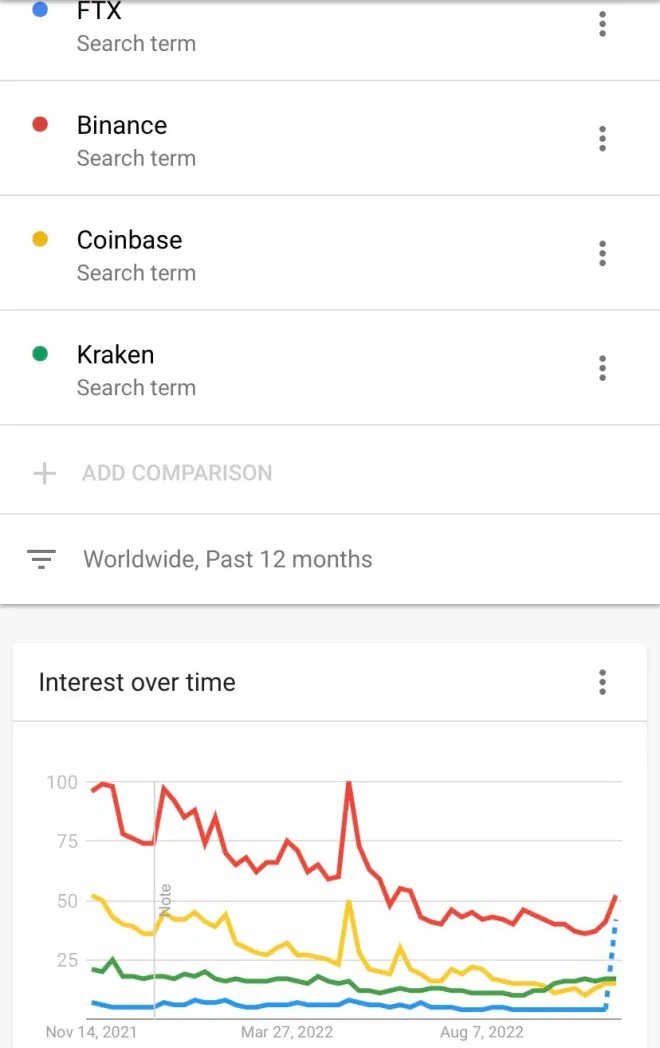
The same trading strategy that might not work profitably at at Coinbase would make profit at FTX Global. It’s was known known that FTX Global had the best ‘vig’ in town if you were an HFT. A lot of people assume FTX achieved major retail penetration. But search indicates near zero organic engagement for an exchange its size.

FTX seemed dominated by prosumers and trading firms. And if they made a killing in 2021, and there was no soft retail flow, who was losing?
At its core, the quotation service that FTX offered was broken. It was quoting stale prices. That exposes FTX Global to getting ‘picked off’ by faster traders with lower latency. ‘Picked off’ means an informed traders spot the mis-quotation and profit at Alameda’s cost.

William Clemente, Cofounder of ReflexivityRes Tweeted  apparently, Many crimes have an intent component where a prosecutors must prove at least circumstantially that there was intent by the person.

However, intent for the action underlying the crime is all that’s needed, Not intent to commit the crime nor knowledge it was a crime.

On his recent interview on Good Morning America, SBF explained what transpired on FTX leading to Implosion. 2:33 is where my confirmation of his guilt was solidified. The way he avoids that question… it’s a simple question dude… Yes or No. He danced around that answer… and continued to dance through the Alameda/FTX relationship questions.

Disgraced FTX founder Sam Bankman-Fried appears to be employing the “bad businessman strategy” to avoid facing jail time over the missing billions from the crypto platform, says CNBC. The shock collapse of FTX, valued just months ago at $32 billion, came after the company used customer deposits to fund bets made by its affiliated trading firm Alameda Research — with the effects rippling through the industry. While no charges have yet been filed, legal experts told CNBC the fallen crypto star should be “very concerned about prison time;” both the Securities and Exchange Commission and Justice Department are reported to be investigating the matter. Bankman-Fried has so far denied fraud. (LinkedIn News)
Why Nigeria Excites Me!

0

If you do not like your teacher, you will likely struggle in his/her class. If you do not like your school, learning will be harder in that school. If you do not like your country, you will likely not see anything good in it. No matter what, you must find ways to #believe so that you can think right on the opportunities in Nigeria.

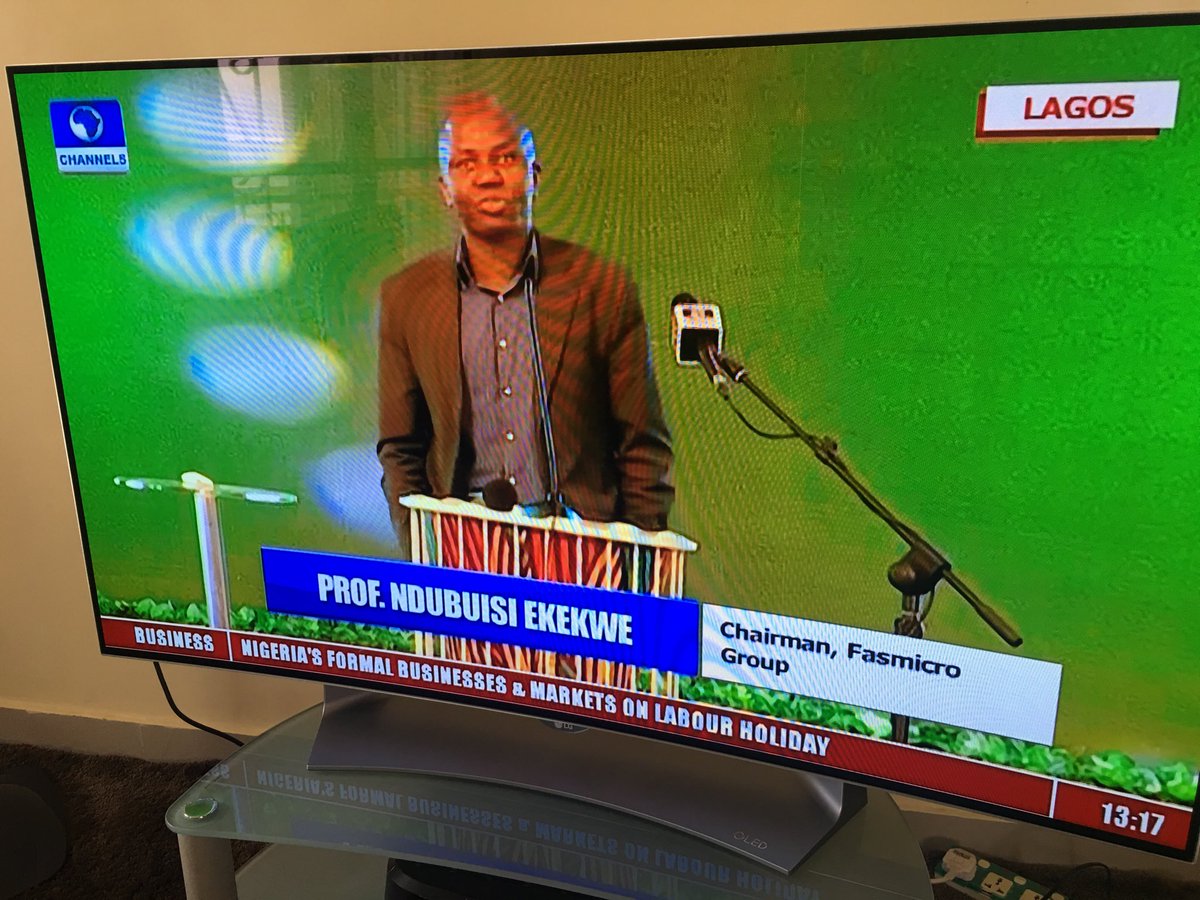
“The best companies for Nigeria have not been started. If you look at Dangote Group and you think it is big, just note that it remains a company within a $500 billion economy. There are opportunity-moments for $2.5 trillion space available. If you look at banking and you think we have max’d all opportunities, I will remind you that Nigeria’s largest bank by market cap, Zenith Bank, at less than $2 billion, is a huge testament that our banking sector is still at infancy.

“The big buildings should not fool you – the Nigerian banking sector has not reached up to 10% of its natural value even though First Bank may have clocked a century! Yes, in those years, no one has pioneered a credit system which is a legal money multiplier in an economy.”

#Believe does not mean being in denial of the challenges; it is activating the inner energy to keep pushing. This life is really amazing. One Friday afternoon, I defended my final year undergraduate project (I might have skipped a meal that day in FUTO to balance the budget). On Monday, I began work in Bourdex Telecoms with a furnished 3-bedroom flat, car and driver, etc. Magically, that Friday became a distant past because  in just days, the transformation became evident. But that Monday would not have come if I had not persevered in FUTO. Find ways to keep pushing because everyone will have a Monday!

I have listed many opportunities and ideas here which can help an innovator in Nigeria.

Comment on Feeds

Comment 1: Banks?! Are you speaking about growth in banks, sir? I believe banks would cease to exist or at least not exist as we currently know them to exist. Maybe not very soon, but soon enough, the growth you see may not come to pass.

My Response: Banking is important but banks are not. The banks of today are evolving. Access Bank just launched Hydrogen which is a fintech. Wema Bank has Alat. In other words, do not expect those banks to disappear since they are doing what those that will take them down are doing. In other words, do not think that you have many better fintechs than GTPay, Wema’s Alat, Access’ Hydrogen, etc. With those moats, banks will be here. They can over time, rename Wema to become Alat or Access to Hydrogen.  As holding companies, Nigerian banks are now at the center and edges of smiling curve https://www.tekedia.com/smiling-curve-nigeria-manufacturing-plan/

Comment 2: Yes very true advice Proff Ekekwe. Although credit is not a good system to develop Nigerian banking sector. The credit system in US created a serious debt crisis that contributed to economic decline subsequently. Credit is used for consumption mostly, which will increase demand of products. If we are not the ones that make those products, that money goes out of the country. Then if other factors in the market cause job loss- the credit causes a debt crisis, affecting domestic banks and reducing consumption. Traditional banking is not a good business model, increasingly. A better tool to expand the economy of Nigeria is to allow crowd funding platforms, which will be used to produce enterprise, with some oversight. Even better is the community funding model used by African Entrepreneurs Cooperative – where people pool money to fund and grow businesses in different sectors.

My Response: “The credit system in US created a serious debt crisis” – some crises are better. (1) A man has a sick child but has no money; the hospital refuses to help. The child suffers because there is no credit. (B) The same man takes a loan and helps the child. Question: which do you prefer?

Another case: (A) a kid is admitted to a school but no money or credit (B) the child can get a student loan.
Question: Which one do you prefer?

What Motivates Me On Nigeria

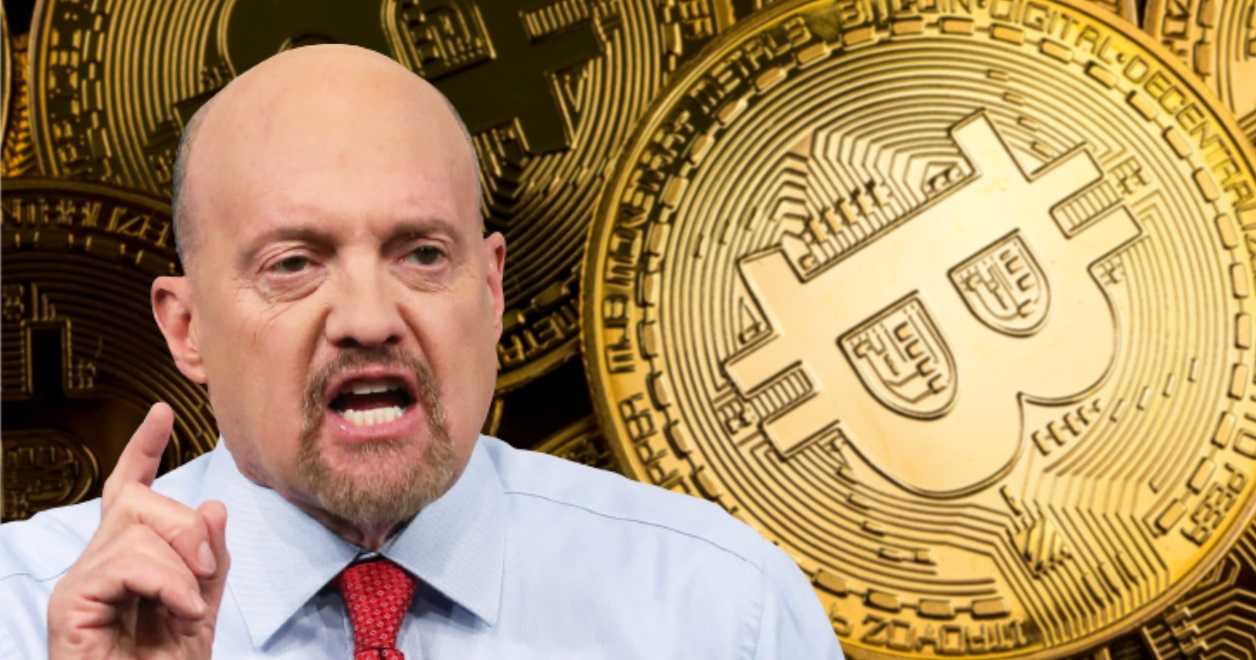
Jim Cramer Warns Investors Against Hodling Speculative Crypto Assets, Predicts Massive Fall Next Year

1

American TV personality and host of ‘Mad Money’ on CNBC Jim Cramer has advised crypto investors to sell their digital assets, noting that it is never too late to sell as prices continue to plummet.

The former hedge fund manager disclosed that now is the best time for investors to exit the crypto market, as he predicts a collapse in 2023.

In his words, “You can’t just beat yourself up and say ‘hey, it’s too late to sell.’ The truth is, it’s never too late to sell an awful position, and that’s what you have if you own these so-called digital assets.”

He further added that investors shouldn’t be deceived by some coins’ inflated market capitalization while predicting that cryptocurrencies such as Polygon, XRP, Dogecoin, and Cardano will possibly fall to zero.

Tether, a so-called stablecoin that’s supposed to be kinda-sorta pegged to the dollar still has a $65 billion market cap.

“There’s still a whole industry of crypto boosters trying desperately to keep all of these things up in the air, not too different from what happened with bad stocks during the dotcom collapse”, he said.

Jim Cramer’s advice comes not too long after Bitcoin loses its volatility again, falling to $17k, and showing signs of a further decline.

He joins the likes of other investors such as Warren Buffet, Mark Mobius, etc who have predicted more woes for the crypto industry.

Also, Senior commodity strategist for Bloomberg Intelligence Mike Mcglone believes that cryptocurrencies are now going through their last phase before hitting rock bottom. He adds that it will be tough for investors and companies to survive this phase.

Meanwhile, Venture capital investor Tim Draper shares a different opinion, as he is optimistic about the rise of Bitcoin, predicting it to hit $250,000 next year.

Following the FTX collapse that has no doubt sent shockwaves to the crypto industry, the prices of virtual assets have become highly volatile with the market experiencing a bloodbath.

According to Coinshares, Europe’s largest digital asset investment and trading group, it disclosed that investments in crypto funds fell by $11m last week after an outflow of $23m the week before.

Bitcoin investments rose by $11m, and Ethereum fell by $4m. Investments in funds that allow shorts on bitcoin fell by $11m. Trading volume was $753m, compared to an average of $2bn a year ago, suggesting low investor engagement.

Analysts disclose that Bitcoin drop below $16K (-6%) could devastate speculators’ positions, delaying a potential market recovery for many more months. On the other hand, a rise above $18K (+6%) could open a direct track to $21K.

The collapse of FTX has been described as the biggest string of big crypto-related failures this year. It sparked a cryptocurrency collapse that has left an estimated 1 million creditors facing losses in billions of dollars.

The FTX upheaval has put immense pressure on exchange platforms everywhere, with users nervous about exchange holdings, as few analysts disclose that rebuilding the market confidence will likely take months or years. 

House Committee Sets Dec 13 for FTX Collapse Hearing, As Bankman-Fried Claims Innocence

0

Former CEO of the now-bankrupt crypto exchange FTX, Sam Bankman-Fried, is getting closer to criminal investigation that may indict him for the collapse of the company.

On Monday, the chair of the U.S. House of Representatives Financial Services Committee demanded that Bankman-Fried testify before Congress on Dec. 13.

“It is imperative that you attend our hearing on the 13th, and we are willing to schedule continued hearings if there is more information to be shared later,” Representative Maxine Waters, the committee chair, wrote on Twitter.

There have been calls on the authorities to open criminal investigation into what led to the FTX collapse under Bankman-Fried’s watch. Many, including Tesla and Twitter CEO Elon Musk, believe that FTX’s downfall is as a result of fraud and mismanagement of investors’ fund.

FTX’s collapse has been largely attributed to the romance between FTX and Alameda Research, a hedge fund that Bankman-Fried co-founded. It was reported that Bankman-Fried moved as much as $10 billion in investors’ fund from FTX to Alameda.

The calls to probe Bankman-Fried intensified following the conviction of Elizabeth Holmes, the founder and CEO of Theranos, for fraud.

Though Bankman-Fried has denied committing any fraud, blaming the situation on ignorance and “oversight”, people are pointing his excuses out as a pattern, which was similarly used by Holmes.

“I didn’t know exactly what was going on,” Bankman-Fried, 30, told the Times on November 30. “Obviously, that’s a pretty big mistake and oversight, that I wasn’t more aware.”

Among those who have downplayed Bankman-Fried’s excuses is convicted scammer Anna Sorokin. She said “He’s just trying to save himself.”

Also, Neama Rahmani, the president of the West Coast Trial Lawyers law firm and a former federal prosecutor, told The New York Times of Holmes’ case that people use two typical excuses to evade responsibility in a matter like this.

“Generally speaking, when you go into these types of cases, there’s two types of defenses: ‘I didn’t know’ and ‘It wasn’t me.”

New FTX CEO John J. Ray III, in a series of filings in a Delaware court, accused Bankman-Fried of handling the management of FTX poorly. Ray said among other things, FTX “did not keep appropriate books and records or security controls” for its digital assets, used unsecured shared email accounts to access private keys, and cannot provide a list of those working for the company as at Nov. 11.

“Never in my career have I seen such a complete failure of corporate controls and such a complete absence of trustworthy financial information as occurred here. From compromised systems integrity and faulty regulatory oversight abroad, to the concentration of control in the hands of a very small group of inexperienced, unsophisticated and potentially compromised individuals, this situation is unprecedented,” Ray said.

The FTX has been accused of gross mismanagement of investors’ fund. Ray acknowledged some of the accusations. He said FTX Group corporate funds were “used to purchase homes and other personal items for employees and advisors,” and assets were assigned to staff personally with no record of them having to repay any loan.

Though Bankman-Fried has dismissed Ray’s testimony as “false”, new information and increasing pressure from the public appear to be forcing the House Committee to set up a hearing.

On Sunday, Bankman-Fried agreed in a tweet that he would testify before the committee after he finished “learning and reviewing” what actually went wrong with FTX. But Bankman-Fried has been granting interviews to media outlets, telling his side of the story – which has so far, exonerated him from any wrongdoing.

Based on this, the committee believes that the former CEO now has enough information about what happened in FTX to honor a hearing.

Waters responded to Bankman-Fried’s tweet on Monday: “Based on your role as CEO and your media interviews over the past few weeks, it’s clear to us that the information you have thus far is sufficient for testimony.”

However, it is not clear if Bankman-Fried will honor the committee’s invitation to be interviewed on December 13. What is clear is that the quest to unravel what resulted in the collapse of the $32 billion exchange has started.

Google Redesigns Search Results Page on Desktop for Quicker Discovery

0

Search engine technology company Google has redesigned the search results page on Desktop, by introducing continuous scrolling to enable users to find relevant information quickly without going through the hassle of navigating across pages.

With this new feature, users will be able to see up to six pages of results when they get to the bottom of a search results page, which is marked by a loading indicator, and the next set of results will automatically load with relevant information.

Following the launch of the “continuous scrolling” feature, Google said via a post, “Starting today, we’re bringing continuous scrolling to desktop in English in the U.S. so you can continue to see more search results easily. When you reach the bottom of a search results page, you’ll now be able to see up to six pages of results”.

Meanwhile, this is not the first time Google is introducing this feature as it had earlier introduced it on mobile devices in October 2021.

This new feature will no doubt improve users’ experience, as while they can find what they are looking for in the first few results, they might want some additional information which will enable them to seamlessly see more information without necessarily clicking the next page.

Also, this new feature will provide more visibility to sites that do not rank high enough to be on the first page. It is not far-fetched to say that most people hardly click the second or third page on the search results, with the continuous scrolling feature, these sites will often pop up.

Google’s continuous scrolling comes after there were complaints from several users about its poor search results page. Some disclosed that for some searches, the whole page is usually filled with ads instead of providing relevant information.

Several others disclosed that their results keep getting refined to suit the popular 80% of queries while noting that once users get off the first or second page, the results get even worse with pages entirely unrelated to the query.

In a bid to enhance its search page results, Google has been carrying out several revamp on the platform. In September 2022, it introduced a feature called “Discussions and forums” that incorporates search results from discussion forums such as Reddit, Quora, and Edmunds.com in response to “searches that might benefit from diverse personal experiences.

Also, in the same month, it unveiled a more visual search experience to allow users to naturally explore information, after it discovered that almost 40% of young people often search TikTok or Instagram to find a place for lunch instead of Google or Google Maps

Google today announced it’s revamping the traditional Google Search experience to allow users to more naturally explore information. To accomplish this, the company is introducing a number of new features, including tools to drill down into topics and other changes that will make using search a more visual experience, highlighting maps snippets, imagery and even video in new ways.

The update follows Google’s disclosure earlier this year of internal research which indicated younger people had begun turning to other services, like TikTok and Instagram, instead of Google to kick off their web searches. The changes it’s introducing now show it’s taken some inspiration from how younger people use the web — preferring easily accessible and visual content, as well as more guidance as they begin to make queries.

With its new visual search experience, when users search for a place, they are presented with photos, a small map showing its location, directions, weather, and even short videos.