DD
MM
YYYY

PAGES

DD
MM
YYYY

spot_img

PAGES

Home Blog Page 4675

Company Winding-up Procedures in Nigeria

0

In one of my previous articles, i already spoke about winding up petitions as a means of recovering debt as well as bringing to a close a company on several grounds.

Winding up a company can also be deemed necessary as a means of restructuring a company by carrying out a phoenix-like regeneration of a company which might have been performing badly or seeking rebranding.

In this article, we will be taking a deeper look into winding-up of companies in Nigeria, with a deeper focus on :-

– The Regulatory Framework governing winding-up of companies in Nigeria.

– The types of winding-up processes available under Nigerian law.

– Who can have a company wound up.

What makes up the Regulatory Framework governing Winding-up of companies in Nigeria?

Winding-up of companies in Nigeria is governed by :-

– The Companies and Allied Matters Act (CAMA) 2020.

– The Corporate Affairs Commission CAC

– The Federal High Court of Nigeria through the Federal High Court Act 2005

– The Federal High Court Civil Procedure Rules 2019

-Company Regulations 2021

– The Companies Winding-up Rules

– The Companies Proceedings Rules

– The Investment and Securities Act (ISA)

Who is eligible to apply for a company to be wound-up?

The following persons can apply to have a company wound up :-

– A director of the company sought to be wound-up

– A creditor of a company sought to be wound-up

– A contributory of a company sought to be wound-up

– A Receiver of a company sought to be wound-up

– An official receiver of a company sought to be wound-up

– The Corporate Affairs Commission (CAC)

What are the grounds for winding-up a company?

The valid grounds for winding-up a company are :-

– as a debt recovery measure;

– where members of a company fall below the required number of 2(Two);

– where there’s a failure on the part of a company to hold its statutory meeting or file statutory reports as required under CAMA;

– where the court deems it just and equitable to have the company wound-up.

What are the types of winding-up processes in Nigeria?

Winding-up a company in Nigeria can be either as a :-

Court-ordered winding-up :- This is where anyone eligible to have a company wound up makes an application to the Federal High Court via a petition followed by an affidavit of verification followed by the publication of the petition note in a national daily newspaper inviting all interested parties to enter an appearance within a period (usually 15 days ).

A Court-supervised winding-up :- This involves a company  through its board of directors/members passing a voluntary winding-up petition and then asking the court (also through a petition)  to supervise the winding-up process, although the court in this case will have the option of appointing an additional liquidator.

A Voluntary Winding-up which can be either :- 

a). a members voluntary winding-up :- Where members of a company commence the winding-up process through a special winding-up resolution and the appointment of a liquidator to complete the winding up process.

The appointment of a liquidator would typically render defunct the powers of the board of directors except where the contrary is decided upon by the company.

b). Or a Creditors winding-up process :- Which is where the company along with its creditors decide via separate meetings to have the company wound up, followed by the notice of the creditor’s meeting being published in at least 2 daily newspapers.

This process will also be followed by the appointment of a liquidator to complete the process.
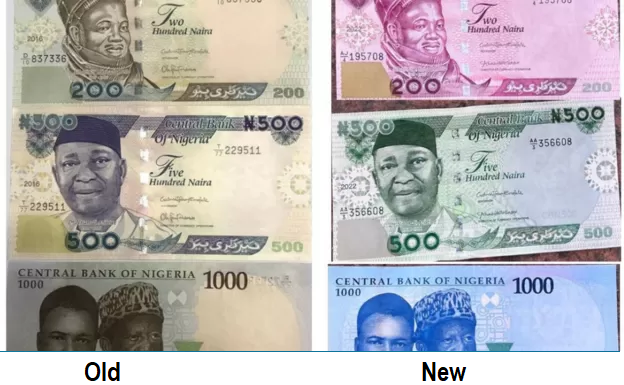
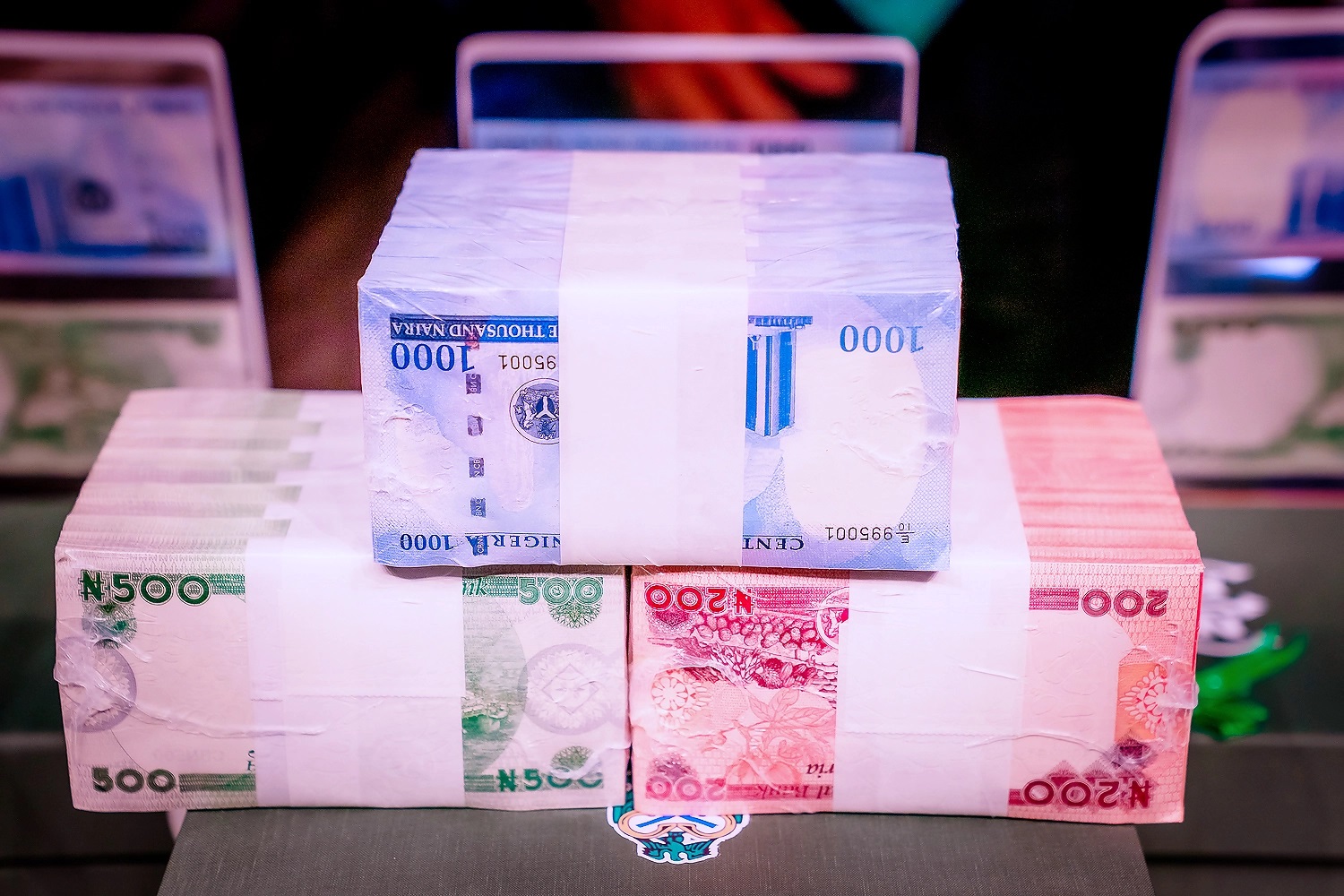
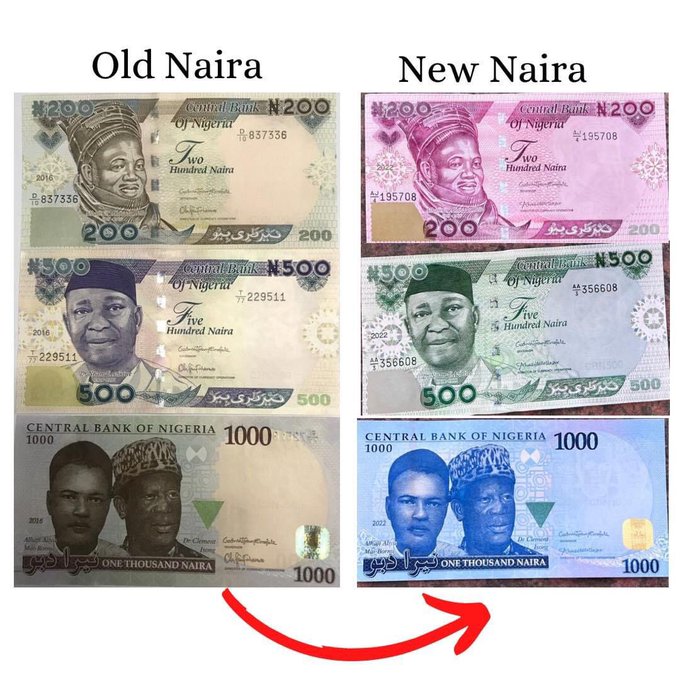
Nigeria’s New Naira Redesign Gets “C” – Many Color-blind Citizens Will Struggle

4

Many years ago during the regional JETS (junior engineers technicians and scientists) competition, I co-represented Secondary Technical School Ovim at the regional level. The venue was Federal Government College Okigwe. In that program, there was a physics experiment where light had to be passed through objects to create many colors due to repositioning on focal length/refraction index/etc. 

The experiment comes handy as I watch the old and new central bank of Nigeria (CBN) Naira notes. A good physics teacher can ask students in secondary schools to design an experiment on how different light sources at different focal lengths can make an old note look like a new Naira note. Indeed, the CBN did really nothing but manipulate colors of the note; no fundamental redesign that would have produced absolute, native and unambiguous distinctive features for color-blind, elderly and non-literate citizens in Nigeria.

CAUTION: if you are collecting the new N500 from anyone, do not do it under a blue waterproof (the one they use to cover some store areas in markets). I project that if you put that note under a natural light incident on a blue waterproof, at 8 inches, the old note may look like a new one (WAEC: you have an idea for alternatives to practical in Physics).

I support this redesign project but CBN created a big problem here with this color scheme-based redesign. My grade: C

Comment on Feed

Comment 1: Another major concern for this new Naira note is when you view them under incandescent bulb. It might be difficult to distinguish between the old and new notes. This might be a concern for those elderly citizens who own corner shops. The CBN should have done better. We could experiment this, let view both old and the new Naira notes under (incandescent and fluorescent bulbs at 19h 00) and note our observations.

Comment 2: More specifically, if you run a boutique shop in Nigeria, please insist that when payment for selected clothes is to be made let it be done outside the shop under sunlight.?

Comment 3: I totally agree with this. Not just the colour blind people, other people may still collect the old note without noticing the difference.

No matter the security features the CBN claims this new notes have, they should have made one distinctive feature obvious for all to see. The colour change is not enough.

Another problem I anticipate is, some fraudsters may choose to mix the old notes in a bundle of cash and pay for goods.

Better we do cashless for transactions above what we can examine each note carefully.

The Mechanism of Digitally Transforming Enterprises – Tekedia Mini-MBA

0

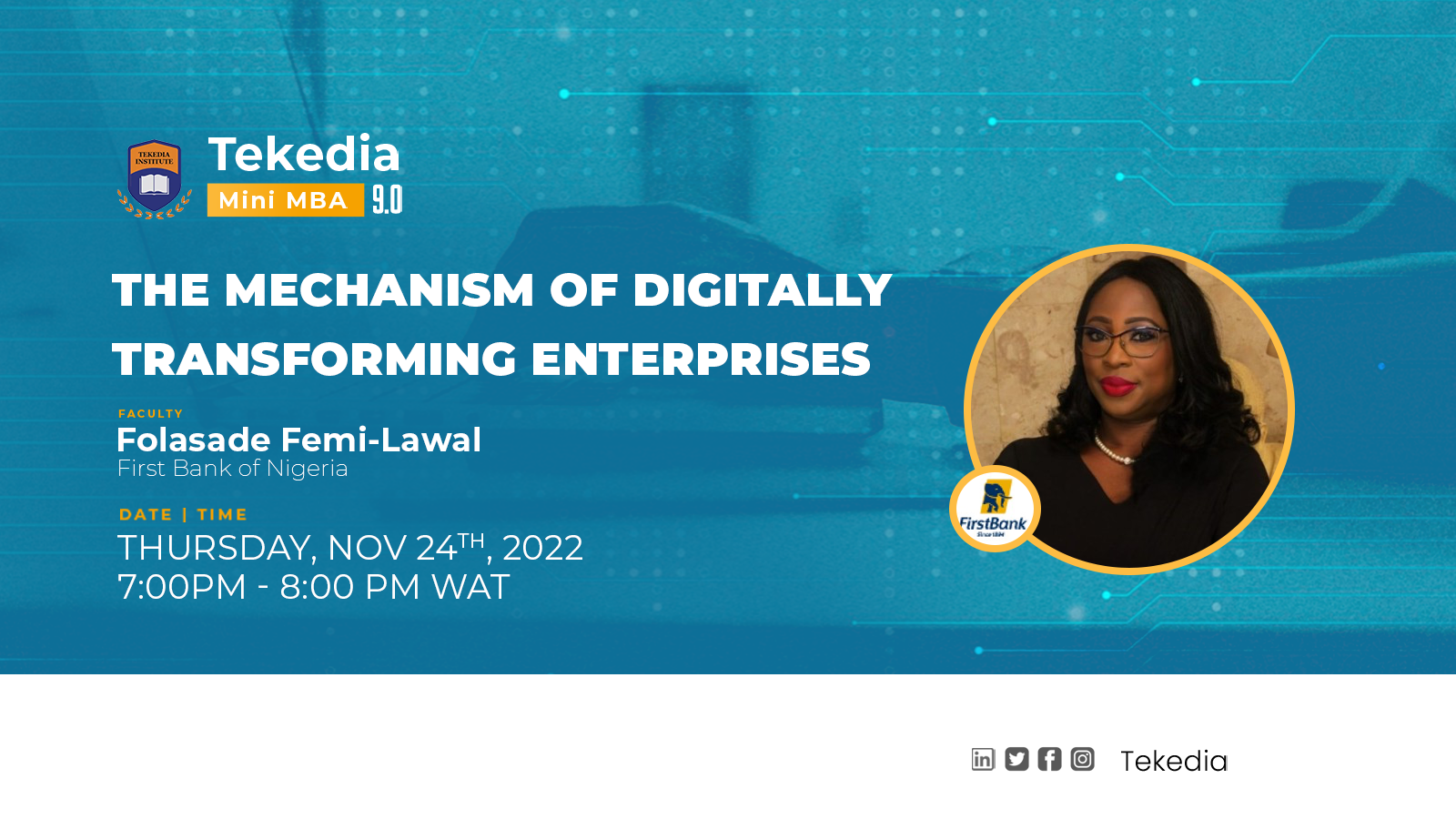
She is a Fellow of the Institute of Chartered Accountants of Nigeria (ICAN), the zenith of recognition in the accounting profession in Nigeria. She is currently overseeing the largest card base in Nigeria with millions of cards and $$millions transaction value  annually. As the AGM of Cards & Messaging Business in First Bank of Nigeria, she holds one of the most important roles in the digital redesign of Nigeria’s financial services and the broad economy.

Tomorrow at Tekedia Mini-MBA Live,  Folasade Femi-Lawal (FCA,FCIT,MBA) will educate on how to transform enterprises to win in the digital era. The topic is “The Mechanism of Digitally Transforming Enterprises” and she will explain the critical elements to help companies get into the future.

Tekedia Institute Mini-MBA >> learn from the best.

On drugs smuggling, the risks outweighs the perceived gains

0

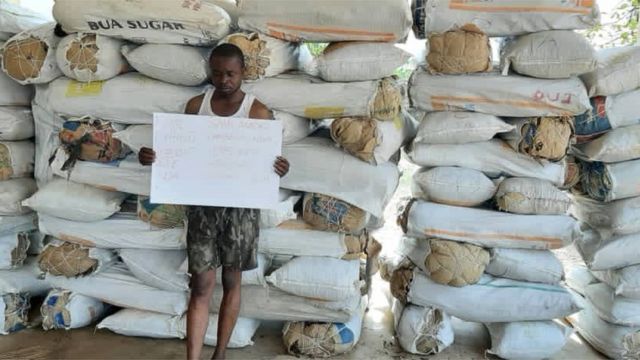
The news reported that a 56 old woman was arrested on Sunday, the 20th of November, 2022  by the NDLEA at the Murtala Muhammad International Airport, Lagos, while she was attempting to board a Saudi Arabia flight with the intent of exporting the drugs into Saudi Arabia from Nigeria. 

Due to the age of the lady, I was forced to ask myself, “what was her motivation for engaging in drug smuggling”; is it for social status (fame) or for the money; this woman has barely a few years left in her.

There is no gainsaying that those who engage in drug trafficking do that to make quick “block” cash, but the risk associated with this drug peddling is far greater than the “perceived, conceived or imagined” profitable outcome. Some countries have passed laws promulgating death sentences on anybody that is caught trying to smuggle drugs into their country or caught in possession of drugs in that country.

A report by Harm Reduction International (HRI) which was released in March 2018 stated that as of the time of the report (2018), there were at least 33 countries of the world that have prescribed the death penalty for drug-related offenses like drug smuggling and trafficking, possession of drugs in commercial quantities, sales of drugs, etc. Countries like Malaysia, China, Cuba, Saudi Arabia, Congo, Egypt, etc made that list.

In an Asian country like China, if you are caught in possession of drugs, no matter how minute the quantity you are found with is, you will be forced to attend a government-operated drug rehab for a stipulated period of time; that is if the Chinese government want to be lenient with the offender maybe because of the age of the offender or he is a first time offender, if not, death sentence will be passed on the offender. 

Whilst in some countries, (including Nigeria) that are yet to pass capital punishment for drug peddling and related offenses, the punishment for the offense of the importation or exportation of drugs (trafficking) and sales of drugs is a life sentence.

Punishments for drug-related offenses in Nigeria have been duly provided in section 11 of the NDLEA Act; drug trafficking as an offense carries the punishment of life imprisonment while possession of drugs as an offense carries the punishment of at least 25 years jail term according to S.11(d).

Before this punishment of the death penalty or life sentence, the first punishment that is melted on the offender is that the drugs found with the peddler are first seized and confiscated by the government, and every property or money owned by the peddler that can be linked to having been gotten or acquired through proceeds made from drugs trafficking is forfeited to the government, so the offender is literally left with nothing; you lose both the drugs, your money, your properties, your freedom and in most cases even your life.

This begs the philosophical question to be asked; “placing the imagined or perceived gain (which has less than one percent chance of success) side by side with dangers and risks associated with it, can we really say that the profit outweighs the risk and the people who play this gamble with their lives are really in their right mental state”?

People that engage in drug trafficking should at least take a pause and weigh their options; consider the option of how much harm drugs has done and is still doing to the society, they should also be selfish and consider the fact that they will lose everything they have ever worked for and in most cases lose their freedom and their lives if they ever get caught.

Unfavorable Macroeconomic Environment Forces South African Startup SweepSouth to Pause Operations in Nigeria

0

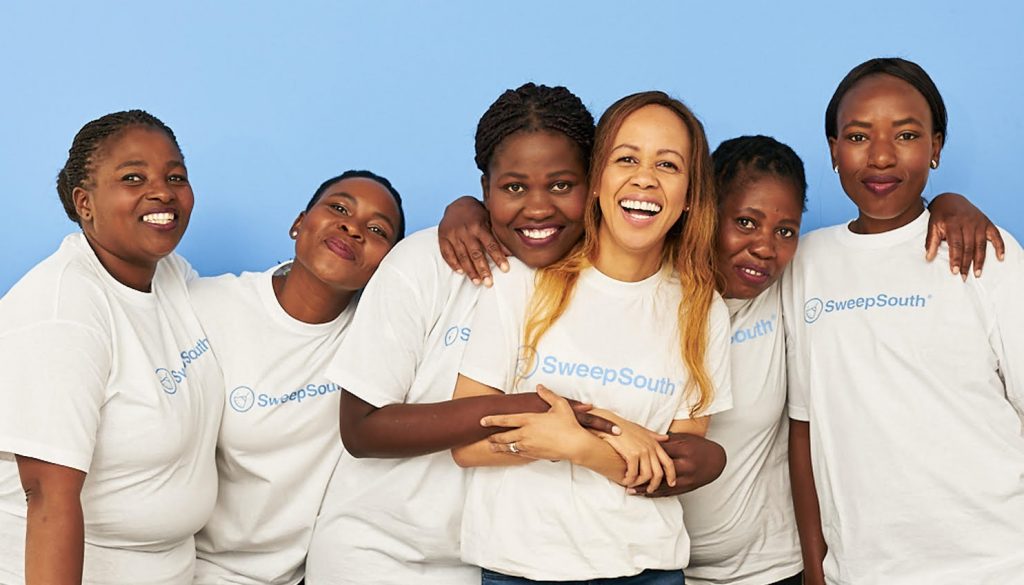
South African online home cleaning service company SweepSouth has revealed plans to pause its operations in Nigeria due to an unfavorable global macroeconomic environment.

The company which launched in Nigeria in 2022, operating for only five months, disclosed that its support lines are still open until the 25th of November 2022, when it finally shut down its operations.

It said via a statement on Twitter,

SweepSouth Nigeria has made a very difficult decision to pause our Nigerian operations effective November 25th, 2022.

Due to the unfavorable global macroeconomic environment, the home service industry continues to be hit hard. Customers will receive full refunds for any bookings that have been paid for in advance and full refunds for Sweepcred loaded in the customers’ accounts.

This has meant that our business cannot sustainably operate due to the economic pressures being faced at the moment. This has been a difficult decision to make considering our passion to serve the Nigerian market. We know this decision will negatively impact our SweepSouth Community and SweepStars. 

Therefore we ask for your support and understanding as we navigate this time. All bookings scheduled to take place between now and November 25th will remain in place. We will be canceling all bookings scheduled to take place after November 25th, 2022.”

SweepSouth further disclosed that despite its planned exit from Africa’s most populous nation, it will stay abreast with the activities in the Nigerian market and possibly work towards a potential re-entry.

Its exit from Nigeria will see the company continue to provide its services in communities in South Africa and Egypt where it has operations.

Founded in 2014, with its base in Cape Town, South Africa, the startup has over seven thousand cleaners with a mission to create happy homes by providing dignified, flexible work at decent pay to its SweepStars.

SweepSouth takes 40,000 bookings per month across its three markets—South Africa, Kenya, and Egypt. The startup on September 2022, raised $11 million in funding, which it disclosed that the funds will be used to drive its expansion and grow its infrastructure in countries where it operates.