DD
MM
YYYY

PAGES

DD
MM
YYYY

spot_img

PAGES

Home Blog Page 4778

Alternative Bureau De Change Operation Models in Nigeria (In light of the CBN BDC License Restrictions)

3
Naira USD

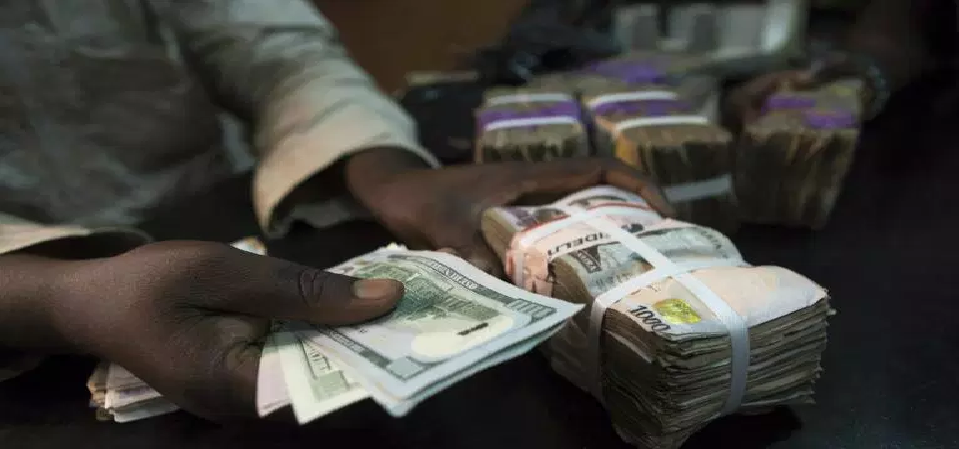
The Central Bank of Nigeria announced that effective from July 29, 2021 that it would no longer be making weekly allocations of FX to Bureaux De Change in Nigeria and that BDCs will now have to source their FX needs from private sources. The CBN also announced that it was temporarily halting the granting of new BDC licenses to applicants, along with a consequent order for refunds of the 35 Million Naira refundable licensing deposit already paid by BDC license applicants recently.

What this article will focus on without further ado are the alternative operation models for applicants still desirous of operating BDC services in Nigeria.

Nigeria is currently an import-dependent economy, so there has been a high demand for foreign exchange made worse in recent times by the Central Bank of Nigeria CBN placing restrictions on the local Forex retail market led by Bureaux De Change (BDCs).

Bureaux De Change in Nigeria currently no longer source foreign exchange from the CBN due to excessive allegations of forex allocations abuses.

Forex can now only be gotten from authorized dealers (Commercial banks) in Nigeria.

Also, BDC license applications have been temporarily halted by the CBN.

Cut off from the CBN window source, BDCs have been left with the problem of how to source forex. This is where your business can come in.

Permissible activities for BDCs

BDCs can still engage in:-

– Dealing in bank notes, coins and plastic cards.

– Getting FX from private sources for selling as Business Travel Allowances (BTAs) & Personal Travel Allowances of not more than $4,000.00 per PTA customer transaction and $5,000.00 per BTA customer transaction

– Opening Naira and Domiciliary Accounts

– maintaining a difference of not more than 3.5% between forex buying & selling rates

Non-permissible activities for Bureaux De Change in Nigeria

– Engaging in offshore businesses or maintaining foreign correspondences

– trade-related import activities

– maintaining foreign bank accounts

– round-tripping forex gotten from the CBN

– capital market activities

– operating office branches (BDCs can only have 1 registered operating address.

Forex can only be gotten in Nigeria via :-

  1. Buying directly from banks or through the e-Form A on the CBN Digital Trade Monitoring System for the purpose of PTA, BTA, medical tourism, educational tourism & other listed remittances on the CBN foreign exchange manual.
  1. Buying from private sources in Nigeria

What are your options?

Most BDCs and Banks , due to the high scarcity of forex are now operating digitally. First, you need to register at least 2 companies in Nigeria :- 

1.A digital BDC in Nigeria :- Because the CBN has currently banned BDC license applications in Nigeria, you’ll have to engage in a Joint Venture lease agreement with a licensed BDC for the use of its license as a regulatory cover with an application for the approval of the CBN.

2. A Company that will serve as a sister company to the BDC for the purpose of maintaining foreign accounts through which you can import or remit FX into Nigeria.

To operate initially, you should do the following which is already being done by many companies here:-

1.Engage in the sale of Stablecoins :- Stablecoins are a type of Cryptocurrency tied to Fiat currencies like the US Dollar . Blockchain Technology is legalized in Nigeria and Stablecoins have been exempted from all our Cryptocurrency regulations here. Moreso, US Dollar Stablecoins have been recognized and regulated in the US via the Stablecoin Transparency of Reserves & Uniform Safe Transactions Act (The “TRUST” Act)

The official exchange rate for the US Dollar is $1 = 437.00 Naira

1 USDC (Stablecoin) = 433.00 Naira

1 USDT (Stablecoin) = 437.00 Naira

US Dollar = 746.00- 765.00 Naira (Parallel Black Market Rate)

2. For physical cash FX, your digital platform must require each customer to have a Domiciliary Account which you can send FX to . You can either buy FX from an authorized dealer in Nigeria (a Bank) through a proposed FX purchase agreement or simply import your FX (through a certificate of capital importation obtained here in Nigeria).

Getting a BDC license usually costs the following :-

– A minimum share capital requirement of 35 Million Naira(about 560,000.00 Naira in Incorporation costs minus Legal fees)

-An application fee of 100,000 Naira

– A licensing fee of 1 Million Naira

– A license renewal fee of 250,000.00 Naira

– A mandatory refundable caution deposit of 35 Million Naira payable to the CBN 

Total :- 37 Million Naira ($84,691.00 at the official exchange rate)

Operating digitally on the other hand will cost you the following :-

– Merger/License lease agreement costs with a licensed BDC – a minimum of 10-12 Million(minus license renewal costs of 250,000.00 Naira which you can offer to handle & Legal Documentation costs)

– Cost of incorporation for 2 companies (Digital BDC & Sister Company, 5 Million Naira share capital each) – 500,000.00 Naira(Legal costs inclusive)

– Trademark Registration – 120,000.00 Naira per Trademark

Total – 13,120,000.00 Naira($30,022)

In addition to the above you need the following :-

-an AML/CFT(Anti-MoneyLaundering/Combating the Financing of Terrorism) Compliance Framework set-up 

– a Data Protection Compliance Framework

– a CBN and Corporate Affairs Commission (CAC) compliance Framework.

These are the alternative operation models currently in use for FX procurement and sales in Nigeria.
The Rights and Obligations of Electric Power Consumers in Nigeria

0
electricity companies nigeria

The Electric Power Sector Reform Act EPSRA is responsible for the creation of the Nigerian Electricity Regulatory Commission NERC as the apex regulator of the power sector. The NERC is in turn empowered by the EPSRA to make regulations on a wide range of matters in the Power Sector from licensing to the focus of this article – the rights and obligations of Power Consumers.

This article will be focused on the topics of:-

– The Regulatory Framework governing Power Consumer Rights & Obligations in Nigeria

– What these rights and obligations are

– What to do when the rights of a Power end-user /consumer have been breached

What are the Regulatory Framework components governing Electricity Consumer Rights in Nigeria?

Power consumer rights are governed by the NERC Consumer Rights Regulations brought about by virtue of the NERC September 18,2012 circular on Consumer Rights as well as the Electric Power Sector Reform Act as well as the Federal Competition and Consumer Protection Commission (FCCPC)

What are the rights and obligations of a power service consumer?

The rights of a power consumer include the following :-

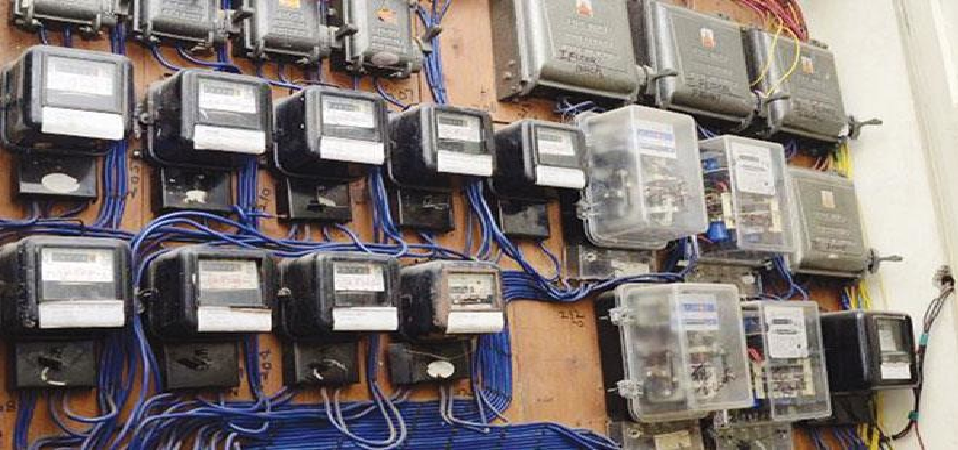
– All new electricity connections must be done strictly on the basis of metering before connection. In other words,no new customer should be connected by a Distribution Company DISCO without first installing a meter on the premises.

– All customers/consumers have a right to electricity supply in a safe & reliable manner.

– All power consumers have a right to a properly installed and functional meter.

– All power consumers have a right to be properly informed & educated on the electricity service.

– All power consumers have a right to transparent power billing.

– All unmetered customers have a right to be issued with electricity bills strictly based on the NERC estimated billing methodology.

– It is the right of a customer to be notified in writing ahead of disconnection of electricity services by the DISCOs serving the customer in line with the NERC Guidelines.

– All customers have a right to refunds when billed excessively.

– All customers have rights to file complaints & to the prompt investigation of such complaints.

– If a complaint is not addressed satisfactorily or addressed at all, the customer has a right to escalate the complaint to the NERC forum office within the DISCOs coverage area.

– Any unmetered customer disputing an estimated bill has the right not to pay the disputed bill, but only the last undisputed bill.

– It is not the responsibility of a consumer or a community to buy, replace or repair electricity transformers, poles and related equipment used in the supply of electricity.

Consumer Obligations

Electricity service end-users and consumers have the following regulations according to NERC :-

– The obligation to pay for electricity used within a stipulated time frame.

– The obligation that metering & other electrical equipment within a customer’s premises belonging to the DISCO not to be tampered with or bypassed.

– The obligation to ensure cordiality of consumers towards electricity workers.

– The obligation to provide requirements for connection as stipulated by NERC and DISCOs.

– The obligation to ensure the vigilant protection of Electric installations.

What is the dispute resolution procedure for an aggrieved Electricity Consumer in Nigeria?

The procedure for filing a customer complaint is as follows :-

– An aggrieved customer should first make a complaint to the Customer Complaints Unit(CCU) of the Power Distribution Company DISCO servicing the area where the customer is based.

– If the customer is not satisfied with the handling of his complaint by the CCU of his DISCO, he should then make a further complaint to the NERC Consumer Forum(This is a form of Alternative Dispute Resolution/ADR).

– Where either party is not satisfied with the decision or handling of the matter by the NERC Consumer Forum, the next step is to then submit a petition prepared by a legal practitioner to NERC via its petition hearing quasi-judicial hearing panel.

This is without prejudice to the right of a consumer to file a customer complaint petition to the Federal Competition and Consumer Protection Commission (FCCPC).

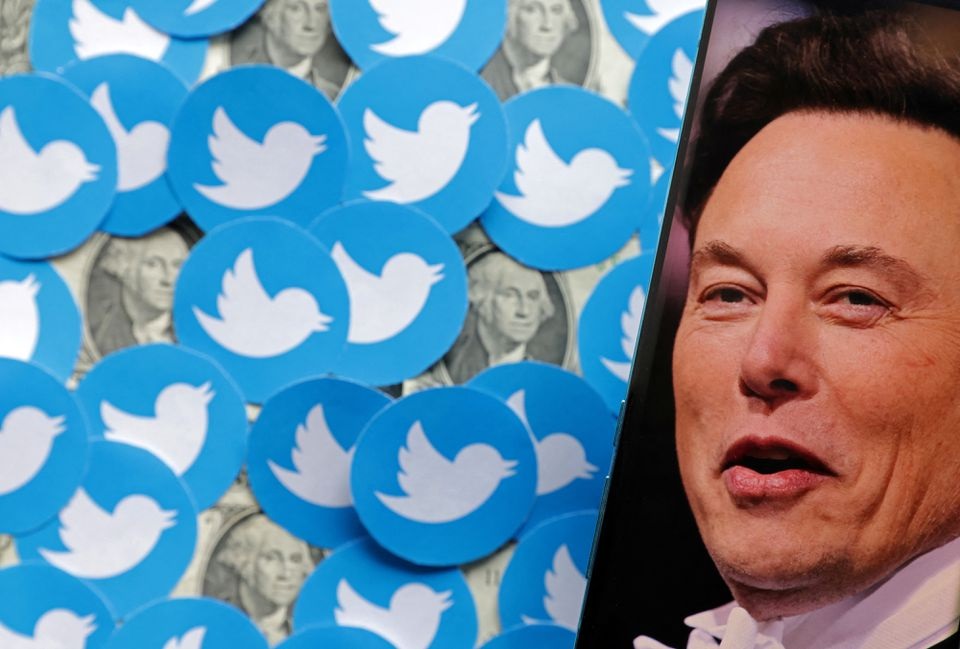
Why I Acquired Twitter – Elon Musk

0

Elon Musk has closed his much-anticipated Twitter acquisition deal, becoming the new owner of the micro-blogging social media platform.

The journey, which started in April, was laced with controversy and triggered a lot of questions about Musk’s motive in buying the app. At the center of the controversy is the actual number of users on the platform – buoying the belief that it’s all about profit.

Musk himself contributed to the belief. He had said that if the platform is made up of fake accounts, it would impact its market value, undermining profit for investors. But in a note on Thursday, he disclosed his purpose of buying Twitter, and it aligns with what he said from the onset through SEC filing – to promote free speech – healthy conversations free from censorship.

Why I bought Twitter

“I wanted to reach out personally to share my motivation in acquiring Twitter. There has been much speculation about why I bought Twitter and what I think about advertising. Most of it has been wrong.

“The reason I acquired Twitter is because it is important to the future of civilization to have a common digital town square, where a wide range of beliefs can be debated in a healthy manner, without resorting to violence. There is currently great danger that social media will splinter into far right wing and far left wing echo chambers that generate more hate and divide our society.

“In the relentless pursuit of clicks, much of traditional media has fueled and catered to those polarized extremes, as they believe that is what brings in the money, but, in doing so, the opportunity for dialogue is lost.

“That is why I bought Twitter. I didn’t do it because it would be easy. I didn’t do it to make more money. I did it to try to help humanity, whom I love. And I do so with humility, recognizing that failure in pursuing this goal, despite our best efforts, is a very real possibility.

“That said, Twitter obviously cannot become a free-for-all hellscape, where anything can be said with no consequences! In addition to adhering to the laws of the land, our platform must be warm and welcoming to all, where you can choose your desired experience according to your preferences, just as you can choose, for example, to see movies or play video games ranging from all ages to mature.

“I also very much believe that advertising, when done right, can delight, entertain and inform you; it can show you a service or product or medical treatment that you never knew existed, but is right for you. For this to be true, it is essential to show Twitter users advertising that is as relevant as possible to their needs. Low relevancy ads are spam, but highly relevant ads are actually content!

“Fundamentally, Twitter aspires to be the most respected advertising platform in the world that strengthens your brand and grows your enterprise. To everyone who has partnered with us, I thank you. Let us build something extraordinary together.

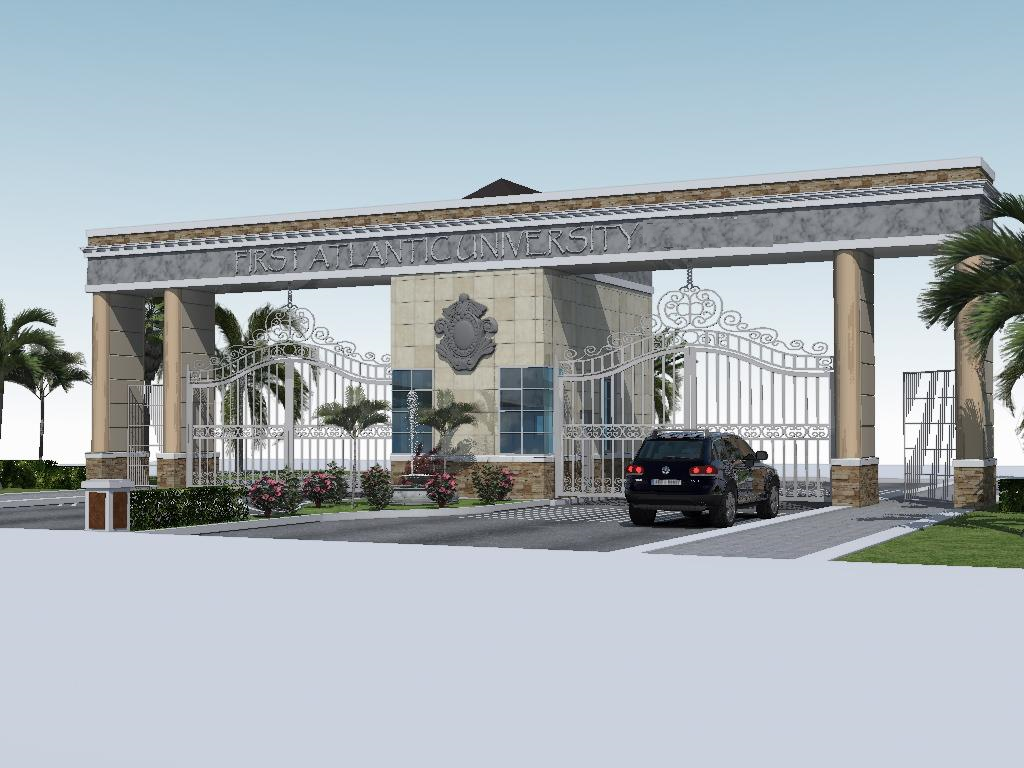
A Vision for a New University

1

Good People, we are planning Phase 2 of our school. And I want to reach out to our community as we begin the playbook. Between these two names, which one would you prefer to have on your certificate:

#1 Tekedia University
#2 First Atlantic University

In other words, what sounds great to reflect the nativity of a school that would become a temple for the mastery of Africa’s entrepreneurial capitalism, technical know-how, scientific excellence, etc under a vision: “to discover and make scholars noble, bright, and useful”.

The school will be dedicated to “All Americans”; I came here with “$400 cash and $2,000 Travelers Cheque” from Lagos, but their generosity has provided an unbounded future, beyond any imagination a village boy could have dreamt. Their ideology that your decency, honour and hardwork can take you anywhere irrespective of your background inspires me. Thank you.


Tekedia Institute will be an Institute in the university. Tekedia Capital will support as a fund manager helping to manage assets while remaining separate from the school. As the empires of the future emerge, our vision is that the university will own pieces of them. Yes, great startups of the future. The plan is on paper. We hope for His Grace to execute. It has always been a dream to build a university. May It Happen.

Zuckerberg’s Metaverse Dream, Deepening Meta’s Revenue Woes

0

Meta, Facebook’s parent company recorded yet another decline in revenue in its third-quarter earnings on Wednesday, compounding the revenue woes of the social media conglomerate that started early this year.

Meta’s third-quarter earnings were reported at $1.64 per share, less than the expected $1.89, according to Refinitiv. Its revenue for the quarter came in at $27.71 billion, compared with a $27.38 billion target, as sales dropped by 4%.

Shares in Meta were 20% lower at $103.79 at last check in premarket trading, indicating a huge drop of about $67bn in the company’s market value. Besides the effect of Apple’s iOS privacy policy update, the downward trend of the company’s market capitalization has been largely tied to the CEO, Mark Zuckerberg’s metaverse adventure.

“META (-24% to $99 pre-mkt) has now lost $600B in market cap in 2022,” investment adviser Gary Black said. “Once the 5th largest U.S. company by market cap, Zuck’s refusal to listen to reality and instead spend billions on Metaverse instead of Instagram, Facebook, and WhatsApp crown jewels is a case study in hubris.”

Earlier this year, Zuckerberg announced his plan to shift focus on metaverse as Facebook, Meta’s major social media platform, took revenue hit from the massive drop in ads revenue, owing to Apple’s iOS privacy policy that provided iPhone users with the choice to stop ad-tracking. The CEO is said to have pumped $15 billion into the metaverse project, which has yielded no gain yet and doesn’t hold the promise.

“The roll out and take up of the group’s virtual reality products leaves a lot to be desired, despite the seemingly never-ending upwards spiral of the research and development budget,” Hargreaves Lansdown’s lead equity analyst Sophie Lund-Yates said.

Although Facebook has Apple to blame for the major part of its revenue crisis, Zuckerberg had been expected to focus on beating the challenge – creating revenue streams from other platforms. His big bet on metaverse, amid growing dominance of TikTok, has been widely considered a wild-goose-chase.

Meta’s metaverse-focused Reality Labs division reported an operating loss of $3.7 billion, recording a 49% revenue fall from the previous year to $285 million. The continuous loss has inspired a chorus of criticism from analysts. Douglas A. BOOneparth, President Bone Fide Wealth, said “maybe Meta investing $10 billion in a fake reality was a bad idea.”

Meta has lost its place in the league of top 5 most valuable companies in the US, falling from above $1 trillion in market capitalization to about $290 billion. Going by the current trend, the social media giant is also on the brink of losing its place in the ranks of the 20 largest US companies.

But Zuckerberg has been adamant – choosing to pump more money into the loss-making idea. Meta said it would be spending between $96 billion to $101 billion in its forecast of expense guidance for 2023, a 15% increase to the company’s 2022 budget.

The unpalatable story is likely going to stir a revolt from the company’s shareholders soon. In an open letter to Zuckerberg, which is believed to represent the sentiment of Meta’s investors, Altimeter Capital chair and CEO Brad Gerstner, whose investment firm owns 2.5 million shares of Meta, said the company has lost its focus – offering suggestion on how it could get its “mojo back.”

“Meta has drifted into the land of excess—too many people, too many ideas, too little urgency. This lack of focus and fitness is obscured when growth is easy but deadly when growth slows and technology changes,” Gerstner wrote.

“The conventional wisdom—press and investor—is that the core business hit a wall last fall. As a result, the team hastily pivoted the company toward the metaverse—including a surprise re-naming of the company to Meta. Worse, this skepticism seemed to be affirmed with a nearly-immediate and sizable miss in financial results and continued under-performance throughout 2022,” he added.

Gerstner took a swipe at Zuckerberg’s obsession with the metaverse. He said the idea has caused the company to lose the confidence of investors.

“People are confused by what the metaverse even means,” he said. “If the company were investing $1–2B per year into this project, then that confusion might not even be a problem.”

“An estimated $100B+ investment in an unknown future is super-sized and terrifying, even by Silicon Valley standards,” he wrote.