DD
MM
YYYY

PAGES

DD
MM
YYYY

spot_img

PAGES

Home Blog Page 4953

Developing your enduring presence in BoT (Blockchain of Things)

0

PICK A TOOL FOR A JOB, NOT A JOB FOR A TOOL

I had been thinking about another post I needed to make on the topic of Web 3 domains, how I had been serially examining that sector and the sources of Web 3 domains, and how I had consistently been finding ‘Unstoppable Domains’ as the leading vendor…

Following some months, UD got a Series A injection from Pantera Capital, which put the total value at close to a billion USD.

When I started writing about it… everyone was like ‘What’s a Web 3 domain?’… that was around November last year, and roll on 9 months we have a $1 billion Category King.

But as always, I start with a simple idea that should take ten minutes of my time to write, and I discover other things relevant which add on… I end with Tekedia piece resembling a Masters Thesis. 20+ minutes reads are too long for some people.

Such it was when I discovered Victor Akujuo‘s post about ‘2022 being a brutal year for the crypto market’. So I am resisting the temptation to make it a section in the imminent  ‘Unstoppable Domains’ Pantera Capital Series A piece, and, instead,  just share my ideas topical to the great piece by Victor separately,

Cryptocurrency was birthed to give an alternative to FIAT as a ‘value instrument’ with which to trade. To this day, many in the US celebrate May 22 as ‘Bitcoin Pizza Day’, to commemorate in May 22 2010,  Laszlo Hanyecz from Florida spent 10,000 BTC on two pizzas. It was never intended as an investment vehicle.

Digital Art creations were birthed to be a collectible and attract a collectors following. Collectible items are of subjective value, as their aesthetics is in the eye of the collector, and whoever else chooses to agree with them. People have built collections of all sorts of things, and some of us share this urge with some far less intelligent forms of life. The Satin Bowerbird ‘makes structures out of sticks…furnish it with shiny objects, like gumwrappers, plastic straws ,pens…’ (learningbirdwatching.com), but there is no evidence that this collecting behaviour is helpful to wildlife’s survival, and sometimes can be a hindrance. As a species, we have kept collections of postage stamps, coins, beer mats, bottle tops, and celebrity memorabilia. One of the strangest I have found online is a ‘Navel Fluff Collection’ by one Graham Barker (25 Strangest Collections on the Web).
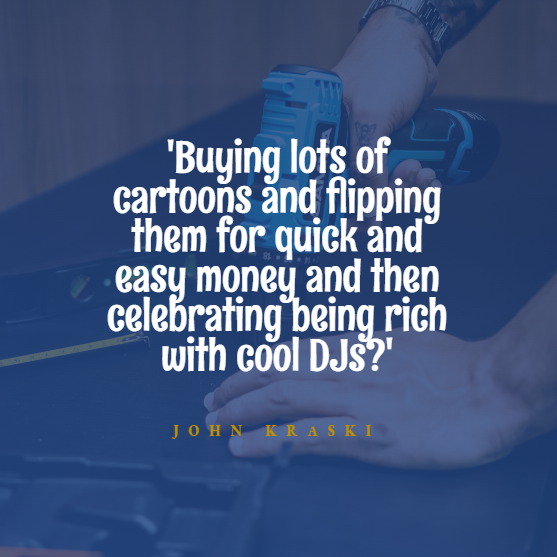
John Kraski (humorous context) on LinkedIn

The value of collectibles vary with the times. For example, as the notoriety of a celebrity fades, so will memorabilia associated with him or her. Again, the primary force behind collecting isn’t as a good investment to profit from in the future.

Web 3, aka decentralized or blockchain domains, were intended as a universal identity in Web 3, to develop a Web 3 website, anchor a Web 3 ecosystem, and be a proxy for long alphanumeric blockchain IDs hard to remember and easy to make a transcription mistake. (Similar to how Web 2 domains replace an IP identity in Web 2 through DNS)

Now, even though most people can’t even cite a Web 3 address where they visited or interacted with virtual content, we already have people ‘domain flipping’ Web 3 domains (buying them up through either Web3 domain vendors or the blockchain system, and offering them for sale at an increased cost). Web 1/2 websites and the domain names that represent them (through DNS), were already very much a thing when domain flipping started in the legacy domain market.

However if anybody is hell bent in getting into domain flipping, I have included an interesting article on common mistakes. It has been written initially for Web1/2 domains but the principles apply to Web 3 as well. Web 1/2 started around 1995, and with Web 3 fairly new, catchy short domains will still be much easier to find.

Would advise strongly against ‘domain squatting’ (Buying up a domain related to a known company and then trying to sell to them (blackmail them into taking it at an an inflated price), or cyber squatting, buying a domain, or a slightly different domain (typo squatting) and carrying on dishonest activities pretending to be the genuine company online.  The  World Intellectual Property Organization made this illegal in 1999, though interpretation and implementation may differ depending on country.

Big corporation interest in Web 3 hasn’t heated up yet, and as well can see, Adidas still has several available Web 3 domain names unsecured, although the vendor in this case, Unstoppable Domains, has had the good sense to restrict them and tag them as ‘protected’, to avoid liability should they sell it to a customer.
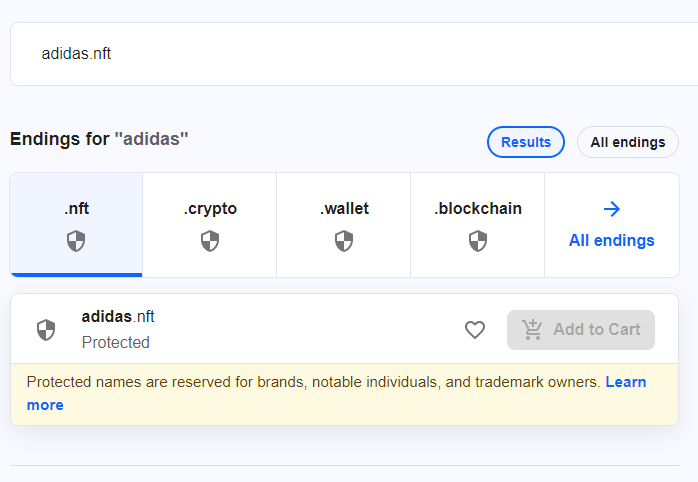
The Web 3 domains are all available, but Adidas isn’t biting.

Unstoppable Domains are the current market leader in Web 3 domains. The second biggest player is Handshake Domains, who operate through distributors of which Namecheap seems to have the strongest visibility. Unlike Web1/2, regulated by IANA/ICANN, anybody can come along at any time, start their own blockchain, (or partner with one) and create their own Web 3 domain service offering new TLDs (Third Level Domains). This has the potential to deflate the Web 3 domain reselling market in the same way as the explosion in AI generated artwork is in danger of impacting virtual art collectibles.

SUMMARY:

Look at what you want to do in the BoT (Blockchain of Things) space. Try to spend on only what can deliver you a function.

I buy MATIC, the native crypto on Polygon chain, because I have functional things going on with that chain, and if I have to get smart contracts, or dApps or some other services, I will have to pay for them in MATIC. I don’t hold much, but equally, as it is a chain that more and more things are being built on, and my UD domain is there… activity is ramping up, so its value isn’t going to crash. DeSo is worth looking at as well. (Credit Albert Baldwin)

You can also buy cryptocurrency just to pay for other things, if using FIAT is less practical for you for some reason. Best to not buy more than you need to transact.

Stay clear of Collectibles unless you can appreciate them aesthetically, and you can afford the money.

If you have reached a level of financial independence that allows you to be indulgent, then by all means build your own collection of Virtual Collectibles if they make you ‘feel good’. But bear in mind this requires a mentality that dismisses the investment cost as ‘past tense’, and moving forward, views them from the subjective value you place on them because of the ‘feelgood factor’ and not because they will make money if you sell them. Don’t spend your children’s future school fees on them, thinking there will be money for them when they reach the age.

Avoid accumulating collections of Web 3 domains.

If you have been around for a while in related business, and you are familiar as a customer with the processes of using domain registration and hosting services, then you will be familiar with this. You think of what seems to be a great domain name, and you register it. This happens a few times a year, renewal costs mount up. You never seem to be able to get purpose clarified, and then content consistent with purpose, at the same pace as the accumulation of domain names.
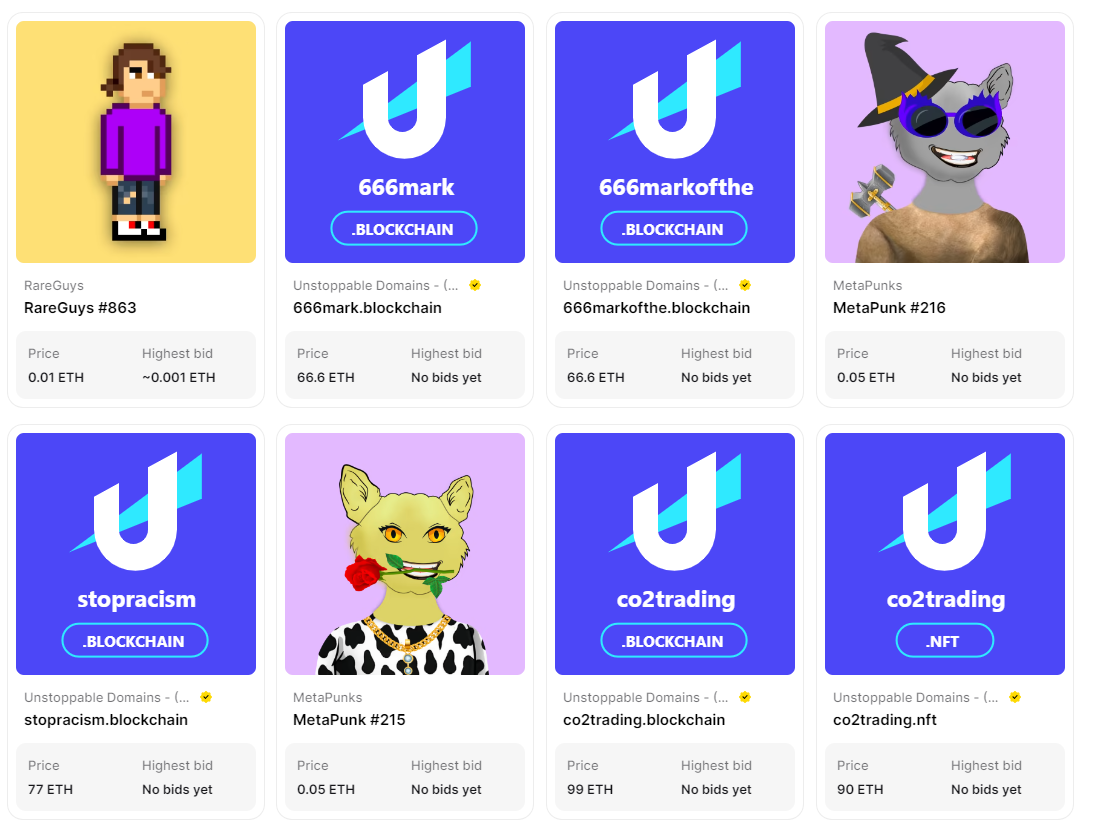
Illustration shows Web 3 (aka blockchain) domains for sale on an NFT marketplace. They are outnumbering digital art. This was a few days after the UD-Pantera Series A

We are really in BoT and some way off Web 3 becoming a working reality. Accumulating ‘collections’ of Web 3 domain names is probably not a good idea. There is no point in having a lot of blockchain assets sitting down doing nothing. Again, it depends on level of Financial Independence. If someone can afford to be indulgent, there are worse things to spend money on than Web 3 domains. I would suggest 1-3 domains. One for business. One for personal identity, a third for some stand alone activity that is best kept separate from 1 and 2. But any number smaller than 3 works!

The bottom line is to pick the tool for the job, not the job for the tool!


All online references accessed 21-08-22:

en.wikipedia.org/wiki/World_Intellectual_Property_Organization

smartchoicedomains.com/2019/04/29/domain-flipping-3-common-mistakes-of-domain-flippers-and-how-to-avoid-them

unstoppabledomains.com

moneyhaat.com/technology/unstoppable-domains-which-offers-nft-domains-as-a-personal-identifier-across-web3-apps-raised-a-65m-series-a-led-by-pantera-capital-at-a-1b-valuation-mk-manoylov-the-block/

namecheap.com

deso.org

learnbirdwatching.com/birds-that-are-attracted-to-shiny-objects

moneycrashers.com/most-valuable-expensive-types-collectibles

linkedin.com/posts/john-mc-keown-nigeria-expert_beyond-crypto-fintech-and-defiis-africa-activity-6909476843259576320-2vqO?

neatorama.com/2008/05/14/neatoramas-guide-to-25-of-the-strangest-collections-on-the-web/

linkedin.com/in/johnkraski/

linkedin.com/in/victor-akujuo/

linkedin.com/in/albert-baldwin-83bb7aa/

Finance Law :- How to set up a Licensed Finance Company in Nigeria

1

One category of business which many people in Nigeria are still not clear about is the Financial of Finance Company, which is simply a type of company licensed to provide Financial services to individual consumers and Corporate entities.

This article will be dedicated to discussing the following topics of:-

– The Regulatory Framework governing Finance companies.

– The licensing requirements for Finance companies.

– A clear understanding of what Finance companies can and cannot do .

What is the Regulatory Framework governing Finance companies in Nigeria? 

Finance companies in Nigeria are licensed and governed by the Central Bank of Nigeria through the Banks and Other Financial Institutions Act (BOFIA) &  its CBN Guidelines For Finance Companies in Nigeria 2014(or “The Guidelines”). 

What are the stated permissible and non-permissible activities for Finance companies under the Guidelines? 

The following activities are deemed permissible for Finance companies under the guidelines :- 

– Consumer Loan services.. 

– Funds Management. 

– Asset Finance(Finance Lease & Hire purchase services).

 – Project Finance services. 

– Local & International Trade Finance services. 

– Debt factoring, securitization & administration. 

– Loan Syndication. 

– Warehouse receipt finance, coupons , cards and covered bonds. 

– Financial Consultancy services and Token stamps 

The following activities are however deemed non-permissible for Finance companies:- 

– The taking of Monetary Deposits. 

– Stock-Broking activities. 

– Forex transactions. 

– Trading, Construction & Project management activities. 

It should be noted that companies engaging strictly in operating lease services are not governed by the Central Bank of Nigeria. Also, Finance companies are specifically required under the Guidelines to operate on a stand alone basis. 

What is the procedure for acquiring a Finance Company license in Nigeria? 

The process of acquiring a Finance Company license in Nigeria is commence by :- 

The Approval-In-Principle Stage 

– Submitting a written application prepared by your lawyer to the Central Bank of Nigeria accompanied by the following- 

a). a non-refundable application fee of 100 Thousand Naira; 

b). a deposit of the minimum capital requirement of 100 million Naira(refundable upon the grant of the Final license)with the Central Bank of Nigeria by the shareholders of the proposed Finance Company; 

c). documentary evidence of the payment of 100 Million Naira(refundable?) by the shareholders; 

d). a detailed Feasibility study/business plan of the proposed Finance Company(please consult your lawyer further on the required components of a business plan for this particular purpose); 

e). a copy of the draft MEMART (Memorandum &Articles of Association) of the proposed Finance company; 

f). a copy of a letter of intent to subscribe to the company share structure signed by each subscriber; 

g). a copy of the list of proposed shareholders in tabular form showing their busineses, residential addresses and the names/addresses of their bankers; 

h). a signed and dated Curriculum Vitae (CV) of each of the proposed directors of the proposed Finance company; 

i). a copy of the draft manual of operations such as the Enterprise Management Framework & Credit policy; 

Upon the submission, vetting and due consideration of the above, the CBN can then issue an Approval-In-Principle(AIP) after which the company can be incorporated at the Corporate Affairs Commission (CAC). 

The Final License Stage 

Upon incorporation/registration of the Finance Company at the Corporate Affairs Commission and before the commencement of business, the Finance company is required to submit the following requirements to the Central Bank of Nigeria :- 

– a Certified True Copy of the certificate of incorporation and other CAC forms of the Finance company; 

– a copy of the shareholder’s register in which the equity interest of each shareholder is properly reflected along with a copy of the share certificate issued to each shareholder; 

– a copy of the opening statement of affairs audited by an approved form of accountants practicing in Nigeria; 

– a letter of undertaking to comply with all the rules and regulations within the framework governing the operation of Finance companies; 

– a copy of the letters of offer & acceptance of employment by each management staff of the company and a written affirmation that the CBN-approved management team has been set up; 

– evidence of registration with the Nigerian Finance company association; 

– evidence of payment of a licensing fee of 250 thousand Naira; 

The receipt and vetting of the above will be followed by a physical inspection by the CBN of the premises of the Finance company and a final license grant upon the satisfaction of the CBN that all Regulatory requirements have been satisfied. 

Are Finance company licenses renewable? 

Yes , they are annually renewable. 

Conclusion :-  It is hoped that a basic clearer understanding of the Regulatory Framework governing the licensing and operation requirements for Finance companies in Nigeria has been achieved by this write-up, however it is imperative to seek further guidance from trained professionals if you are looking to set up and operate this type of business.

Nigeria Sets June 2023 for Total Removal of Fuel Subsidy

1
Nigeria leaders

The federal government of Nigeria has fixed a new date to end the controversial fuel subsidy, after it failed in its past attempts.

The new date was disclosed on Thursday by the Minister of Finance, Budget and National Planning, Zainab Ahmed, who appeared before the House of Representatives’ Ad Hoc Committee investigating the Petroleum Products Subsidy Regime from 2013 to 2022.

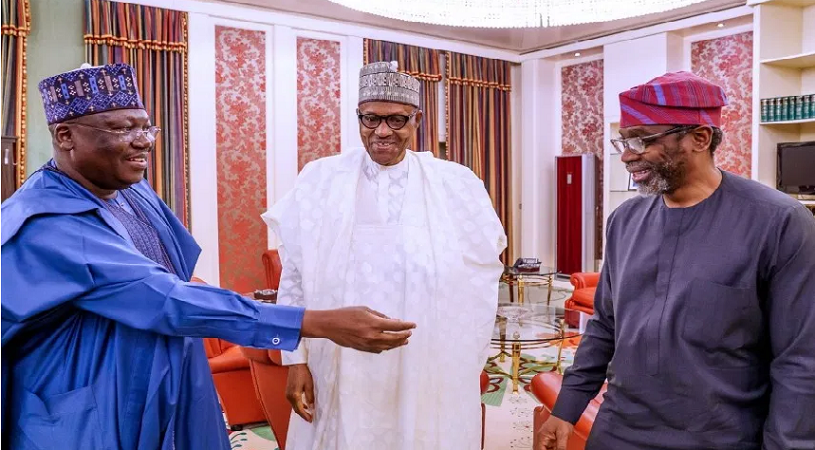
The Minister said according to the new plan, which is contained in the 2023-2025 Medium Term Expenditure Framework and Fiscal Strategy Paper, the subsidy removal will be implemented by the first half of 2023. Ahmed said the MTEF/FSP, which was approved by the National Economic Council and the Federal Executive Council, respectively, has been transmitted to the President of the Senate, Ahmad Lawan, and Speaker of the House of Representatives, Femi Gbajabiamila.

She said in a statement that not ending the subsidy means that the federal government will have to borrow more than N6 trillion to offset the budget deficit that will result from it.

“One thing that stands out in the Medium Term Expenditure Framework was that if the nation holds on to fuel subsidy as it is designed now, we will be incurring from January to December, a subsidy cost of N6.4tn. But we suggested to the Federal Executive Council, and the council approved that, maybe, we could look at the option of exiting the subsidy (regime) half year. So, if we did that, then the cost would be N3.35tn, which is half of the N6.7tn.

“The Federal Executive Council approved the second option. That is the option that was conveyed by His Excellency, the President, to the National Assembly. But Let me also say that even though this is a reduced option, it would mean that we are borrowing more than we would have borrowed if we did not have fuel subsidies.  In 2022 we are carrying the cost of subsidy throughout the whole year.

“Recall that the initial MTEF and approval by the parliament was for us to exit the subsidy by June of this year. But during the course of the year, making assessment of the difficult fiscal challenges in the economy and the hardship that our citizens are bearing due to high inflation and other challenges, we were asked to re-submit our plans and review them to include provision for fuel subsidy throughout the year 2022. That was how we came back to parliament with an incremental expense from N443bn which we had planned to up to N4tn subsidy expense in 2022,” she said.

Ahmed further stated that the subsidy payment is consuming a huge amount of funds that could have been channeled to other vital sectors of the economy.

“This situation is not desirable and it is not sustainable. It is putting the country in a very serious, dire financial situation and we do hope that we will be able to exit this subsidy regime in the shortest possible time.

“The N3.35tn in the approved MTEF that is now before the National Assembly for consideration could have been funds that would apply to other vital sectors of the economy such as health, education and social protection. So, we are carrying a burden and we must sit back as citizens and really assess whether it is beneficial for us to continue to do so,” she said.

However, the Minister did not say how the government plans to ameliorate the economic hardship that will emanate from the subsidy removal, which has been the major reason for conflict between labor unions and the federal government.

Nigeria is paying a subsidy on petroleum products because it does not have a functioning refinery, and has been importing refined products at international rates. Removing the subsidy while there is no refinery means that the Nigerian people, who are largely living beyond the poverty line, will have to buy petroleum products at unaffordable rates.

In addition, Nigerian businesses rely on power generators to function due to the country’s epileptic electricity supply. There is concern that removing the subsidy whilst the nation is still grappling with unstable electricity supply will compound Nigeria’s economic situation as it will shoot the cost of living further up.

However, experts have raised concern about the timeline for the subsidy removal. The removal is slated to take effect by June 2023, a month after President Muhammadu Buhari has left office.

Tech African Woman (TAW) Provides Support To Women-Owned African Tech Startups

0

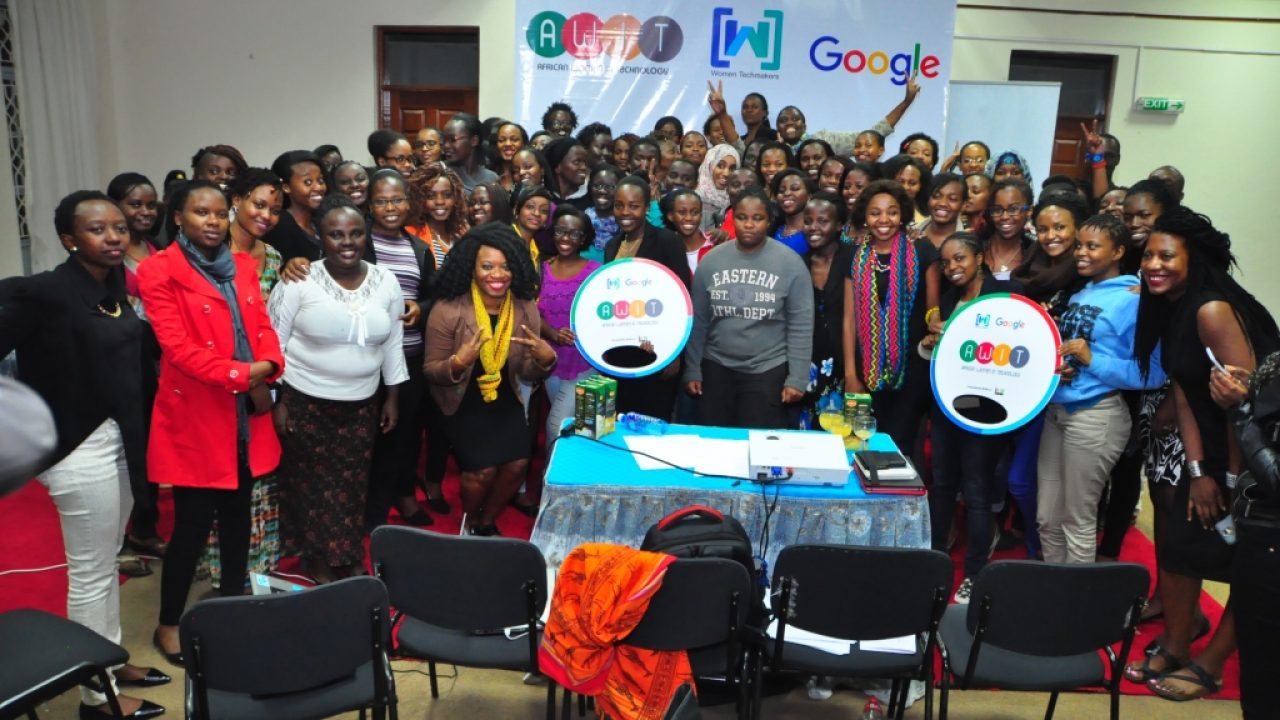
There is no disputing the fact funding of women-led startups in Africa is extremely low when compared to that of men-led startups. In 2021, the share of investments invested in female-owned startups stood at about 6.5%, which means that just $1 in every $15 raised in the African startup ecosystem went to women-owned tech startups.

In a bid to close this wide gap between male-owned and female-owned tech startups in Africa, Ethiopia-based tech African women (TAW), recently launched a program that seeks to take startups from the idea stage to operational.

The program, which is spearheaded by the United Nations Economic Commission for Africa (ECA), in partnership with Betacube, has invited all idea stage women-owned startups from Ethiopia, Tunisia, Senegal, and Tanzania to submit their applications to join.

The program’s main objective is to empower Tech startup female founders to leverage their skills in order for them to build strong tech startups, accelerate project ideas into validated business models, and develop alliances between different African ecosystems.

The program will offer entrants access to a pool of tech developers and designers who will work to support and mentor their teams, as well as experts in marketing and finance. The program will last for a period of five (5) months, which runs from August to December, and will include training boot camps and pitching competitions, coupled with a two-month online incubation program for the best two startups from each country.

In Africa, Kenyan women tech startup founders have been reported to attract the most funding on the continent. After a careful observation as to why women-owned startups receive less funding, experts disclose that most of the female-owned startups in Africa are concentrated in non-contact sectors, as they are usually inclined towards sectors such as Health tech and edtech which has been attributed to be one of the major reasons why they do not attracting high funding.

Also, there are underlying biases and beliefs that women-driven ventures represent a riskier bet, and few women incubation programs were among other factors that make it difficult for female founders to attract investments.

Few experts disclosed that female-led startups are also less likely to be pitched for equity financing due to low confidence in their ability to pitch to investors on the growth prospects of their ventures. Instead, most of them have been reported to follow different financing paths, with a preference for bank loans retained earnings.

Although male-owned tech startups continue to receive the most funding in Africa, women founders have been disclosed to perform better, as technology firms led by women experienced a 35% higher return on investment than those led by men.

Experts disclose that investors and other venture capitalists who hold strong biases against female-owned startups, lose out by not providing financial support for women-led startups.

However, It is interesting to note that against the backdrop of a funding boom for African startups, women-led startups have witnessed a dramatic increase in investment and financing in 2022. Investments made into African female-led startups have reportedly grown nearly seven-fold over the last three years.

The August Meeting, Igbo Women Leadership And Igbos’ Centuries-Old Democracy

0

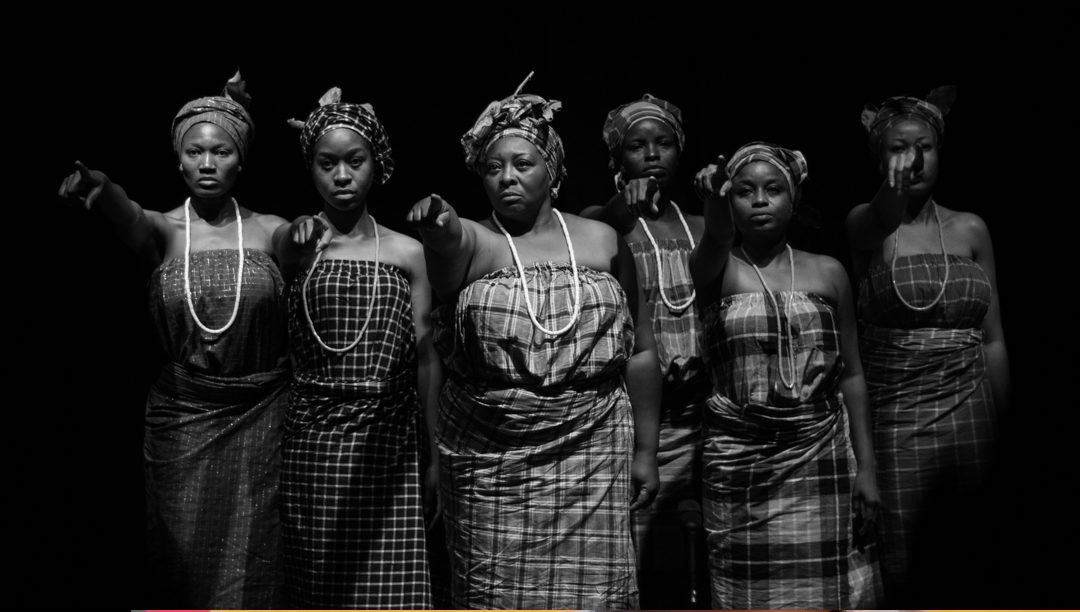
August meeting is an annual congress held by the Igbo women in August. It is a massive homecoming whereby Igbo women in the diaspora and the cities travel back to their matrimonial villages to meet with their local counterparts to discuss matters about community development, conflict management, human development, and other socio-economic and cultural initiatives. The meeting is a three-day ritual, and it is divided into three parts, the first is held at the village level, the second within the community, and the third is held in churches where thanksgivings are held to mark the end of the meeting” – Wikipedia

Growing up in an Igbo home, one of the things we looked forward to was village meetings, which parents had to attend at least once a month. It afforded us relaxing Sundays free of our bickering parents. With time, we noticed that the women’s wing of the meeting was a lot more serious than the menfolk — they had uniforms which were diligently followed, fines for latecomers and absentees, and most important to us, post-meeting debates that usually kept my mother busy on the phone. But all these monthly meetings could not compare to the August meeting which held once a year. It was a time when select members of the branches abroad travelled home to make decisions with the women in the village on issues concerning the growth of the women’s community. (Source: from the Guardian)

Igbos have practiced democracy for centuries. I can say that because kingships and thrones are rarely inherited. In Ovim, Abia State, the Eze (the king) is not inherited and that means it can move to any family, based on the decisions of the elders and councils.

Igbos empowered women well before the Western world picked the memo. Nneka – “mother is supreme”- is more than a word in the Igbo Nation. In Ovim, the Ojengwa women are like police officers in enforcing the ordinance of the local community. They can excommunicate and punish by seizing and confiscating assets as punishment. 

Umu-ada [daughters, usually married, of a clan] have enormous influence in their fatherlands. When they visit, everyone takes notice. That Uwu-ada was captured well when Chinua Achebe  in Things Fall Fall, wrote: “The following day, Uchendu gathers together his entire family, including Okonkwo. He points out that one of the most common names they give is Nneka, meaning “Mother is Supreme”—a man belongs to his fatherland and stays there when life is good, but he seeks refuge in his motherland when life is bitter and harsh.”

I can go on. The issue of gender equity built on the Western thesis is not the whole story. Most African cultures enthroned women even though men are usually more visible. In short, colonialism weakened the positions of women in Igbo Nation and other African societies as the Europeans exclusively recruited men who imposed many things through district officers. In the Aba Women riots of the late 1920s, women pushed back to the British because the new tax was affecting them more, atypical of the local ordinance.. Yes, unlike in the old culture, they were not being consulted and carried along.

When a young boy arrives at his mother’s birthplace, he automatically assumes rights over most. If you check, as elders break kola nuts and drink palm wine, they first ask “do we have nwaada here?” If there happens to be nwaada, they will acknowledge him, and once after taking the palm wine, they will give him, over the sons of the soil. The idea is this: no matter what brought you to your mother’s birthplace, you are welcome! We will feed you before we eat. You are protected from any harm.

As mothers, wives, daughters, etc return to Igbo Nation for the August Meeting, I want to wish everyone safe journeys. Deliberate in peace and continue to improve your lands. IJE OMA.

Nneka – “Mother is Supreme”