DD
MM
YYYY

PAGES

DD
MM
YYYY

spot_img

PAGES

Home Blog Page 4978

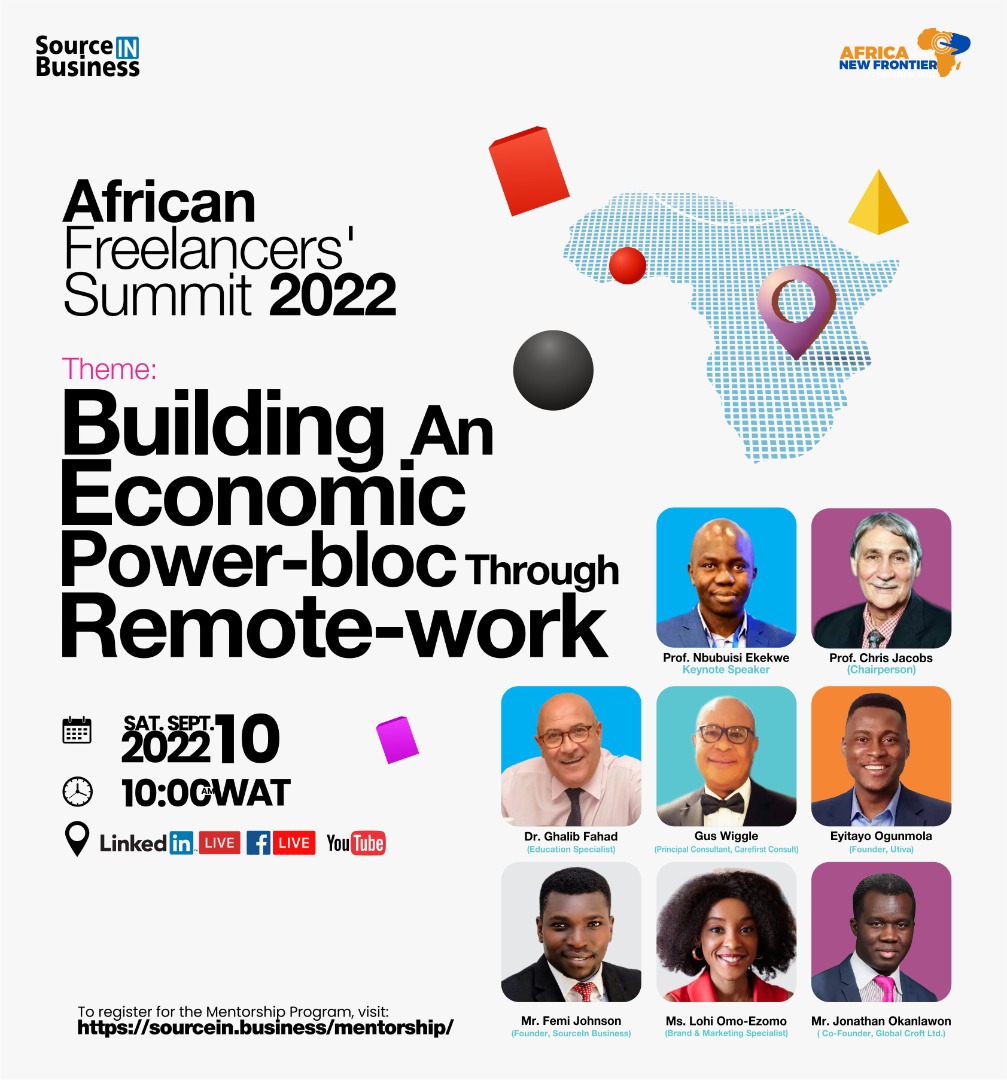
Ndubuisi Ekekwe To Keynote African Freelancers’ Summit 2022

0

In 1776, Adam Smith wrote his masterpiece – the Wealth of Nations. He followed up with other works, explaining productivity and the power of the “invisible hand”. Free market systems advance economies, by making products better, through healthy competitions. Indeed, the freedom of production and consumption, under market forces, accelerates innovation which improves societies.

Factors of production are the pillars upon which the market system operates. And in those factors, Labour remains extremely catalytic. The nature and the form of labour are evolving as a result of technology systems which continue to redesign the interdependent relationships that connect people, firms and nations.

In the industrial age economy, Labour was mainly in the meatspace (physical and atoms). Today, a new paradigm has emerged. Yes, Labour has added remote (digital and byte). Join me on Sept 10 2022 as I keynote African Freelancers’ Summit 2022.

You will understand the changes. Many young men and women are living in Lagos but they work in Estonia, America, Canada, etc daily.  As companies follow Adam Smith’s division of labour thesis, they are going remote, and Africa is positioned for that future. The LABOUR of the future would be unbounded and unconstrained by geography; plan for it. Two Saturdays ago, I keynoted 4 events on the same day, covering 3 continents. Is that not efficient? Adam Smith would have said “it is”.

H1 2022: Nigeria’s Banking Sector Leads, Attracts $1.47 Billion Foreign Inflows

1

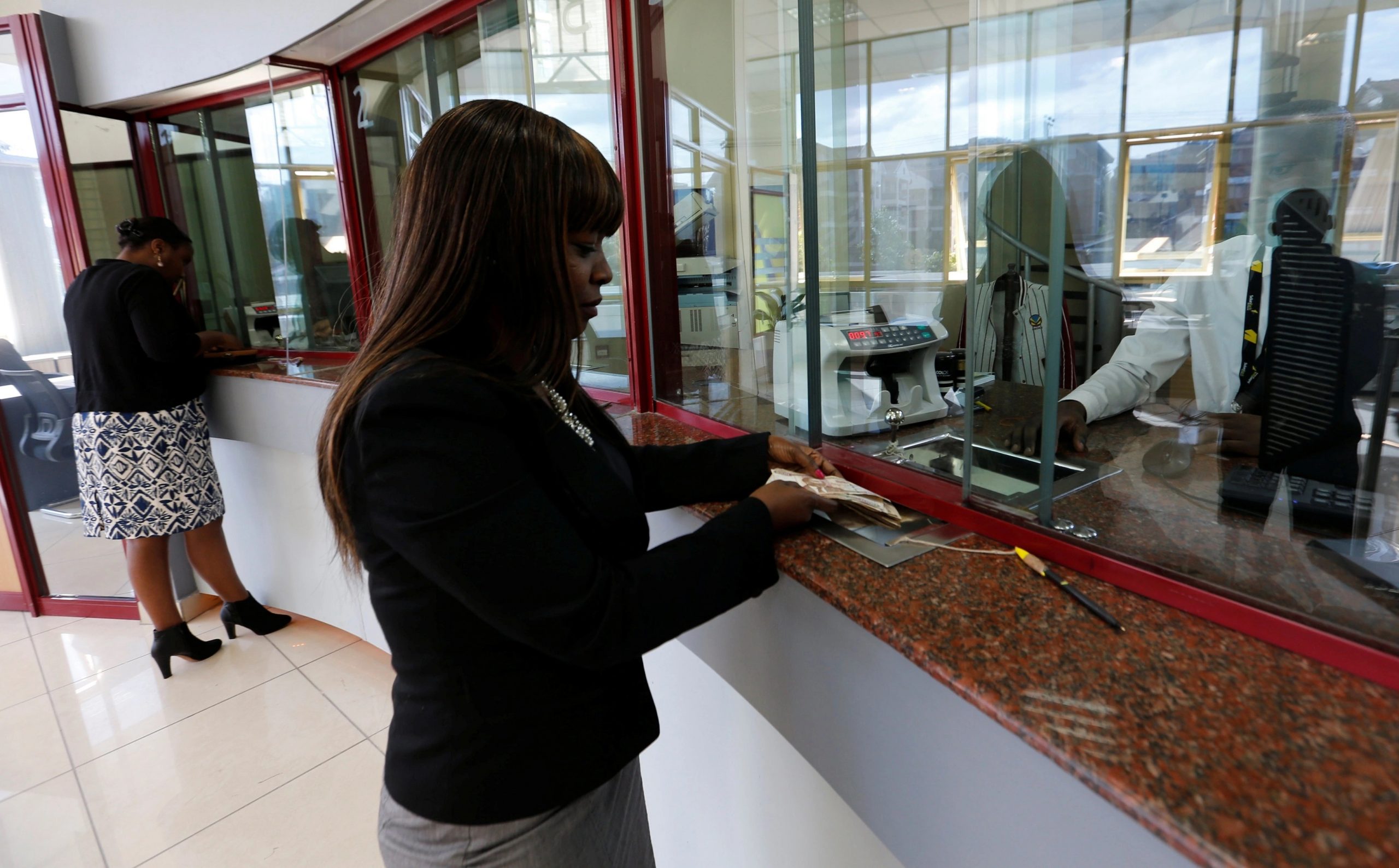
Even though the banking sector in Nigeria continues to be grappled with macroeconomic pressures, such as rising inflation, fluctuating naira-to-dollar exchanges rates, and the likes, the Central Bank Of Nigeria, (CBN) disclosed that the sector recorded the highest amount of foreign inflow compared to other sectors of the Nigerian economy.

The banking sector attracted $1.47 billion as capital inflows in the H1 of 2022, an increase of 109.8%, compared to $698.2 million received in the second half of 2021 and 46.5% higher than the $1 billion inflows recorded in the corresponding period of 2021.

The banking sector accounted for 47.1% of the inflows in the Nigerian economy, followed by the manufacturing and financing sectors accounting for $457.7 million and $396.7 million respectively.

The banking sector in Nigeria is said to have settled for some major shifts in its operations this year, as last year, the Central bank of Nigeria (CBN), disclosed that the total assets of the banking industry grew by 20.97% from N53.17 trillion in April 2021 to N64.32 trillion in April 2022, which indicates that there is an N11.115 trillion increase within one year.

The banking industry in Nigeria despite some constraints has continued to grow significantly in recent years, owing to the exceptional performances of traditional banks in the country.

Some top-tier banks on the Nigerian exchange, generated a sum of N77.01 billion from electronic business in the first quarter of 2022, growing the top line by 11.7% compared to N68.92 billion recorded in the corresponding period of the previous year.

Also, the Fintech sector has also been attributed to have helped improve the growth in the banking sector, with a large percentage of inflows coming through Fintech startups either from international venture capitalist firms or Angel investors.

A report disclosed that Fintech firms raised a sum of $658.4 million in funding in H1 2022 across 23 deals. Other financial services firms recorded total deals worth $345.3 million.

Meanwhile, a total sum of $3.11 billion in capital was imported into the Nigerian economy as foreign inflows, between January and June this year, most of which were in form of foreign portfolio investments.Comparing the total inflows from the first half of last year, it grew by 11.8% when compared to the second half of 2021, where it declined by 20.7%.

Recall that the COVID-19 pandemic shook the economies of nations, which affected the capital inflows in Nigeria in the second half of 2020, as investors became wary about investing their money in Nigeria’s economy.

Despite this setback, there was a notably strong resilience in the second half of 2021, as inflows began to pick up, although weren’t compared to the success of inflows during the pre-pandemic era. In the first half of 2022, most of the inflows that came into the country came as foreign portfolio investment (FPI) at $1.71 billion in H1 2022, accounting for 55.2% of the total inflows recorded in the review period.

A major factor that has been attributed to the decline in Nigeria’s foreign inflows is the inability of foreign investors to repatriate their earnings from the economy as a result of FX scarcity.

Nigeria top-tier banks, UBA redeemed its $500 million 5-year Eurobond in June 2022, while Zenith Bank completed the redemption of its $500 million Eurobond in the previous month. This indication of the creditworthiness from the Nigerian banking industry, brought about the confidence of foreign investors to be willing to invest in the sector.

Cryptocurrencies Transforming Corporate Payments

0

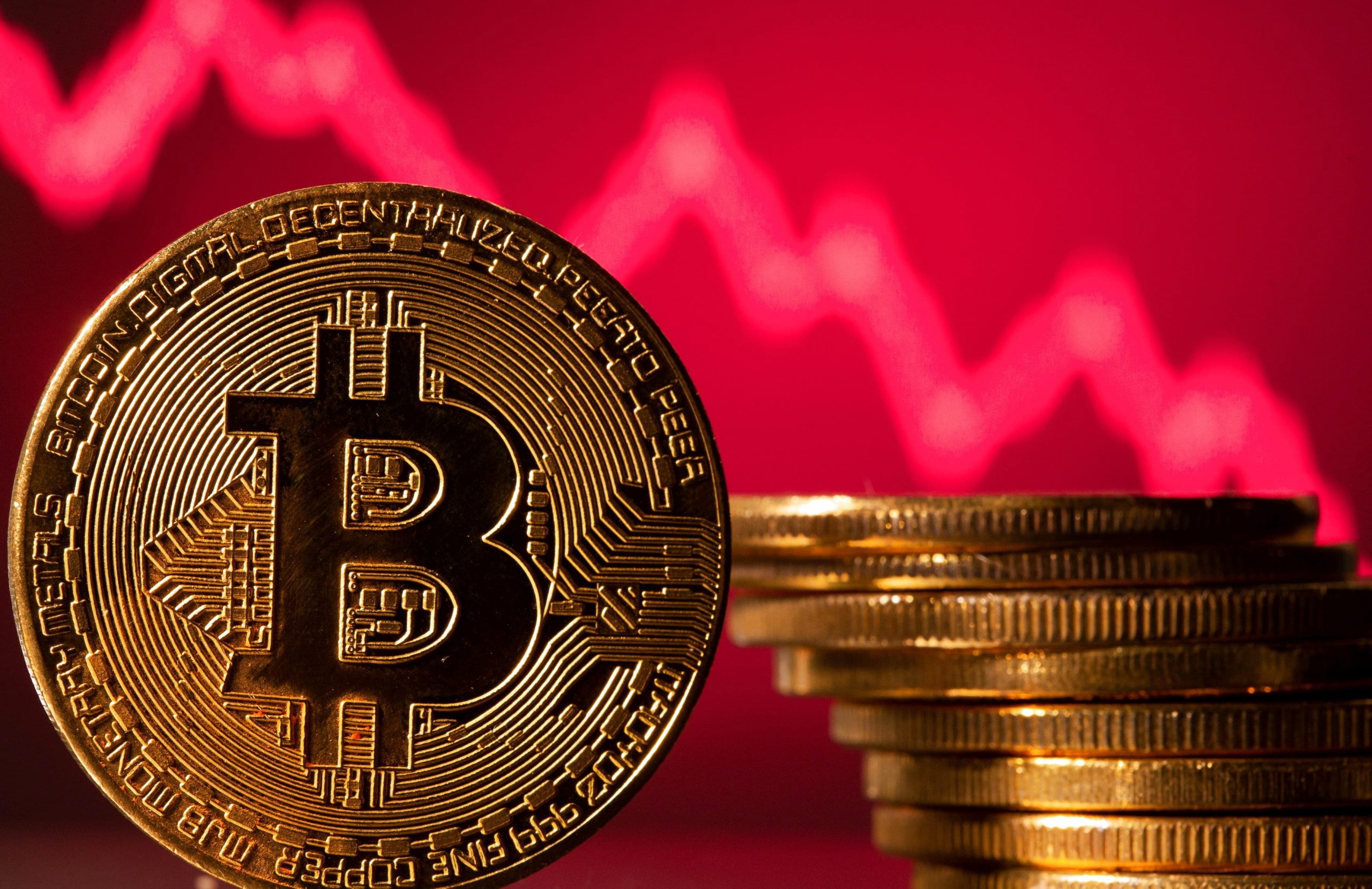
As the world is gradually drifting towards an increasingly cashless world, the corporate payments space is also transforming. More innovative ways to carry out transactions as well as payment for goods and services are beginning to emerge, and one of them is cryptocurrencies.

An increasing number of businesses and companies worldwide are beginning to accept digital assets as a means of payment, also for operational and investment purposes. More than 2,300 businesses in the U.S now accept Bitcoin as a means of payment.

Cryptocurrencies as with any frontier, there are unknown dangers, but also very strong incentives. Experts disclose that these changes in the corporate payments space were triggered by the covid-19 pandemic, as it accelerated payment trends that were already starting to develop.

Despite the volatility that is synonymous with the crypto space, this has not in any way deterred businesses and companies from accepting it as a means of payment. Co-Founder of Revenue for BVNK, London-based crypto-powered payments and banking platform for businesses, Chris Harmse, disclosed that cryptocurrencies are now becoming the basis for international payments.

He further revealed that using crypto rails and stablecoins for international payments, allows businesses to send funds instantly to anyone in the world, without needing chains of intermediaries to facilitate the transaction.

There have been predictions that an integrated and seamless transactional environment will be the future of industries. Most of these companies believe that an integrated and seamless mode of transactions, such as payments through cryptocurrencies will simplify payments and FX treasury management in one place.

Also, with the current high-inflation rate ravaging global economies, businesses are already considering various factors to protect their commercial gains, as the inflation has resulted in high volatility in currency exchange rates, which is taking a toll on the revenue of businesses.

Businesses that overlooked investing in cryptocurrencies as a hedge are predicted to be the most hit this period. While researching how cryptocurrencies are transforming corporate payments, I came across a Deloitte report that disclosed some rationales behind the adoption of cryptocurrencies by some companies.

Here Are Some Of The Rationales Behind Why Some Companies Are Currently Adopting Crypto As A Means Of Payment

  • •These companies disclosed that Crypto provides access to new demographic groups. Users represent a more cutting-edge clientele that values transparency in their transactions. A study reveals that up to 40% of customers who pay with Crypto are new customers of the company, and their purchase amounts are usually twice that of credit card users.
  • •More companies are finding that important clients and vendors want to engage by using crypto. Consequently, they disclosed that a business needs to be positioned to receive and disburse crypto to assure smooth exchanges with key stakeholders.
  • •Crypto furnishes certain options that are simply not available with Fiat currency. For example, programmable money can enable real-time and accurate revenue-shaping while enhancing transparency to facilitate back-office reconciliation.
  • •Introducing crypto may help spur internal awareness in the company about this new technology. It also may help position the company in this important emerging space for a future that could include central bank digital currencies.

It might interest you to know that Cryptocurrencies are gaining widespread adoption, as two of the biggest platforms for making payments worldwide, Visa and Mastercard have both publicly endorsed the use of Bitcoin.

With two big payment giants hopping on the train, there is no disputing the fact that the doors are now open for broader mainstream adoption of cryptocurrencies and practical use among business owners in the upcoming years.

Final Thoughts

Despite the volatility synonymous with the crypto space, experts reveal that it has a strong possibility of impacting the future of a business.

With the ability to instantly transfer coins anywhere globally, the change in demand and overall value of cryptocurrency could make it a popular means of payment in the business world and peer-to-peer.

Musk Sells 7.92m Shares Worth $6.88bn to Finance Potential Twitter Deal

0
elon musk
elon musk

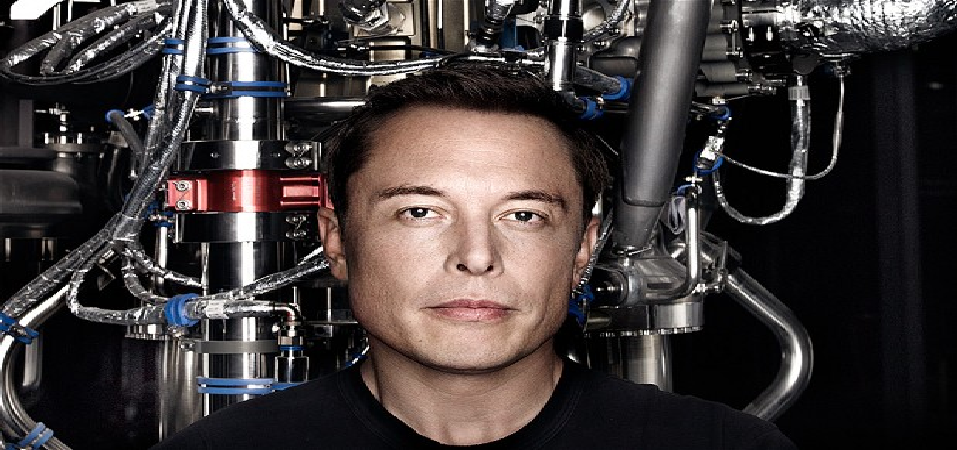
Elon Musk sold 7.92 million shares of Tesla worth around $6.88 billion between August 5 and 9, according to SEC filings, in a move believed to be geared towards funding his controversial Twitter deal.

The Tesla CEO has got himself entangled in a $44 billion Twitter acquisition deal that started in April. The deal became subject to litigation after Twitter sued Musk for attempting to back out of their purchase agreement over claims that a large section of Twitter is made up of bot accounts.

“Mr. Musk is terminating the Merger Agreement because Twitter is in material breach of multiple provisions of that Agreement, appears to have made false and misleading representations upon which Mr. Musk relied when entering into the Merger Agreement, and is likely to suffer a Company Material Adverse Effect,” Musk’s lawyers wrote in a letter to Twitter’s Chief Legal Officer Vijaya Gadde.

Twitter Chief Executive Parag Agrawal made some tweets in response to Musk’s criticisms, explaining that internal estimates of spam accounts on the social media platform for the last four quarters were “well under 5%.” The social media platform had provided Musk with “firehose”, a repository of raw data on hundreds of millions of daily tweets.

Musk was not satisfied with the answer provided by Twitter. But under the merger agreement, Musk must pay a $1 billion breakup fee, if he decides to back out of the deal, even though he claimed that Twitter’s unwillingness to provide him with the data gives him the right to walk away from the deal without having to pay the penalty.

Earlier this year, Musk said on social media that he had “no further TSLA sales planned” after April 28. The $6.88 billion shares sale suggests that the Twitter deal is likely to go through as Musk has seen that there is a high chance that the court will rule in Twitter’s favor.

Musk on Tuesday, after the latest stock sales were revealed, told Tesla fans and promoters who asked if he was done selling shares in the electric vehicle business, and if he might buy shares back in the future, yes.

“Yes. In the (hopefully unlikely) event that Twitter forces this deal to close and some equity partners don’t come through, it is important to avoid an emergency sale of Tesla stock.”

He said he would buy back the shares if the Twitter deal fails but did not specify which equity partners may likely back out of the plan to finance the deal.

As part of his efforts to rack up funding for the deal, Musk had in early May, listed up equity financing from 19 different partners including Saudi Arabia’s Prince Alwaleed Bin Talal Bin Abdulaziz Alsaud, Qatari Holding, venture firms Sequoia, DFJ growth fund, Vy Capital, and the cryptocurrency exchange Binance.

It is too early to know if the court will rule in favor of Twitter. However, Musk is preparing for a potential loss. He said if the Twitter deal doesn’t happen, he will consider creating his own social platform, X.com.

Honouring A Village Boy In Lagos and Nigeria

0

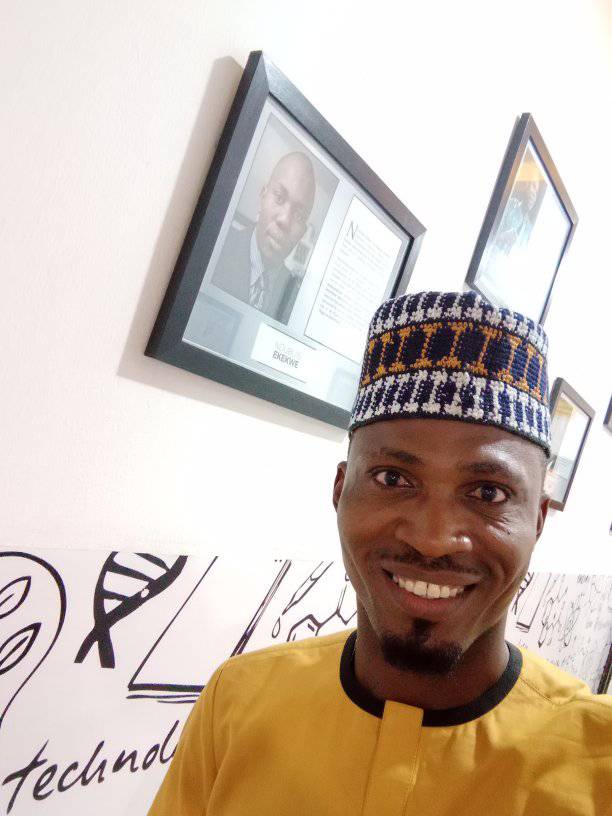
In company boardrooms; in government buildings; in universities and colleges; you like to showcase my photos and portraits. I want to thank everyone for honouring a village boy in this way. Thank you. And thank you, the Ministry of Science and Technology, Lagos State.

Note: if possible, take a photo and share with me whenever you see any of the portraits. To the startup founders, who put my portraits on their desks, let me un-scientifically assure you that you will hit a unicorn! Lol.