DD
MM
YYYY

PAGES

DD
MM
YYYY

spot_img

PAGES

Home Blog Page 5

Global Crypto Exchange BitMart to Shut Down Operations Following Strategic Business Review

0

Global integrated trading platform BitMart has announced it will gradually wind down its operations, marking the end of its services after years of serving cryptocurrency users across multiple countries and regions.

The company said the decision followed a careful evaluation of its operating conditions, the broader market environment, and its long-term strategic direction.

Describing the move as a difficult one, BitMart expressed gratitude to its global community of users, partners, and employees for their trust and support throughout its operations.

Announcing the shutdown, the company wrote,

“After a careful evaluation of the Company’s operating conditions, market environment, and future strategic direction, BitMart has made the difficult decision to commence an orderly wind-down of its trading platform operations. We deeply regret having to make this decision.

“Since its establishment, BitMart has been privileged to serve users from countries and regions around the world. We sincerely thank every user, partner, and team member for your trust and support over the years.”

To ensure an orderly and transparent shutdown, BitMart has outlined a phased timeline for the discontinuation of its products and services.

Beginning July 26, 2026, the exchange will gradually stop accepting new user registrations and suspend both cryptocurrency and fiat deposit services. The company warned users not to send assets to their BitMart accounts after deposits are disabled, as such deposits may not be automatically credited.

From the same date and time, BitMart will also begin restricting trading activities. Futures accounts will be placed in Reduce-Only mode, preventing users from opening new positions, while spot trading will no longer accept new orders.

Automated services, including Copy Trading, Grid Trading, and API Trading, will also be phased out. Any outstanding orders must either be cancelled by users or will be automatically cancelled by the platform.

Also, the exchange plans to discontinue all spot, futures, and other trading services on August 26, 2026. It noted that any futures positions that remain open after the deadline may be settled by the platform using the applicable mark price, index price, or settlement rules in effect at the time. BitMart said further details regarding the settlement process will be communicated separately.

In addition to its trading services, the company will gradually discontinue products such as BitMart Earn, Staking, Lending, Launchpad, and other investment offerings. Redemption schedules, settlement procedures, and additional arrangements for affected users will be announced through dedicated notices and in-platform notifications.

BitMart expects to officially cease trading platform operations on January 31, 2027.

The announcement marks the end of operations for one of the global cryptocurrency trading platforms that has served users across international markets, with the company pledging to manage the wind-down process in an orderly and responsible manner.

The global integrated trading platform shutdown, comes four days after BitMEX, a crypto derivatives exchange platform, announced that it will permanently shut down operations, bringing an end to more than a decade of operations in the digital asset industry.

BitMEX, owned and operated by HDR Global Trading Limited, disclosed via a post that trading services will officially cease on September 23, 2026, following a strategic review of its business and the broader cryptocurrency market.

Reacting to the recent closures of crypto exchanges BitMEX and BitMart, Binance Founder Changpeng Zhao popularly known as “CZ” described the situation as brutal, expressing hope that it marks the market bottom while urging users to “Stay SAFU.”

These failures reflect ongoing bear market pressures, industry consolidation, and a push toward self-custody, with some analysts interpreting the wave of exits as a potential capitulation signal preceding recovery.??????????????????????????????????????????????????

Outlook

The closure of BitMart and BitMEX within the same week underscores the challenging environment facing cryptocurrency exchanges despite the industry’s long-term growth prospects.

While Bitcoin and several major digital assets have recovered from previous lows, many trading platforms continue to grapple with lower trading volumes, shrinking revenues, heightened regulatory scrutiny, and increasing operational costs.

The latest developments are expected to accelerate consolidation across the cryptocurrency exchange industry, with financially stronger and more diversified players likely to gain a larger share of global trading activity.

Exchanges with robust compliance frameworks, institutional offerings, and multiple revenue streams are generally viewed as being better positioned to withstand prolonged market cycles.

Nvidia in Talks to Finance OpenAI’s 10GW Ohio AI Data Center

0

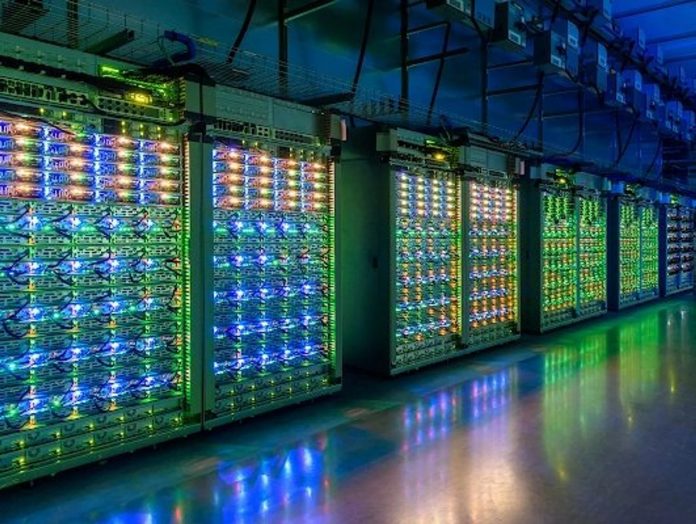
Nvidia is reportedly in discussions to help secure $250 billion in financing for OpenAI’s proposed 10-gigawatt (GW) artificial intelligence data center in Ohio.

While also exploring an additional $350 billion financing arrangement that would allow OpenAI to purchase Nvidia’s AI chips for the project.

If completed, the combined $600 billion initiative would represent one of the largest infrastructure financing efforts ever associated with the AI industry, underscoring the scale of investment required to power the next generation of artificial intelligence.

The proposed Ohio facility would dwarf most existing AI data centers. A 10GW campus would consume an extraordinary amount of electricity, comparable to the power demand of several million homes.

Such a project reflects how the AI race has evolved beyond software and algorithms into a competition centered on computing infrastructure, energy availability, semiconductor supply, and long-term financing.

For Nvidia, the discussions represent more than a hardware sales opportunity. The company has become the dominant supplier of graphics processing units (GPUs) used to train and deploy advanced AI models.

By helping facilitate financing, Nvidia could strengthen its position as a strategic infrastructure partner rather than merely a semiconductor vendor. The proposed $350 billion financing package aimed at enabling OpenAI to purchase Nvidia chips would ensure sustained demand for its products while accelerating the deployment of one of the world’s largest AI computing clusters.

OpenAI, meanwhile, faces unprecedented capital requirements as it seeks to build increasingly powerful AI systems.

Training frontier AI models requires vast numbers of advanced processors operating continuously across massive data centers. The cost extends far beyond chips, encompassing land acquisition, electricity infrastructure, cooling systems, networking equipment, storage, and specialized engineering.

Financing on this scale illustrates that the future of AI development will depend as much on access to capital markets as on technological innovation. The project also highlights the growing importance of energy infrastructure in the AI economy.

Data centers of this magnitude require stable, affordable, and reliable electricity supplies. Utilities, transmission operators, and state governments are increasingly competing to attract AI investments by expanding power generation capacity and modernizing electrical grids.

Ohio’s industrial base, transportation infrastructure, and available land make it an attractive destination for hyperscale computing facilities, although significant upgrades to energy infrastructure would likely be necessary.

From an economic perspective, the investment could generate thousands of construction jobs, long-term technical employment, and increased demand across industries including engineering, manufacturing, telecommunications, and energy.

Local communities could benefit from tax revenues and infrastructure improvements, although concerns about electricity consumption, environmental impact, and water usage are likely to become important aspects of public debate.

The financing discussions also signal a broader transformation in how AI infrastructure is funded.

Instead of relying solely on corporate balance sheets, technology companies are increasingly exploring complex financing structures involving banks, institutional investors, infrastructure funds, and strategic partners.

Similar financing models have historically been used for airports, energy projects, and telecommunications networks, suggesting that AI infrastructure is becoming an asset class in its own right.

The reported negotiations between Nvidia and OpenAI demonstrate that artificial intelligence has entered an era defined by industrial-scale investment. Success will depend not only on breakthroughs in machine learning but also on securing access to capital, energy, and advanced semiconductor manufacturing.

If the Ohio project moves forward, it could become a defining milestone in the global AI race, illustrating how the future of artificial intelligence will be built as much through financial engineering and infrastructure development as through advances in software itself.

Contisx Phone – Blockchain-Powered, No Data Plan Required

0

Good People, as we prepare for the launch of Contisx Securities Exchange Plc, we’re happy to share that we will be introducing hardware solutions to democratize capital market access across Nigeria. How can we support a village to invest in FGN bonds even as they embark on their phased-community development projects with the funds they have raised? How do we remove frictions for companies, citizens and governments in the capital market?

Our core philosophy rests on total investment inclusion, creating a seamless marketplace where companies can efficiently raise capital and investors can build wealth by supporting them. When businesses and investors connect, prosperity is exchanged and scaled. Our slogan is “exchanging prosperity”

To bring this vision to every citizen, we will deploy the ContiSX Phone, a proprietary, blockchain-powered smartphone (not Android, not iOS phone):

– Zero-Data Trading: Users do not need data recharges to execute trades, manage listings, or participate in capital market activities on ContiSX.

– Hardware-Grade Security: Equipped with proprietary NFC technology and built on our dedicated blockchain infrastructure, delivering top-tier cryptographic security.

– Inclusive Multi-Lingual Support: Designed for every Nigerian, the device natively supports Igbo, Hausa, Yoruba, Pidgin, and English.

– Contisx Business Suite: Tools to build African economy with accounting, HR, inventory management, etc solutions.

  • ETC. ETC.

We are moving forward with steady momentum under the world-class guidance of our regulatory authority, the Securities and Exchange Commission (SEC). The future of inclusive capital markets is just around the corner in our amazing Africa. In the next few weeks, we will open applications for ContiSX Forward Deployed Engineer certification program, to train and prepare young people on Contisx Mint technology.

The $1 trillion Nigerian economy will happen; the ISA 2025 has provided the foundational construct to deepen Nigeria’s capital market. Contisx will support builders, investors and all, to advance shared prosperity. We’re launching on Sept 24, 2026

Solana Goes Mainstream as Morgan Stanley Opens Access Through E*TRADE

0

Morgan Stanley’s decision to make Solana available to eligible ETRADE clients marks another significant milestone in the integration of digital assets into traditional finance.

By extending access to one of the world’s leading blockchain networks across its ETRADE platform, the investment banking giant is signaling that cryptocurrencies are increasingly becoming part of mainstream investment portfolios.

With E*TRADE serving approximately 8.7 million households, the move has the potential to introduce millions of investors to the Solana ecosystem while reinforcing institutional confidence in blockchain technology.

The development reflects a broader shift among established financial institutions that were once cautious about cryptocurrencies.

Over the past several years, firms such as BlackRock, Fidelity, and Franklin Templeton have embraced digital assets through exchange-traded funds, tokenized products, and blockchain-based financial services.

Morgan Stanley’s latest step continues this trend by expanding access beyond Bitcoin and Ethereum to include Solana, a blockchain recognized for its high transaction throughput, low fees, and growing decentralized finance and tokenization ecosystem.

Solana has emerged as one of the fastest-growing blockchain networks in the digital asset industry. Its infrastructure enables thousands of transactions per second while maintaining relatively low costs, making it attractive for developers building decentralized applications, payment systems, gaming platforms, NFTs, and tokenized financial products.

This technological efficiency has helped Solana establish itself as one of the leading blockchain ecosystems alongside Ethereum. For Morgan Stanley, offering Solana to eligible E*TRADE clients demonstrates confidence that investor demand extends beyond the largest cryptocurrencies.

Institutional investors are increasingly seeking diversified exposure to digital assets that power real-world blockchain applications rather than serving solely as stores of value.

Solana’s expanding ecosystem, combined with increasing institutional adoption, makes it an appealing option for investors looking to participate in the next phase of blockchain innovation.

The impact of this decision extends beyond Morgan Stanley’s customer base. Access through a trusted and regulated brokerage platform lowers many of the barriers that previously discouraged traditional investors from entering the crypto market.

Instead of navigating unfamiliar cryptocurrency exchanges or managing complex digital wallets, eligible E*TRADE users can gain exposure through an institution they already know and trust. This convenience could encourage broader participation among retail investors while strengthening confidence in the digital asset sector.

The move also highlights how competition among financial institutions is evolving. As client demand for cryptocurrency investment opportunities grows, banks and brokerages risk losing customers if they fail to offer digital asset products.

By expanding its crypto offerings, Morgan Stanley positions itself alongside other financial leaders that are integrating blockchain technology into their investment platforms and wealth management services.

For Solana, the announcement represents another important validation of its growing institutional relevance. Increased accessibility through a major brokerage platform could contribute to higher trading volumes, improved liquidity, and greater visibility among mainstream investors.

It also reinforces the perception that Solana is becoming a core component of the evolving digital finance ecosystem rather than a niche blockchain project.

Investors should remain aware that cryptocurrencies continue to experience significant price volatility and regulatory uncertainty.

While institutional adoption strengthens market credibility, digital assets remain speculative investments whose prices can fluctuate rapidly due to macroeconomic conditions, market sentiment, technological developments, and policy changes.

Morgan Stanley’s decision to provide eligible E*TRADE clients with access to Solana represents more than a product expansion. It symbolizes the continuing convergence of traditional finance and blockchain technology.

As digital assets become increasingly integrated into established financial infrastructure, partnerships between major institutions and leading blockchain networks are likely to accelerate, further shaping the future of global investing and bringing cryptocurrency closer to mainstream financial markets.

Germany’s Industrial Sector Shrinks as Global Competition Intensifies

0

Germany, Europe’s largest economy and one of the world’s manufacturing powerhouses, is facing an industrial crisis that is becoming increasingly difficult to ignore.

According to the head of the Federation of German Industries, the country’s industrial sector is losing around 15,000 jobs every month. The warning highlights mounting pressures on German manufacturers as they grapple with high energy costs, weak global demand, geopolitical uncertainty, and intensifying competition from abroad.

Once regarded as the engine of Europe’s economic growth, Germany’s industrial base is now confronting structural challenges that could reshape its economic future.

For decades, Germany built its prosperity on industries such as automotive manufacturing, machinery, chemicals, engineering, and industrial equipment.

Renowned companies established global reputations for precision, innovation, and quality. These sectors created millions of high-paying jobs while supporting a vast network of suppliers and small businesses across the country.

The competitive advantages that once fueled Germany’s industrial success have steadily eroded over the past several years.

One of the biggest challenges has been soaring energy costs.

Following the disruption of Russian natural gas supplies after the outbreak of the war in Ukraine, German manufacturers have faced significantly higher electricity and fuel prices than many international competitors.

Energy-intensive industries, particularly chemicals and steel production, have struggled to maintain profitability. Many firms have reduced production, delayed investments, or shifted operations to regions where energy is cheaper.

Global demand has also weakened. Slower economic growth in China, one of Germany’s largest export markets, has reduced orders for German machinery, automobiles, and industrial equipment.

Higher interest rates across Europe and North America have dampened investment and consumer spending, further reducing demand for manufactured goods. Export-oriented businesses, which have long been the backbone of Germany’s economy, are feeling the effects.

The automotive industry is undergoing its own transformation. The global transition from internal combustion engines to electric vehicles requires massive investments in new technologies, battery production, and software development.

While German automakers remain global leaders, they face fierce competition from Chinese electric vehicle manufacturers and American technology companies. This shift has forced companies to restructure operations, automate production, and eliminate positions tied to traditional vehicle manufacturing.

Digitalization and automation are also reshaping the industrial workforce. Advanced robotics, artificial intelligence, and smart manufacturing technologies improve productivity but often reduce the need for manual labor.

Although these innovations create new high-skilled positions, they also accelerate job losses among workers whose skills no longer match evolving industrial needs.

Without significant investment in retraining and workforce development, many displaced workers could struggle to find comparable employment. Business leaders argue that Germany must improve its competitiveness through comprehensive reforms.

They are calling for lower energy prices, reduced bureaucracy, faster permitting processes, tax incentives for industrial investment, and stronger support for innovation. Expanding digital infrastructure, strengthening vocational training, and encouraging research into advanced manufacturing technologies could also help modernize the country’s industrial base.

The German government faces the difficult task of balancing climate goals with industrial competitiveness. Ambitious decarbonization policies are essential for long-term sustainability, but businesses warn that excessive regulatory costs could encourage manufacturers to relocate production overseas.

Finding a balance between environmental responsibility and economic resilience will be critical in preserving Germany’s industrial strength.

The reported loss of 15,000 industrial jobs each month is more than just a labor market statistic—it is a warning about deeper structural weaknesses within one of Europe’s most important economies.

If these trends continue, Germany risks losing its position as a global manufacturing leader. However, with targeted reforms, strategic investment, technological innovation, and a renewed commitment to industrial competitiveness, the country still has an opportunity to reverse the decline.

The decisions made today will determine whether Germany can successfully adapt to a rapidly changing global economy while protecting the industries and workers that have long been central to its economic success.