DD
MM
YYYY

PAGES

DD
MM
YYYY

spot_img

PAGES

Home Blog Page 5

SpaceX Attracts $25bn In Short Sellers’ Bearish Bets As Post-IPO Slide Deepens Ahead Of Lockup Expirations

0

Short sellers are rapidly increasing bearish bets against SpaceX, with short interest surging to nearly one-third of the company’s publicly tradable shares as investors position for further declines following the company’s blockbuster initial public offering.

About 185 million SpaceX shares are now sold short, representing approximately 29% of the company’s public float and roughly $25 billion worth of bearish positions, according to data from S3 Partners.

The increase has been dramatic. Just three weeks ago, an estimated 40 million shares, or roughly 5% to 7% of the float, were sold short.

“We are seeing continuous demand from short sellers building speculative positions since the IPO,” Matthew Unterman, head of research at S3, told CNBC.

The sharp increase in short interest shows there is growing skepticism over SpaceX’s near-term valuation after the company’s highly anticipated public debut. While the IPO initially generated strong investor enthusiasm, the stock has since lost momentum, falling about 20% in July and briefly dropping below its $135 IPO price on Wednesday for the first time. Shares were last trading around $133.

One of the biggest concerns weighing on the stock is the approaching wave of lockup expirations, which could significantly expand the number of shares available for trading and increase selling pressure.

SpaceX floated only about 5% of its roughly 13 billion outstanding shares during its IPO, making the stock particularly sensitive to changes in supply. A relatively small public float means even modest selling activity can trigger outsized price swings, while the limited availability of shares has also made the stock attractive to short sellers.

According to KeyBanc Capital Markets, the first major lockup expiration is expected around the company’s second-quarter earnings release, when roughly 11% of outstanding shares could become eligible for sale.

Further lockup releases are expected in stages. Additional tranches representing about 4% of outstanding shares are scheduled to become available beginning around 70 days after the IPO, followed by more shares tied to performance milestones and the company’s third-quarter earnings report.

The largest insider holding remains locked up. Chief Executive Elon Musk’s stake, which accounts for about 42% of SpaceX’s outstanding shares, cannot be sold until June 2027, limiting the immediate risk of a large insider disposal but leaving a substantial future supply overhang.

The rising short interest is seen as an indication of a common dynamic following high-profile IPOs with limited public floats. Traders often anticipate that lockup expirations will increase share supply, potentially weighing on prices as early investors, employees, and insiders gain the ability to monetize their holdings.

Beyond technical factors, investors are also assessing whether SpaceX’s valuation adequately reflects its long-term growth ambitions. The company raised a record $75 billion in its IPO, pitching investors on businesses that extend beyond launch services, including satellite broadband through Starlink, enterprise artificial intelligence applications, and plans to deploy data centers in space.

Those initiatives have helped position SpaceX as a play on multiple high-growth technology themes, including AI infrastructure, cloud computing and next-generation communications. However, they also require substantial capital spending and execution over several years, making the stock vulnerable to shifts in investor sentiment toward high-growth companies.

Attention is now turning to operational catalysts that could influence trading. SpaceX’s 13th Starship test flight is scheduled for Thursday, providing investors with an opportunity to assess progress on one of the company’s flagship programs. Successful missions could improve sentiment, while technical setbacks may reinforce concerns already reflected in the rapidly growing short positions.

The unusually high level of short interest also raises the possibility of heightened volatility. With nearly one-third of the public float now sold short, positive operational developments, stronger-than-expected financial results, or favorable news around Starlink or AI initiatives could trigger a short squeeze, forcing bearish investors to buy back shares and potentially accelerating gains.

Conversely, disappointing execution or heavier-than-expected selling following upcoming lockup expirations could validate the current bearish positioning and add further downward pressure to the stock.

Nvidia-Backed AI Cloud Startup Fireworks Tops $1bn Revenue Run Rate As Enterprises Seek Cheaper AI Alternatives

0

The rapid rise in the cost of using frontier artificial intelligence models is reshaping the enterprise AI market, creating an opening for infrastructure providers that help companies deploy cheaper open-source models while retaining greater control over their proprietary data.

One of the biggest beneficiaries is Fireworks, an Nvidia-backed AI cloud startup that said it has surpassed a $1 billion annualized revenue run rate, underscoring how demand is shifting beyond the largest AI model developers.

The San Mateo, California-based company announced Thursday that it has raised $1.5 billion in fresh funding at a $17.5 billion valuation, a fivefold increase in annualized revenue from a year ago.

“We’re seeing super-linear demand,” Fireworks co-founder and Chief Executive Officer Lin Qiao told CNBC. “This is a once-in-a-lifetime opportunity to have this kind of market.”

The milestone is notable because it highlights a growing segment of the AI ecosystem that is benefiting from enterprise concerns over both the cost and strategic implications of relying exclusively on proprietary models from companies such as OpenAI and Anthropic.

While OpenAI and Anthropic have each attracted valuations exceeding $800 billion this year, Fireworks’ rapid growth suggests that many businesses are increasingly looking beyond frontier AI labs in search of lower-cost and more customizable alternatives.

Fireworks operates in the inference cloud market, providing infrastructure that allows developers to deploy and optimize open-source AI models rather than relying solely on proprietary systems. The company competes with major cloud providers including Amazon and Google, as well as AI infrastructure startups such as Baseten and Together AI.

It has also expanded into GPU infrastructure for AI model training, putting it alongside specialized cloud providers such as CoreWeave, Lambda and Nebius.

Its growth reflects broader changes in enterprise AI spending.

Chief financial officers and technology executives are becoming more focused on controlling AI costs as model usage scales. Instead of paying premium prices for every AI workload, many companies are selectively deploying open-weight models for specialized applications where comparable performance can be achieved at substantially lower costs.

“Our cost compared with the equivalent-quality closed model is five to 10 times cheaper,” Qiao said.

The trend aligns with comments made this week by Microsoft Chief Executive Satya Nadella, who argued that companies should be able to use AI models without surrendering the institutional knowledge that gives them a competitive advantage. Nadella’s remarks echoed recent comments by Palantir CEO Alex Karp, who said enterprises increasingly want to “own the means of production” instead of depending entirely on external AI providers.

Fireworks has positioned itself squarely around that proposition. Rather than competing directly with OpenAI or Anthropic in developing frontier foundation models, it enables customers to build customized AI systems using their own proprietary data.

While OpenAI and Anthropic provide what Qiao described as “generalized intelligence,” Fireworks aims to deliver “specialized intelligence” by allowing enterprises to refine open models for specific industry use cases.

The platform hosts a wide range of open-source models, including offerings from Chinese developers DeepSeek, MiniMax and Z.ai, as well as open-weight models released by OpenAI. Customers can combine these models with proprietary enterprise data to improve performance for domain-specific tasks without exposing sensitive information to external model providers.

The company’s expanding partnerships also illustrate how the AI infrastructure market is becoming more collaborative rather than winner-take-all.

In March, Fireworks announced a partnership with Microsoft that integrates its services with Microsoft’s Foundry platform. The arrangement gives Microsoft customers access to Fireworks’ infrastructure while allowing Fireworks to leverage Microsoft’s enterprise distribution network.

“Through Microsoft we can get much bigger reach,” Qiao said.

The company relies on computing capacity from more than 20 infrastructure providers, including Microsoft, giving customers flexibility beyond the traditional hyperscale cloud model.

Its rapid expansion also challenges assumptions that Amazon, Microsoft, and Google will dominate every layer of enterprise AI infrastructure. Investors have increasingly rewarded companies serving specialized AI workloads. DigitalOcean shares have climbed 149% this year as AI-related demand accelerated, while GPU cloud provider CoreWeave, which raised $1.5 billion through its IPO last year, now commands a market capitalization of about $42 billion.

Fireworks’ operational scale has expanded dramatically alongside its financial growth. The company now processes approximately 40 trillion AI tokens every day, according to Qiao.

For comparison, Google disclosed in May that developers process roughly 19 billion tokens per minute through its AI models, equivalent to more than 27 trillion tokens daily. OpenAI said in March that its developer platform handled around 15 billion tokens per minute, or roughly 22 trillion tokens per day.

Although token counts are not directly comparable because pricing, workloads, and model architectures differ, the figures underline how quickly Fireworks has become one of the industry’s largest AI inference platforms. Its customer base has also diversified significantly. Last year, AI coding startup Cursor accounted for about half of Fireworks’ revenue. Today, Qiao said the business is substantially more diversified.

Cursor itself has reduced its dependence on OpenAI and Anthropic by developing its own proprietary Composer model. SpaceX agreed in June to acquire Cursor in a $60 billion stock transaction expected to close this quarter, further highlighting the strategic value of companies that control their own AI infrastructure rather than relying exclusively on external providers.

Other enterprise customers include Elastic, GitLab, and MongoDB.

Founded in 2022 by former Meta executive Lin Qiao and six co-founders, Fireworks currently employs about 200 people. The company plans to triple its workforce to around 600 employees by the end of 2026 as it expands its engineering organization, acquires additional GPUs and builds a dedicated enterprise sales force after years of relying primarily on self-service customer adoption.

The funding round was led by Atreides Management, Index Ventures and TCV, with participation from Nvidia, Evantic and Lightspeed Venture Partners.

Google Expands AI Mode With App Integrations, Allowing Users To Connect And Interact With Third-Party Apps

0

Google on Thursday expanded the capabilities of its AI-powered search experience by allowing users to connect and interact with third-party applications directly within AI Mode, marking another step in its effort to transform search from an information tool into an AI assistant capable of completing real-world tasks.

The update, initially rolling out to users in the United States, introduces integrations with apps including Instacart, Canva and YouTube, enabling AI Mode to move beyond answering questions and helping users execute actions across multiple services without leaving the conversational interface.

The latest expansion is part of Google’s broader strategy of embedding artificial intelligence deeper into its search ecosystem as competition intensifies with OpenAI’s ChatGPT and Anthropic’s Claude, both of which have taken positions as AI assistants capable of interacting with external applications and services.

Rather than simply generating recommendations, AI Mode can now hand off tasks directly to partner apps. For example, users planning a barbecue can ask AI Mode to generate a grocery list and then connect their Instacart account to automatically add the ingredients to their shopping cart before completing the purchase through the Instacart app or website.

Similarly, users working on presentations or marketing materials can ask AI Mode to surface relevant Canva templates without separately searching the design platform, while those creating playlists can generate music recommendations and immediately save them to YouTube Music.

The integrations signal Google’s ambition to make AI Mode a central hub for everyday digital activities, reducing the number of separate searches and app switches required to complete common tasks such as shopping, designing content, and organizing entertainment.

The move also strengthens Google’s competitive position in the rapidly evolving AI assistant market, where major technology companies are racing to create platforms that not only provide information but also perform actions on behalf of users.

OpenAI has steadily expanded ChatGPT’s ability to connect with external services and productivity tools, while Anthropic’s Claude has added integrations designed to support enterprise workflows. Google’s latest update narrows that competitive gap by leveraging its own search platform alongside a growing ecosystem of third-party applications.

Thursday’s announcement builds on capabilities unveiled during Google I/O earlier this year, when the company introduced support for connecting third-party apps to Gemini, its flagship AI assistant. Those integrations already include services such as Canva, OpenTable, Spark and Instacart, allowing Gemini to complete tasks across multiple platforms.

The expansion of AI Mode suggests Google is aligning the capabilities of Search and Gemini, blurring the distinction between traditional web search and conversational AI. Google has steadily enhanced AI Mode since its launch in early 2025. Recent additions include the ability to check whether products are available at nearby retail stores, giving users real-time inventory information before they shop.

The company has also introduced a side-by-side browsing experience that allows users to explore websites while continuing conversations with AI Mode, preserving context for follow-up questions and product comparisons instead of requiring users to repeatedly start new searches.

Earlier this year, Google also introduced its “Personal Intelligence” capability, allowing AI Mode to access Gmail and Google Photos, with user permission, to deliver more personalized responses based on emails, travel plans, receipts, photos, and other personal information stored across Google’s ecosystem.

Together, the latest features underpin Google’s broader effort to reposition Search as an AI-native experience that combines conversational responses, personalized context and task execution. Instead of functioning solely as a gateway to websites, AI Mode is evolving into an orchestration layer capable of connecting multiple services, completing workflows, and keeping users within Google’s ecosystem for longer periods.

The strategy could also deepen user engagement with Google’s AI offerings while creating additional opportunities for developers and partner companies to integrate their services into conversational experiences. As more applications become compatible with AI Mode, analysts expect Google’s platform to serve as a unified interface for shopping, productivity, travel planning and entertainment, further reshaping how consumers interact with both search engines and third-party apps.

U.S. Opens Patent Probe Into Samsung AI Memory Chips, Pulling Nvidia, Google, and Broadcom Into Widening Netlist Dispute

0

U.S. trade regulators have launched an investigation into Samsung Electronics’ memory chips and a range of artificial intelligence hardware sold by Google, Nvidia, Broadcom, and Super Micro Computer after California-based Netlist accused the companies of infringing its memory technology patents.

The investigation by the U.S. International Trade Commission (USITC) marks the latest escalation in Netlist’s years-long legal battle with Samsung and comes at a time when demand for high-performance memory chips is surging as hyperscale cloud providers and AI companies accelerate data center investments.

At the center of the dispute are dynamic random access memory (DRAM) technologies used in servers that power AI workloads. DRAM temporarily stores data for processors and has become one of the most critical components in AI infrastructure, particularly as advanced AI systems require enormous amounts of high-speed memory to train and run sophisticated models.

Netlist alleges that Samsung and its U.S. subsidiaries infringed patents covering data-processing technologies used in these memory products. Because Samsung supplies memory chips used across the AI hardware ecosystem, the complaint also names products imported by major technology companies, including Google, Nvidia, Broadcom, and Super Micro Computer, that incorporate the disputed components.

The USITC said an administrative law judge will conduct an evidentiary hearing before issuing an initial determination, which will then be subject to review by the full commission. The agency will establish a target completion date for the investigation within 45 days.

Netlist has asked the commission to issue one of its most powerful remedies: an exclusion order blocking imports of the allegedly infringing memory chips and AI products into the United States, as well as cease-and-desist orders preventing further sales.

If the commission ultimately grants those remedies, they would take effect immediately and become final after a 60-day presidential review period unless the U.S. Trade Representative vetoes them on public policy grounds, an action that is relatively rare.

The investigation highlights how intellectual property disputes are increasingly intersecting with the AI infrastructure boom. Demand for advanced memory chips has risen sharply as Microsoft, Amazon, Google, Meta, OpenAI and other AI developers continue investing hundreds of billions of dollars in AI data centers. That surge has fueled higher prices and record earnings for leading memory manufacturers, including Samsung, SK Hynix, and Micron.

High-bandwidth memory (HBM) and advanced DRAM have become strategic technologies because AI accelerators from Nvidia and other chipmakers rely heavily on large amounts of high-speed memory to maximize computing performance.

Although Nvidia, Google, Broadcom, and Super Micro are not accused of manufacturing the memory chips themselves, their products could become subject to import restrictions if the USITC determines that they incorporate infringing Samsung components. That raises the stakes considerably, as any import ban could potentially affect servers, AI systems and networking equipment sold into the U.S. market.

The case also exposes the growing legal risks facing the AI hardware supply chain, where a relatively small number of component suppliers serve virtually every major AI system builder.

The latest investigation builds on several courtroom victories Netlist has already secured against Samsung. In 2023, a Texas jury awarded Netlist $303 million in damages in a patent infringement case involving Samsung memory technology. That was followed in 2024 by another Texas jury verdict awarding Netlist an additional $118 million over related memory data-processing technology.

Rather than seeking only monetary damages through federal courts, Netlist is now pursuing trade remedies through the USITC, which has the authority to block imports into the United States. That approach is often viewed as powerful because it can create commercial pressure on technology companies even before damages are resolved.

The investigation follows memory technology’s growth as one of the most strategically important segments of the semiconductor industry. While AI processors from companies such as Nvidia often attract the most attention, industry analysts see advanced memory as an equally critical bottleneck for AI performance, making patent disputes in this segment potentially more consequential for the broader AI ecosystem than in previous semiconductor cycles.

Uber Strikes $14.8bn Deal For Delivery Hero To Create Global Food-Delivery Powerhouse

0

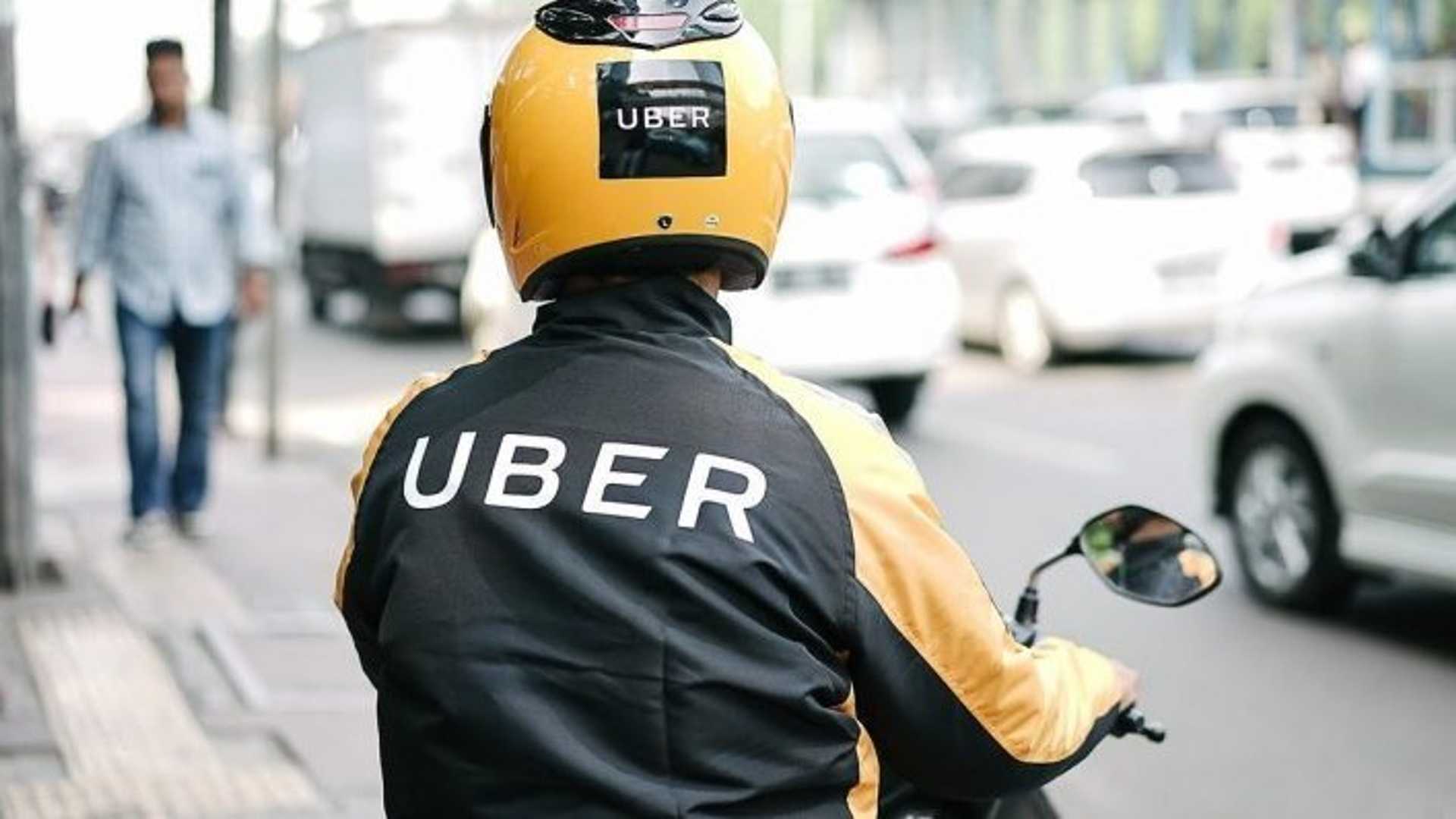
Uber has agreed to acquire German food-delivery giant Delivery Hero in a deal valued at $14.8 billion, marking one of the biggest consolidation moves in the global online food-delivery industry and creating the world’s largest delivery platform outside China.

The acquisition significantly expands Uber’s international footprint, strengthens its competitive position against DoorDash and Prosus-backed Just Eat, and underscores how scale has become the defining advantage in an industry facing slower growth, rising regulatory costs and mounting competition.

The transaction is a major milestone in Uber’s transformation from a ride-hailing company into a diversified mobility and logistics platform. By combining Delivery Hero’s extensive international operations with Uber Eats, the company will nearly double the number of markets where it offers both transportation and food delivery, enabling it to deepen customer engagement through bundled services and its Uber One subscription program.

“We’ll nearly double the number of markets where we offer both mobility and delivery services,” Uber Chief Executive Dara Khosrowshahi said in a joint statement announcing the transaction.

The acquisition values Delivery Hero at €41.50 per share, representing about a 34% premium to its three-month volume-weighted average share price and roughly 40% above the company’s undisturbed share price before takeover speculation emerged. Uber’s offer is also significantly higher than its earlier proposal in May, which valued Delivery Hero at around €10 billion, or €33 per share, and was rejected by the German company.

The deal has the backing of Delivery Hero’s management and supervisory board, although Uber has made the transaction conditional on securing acceptance from shareholders representing at least 50% plus one share.

If completed, the combined company will operate across 99 countries, up from roughly 50 markets for Uber today, with a projected gross merchandise value (GMV) of $236 billion in 2025. Delivery Hero contributed approximately $42 billion in gross bookings last year and serves around 60 million monthly active users, providing Uber with immediate scale in regions where its presence has historically been limited.

The acquisition substantially expands Uber’s reach across Europe, the Middle East, Asia, and Latin America through Delivery Hero’s portfolio of brands, which includes Talabat, PedidosYa, Glovo, and several regional delivery platforms.

The rationale extends beyond food delivery.

Uber has been pursuing a “super app” strategy that combines ride-hailing, restaurant delivery, grocery delivery, retail logistics, and subscription services within a single ecosystem. Adding Delivery Hero’s customer base gives Uber new opportunities to cross-sell mobility services, expand Uber One memberships, and improve customer retention while spreading technology and marketing costs across a much larger platform.

Analysts say those network effects have become increasingly important as industry growth normalizes following the pandemic-era surge in online food ordering.

The acquisition also points to the rapid consolidation of the global food-delivery industry. What was once a fragmented market populated by dozens of regional competitors has increasingly become dominated by a handful of global companies. Slowing order growth, higher interest rates, increasing labor costs, and tighter regulation surrounding gig-economy workers have made scale essential for maintaining profitability.

The industry has witnessed a succession of large transactions over the past several years. Uber acquired Postmates to strengthen its U.S. business. DoorDash expanded internationally through its purchases of Wolt and Deliveroo. Just Eat merged with Takeaway.com before acquiring Grubhub, while Delivery Hero itself grew aggressively through acquisitions, including Glovo and foodpanda, before later exiting selected markets to improve profitability.

The latest transaction further concentrates the industry, effectively leaving Uber and DoorDash as the dominant global competitors outside China, where Meituan continues to lead.

Despite the strategic logic, the deal is expected to face an extensive regulatory review. Because Uber and Delivery Hero operate in numerous overlapping markets, competition authorities are likely to closely examine whether the combination could reduce consumer choice, weaken competition, or increase commissions charged to restaurants.

To help address those concerns before formal reviews begin, Delivery Hero has agreed to divest operations in 14 markets to U.S. investment firm SSW Partners for approximately €1.4 billion. The divestitures are intended to reduce competitive overlaps and improve the transaction’s chances of securing regulatory approval.

Another important element involves Prosus, one of Delivery Hero’s largest shareholders. Prosus has agreed to sell its nearly 17% stake in Delivery Hero as part of commitments it previously made to the European Commission to secure approval for its acquisition of Just Eat Takeaway. Those commitments required the Dutch technology investor to reduce its ownership in Delivery Hero, effectively removing a potential obstacle to Uber’s acquisition.

People familiar with the matter said the divestment was driven by regulatory obligations rather than a strategic desire to exit, describing Prosus as a “false seller.”

The transaction nevertheless highlights an irony within Europe’s technology space. While European policymakers have repeatedly emphasized the importance of nurturing homegrown technology champions capable of competing globally, regulatory remedies attached to another merger have helped pave the way for one of Europe’s largest digital platforms to be acquired by a U.S. company.

Analysts expect the regulatory process to be lengthy.

Jefferies described the proposed completion timetable, which extends into the second half of 2027, as evidence that regulators are likely to conduct an extensive antitrust review.

“The use of a financial investor to get ahead of the antitrust questions could prove successful, though the long timeline to completion suggests it won’t be a straightforward review,” Jefferies analysts wrote.

Investor reaction was relatively muted following the announcement. Delivery Hero shares edged modestly higher, while Uber shares gained around 2%, suggesting markets largely anticipated an improved offer after takeover discussions became public earlier this year.

As part of the agreement, Uber committed to invest €2 billion in Germany through 2031 and pledged to maintain Delivery Hero’s Berlin headquarters and workforce until at least 2029. Those commitments may help ease political concerns over foreign ownership while preserving Germany’s role as a major European technology hub.

The acquisition also strengthens Uber’s long-term competitive positioning beyond traditional food delivery.

According to Adam Ballantyne, an analyst at Cambiar Investors, the newly acquired markets provide Uber with years of additional organic growth opportunities as it introduces bundled ride-hailing and delivery services while expanding Uber One subscriptions into regions where customers currently use Delivery Hero’s platforms but have limited access to Uber’s broader ecosystem.

If regulators ultimately approve the acquisition, Uber will emerge as the most geographically diversified food-delivery company outside China, with an unmatched global network spanning nearly 100 countries.