DD
MM
YYYY

PAGES

DD
MM
YYYY

spot_img

PAGES

Home Blog Page 5

Musk Forges $1.250tn Record-Breaking AI–Space Colossus With xAI–SpaceX Merger

0

Elon Musk on Monday confirmed that SpaceX has acquired his artificial intelligence startup xAI in a deal that reshapes the global technology landscape and sets a new benchmark for mergers and acquisitions.

The transaction formally unites Musk’s ambitions in artificial intelligence and space infrastructure, combining the world’s most valuable private rocket company with the developer of the Grok chatbot.

The decision marks the clearest step yet toward building a tightly integrated personal conglomerate that spans space, AI, communications, mobility, and neurotechnology, binding his most ambitious bets into a single corporate orbit.

Musk said on Monday that SpaceX had acquired xAI in a deal that values SpaceX at about $1 trillion and xAI at roughly $250 billion, according to people familiar with the transaction. Investors in xAI will receive 0.1433 shares of SpaceX for every xAI share, while some executives are being offered a cash alternative priced at $75.46 per share. The combined entity is expected to price shares at around $527, one of the people said.

The transaction, first reported by Reuters last week, overtakes the $203 billion Vodafone–Mannesmann takeover in 2000 to become the largest merger ever recorded, based on data compiled by LSEG. It also comes as SpaceX is preparing for what could be a landmark initial public offering later this year, with people familiar with the matter saying the listing could value the company at more than $1.5 trillion.

Musk framed the deal in sweeping terms, describing it as the next phase in a shared mission to extend intelligence beyond Earth. Behind the rhetoric, the industrial logic is more concrete. xAI, the developer of the Grok chatbot, is one of the most capital-intensive businesses in the AI race, with costs driven by chips, data centers, and electricity. SpaceX, through its Starlink satellite network, already operates one of the world’s largest private communications infrastructures and generates steady cash flow.

By bringing xAI under the SpaceX umbrella, Musk is effectively internalizing the infrastructure stack needed to compete with rivals such as Alphabet’s Google, Meta, Amazon-backed Anthropic, and OpenAI. Starlink offers global data distribution and a growing enterprise and government customer base, while SpaceX’s launch and satellite operations provide leverage over where and how future compute and data assets are deployed.

Ali Javaheri, a senior emerging spaces analyst at PitchBook, said Starlink was already a cash-flow engine and that the addition of AI created a new revenue layer. He noted that Starlink could also become a distribution surface for AI services and data, particularly if policy shifts allow certain categories of customer data to be used for model training. The longer-term prospect of orbital or space-based data centers, while still speculative, adds to a narrative that positions SpaceX as an integrated infrastructure platform rather than a pure rocket company.

The deal also underscores how Musk has been consolidating his businesses into a more unified structure. Last year, he merged social media platform X into xAI through a share swap, giving the AI startup direct access to real-time data and a built-in distribution channel. Earlier in his career, he used Tesla stock to acquire solar installer SolarCity, folding energy generation into his electric-vehicle ecosystem. Alongside Tesla, Neuralink, and the Boring Company, the SpaceX–xAI tie-up tightens what investors increasingly view as a single, interconnected industrial empire.

However, that strategy is believed to have come with risks. Investors have already expressed unease about aggressive spending and valuation assumptions across Musk’s companies. SpaceX was last valued at about $800 billion in a recent insider share sale, while xAI was valued at roughly $230 billion as recently as November, according to the Wall Street Journal. Combining them at higher figures concentrates both upside and downside into one balance sheet, just as public markets remain sensitive to capital intensity in AI and infrastructure.

Regulatory and governance questions are also likely to follow. SpaceX holds billions of dollars in contracts with NASA, the U.S. Department of Defense, and intelligence agencies, all of which have some authority to review transactions for national security implications. The deal may also draw attention to conflicts of interest, given Musk’s overlapping leadership roles and the potential movement of engineers, data, and proprietary technology between his companies.

Still, the timing suggests strategic calculation. Hyperscalers and AI developers are locked in a global build-out of compute and data-center capacity, with AI-related data-center deals hitting a record $61 billion in 2025. By merging xAI into SpaceX ahead of a potential IPO, Musk is presenting investors with a broader story: not just rockets and satellites, but a vertically integrated platform that links launch, connectivity, data, compute, and AI services.

In effect, the transaction formalizes what has been taking shape for years. Musk is no longer running a collection of loosely related ventures. He is assembling a personal conglomerate, designed so that each business feeds the others, and positioning it for the public markets as a single, expansive bet on the infrastructure of the future.
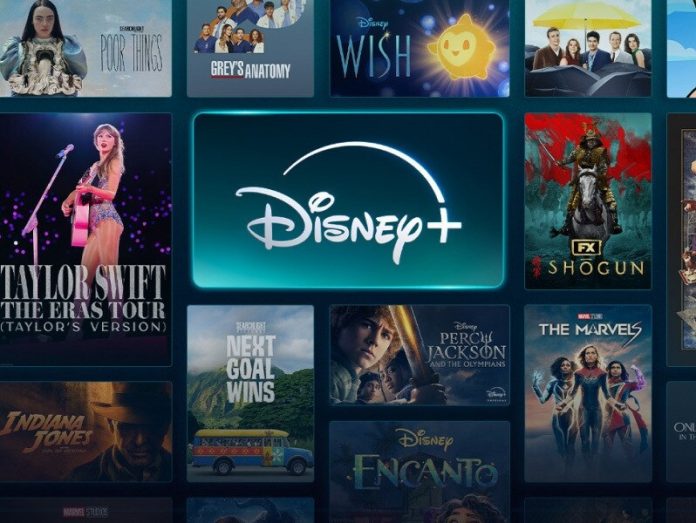

Disney Shares Steady as Succession Clock Ticks, With Investors Weighing Leadership Risk Against Strong Parks Performance

0

Disney shares edged higher in premarket trading on Tuesday as investors turned their attention away from headline earnings and toward a question that has increasingly dominated sentiment around the stock: who will succeed Bob Iger as chief executive.

The media giant’s shares were up 0.14% as of 7:05 a.m. ET, a muted rebound after the stock fell 7% on Monday. That sell-off came even as Disney reported solid quarterly results, highlighted by its Experiences division — which includes theme parks, resorts, and cruise operations — surpassing $10 billion in revenue for the first time in a single quarter.

Overall, Disney posted quarterly revenue of about $26 billion, up 5% year on year and ahead of Wall Street expectations of $25.7 billion. The numbers underscored the continued resilience of its parks-led businesses at a time when streaming profitability and legacy media assets remain under pressure.

Still, the market reaction made clear that earnings strength alone is no longer the decisive factor for Disney’s valuation.

Succession uncertainty weighs on sentiment

At the center of investor unease is the unresolved leadership transition. Disney’s board is meeting this week and is expected to vote on Iger’s successor, according to people familiar with the matter who spoke to CNBC on condition of anonymity. The decision would mark the second attempt to engineer an orderly handover from Iger, one of the most influential executives in the company’s history.

Iger first stepped down in 2020 after a 15-year run, handing the reins to Bob Chapek. That transition unraveled within two years amid internal tensions, strategic missteps, and declining morale, culminating in Chapek’s abrupt dismissal in late 2022 and Iger’s return.

That episode continues to loom large over Disney’s governance story. Analysts at Jefferies described the “impending leadership transition” as an “overhang on shares,” even as reports suggest a resolution is close. Bank of America analysts echoed that view, saying succession uncertainty has weighed on the stock in recent weeks.

Iger himself offered an unusually candid assessment on Monday’s earnings call, acknowledging that “trying to preserve the status quo was a mistake” when Chapek was appointed. He said that when he returned, there was “a tremendous amount that needed fixing,” from strategy and culture to cost discipline.

A stronger hand — but lingering questions

Iger struck a more optimistic tone about the state of the company he will leave behind, saying his successor would be “handed … a good hand in terms of the strength of the company,” alongside opportunities for growth and the need to keep evolving in a rapidly changing media landscape.

That comment reflects the paradox facing Disney investors. On one side, the company’s Experiences division has become a reliable earnings engine, providing cash flow stability and offsetting volatility in streaming and advertising. The division’s scale and profitability have elevated its strategic importance, making leadership continuity there especially critical.

On the other side, Disney is still navigating structural shifts in how audiences consume content, how streaming platforms are monetized, and how to balance creative ambition with financial discipline — challenges that will define the next CEO’s tenure.

Who could take the helm?

Among the leading internal candidates is Josh D’Amaro, chair of Disney Experiences, who has been widely credited with driving growth and operational discipline across parks and resorts. Industry insiders and Disney sources have previously told CNBC that D’Amaro is a top contender, particularly given the division’s growing contribution to earnings.

Dana Walden, Disney’s co-chair of Entertainment, is also seen as a serious candidate, bringing deep experience in television and content strategy at a time when Disney is reassessing its entertainment portfolio.

Bank of America analysts noted that, given the Experiences division’s outsized role in Disney’s profit base, appointing D’Amaro would likely be “well received by the investment community,” a signal that investors may favour operational certainty over broader strategic experimentation.

For now, Disney’s financial performance is doing its job: revenue is growing, parks are thriving, and expectations are exceeded. Yet the market’s restrained response suggests that investors are less focused on what Disney earned last quarter and more concerned with what comes next.

Until the board delivers clarity on succession and convinces investors that this transition will avoid the pitfalls of the last one, Disney shares may continue to trade with a leadership discount, even as the underlying business shows signs of renewed strength.

Peak Period Pressure: How Transaction Surges Expose Weaknesses in Nigeria’s Fintech Payment Rails

0

Nigeria, Africa’s largest economy, is undergoing a significant digital transformation, with its payment ecosystem playing a central role. Over the past decade, the country’s fintech landscape has grown from a handful of startups into one of Africa’s most vibrant innovation ecosystems.

As the West African country witnesses the rise of fintech companies, greater smartphone penetration, and a young, tech-savvy population, digital payments are becoming more mainstream.

In 2024, Fintech transactions in Nigeria experienced a massive surge, with the sector processing N1.08 quadrillion ($660 billion – $1 trillion+ USD depending on exchange rate fluctuations), marking a 79% year-on-year increase.

The sector, now considered systemic to the Nigerian economy, has firmly established the country as a leader in African digital payments, with over 11 billion instant transactions processed in 2024.

Stakeholders have expressed broad confidence in the resilience of Nigeria’s core payments infrastructure, but recent assessments reveal notable stress points, particularly during peak transaction periods.

In a recent CBN fintech report titled “Shaping the Future of Fintech in Nigeria: Innovation, Inclusion and Integrity”, stakeholders’ reviews on the nation’s fintech growth were evenly split between very resilient and generally resilient, underscoring cautious optimism rather than unqualified confidence. While the underlying systems are seen as stable, transaction settlement limits and infrastructure constraints were highlighted as areas requiring urgent review.

Fintechs Strain During Peak Period

Transaction surges in Nigeria, particularly during peak periods like the 2023 Naira scarcity and routine festive seasons, have systematically exposed vulnerabilities in the country’s payment rails. These surges often overwhelm fintech infrastructures, leading to failed transactions, delayed reversals, and a massive shift in trust toward agile fintech solutions.

The challenges become most visible during periods of intense activity. In the CBN report, the holiday season, popularly referred to as “Detty December,” was repeatedly cited as a real-world stress for Nigeria’s digital payments ecosystem. During this period, digital payment volumes surge sharply across PoS transactions, interbank transfers, and diaspora remittances.

Fintech companies reported that these spikes often translate into increased downtime, delayed settlements, and service interruptions, with the impact most severe on weekends and public holidays. For fintechs operating on thin margins and real-time customer expectations, these disruptions pose reputational and operational risks, even when the root causes lie upstream within shared infrastructure or coordination gaps.

This seasonal strain reflects a convergence of factors: heightened discretionary spending, travel-related remittances, and year-end salary disbursements all compound demand on payment rails. As digital channels increasingly replace cash, peak periods expose not just technical limitations, but also the limits of coordination between regulators, banks, switches, and payment service providers (PSPs).

Beyond capacity, participants emphasized that visibility and communication are critical weaknesses. Users often experience failed or delayed transactions without clear explanations, eroding trust in digital payment systems. Fintechs, positioned closest to the end-user, frequently bear the brunt of customer frustration despite having limited control over systemic bottlenecks.

To address this, stakeholders proposed solutions such as real-time transaction status dashboards, predefined surge-response protocols for high-volume periods, and improved data-sharing arrangements between the Central Bank of Nigeria (CBN), NIBSS, banks, and fintech operators.

Other suggestions included pre-scheduled maintenance blackouts, temporary adjustments to settlement thresholds during peak seasons, and real-time service performance dashboards to enhance transparency.

Outlook

The recurring pressures observed during peak periods have reinforced the need for a shift from baseline resilience to peak-readiness. As Nigeria’s digital economy deepens and fintech adoption accelerates, seasonal spikes will no longer be exceptions; they will become predictable patterns.

Looking ahead, strengthening payments infrastructure will require proactive planning, dynamic policy frameworks, and tighter institutional coordination. For fintechs, the outlook hinges on whether systemic stakeholders can move beyond reactive fixes to anticipatory governance. If addressed effectively, peak-period stress tests like “Detty December” could become catalysts for a more robust, transparent, and trusted digital payments ecosystem in Nigeria.

Understanding digital assets: A simple guide to help first-time crypto users build their confidence

0

Crypto can feel mysterious if you’re a beginner. What’s a hardware wallet? And what on earth are all these different ‘keys’? But with millions of Americans now using digital assets, it’s clear that you don’t need to be a tech expert to participate in crypto. What trips people up in the early days is the fear of ‘pressing the wrong button’ and losing everything. Here’s a practical guide that will cut through that early uncertainty and give you a clear picture of what’s really happening when you buy, store, or send digital assets. Once you understand the basics, you’ll find the whole process far less intimidating and maybe even a lot of fun.

Public and private keys: What it means to ‘own’ crypto

If you ‘own’ crypto, it’s not the same thing as cash, or money in an online account. There’s no physical ‘coin’, or bank systems. Instead, you control a pair of keys that act as your identity on the blockchain. There’s a public key (the address to receive crypto) that you share with others. Then there’s the private key that you should never let anyone else see. Think of it as the only key to a locked safe – if you lose it or give it to someone by mistake, there’s no way to restore access. When you transfer crypto, the private key ‘signs’ the transaction, and the blockchain updates to show the new ownership.

Mobile, desktop, and hardware wallets: Picking the right storage option

Wallets are where you hold your crypto. When choosing a wallet, consider how you prefer to interact with your money. A mobile wallet offers familiarity – it works like a regular app that you can check, and use for quick transfers. You could opt for a desktop wallet to give you more control at home, or a hardware wallet to keep your private keys offline entirely (and protect you from remote hacks). A secure Bitcoin wallet gives you a clear sense of ownership from day one by letting you move funds without relying on an exchange to hold them. Think of it as a solid foundation from which to start your cryptocurrency journey.

Seed phrases and phishing: Mistakes and hazards new users need to watch for

Most problems with crypto arise from users making hasty decisions. For example, it might be convenient to store your seed phrase (for recovery) in an email folder or by taking a screenshot that stays in your photos app, but it leaves your entire wallet vulnerable. Instead, write it down and store it somewhere private. And beware of phishing attempts where scammers mimic legitimate platforms and urge you to ‘verify your account right now’. Just slow down and double-check the URLs. And remember, no trustworthy service will ever ask for your private key.

Small amounts and dollar-cost averaging: Easy ways to build up crypto confidence

You don’t need to make a huge investment to start learning about crypto. Start by buying a small amount of crypto to send it between your own wallets so you can see how custody works. You can also use the common investment strategy of dollar-cost averaging, where you add modest amounts on a regular schedule so there’s no pressure to ‘choose the perfect moment’.

Become a crypto expert, one step at a time

Digital assets feel complicated. But if you follow these basic steps, it won’t be long before something just ‘clicks’ and managing crypto becomes as second-nature as doing bank transactions. With a secure wallet, a good security habits, and a willingness to learn gradually, you can approach crypto with clarity rather than confusion.

AI Takes Center Stage in Nigerian Fintech as Fraud Detection Leads Adoption

0

Nigeria has emerged as one of Africa’s leading fintech ecosystems, driven by progressive regulatory reforms, robust digital payments infrastructure, and a rapidly growing innovation community.

The country has long been a pioneer in digital financial innovation. As far back as 2011, Nigeria implemented a nationwide, real-time interoperable payments system, making instant interbank transfers a standard feature of daily financial life well ahead of many advanced and emerging economies.

As artificial intelligence (AI) adoption accelerates globally becoming a foundation technology in Fintech, Nigerian fintech companies are increasingly leveraging AI to strengthen risk management and improve operational efficiency.

A recent Central Bank of Nigeria (CBN) report titled “Shaping the Future of Fintech in Nigeria: Innovation, Inclusion and Integrity” highlights that fraud detection is the most prevalent AI use case, adopted by 87.5% of surveyed firms.

Nearly 9 out of 10 Nigerian fintech companies use artificial intelligence primarily to detect fraudulent transactions. This reflects the severity of fraud challenges in the sector, which industry stakeholders described as a major issue.

In early 2026, the EFCC reported massive fintech-related fraud in Nigeria, with over 200,000 victims losing ?18 billion through the “FF Investment” scheme, which utilized multiple fintech and banking platforms.
Recall that in 2024, Flutterwave lost ?11 billion to a security breach. Similarly, Interswitch incurred losses of ?30 billion after a glitch allowed merchants to file and receive chargebacks. Beyond the financial losses suffered by fintechs and customers, the increase in fintech fraud has also affected business relationships.
Fidelity Bank once restricted transfers to neobanks such as Moniepoint, OPay, and PalmPay due to concerns about their KYC processes. Wema Bank also removed seven fintechs from its payment gateway because of fraudulent activity.
Due to the rise of fintech fraud, the Central Bank of Nigeria (CBN) has become increasingly committed to combating fraud. In December 2023, the apex bank released Know Your Customer (KYC) regulations, mandating that Tier-1 accounts must have BVN and NIN attached to them. The CBN also mandated the registration of PoS agents in a bid to block one of the loop holes typically used by fraudsters.
Asides the use of AI for fraud detection amongst Nigerian fintech companies, other notable applications include chatbots and customer service (62.5%), credit scoring and risk modelling (37.5%), and customer onboarding and Know-Your-Customer (KYC) processes (37.5%).

Despite growing adoption, the ability to scale AI solutions remains constrained. Limited access to technical talent and a lack of regulatory clarity were each identified by 37.5% of firms as the most significant obstacles. As a result, the most sought-after support is access to high-quality data and infrastructure, cited by 50% of respondents.

Stakeholders broadly agree that Nigeria’s regulatory approach to AI should balance global relevance with the country’s unique domestic realities. Such an approach is seen as critical to ensuring that innovation promotes financial inclusion while maintaining trust and integrity across the system.

As AI systems evolve from experimental tools to embedded components of core financial services, discussions emphasized that regulatory engagement must extend beyond sandbox environments alone.

While regulatory sandboxes remain vital for early-stage testing, the increasing systemic importance of AI-driven decision-making in credit, fraud prevention, and compliance necessitates complementary frameworks focused on governance, supervisory learning, and institutional capacity-building.

To support this transition, stakeholders proposed the creation of a “Responsible AI in Finance” workstream. This initiative would convene regulators, industry participants, academic institutions, and international peers to advance ethical AI principles, develop supervisory methodologies, and strengthen talent pipelines.

About 62.5% of fintech firms reported being very interested in participating in an AI-focused regulatory sandbox. Their top priorities include ensuring ethical and transparent AI use in credit and risk decisions, as well as fair and inclusive access to AI tools and data each identified by 75% of respondents.

Outlook

Nigeria’s fintech ecosystem is well-positioned to deepen the responsible use of AI as a catalyst for inclusion, efficiency, and trust in financial services. Progress will depend on sustained collaboration between regulators and industry players, clearer regulatory guidance, and continued investment in talent and data infrastructure.

If these elements align, Nigeria could not only strengthen its domestic financial system but also emerge as a continental reference point for responsible AI adoption in finance.