DD
MM
YYYY

PAGES

DD
MM
YYYY

spot_img

PAGES

Home Blog Page 5128

Nigerians Losing Confidence In Naira, Prefer To Keep Dollar – President Association of BDC Operators

0

Recently, the Nigerian Naira fell to N604 per dollar at the parallel market, which was formerly N565 at the beginning of the year. Information obtained from the Nigerian Bureau De Change supervision has attributed the fall of the Naira to the increase in the demand for dollars by Nigerian politicians, for the upcoming 2023 elections.

The result of the Naira crash in the black market has therefore widened the gap between the official investors and exporters window and the black market. BDC operators in the country have attributed the naira crash to the shortage of Forex supply, while demand has risen in recent weeks.

In a recent interview, the President Association of Bureau De Change Operators of Nigeria, Alhaji Aminu Gwadebe has attributed the fall of the Naira to the fact that Nigeria is import-dependent which has made the nation gain inflows of dollars while losing on the outflows of Naira.

He further stated that the country practices a monoculture economy, I.e one-product economy which has seen production activities very low. Despite multiple interventions by the Central Bank Of Nigeria to restore the Naira, it still fell in the first quarter of 2022.

The CBN did not fail to attest to the fact that one major cause of the falling Naira is the nation’s dependence on imports. Over-dependence on imports is no doubt one of the strong reasons for the currency’s depreciation.

In a bid to safeguard the naira, the Central Bank of Nigeria had to implement some restrictions, ranging from prohibiting the selling of Dollars to BDCs, to prohibiting the broadcast of black market rates on Aboki FX.

In February 2022, the CBN also released instructions that outline that it will facilitate payment of N65 for every US Dollar repatriated and sold at the investor’s and exporters’ window. It seems the Naira is not yet done crashing against the Dollar, as experts have predicted that Nigeria’s Naira will further depreciate, while the Gross Domestic Product and GDP will grow further by 3%.

Due to how messed up the Naira is against the Dollar, most Nigerians have lost confidence in the nation’s currency, which has seen an increasing amount of them invest in dollar-denominated assets to diversify their portfolios and minimize their exposure to the naira depreciation.

This act is capable of extremely increasing demands for Forex in the foreign exchange market, thereby leading to further devaluation of the Naira. It is disheartening to see that the Naira is becoming a mess, which has seen it lose its value.

Over-dependence on importation is no doubt one major factor that is causing the steady fall of the naira. The government has failed woefully to develop various sectors in the country that will manufacture locally made in Nigeria goods to reduce the nation’s over-dependence on foreign goods, which is seriously affecting not just the naira, but also the economy.

I do not want to be a harbinger of bad news, but the Naira is likely to keep depreciating, as there are no visible plans or measures put in place by the government to limit the importation of foreign goods. The government must understand that no Nation thrives on constant dependence on imported goods.

Also, the country’s over-dependence on oil is not helping the economy, as they have failed to diversify. The country is so rich in agriculture, yet the sector has been relegated to the back end which has greatly affected the nation’s export.

All the parameters in the country to make the currency strong are currently negative. It’s high time the government put in measures and take the necessary steps to ensure that the Naira regains its value because the economy of the country is currently in jeopardy.
IMF’s Kristalina Georgieva Urges Investors Not to Abandon Crypto Market

0

Amidst the controversies surrounding the cryptocurrency market, which are largely based on its acceptability, volatility and governments’ attitude toward it, the International Monetary Fund (IMF) is for the first time, speaking in the interest of the digital asset industry.

The crypto market is currently experiencing one of its most tumultuous moments, forcing a massive selloff of assets by investors. On May 13, the market saw more than $200 billion wiped off as bitcoin fell below $26,000 for the first time in 16 months.

But in a surprising development, the IMF head, Kristalina Georgieva, during the World Economic Forum’s annual meeting on Tuesday, advised investors not to abandon the crypto market despite Terra’s crash.

In the meeting, she also said the collapse of Terra’s algorithmic stablecoin UST should not make people ditch cryptocurrencies as not all digital currencies are the same.

Kristalina Georgieva believes the crypto market is important as it offers faster service at lower costs and is more inclusive. She went on to say, every investment comes with some level of associated risks and so do cryptocurrencies but with proper research.

Therefore, stablecoins backed by cash and other assets are different from algorithmic stablecoins. Stablecoins are supposed to maintain a 1:1 peg with reserve assets like the US dollar.

The collapse of algorithmic stablecoin TerraUSD or UST caused massive liquidation across the crypto market. This should serve as a reminder to investors to be aware of the potential risks with assets that are not well-backed. Hence, investors should continue to invest in cryptocurrencies.

“I would beg you not to pull out of the importance of this world. It offers us all faster service, much lower costs, and more inclusion, but only if we separate apples from oranges and bananas. The less there is backing it, the more you should be prepared to take the risk of this thing blowing up in your face,” she said.

She also urges regulators across the world to protect investors through crypto education and regulation. Moreover, she warned against volatile crypto products with currencies. Anything not backed by a sovereign guarantee can be an asset class, but not a currency.

Amid the ongoing discussion, the spokesperson for the IMF, Gerry Rice also came to the rescue of crypto that the IMF supported El Salvador in the compilation of statistics about the use of Bitcoin (BTC) to boost the country’s anti-money laundering efforts.

The IMF had notably warned many countries about developing romantic relationships with bitcoin, and was openly against the move by El Salvador and the Central African Republic to adopt bitcoin as a legal tender. This support for cryptocurrency marks a significant shift from the Fund’s previous position and may likely renew waning interest in the digital asset industry.

Examining The $150m Fine Imposed On Twitter Over Breach Of Data Privacy

0

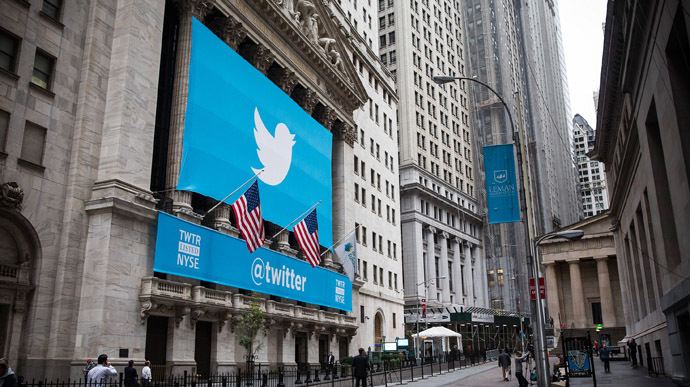
The United States’ Federal Trade Commission (FTC) has imposed a sanction of $150 million on Twitter.

The social media company was allegedly making use of the personal information of its users, which it promised to use to secure their accounts, for target ads.

This is not the first alleged violation of the FTC Act, under which, among other things, the agency is “empowered to prevent unfair or deceptive acts or practices in or affecting commerce.”

In 2011, Twitter settled with the FTC, having been accused of serious lapses in its data security that allowed hackers to obtain unauthorized administrative control of the platform.

The order prohibited misrepresentations around how Twitter maintains information like email addresses and phone numbers collected from users.

The just-announced $150 million civil penalty stems from a new complaint filed by the US’ Department of Justice (DOJ) on behalf of the FTC, alleging that Twitter had violated the order in the earlier case by collecting customers’ personal information for the stated purpose of security and then exploiting it commercially.

The FTC in a statement announcing the fine, said, “Specifically, while Twitter represented to users that it collected their telephone numbers and email addresses to secure their accounts, Twitter failed to disclose that it also used user contact information to aid advertisers in reaching their preferred audiences. The complaint was filed by the DOJ on behalf of the FTC.”

The complaint said users provided email addresses or telephone numbers based on Twitter’s “deceptive statements” that such information would be used for account security, such as two-step authorizations.

“This practice affected more than 140 million Twitter users, while boosting Twitter’s primary source of revenue.” the FTC added.

In addition to imposing a $150 million civil penalty for violating the 2011 order, the new order adds more provisions to protect consumers in the future. The orders are as follow:

  • Twitter is prohibited from using the phone numbers and email addresses it illegally collected to serve ads.
  • Twitter must notify users about its improper use of phone numbers and email addresses, tell them about the FTC law enforcement action, and explain how they can turn off personalized ads and review their multi-factor authentication settings.
  • Twitter must provide multi-factor authentication options that do not require people to provide a phone number.
  • Twitter must implement an enhanced privacy program and a beefed-up information security program that includes multiple new provisions spelled out in the order,
  • Twitter must acquire privacy and security assessments by an independent third-party approved by the FTC, and report privacy or security incidents to the FTC within 30 days.

This is indeed a welcome and commendable measure as was taken by the US’ FTC. This implies that such illegal activity had been taking place across the global community without the knowledge of the apt authorities in various countries where they are operating.

Hence, if well checked or scrutinized, it would be ascertained that other social media networks have equally been carrying out such unauthorized or prohibited acts.

The relevant agencies in other nations are also enjoined to expedite actions in a bid to discover similar prohibited activities, and sanctioning the indicted firm accordingly.

African Tech Firm, BB Incubator, Ludique Works And Start North Come Together To Spread 5G Tech Spaces Across The African Continent

0

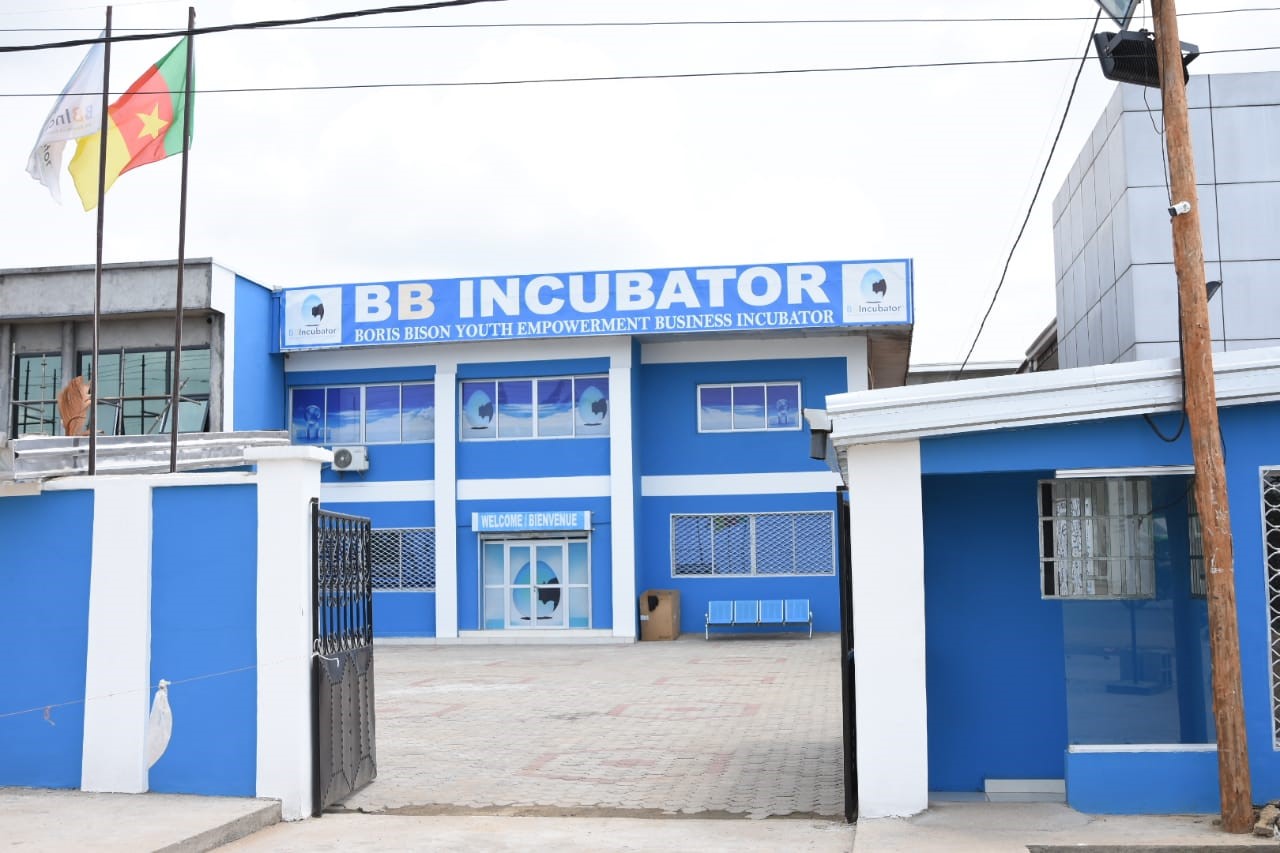
Recently launched Cameroon-based Boris Bison Youth Empowerment Business Incubator (BB incubator), the Pan-African video game publishing company Ludique works, and the Finnish technology learning accelerator network, Start North, have come together to introduce the ‘5G Mokki Tech Spaces’ spaces across the African continent which are a high-tech learning and communication environment.

The BB incubator is known for the provision of office facilities, computer equipment services, internet connectivity, entrepreneurial training, and business advisory services to local start-up companies.

The BB incubator and its start-ups can be used to develop software applications that require ultra-fast internet connections to render immersive, 3D virtual reality and augmented reality (AR) learning experiences, as well as to deliver innovative services and remote work to corporations around the globe.

The 5G wireless communication technology will enable data connections that are faster on mobile services when compared to the fastest fixed broadband services, with its true potential capable of enabling entirely new categories of applications.

Many governments across Africa have been optimistic about the launch of the 5G network on the African continent because it will be very pivotal to moving African nations from the developing phase into the developed stage.

Although some African nations are still struggling to launch the 5G network, due to challenges ranging from infrastructure, expensive nature, adoption issues, as well as the devices needed to utilize it.

However, this initiative by these African tech firms BB incubator, Ludique works, and Start North to spread 5G tech spaces across the African continent is very commendable as it will launch a new vista in the tech ecosystem as well as birth innovations.

Africa no doubt has a young population and growing markets with the potential to become a powerhouse. The continent’s tech ecosystem is very vibrant, supported by a network of more than 600 tech hubs. With the launch of the 5G tech spaces across the continent, it will no doubt create new opportunities for tech start-ups in the African region to be innovative as well as develop locally relevant solutions for the benefit of the society.

Given the overlapping timezones between Europe and Africa, a large number of Europeans will be able to access technology, skilled labor, and services from Africa, via the 5G enabled remote connections in real-time. The 5G Mokki tech spaces also disclosed its plans to provide the technology that enables advanced learning environments with remote connectivity, as well as offering solution content in the fields of technology and entrepreneurship.

The 5G Mokki tech spaces network will also provide an opportunity for International Corporations to tap into highly skilled Young African talent, not only to render remote work but to also spur innovation. The launch of the 5G network will also be beneficial to businesses as it moves at a faster speed, high latency, and high capacity that will transform consumer and business experiences.

A vast number of African nations must move fast ahead of the 5G reality because it will be key to drive for a digital economy. Countries are already adopting 5G to improve their digital economy, as well as connecting the opportunities and devices to endless possibilities. With the adoption of 5G in African nations, they will be able to compete with global competitiveness.

Amid Digital Asset Turmoil, Andreessen Horowitz Announces $4.5bn Fund to Back Crypto and Blockchain Companies

0

The cryptocurrency market has been on free fall for months, erasing billions off the once $2 trillion dollar market. This has seen the market’s frenzy waned as rattled investors sell off their assets in fear of total collapse of the market.

However, amid the market’s turmoil, institutional investment in cryptocurrency is witnessing a surprising uptick that offers hope of a market rebound. Besides countries like the Central African Republic that have adopted bitcoin as a legal tender, states in the US and payment companies are increasingly showing interest in cryptocurrency. Some Silicon Valley big wigs are now betting big on the market’s future.

Andreessen Horowitz has announced plans to throw billions of dollars into crypto start-ups, CNBC has the report.

The Silicon Valley firm announced a new $4.5 billion fund for backing crypto and blockchain companies on Wednesday. It marks Andreessen’s fourth fund for the asset class and brings its total raised for crypto and blockchain investments to $7.6 billion. The firm plans to invest in both the cryptocurrencies behind projects and in company equity.

Andreessen’s first crypto-focused fund was launched four years ago, during a downturn now known as “crypto winter.”

“Bear markets are often when the best opportunities come about, when people are actually able to focus on building technology rather than getting distracted by short-term price activity,” Arianna Simpson, a general partner at Andreessen Horowitz told CNBC in a phone interview.

Cryptocurrencies have slid significantly from their all-time highs, with bitcoin down more than 50% since its November peak, and they remain tightly correlated to higher growth tech stocks, which have undergone a major slide this year. Earlier in May, the crash of stablecoin TerraUSD shook investor sentiment and caught the attention of regulators.

But Simpson said investors should not worry about the firm’s bets.

“The technical diligence and the other kinds of diligence that we do are a key part of of making sure that projects meet our bar,” she said. “While our pace of investment has been high, we continue to invest really in only the top echelon of founders.”

Simpson and partner Chris Dixon liken the long-term opportunity in crypto to the next major computing cycle, after PCs in the 1980s, the internet in the 1990s and mobile computing in the early 2000s.

Andreessen Horowitz is known for early bets on Lyft, Pinterest and Slack, and made its first major crypto investment with Coinbase in 2013. The firm has since backed a variety of start-ups in the crypto and NFT space, including Alchemy, Avalanche, Dapper Labs, OpenSea, Solana and Yuga Labs. Earlier this week it invested in Flowcarbon, a carbon-credit trading platform on the blockchain also backed by controversial WeWork founder Adam Neumann.

While cryptocurrencies may be struggling to regain momentum, money flowing into private companies is at all-time highs. Blockchain start-ups brought in a record $25 billion in venture capital dollars last year, according to recent data from CB Insights. That figure is up eightfold from a year earlier. Yes, besides the consumer use cases of blockchain, the enterprise blockchain use cases are many, and those applications could redesign and transform industries. That is why leading investors are pouring funds into blockchain ventures.

The flood of investment into so-called “Web3” start-ups trying to build businesses on blockchain technology has inspired scorn from some tech luminaries. Two of the world’s best-known tech billionaires, Tesla CEO Elon Musk and Twitter co-founder Jack Dorsey, have been among those questioning “Web3.” Dorsey argues VCs and their limited partners are the ones who will ultimately end up owning Web3 and it “will never escape their incentives,” he tweeted, calling it a “centralized entity with a different label.”

“The people who are skeptical are not where we are, which is again in the fortunate position of being able to talk to these brilliant builders all day,” Simpson said. “The other thing I would add is that many of the skeptics are the titans of Web 2.0 — they have been very much in a position to profit from and benefit from the closed platforms.”