DD
MM
YYYY

PAGES

DD
MM
YYYY

spot_img

PAGES

Home Blog Page 5143

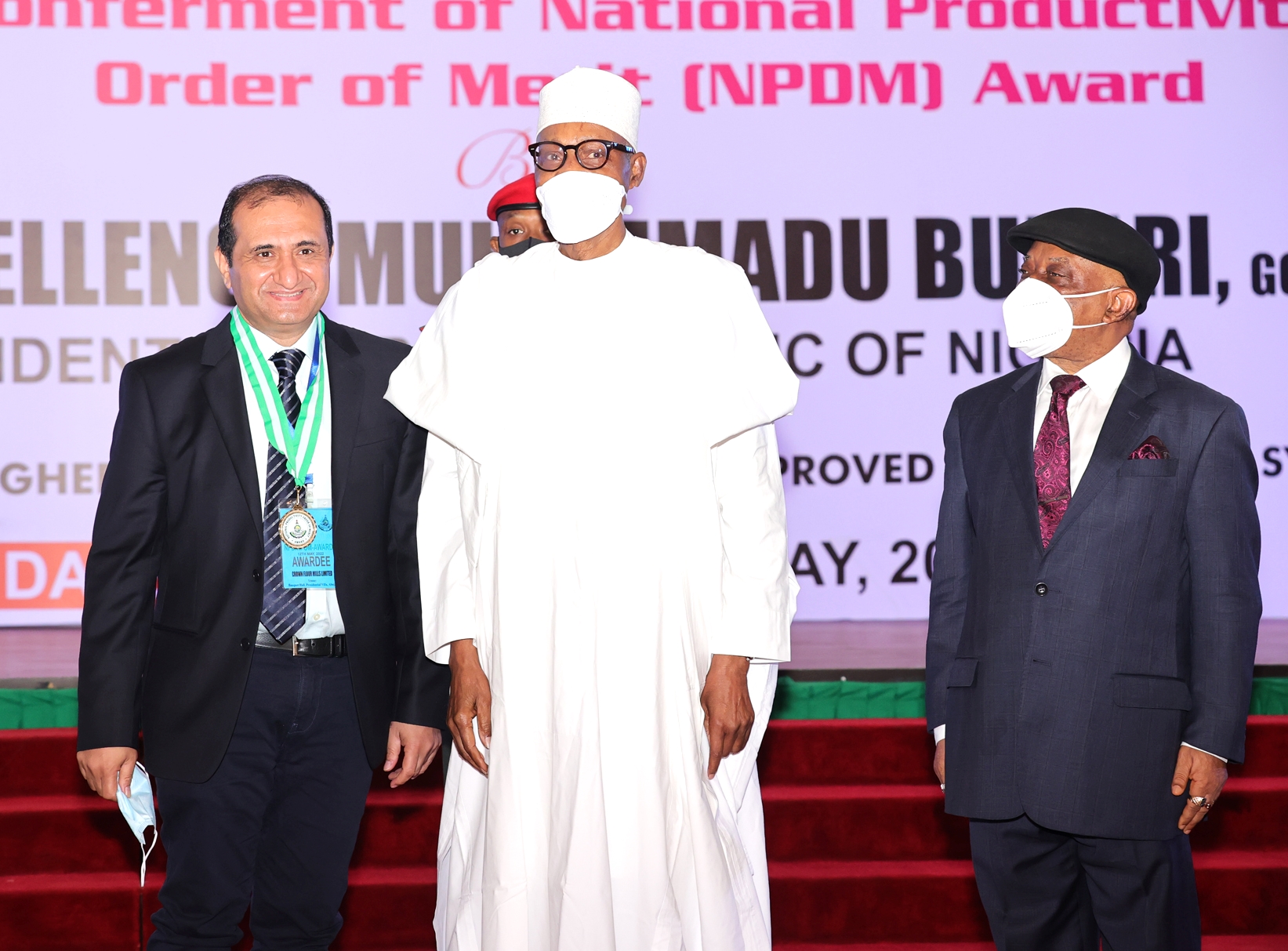
President Buhari Honours Agro-innovators, Crown Flour Mill, with National Productivity Order of Merit Award

0

They are innovators of distinction in the agricultural value chain. They have played major and catalytic roles in feeding Africa. Three years ago, they invited me to speak before their top management. I began by thanking Olam Agri and its subsidiaries for the work they have done in making sure that Africa will have a secured food future and an agric-based economy for the continent. That future requires innovation to boost productivity, optimize resources and farm in ways that are environmentally friendly and sustainable.  

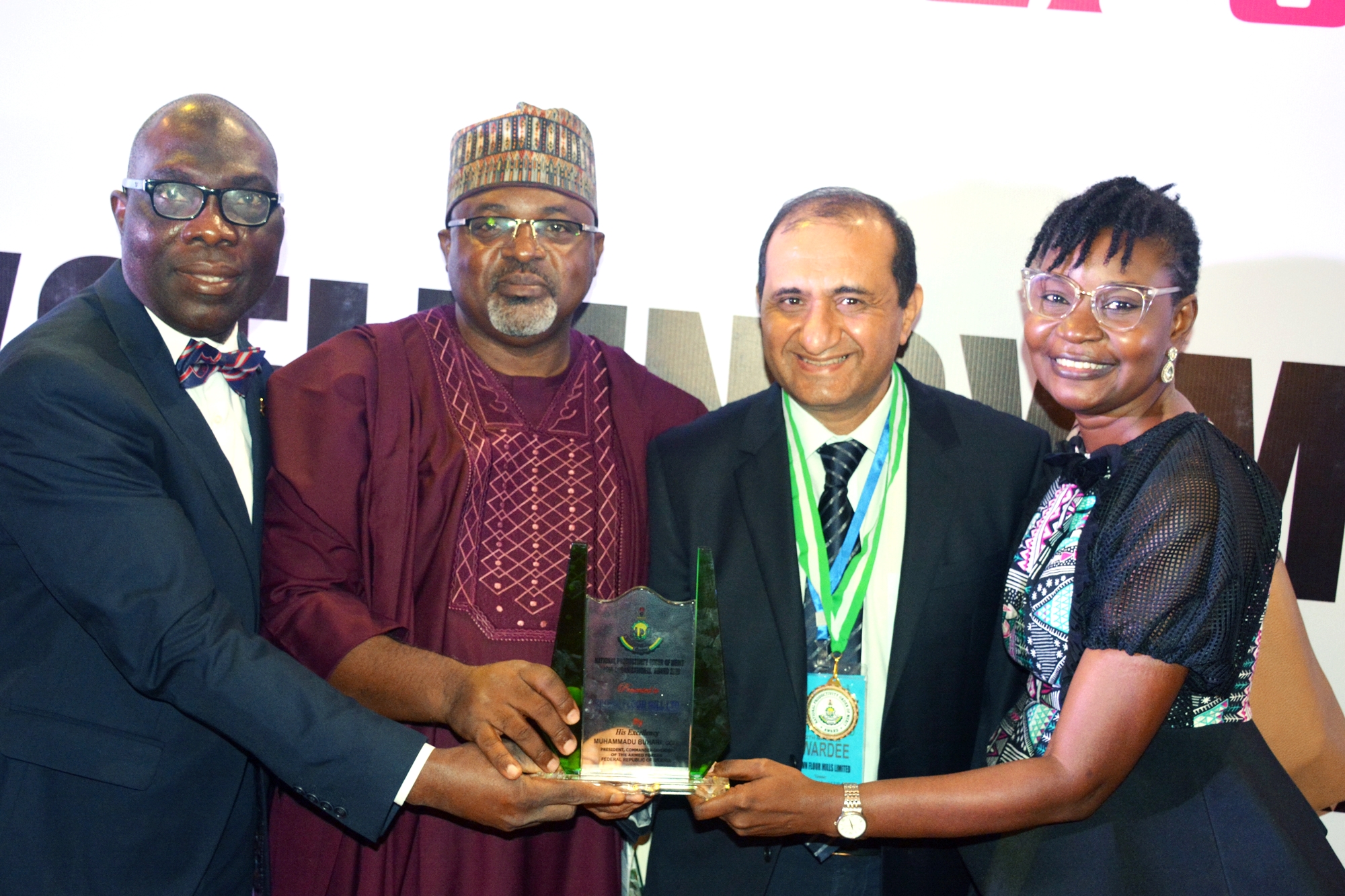
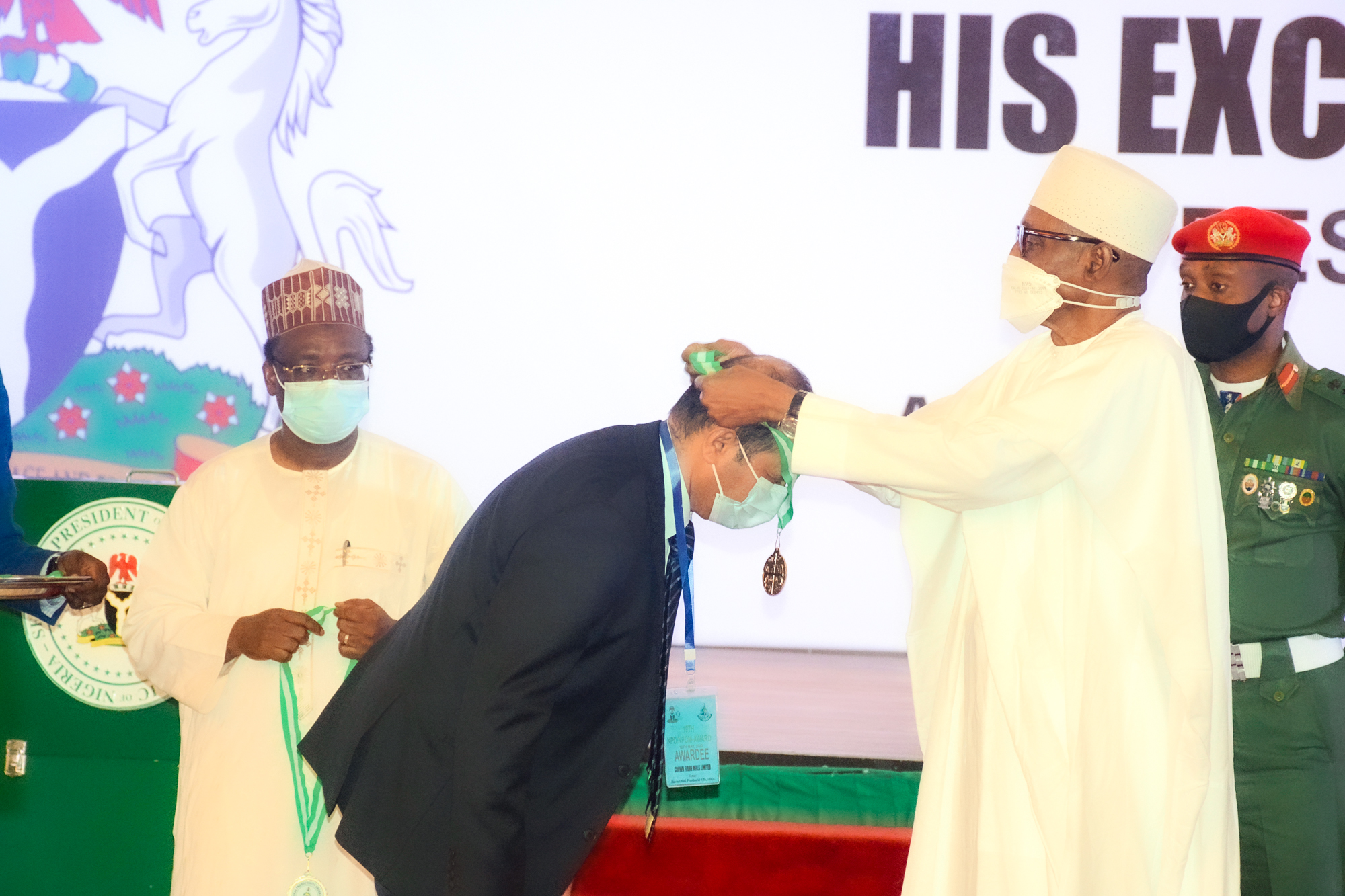
That commitment is evident and I am happy to join the Nigerian people to congratulate Crown Flour Mill (CFM), the flour milling subsidiary of Olam Agri, a key investor in agro value chain, for receiving the prestigious National Productivity Order of Merit Award from President Muhammadu Buhari on May 12 in Abuja. Specifically, I congratulate Ashish Pande, the Managing Director of CFM and my good friend, Sid, who ran the R&D, for what this company has accomplished.

Improving market standards, delivering outcomes that benefit all stakeholders – business, communities, workers, etc – will remain the core of great companies. This award from the Nigerian people should motivate Olam to continue to do more. Yes, more investments on the Seeds for the Future Programme, driving the wheat self-sufficiency agenda in Nigeria, and other programs.

From all of us at Zenvus, congratulations CFM and Olam Agri for receiving this national award and your support to indigenous local innovators like my small company. Win more markets and feed ALL.
—Press release–

CFM’s Journey to a Well-Deserved National Award

When Ashish Pande, the Managing Director of Crown Flour Mill (CFM), the flour milling subsidiary of OlamAgri, a strong investor in the Nigerian agriculture value chain, rose to the podium to receive the National Productivity Order of Merit Award from President Muhammadu Buhari on May 12 in Abuja, the rapt applauses from the country’s finest business leaders present at the occasion confirmed the recognition was well-deserved.

The enthralling ovation was also proof that bold businesses can set themselves on the path to sustained national relevance through a commitment to raising market standards and delivering consistent impressive performances that impact the livelihood of the citizens.

In the wheat value chain, the efforts of CFM, in collaboration with vital local and global partners are remarkably galvanizing actions towards improved local wheat production. The business’ scaled investment in seed trial and research, distribution of farming inputs to local wheat farmers and the stimulation of wider adoption of mechanized farming techniques among smallholder farmers is spurring increased harvest yield. In 2021, an estimated 847 tonnes of wheat were collected for off-take by members of the flour milling association and to which CFM is a key member.

The business strategic approach to developing the wheat value chain recently triggered a pivot to deepening the stakeholder engagement in the value chain through a consultative forum – webinar series tagged the Olam Green Land Webinar Series.

Since the year 2021, the flour milling firm has channelled significant investments in bringing together top officials from the Federal Ministry of Agriculture and Rural Development (FMARD), the Central Bank of Nigeria (CBN), the Lake Chad Research Institute (LCRI), and global experts in plant breeding and genetics to discuss ways to improve local wheat production in Nigeria.

Under the auspices of its signature and flagship wheat value chain development vehicle christened “Seeds for the Future” Programme, the business undertakes interventions in research and development, innovation, education, and economic empowerment, on a sustainable basis. The programme kicked off with wheat seeds trial project in 2021. On the project, CFM is committing N300 million ($750,000), one of the largest private investments in the wheat value chain, to drive the country closer to its aspiration of attaining self-sufficiency in wheat production.

The programme involves a strategic partnership with the national agriculture research agency and renowned global experts in plant genetics to conduct a wider trial of heat-tolerant seeds as well as training local smallholder farmer women cooperative members across the wheat farming belts as seed-multipliers.

It is estimated that the programme will engage at least 10,000 farmers as seed multiplicators who will cultivate about 100,000 ha of land with high-yielding seed varieties by 2030. An estimated 200,000 tonnes of seeds are expected to be generated in the process for multiplication and commercialisation with a stronger impact on the income levels of smallholder farmers in Nigeria.

Also, recently, under the Seeds for the Future Programme, CFM embarked on the upgrade of a  school in indigent communities to provide sound academic foundations for future leaders of the country as part of an overall focus on the development of Nigeria through the Seeds for the Future initiative. Similarly, as part of concerted efforts to help improve wheat cultivation in the wheat farming belts, the business donated irrigation facilities including pumping machines to female wheat farmers in key locations also in the year 2021. 

CFM is at the fore of providing affordable and safe food brands for Nigeria’s teeming population. It was among the first food manufacturers in Africa to deploy a Vitamin Premix facility in its factories to ensure all its food brands contain essential minerals as stipulated in the global Micronutrient Fortification Index (MFI). For that valuable effort, the firm received the award of Industry Leader in Quality Systems and Fortification in the year 2021.

Meanwhile, it is in the areas of generating good jobs for the economy and providing top working conditions for its employees that perhaps CFM is having the greatest impact. Apart from being a formidable part of the Olam Agri Group that ensures over 5 million smallholder farmers across the globe continue to access a ready market for their outputs and earn stable incomes for their produce, the business employs local talents from various fields in Nigeria.

Most notably, between the years 2020 and 2021 CFM invested N120 million in training 1,500 local bakers in modern baking practices. It is setting up well-equipped baking schools in select states of the country to engage more bakers. The training received during the programmes is helping to improve productivity level as well as generate good incomes for more local households.

The business aslo demonstrated its support for environmental sustainability by engaging in a tree planting campaign in the year 2021, as part of concerted efforts aimed at reducing its carbon footprint.

Considering the over 10,000 smallholder farmers to be engaged in the Seeds for the Future programme, the  number of bakers trained annually in CFM baking schools, the supply chain players in the retail sectors stocking the firm’s popular food brands, the multiple scientists and researchers working for the firm at the production level of the value chain, and an impressive line of administrative officers sourced from all the geopolitical zones of the country running the business amongst others, CFM is a great enabler of a robust national economic performance.

Emphasizing the value of productive contribution to the economy, President Muhammadu Buhari explained at the awards ceremony:“Productivity is a vital determinant of economic growth, social progress and improved standards of living.”

The business has committed to ensuring  that its productivity rate will continue to reflect on the  national gross domestic production (GDP) rating.

S&P 500 Explains Why Tesla Was Kicked Out of ESG Index

0

Tesla CEO Elon Musk included FSG in his criticisms on Twitter that have lasted for weeks, touching many areas, from his Twitter acquisition bid to politics.

His attack on the FSG came after Tesla stock was kicked out of the S&P 500 ESG Index on Wednesday despite its focus on making electric vehicles, solar panels, and battery packs.

Insider reports that S&P Global executed its fourth annual rebalance of the sustainably focused, large-cap index this week, and the portfolio looks relatively similar to the plain-vanilla S&P 500 index. The S&P 500 ESG Index holds 308 stocks and counts Apple, Microsoft, Amazon, and Alphabet as its top four holdings.

The report added that Tesla, which is the fifth largest holding in the S&P 500, was ineligible to be included in the ESG index due to its low S&P DJI ESG score, according to S&P Global. That score fell in the bottom 25% of its industry group peers. Tesla joins Berkshire Hathaway, Johnson & Johnson, and Meta Platforms as the top mega-cap companies that have been excluded from the index.

“ESG is an outrageous scam! Shame on S&P Global,” Tesla CEO Elon Musk tweeted in response to the development. “Exxon is rated top ten best in world for environment, social & governance (ESG) by S&P 500, while Tesla didn’t make the list. ESG is a scam. It has been weaponised by phony social justice warriors,” Musk added.

Following Musk’s criticism, S&P Global explained why Tesla was removed from the index, citing many reasons. These reasons were said to have outweighed Tesla’s commitment to transitioning the world to cleaner energy, according to S&P Global.

“First and foremost, the GICS industry group in which Tesla is assessed experienced an overall increase in its average S&P DJI ESG score. So, while Tesla’s ESG score has remained fairly stable year-over-year, it was pushed further down the ranks relative to its global industry group peers,” S&P Global explained in a blog post.

As noted by Insider, the reason makes sense given that legacy automakers have turbocharged their efforts to jump into the electric vehicle space over the past year.

Other reasons for Tesla’s fallout from the index is its lack of a low-carbon strategy and codes of business conduct, and the company’s exposure to risks stemming from its involvement in controversial incidents.

“A media and stakeholder analysis identified two separate events centered around claims of racial discrimination and poor working conditions at Tesla’s Fremont factory, as well as its handling of the NHTSA investigation after multiple deaths and injuries were linked to its autopilot vehicles,” S&P Global said.

Those events led to a lower ESG score for Tesla, leading to its elimination from the index.

“While Tesla may be playing its part in taking fuel-powered cars off the road, it has fallen behind its peers when examined through a wider ESG lens,” S&P Global concluded.

Tesla stock fell about 5% in Wednesday trades amid a broader market sell-off. The world-leading EV manufacturer is facing an uptick in competition as more auto companies, particularly in Europe, make a shift to environment-friendly vehicles.

Musk’s continuous controversial tweets have also continued to affect Tesla’s stock and his personal fortune. Tesla’s stock has sunk by 29% since Musk announced his Twitter acquisition bid.  This has forced his net worth, which is largely tied to Tesla’s stock, to drop from $251 billion to $210 billion, or 16.3%.

But he appears not ready to stop. On Wednesday, Musk tweeted, following previous bashings of Democrats, that he will hence be switching his votes to the Republicans.

“In the past I voted Democrat, because they were (mostly) the kindness party. But they have become the party of division & hate, so I can no longer support them and will vote Republican. Now, watch their dirty tricks campaign against me unfold,” he wrote.

Musk’s unrelenting controversial tweets means that Tesla is likely going to take further hits.

Autocheck Acquires Moroccan KIFAL Auto to Expand into North Africa

0

Autochek has entered into the North African auto market with the acquisition of Morocco’s KIFAL Auto for an undisclosed fee. This comes seven months after it entered the East African market with the acquisition of Cheki Kenya and Cheki Uganda from Ringier One Africa Media, and 20 months after it acquired Cheki Nigeria.

Launched in 2020, Autochek combines technology, underpinned by data analytics to deepen auto finance penetration across the continent.

With this acquisition, Autochek wants to tap into the budding automotive industry in Morocco which was valued at $4 billion in 2021 and is expected to reach $5.5 billion by 2027. In 2021, car sales in Morocco exceeded 160,000 units, creating more than 220,000 direct jobs. The industry is also expected to contribute as much as 24% to the Moroccan GDP by 2022.

This acquisition now makes Autochek present in six African countries, including Ghana, Côte d’Ivoire, and Uganda.

Autochek co-founder and CEO, Etop Ikpe, said in a statement that the acquisition will help the auto company to tap into huge opportunities that abound in the Moroccan auto market.

“From my first interaction with Nizar and his team at KIFAL Auto, I was so impressed by their passion for delivering effective solutions and their commitment to innovation. They have built an excellent platform and we are thrilled to have them onboard at Autochek to support the work we are doing to improve the automotive finance value proposition in Africa. There are so many parallels in our individual stories and I look forward to a long and mutually-beneficial relationship for years to come.

“I have long been an admirer of the work Autochek has done to enable improved experiences across Africa’s automotive value chain. There is so much we can learn from each other, and I am looking forward to bringing my experience and expertise to deliver more game changing innovation in Morocco and beyond,” he said.

KIFAL Auto was founded in 2019 by Nizar Abdalaoui Maane, and it has grown since then to become one of the biggest players in the Moroccan auto market. Maane said the acquisition will boost KIFAL’s growth potential.

“In our Industry and especially in an African context, it makes a lot of sense to continue growing with a large player. Morocco is a gateway into North Africa and I am confident that we can unlock new value and drive further transformation across the board,” he said.

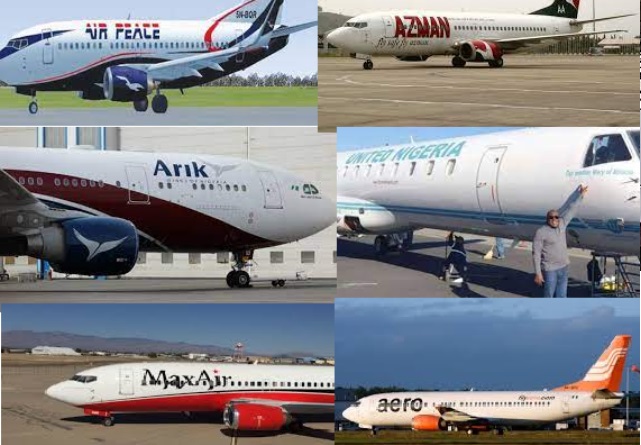
Nigerian Airlines Again Raise Fare As Fuel Crisis Persists

0

A week after the Nigerian National Petroleum Company (NNPC) intervened to resolve the aviation fuel crisis in the country, investigations revealed that supply from the NNPC has been used up as airlines grappled with price hikes amid scarcity.

The fuel scarcity forced most airlines to increase their fare to N55,000 as the base fare benchmark. Just recently, with the fuel scarcity still ravaging the aviation sector, domestic airlines in Nigeria have further raised their fare above the N50,000 base fare, with some airline tickets sold up to N60,000, as the fuel crisis in the industry continues to linger.

The scarcity has greatly affected the aviation sector on seamless conduct of air transport operations, which has led to a lot of flight cancellations and rescheduling. These airlines are also faced with the issue of low patronage, as not everyone can afford the base fare, and things have gone worse as most airlines have raised their fare to even N80,000.

There have been complaints from a lot of Nigerians as their plans and schedules have been altered due to the outrageous amount of airline fare prices. Recall that two weeks ago, airlines in the country threatened to shut down operations due to an increase in aviation fuel prices, but after swift intervention from the Nigerian National Petroleum Corporation (NNPC), the house of representatives, and the aviation ministry, the airlines had to desist from shutting down to continue operating.

The fuel crisis disrupting airline operations in the country is simply a result of the failure of the leadership. I am always perplexed as to why a country so rich in crude oil will be faced with shortage of fuel. What an irony! The government has to be blamed for not building a functioning refinery that would have helped to mitigate the fuel crisis.

Despite the huge billions of naira being invested in building a refinery over the years, there has been a lot of sabotage which has made things not work. There is an urgent need for Nigeria’s local refineries to be fixed as a matter of national emergency, to put an end to this reoccurring fuel crisis.

This aviation fuel crisis negatively impacts the nation’s economy as air transportation, with its associated complex networks, is a major source of transportation for people, goods, and services. The air transport sector contributes about N59 billion to the national GDP of Nigeria, which supports about 159,000 jobs and pays about N8.5 billion in tax annually.

Jet fuel scarcity leads to consequential flight disruptions and cancellations which have mostly become a yearly occurrence in the country. The government must understand that adequate fuel supply and availability of fuel for airlines in the country is very vital for economic sustainability.

It might interest you to know that all jet fuel consumption in Nigeria is imported, which creates pressure on the jet fuel supply chain. Hence, importation may not always be sufficient to meet the needs of the airlines in the country. The government must be hell-bent on building refineries, not just to refine fuel, but also to produce jet fuel locally, to mitigate the issue of the jet fuel crisis, as sometimes the process of obtaining jet fuel takes a lot of time which is not ideal for a nation’s airline sector.

Air transportation is critical to businesses and other economic activities in Nigeria, as it is one of the major sources of revenue for the country which generates earnings from both passengers and cargo movements.

Tekedia Capital Makes Investment in a Biomed and Clinical Service Startup

0

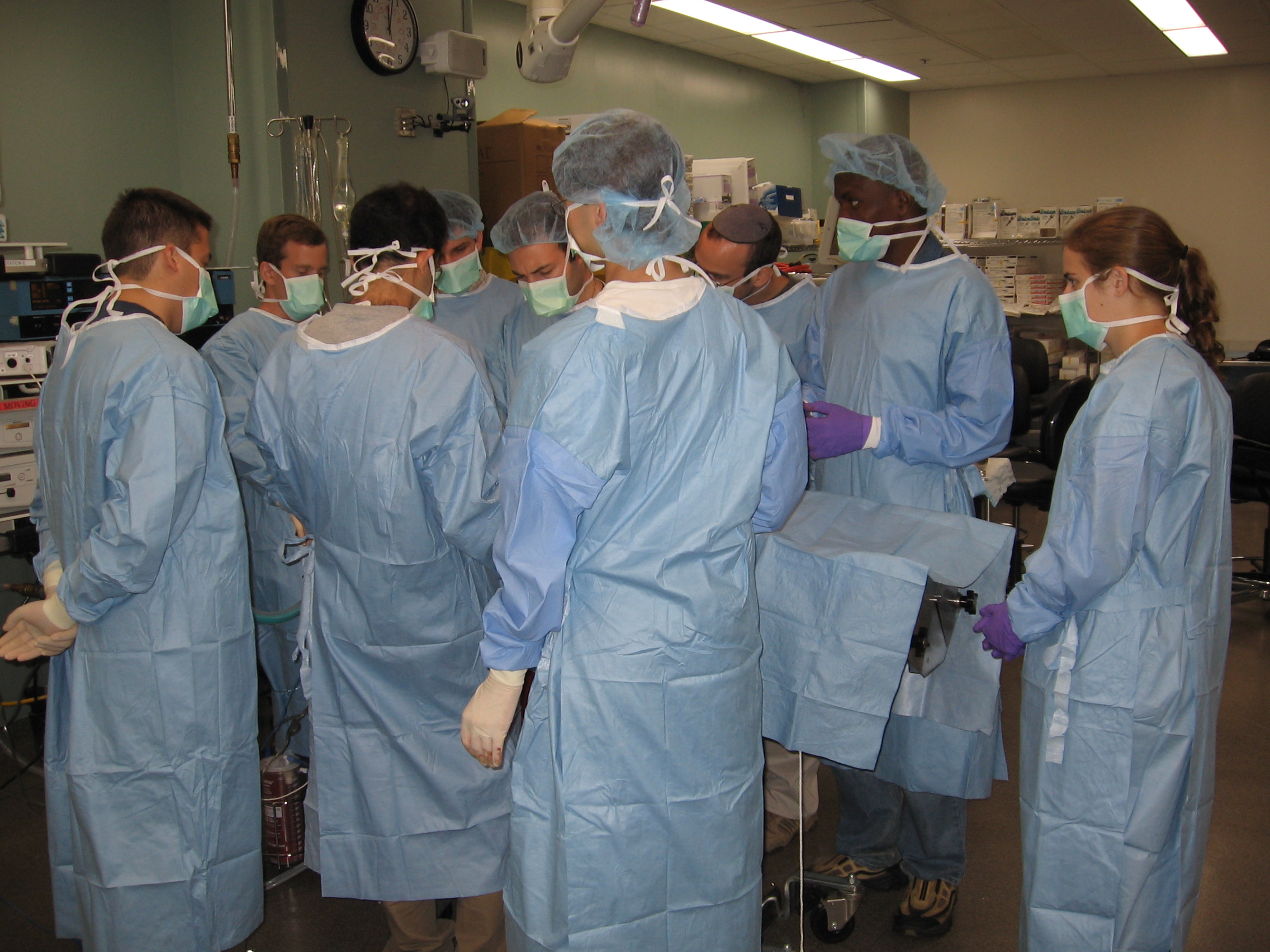
Evidence-based precision medicine with doctors performing scientific miracles in operating rooms. As an engineering student who was creating technologies for operating rooms, I was involved in some of those experiments, to engineer tools of the future, to make doctors stars before patients. Through abdominal, thoracic, etc  surgeries on pigs, I have tested tools, in operating rooms, which end up being used by the experts on humans.

But doing them in America does not remove the fact that Africa needs modern healthcare. Next quarter, we will unveil an amazing healthcare company. It is a biomedical research and clinical services startup that  integrates biomedical research insights with clinical service to advance precision medicine for improved patient outcomes.

It will save lives at scale in Africa. Stay tuned as we continue to build a new Africa through entrepreneurial capitalism. Tekedia Capital >> building the NEXT Africa.

Photo: testing a medical tool in operating room on a pig