DD
MM
YYYY

PAGES

DD
MM
YYYY

spot_img

PAGES

Home Blog Page 5148

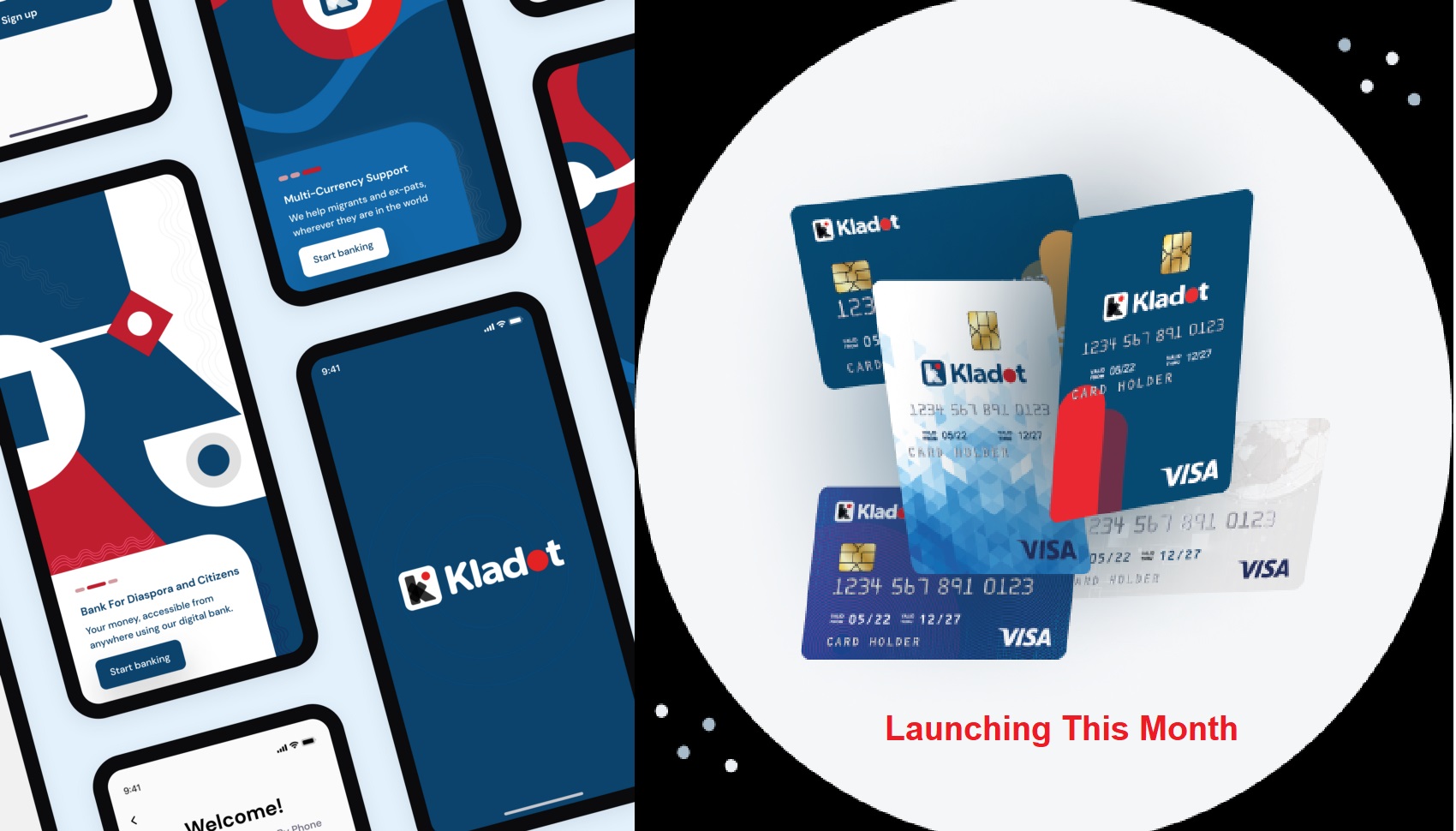
Tekedia Capital Portfolio US-Based Neobank, KlaDot, Will Launch This Month

0

Good People, I am happy to share that our US-based neobank has performed a live transaction after we received a production-level approval from the United States regulators. We will be launching this month with support to more than 33 countries and 27,000 waitlist customers. The Visa cards (physical, virtual and wallet) are also approved to go live.

We have built this neobank for immigrants, expatriates and global citizens. With KlaDot, you can have a bank account in Nigeria with a US or UK or EU or from other 31 countries. Our APIs will make it possible for your Ghana, Nigeria, etc banks to virtualize an offshore bank account. This goes beyond multi-currency; this is real banking with the best technology stack you can imagine.

We have licenses for money transfers in the United States and Canada which means you can also move funds within the wallet, while complying with all international money transfer regulations. Tekedia Capital is an institutional investor in this company.

I will announce here once we go live: begin to plan. I want us to open 50,000 accounts in the first one week. Banks across Africa, you will need our APIs to bring modern banking to your customers! 

Prepare for #ModernBanking.

Akamu to America: Ovim can supply with CBN support as America looks for baby food

3

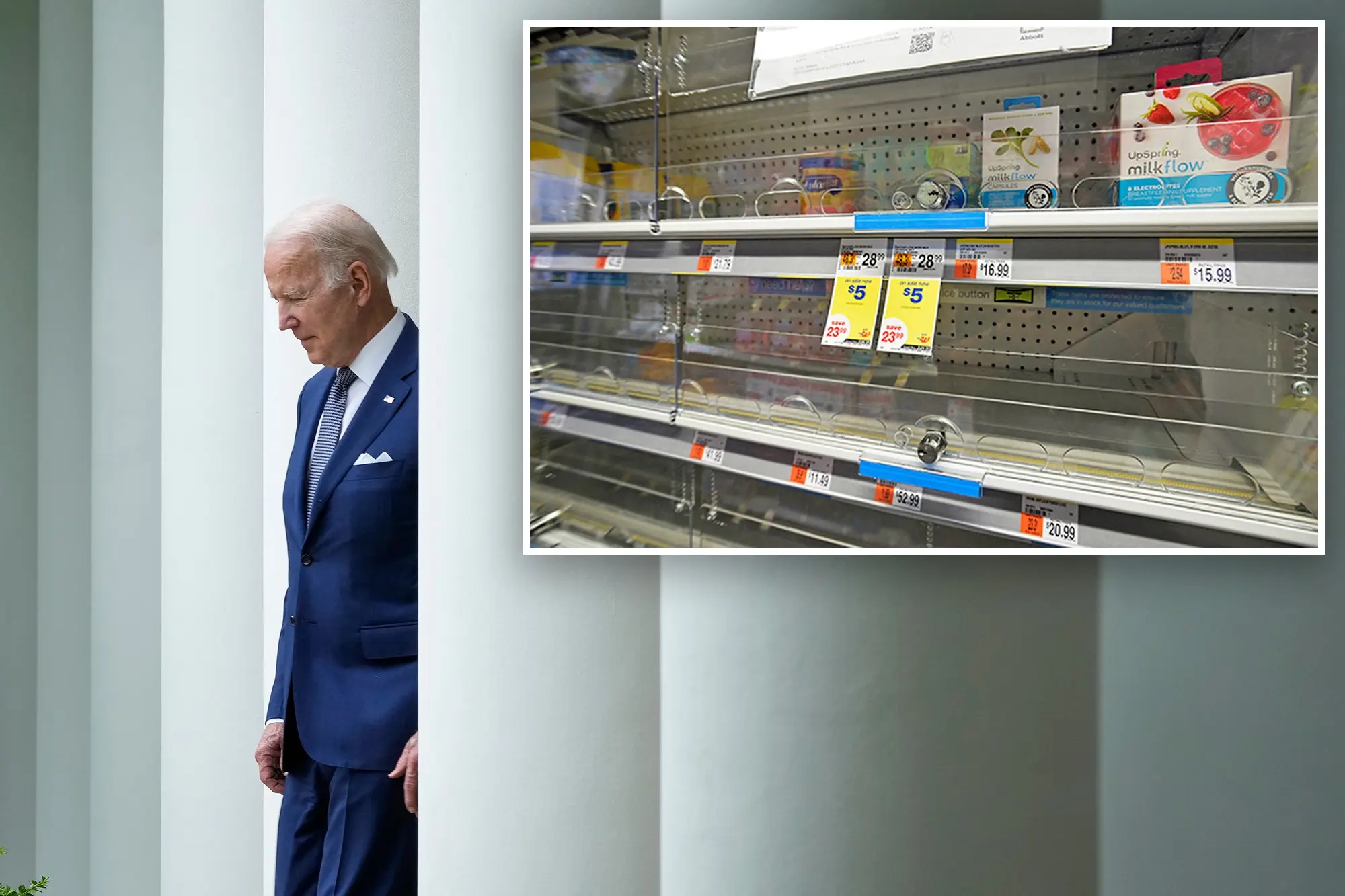
In America, baby food has become a “war”-like matter. Yes, “President Joe Biden announced on Wednesday that his administration would be taking new actions to attempt to alleviate ongoing infant formula shortages in the United States, including invoking the Defense Production Act. The President is invoking the act — which allows the government more control over industrial production during emergencies — to direct suppliers of formula ingredients to prioritize delivery to the manufacturers of formula.”

Typically, you do that during warfare or uncommon events like Covid-19 pandemic (making ventilators). But finding baby food now in America is like war and Mr. President has responded. With this, the government can direct what a private company should focus on. And the big one – US will be sending Defense Department planes to buy and  import formula from abroad.

America: we have akamu in Ovim, Abia State. We can offer discounts. That is baby food! Akamu to America: more forex for the Nigerian people; go for it. CBN – did you copy me? Fund the production of akamu as US needs baby food, urgently.

Biden also wrote in a letter to Agriculture Secretary Tom Vilsack and HHS Secretary Xavier Becerra on Wednesday that he was requesting they both “work expeditiously to identify any and all avenues to speed the importation of safe infant formula into the United States and onto store shelves.”
“I further request that over the next week you work with the Department of Defense to utilize contracted aircraft to accelerate the arrival of infant formula into the United States that meets our Government’s health and safety standards. This will ensure that we are using every available tool to get American families swift access to the infant formula they need,” he continued.
The Biden administration has faced growing questions and criticism for a national formula shortage that has anxious and angry parents hopping from store to store in search of baby food.
Wednesday’s announcement follows other steps the administration has taken over the last week to address concerns about a months-long formula shortage, which has worsened as a result of supply chain issues and the extended closure of a major formula plant in Michigan.

Jumia Needs To Find “Profits”, Fast

2

On Jumia’s recent quarterly earnings, let’s focus on JumiaPay, the double play for Jumia: “The total payment value (TPV) of its fintech arm, JumiaPay, grew by 36.7% to $70.7 million in the first quarter, primarily supported by solid growth in GMV. Total transactions on JumiaPay reached 3.2 million in Q1 2022, indicating a 32% year-over-year increase.” Also, JumiaPay was granted a Payment Service Solution Provider (“PSSP”) license by the Nigerian government. With that, it can process 3rd party transactions.

Great numbers but … the problem: losses: “Jumia’s adjusted earnings before interest, taxes, depreciation and amortization (EBITDA) loss was $53 million in Q1 2022, a 70% year-over-year increase. But it’s a sequential-quarter drop from the $70 million recorded in Q4 2021”.

Wall Street is not happy; Jumia is down more than 6% as I write, losing some of the gains it picked yesterday. From all elements, Wall Street wants to see “profit” or a path to it in this company. Indeed, the best investors are profitable customers!

Moving on: Jumia’s losses are not coming down. Last quarter, the company said it planned to spend up to $55 million in sales and advertising in the first half of 2022. So far, it has coughed out $18.8 million this quarter in that category, up 94% year-over-year.

Jumia’s adjusted earnings before interest, taxes, depreciation and amortization (EBITDA) loss was $53 million in Q1 2022, a 70% year-over-year increase. But it’s a sequential-quarter drop from the $70 million recorded in Q4 2021, a figure co-CEO Poignonnec, on a call with TechCrunch, said the company would ensure it doesn’t surpass going forward. 

The e-commerce company traded at $5.53 per share before its earnings call, a significant drop from the $25 range it traded in on the bourse this time last year. But its share prices fare better now at $6.87 (at the time of writing) as it has shown steady growth in the vital parts of its business in its earnings report. But mounting losses with profitability far in the future, blended with continued share sell-offs of tech companies from Q4 2021 up until now, has contributed to its depressed valuation compared to historical levels.

Two Nigerian Start-Ups, Paddy Cover And Pricepally Win $200,000 At Lagos Talent Show

0

Two Nigerian technology start-ups, Paddy Cover and Pricepally have won the Dubai world trade center’s $200,000 Lagos talent show. The two start-ups, Paddy Cover, Co-Founded by Mayowa Owolabi and Tobi Obasa, and Food sourcing and distribution tech firm, Pricepally founded by Luther Lawoyin beat 24 other contestants to emerge victorious among those who pitched their ideas before six judges.

Their win will see them go on an all-expense-paid trip to Dubai to pitch their idea to over 400 investors and thousands of technology ecosystem players at the GITEX 2022 exhibition for a chance to win $200,000. They will all meet at the Dubai World Trade Center in Dubai, in October for the five-day business show, mentorship, and networking with world technology business leaders.

The Gulf Information Technology Exhibition (GITEX), is an annual consumer computer and electronics trade show exhibition and conference that takes place in Dubai at the Dubai world trade center. According to information, GITEX is renowned for being one of the world’s most influential meeting places for the tech industry which brings together innovators, founders, creators, and the likes.

A lot of start-ups are often faced with the challenge of funding, but it is a great thing that we now have companies that are ready to fund such start-ups provided that they meet up with the criteria. The two start-ups that won the Lagos talent show in partnership with GITEX, will see them being marketed early and connected to various investors across the globe so that they can get the necessary visibility.

It is indeed an ecstatic feeling that start-ups in Nigeria are beginning to get the exposure and platforms to pitch their ideas and get the necessary funding. Kudos to the Nigeria Information Technology Development Agency (NITDA) for entering a partnership with GITEX to be able to harness great talents in innovative talents within the country.

What is more interesting about all of these is that Dubai and GITEX are keen to be part of the start-up ecosystem in Lagos Nigeria. This initiative is for them to explore more opportunities so that the winners of the talent show will be participating in the North star program which holds in Dubai, with the hope of getting more investors and access to the UAE market.

The director-general of the Nigeria Information Technology development agency (NITDA) Mallam Kashifu Abdullahi pledged not to relent in providing assistance and support to young Nigerian citizens with start-ups, to catalyze the entire tech ecosystem in the country, toward building a digital economy.

According to the director of the Dubai world trade center, Mr. Zarko Ackovih, he disclosed that the organizers recognize Nigeria as having the largest ecosystem in the whole of Africa, but he noticed that they do not see too much of African and Nigerian start-ups come up for expansion which was why they decided to come to the region to offer the opportunity for the start-ups.

Indeed the partnership of the NITDA and GITEX will provide opportunities for start-ups in the country to access both local and foreign markets. There will also be massive growth in the ecosystem in the country which will accelerate Lagos State as a tech hub, and give them more recognition globally because of the partnership with the UAE.

Nigeria’s Banker Urges Government To Avoid Policy Flip-Flop For Economic Boost

0

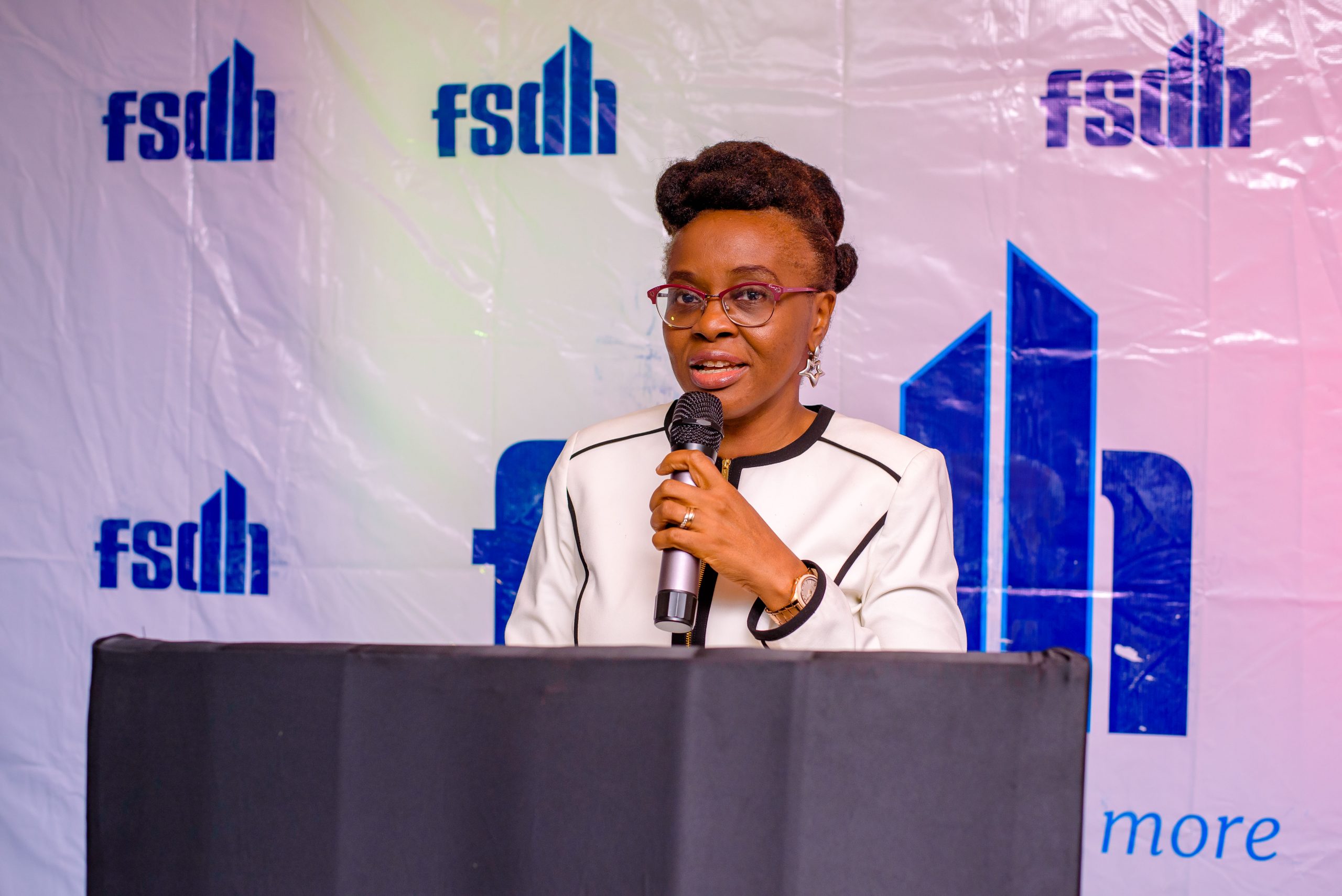
The Managing Director (MD) of FSDH Merchant Bank, Bukola Smith, has stated the government of Nigeria must avoid policy flip-flops to restore confidence in the country’s economy with a focus on the investment market.

Speaking at the bank’s Breakfast Series, which focused on RT200 Foreign Exchange Programme, Smith believes consistency in predictable policy direction would raise the confidence of foreign investors, which is necessary to boost foreign exchange earnings.

She noted policy inconsistency had led to the drastic reduction in export earnings, a situation that had triggered a deficit in the country’s current account. She therefore challenged the government to strive to bridge the growing gap between imports and exports in the country’s commercial affairs.

The banker, thus, strongly urged the government to work extra hard to shore up the country’s dwindling external reserves towards averting a major crisis in the near future.

It’s noteworthy the gross reserves dropped to $39.04 billion on Wednesday, 11th May 2022, the last time it was updated. The figure was the lowest Year-to-Date (YTD).

Smith told the participants at the meeting that a consistent fall in the reserves was a major red signal the national economic managers could not continue to ignore.

If the RT200 scheme is properly implemented, she said, “It will help us to earn more sustainable FX, reduce exposure to volatile FX, increase export, which we need to achieve and help to diversify from oil”.

According to her, unstructured procedure, corruption and rejection of the country’s exports are some of the threats to the scheme. These, she said, must be addressed urgently as necessary steps had been taken towards making a success of the initiative.

On his part, a trade expert in the person of Bamidele Ayemibo, who gave a keynote speech at the Series, charged the government to urgently tackle the conception risk posed by over-dependence on crude as a source of FX earning.

Ayemibo picked on the height of the COVID-19 crisis in 2020 when oil prices dropped to a negative region, opining that it represented the future of hydrocarbon.

Arguing that non-oil export is the most sustainable FX earner at the moment, he pointed to people, process and payment as some of the most challenged areas that must be addressed to grow the non-oil economy.

The expert stated that the impacts of the Russian-Ukraine war were real with “countries that are ready already taking advantage of the supply gap created by the crisis”.

He noted that Nigeria could leverage the challenge to its advantage but added that hard decisions had to be made to catch up with what other countries around the world are doing in that regard.

According to Ayemibo, part of the quick actions that must be made included growing value-added products, which would require agro-processors partnering farmers.

It has become indisputable that unsteady policy has remained one of the main reasons the Nigeria’s Commerce and Industry sector is still epileptic, or lagging behind, even when many countries look up to her for various supplies.

Consistency in policy direction remains the backbone of any flourishing economy across the globe. It suffices to assert that countries, whose policies are usually flip-flop, continue to witness unpalatable growth in their industrial prospects.

To get it right, Nigeria’s leadership must be ready to take drastic measures that would stabilize the country’s foreign reserves no matter whose ox is gored. Hence, the parallel (black) market as regards the money market needs to be eradicated from the system. But to actualize this, the official wing domiciled in the banking sector must be duly sanitized.

Also, the various borders of the country must be strengthened to prevent influx of unwanted commodities, which is currently the order of the day. Thus, corruption must be fought to standstill.