DD
MM
YYYY

PAGES

DD
MM
YYYY

spot_img

PAGES

Home Blog Page 5192

Poor Electricity Supply In Nigeria – Impact On Businesses

0
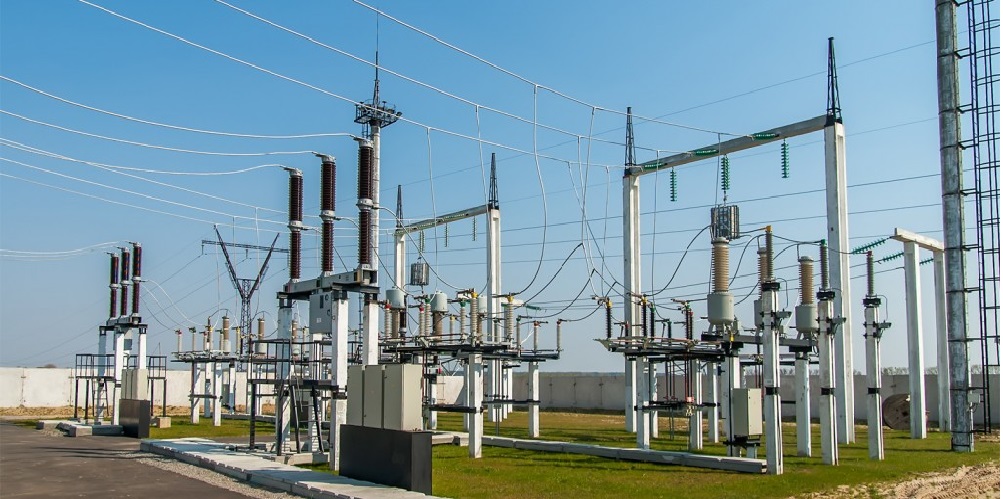
Power station (credit: Sparkonline)

As someone who resides in Nigeria, I can categorically state that the electricity supply in the country is abysmally poor. Unlike our neighbor, Ghana that has celebrated years of uninterrupted power supply, never has such happened in the history of Nigeria. Regardless of whether you pay your electricity bill, it has already become a norm for the power holding company of Nigeria, PHCN to disconnect the electric supply at different points in time.

This poor supply of electricity has made it extremely difficult to run a business in Nigeria, which mostly affects small businesses. According to the world bank, it disclosed that businesses in Nigeria suffer an annual loss of $29 billion as a result of an “unreliable” power supply, which they stated that it has resulted in the refusal of consumers to pay bills.

Some Nigerians are reluctant to pay electricity bills because of how poor the supply of electricity has been. It’s appalling that a country that calls itself the “giant of Africa” is still ravaged with the widespread power blackout. The electricity supply has never been reliable, which is why companies, businesses, and industries have become heavily reliant on self-generated power.

A large number of them have opted for the use of solar energy while some use petrol and diesel-powered generators. This has seen them spend heavily on petroleum products which have affected their revenue. Small businesses are the ones most affected, as a large percentage of them depend heavily on power to run their business. Constant use of generators to run their business has seen them accrue losses with little or no profit.

Owners of these businesses are left with no option but to adapt to the epileptic power supply in the country, which has seen a lot of them struggle to reach lofty heights for their businesses. Imagine a small business owner that spends heavily on petroleum products on a daily basis to run his or her business, such a person is bound to either lose out entirely or manage the crumbs that the business produces courtesy of the poor power supply.

Asides from the adverse effect poor electricity has on businesses, it has also hampered the creation of new markets, as new markets are created when the energy supply is stable. With a stable power supply, individuals will be able to set up businesses where they can earn an income as well as cater for their families. It’s quite unfortunate that the power sector in the country is handled with levity, and one thing the government must understand is that the poor supply of electricity has crippling ripple effects in the country with so many negative impacts on almost every sector. Health, Agriculture, Education, Business, Production, etc.

Not only does poor power supply cripple businesses, it also comes with environmental costs. The constant use of generators that emits fumes into the atmosphere, increases air pollution which affects climate change and human health. In turn, environmental damage can result in agricultural job losses, the ripple effects are countless.

According to economists and researchers, they disclosed that energy is the engine that drives the economy of a nation forward, therefore poor energy supply greatly affects a country’s economic growth. It is therefore paramount for any nation that wants to see the country’s economic boom, to invest heavily in ensuring that there is a constant power supply.

It is a known fact that when small businesses thrive in a country, it acts as a catalyst for economic growth. Therefore when small and medium scale businesses are affected because of poor power supply, it stifles the growth of the economy. Nigeria’s major shortage of reliable power supply is a major constraint to the country’s economic growth.

It is disheartening that the epileptic power supply in Nigeria has made it one of the harshest environments to do business, which has rendered the country less competitive and has also caused some businesses to move out of the country. It might interest you to know that the major reason why Michelin, Dunlop tyres had to leave Nigeria, was because of its epileptic power supply. The lack of reliable power supply has stifled economic activity, private investment, and job creation which is ultimately what is needed to lift millions of Nigerians out of poverty.

If the government of Nigeria is hell-bent on eradicating poverty in the country, as well as boosting the economy, they must take into cognizance that the power sector must be greatly improved. Power is the engine of any thriving economy. By doing so, businesses can operate with ease and accrue more profit than loss, more employment opportunities for individuals, and most importantly, it will make the country a suitable environment for business.
The Irony in Solomon Islands As China Plans a Military Base

0
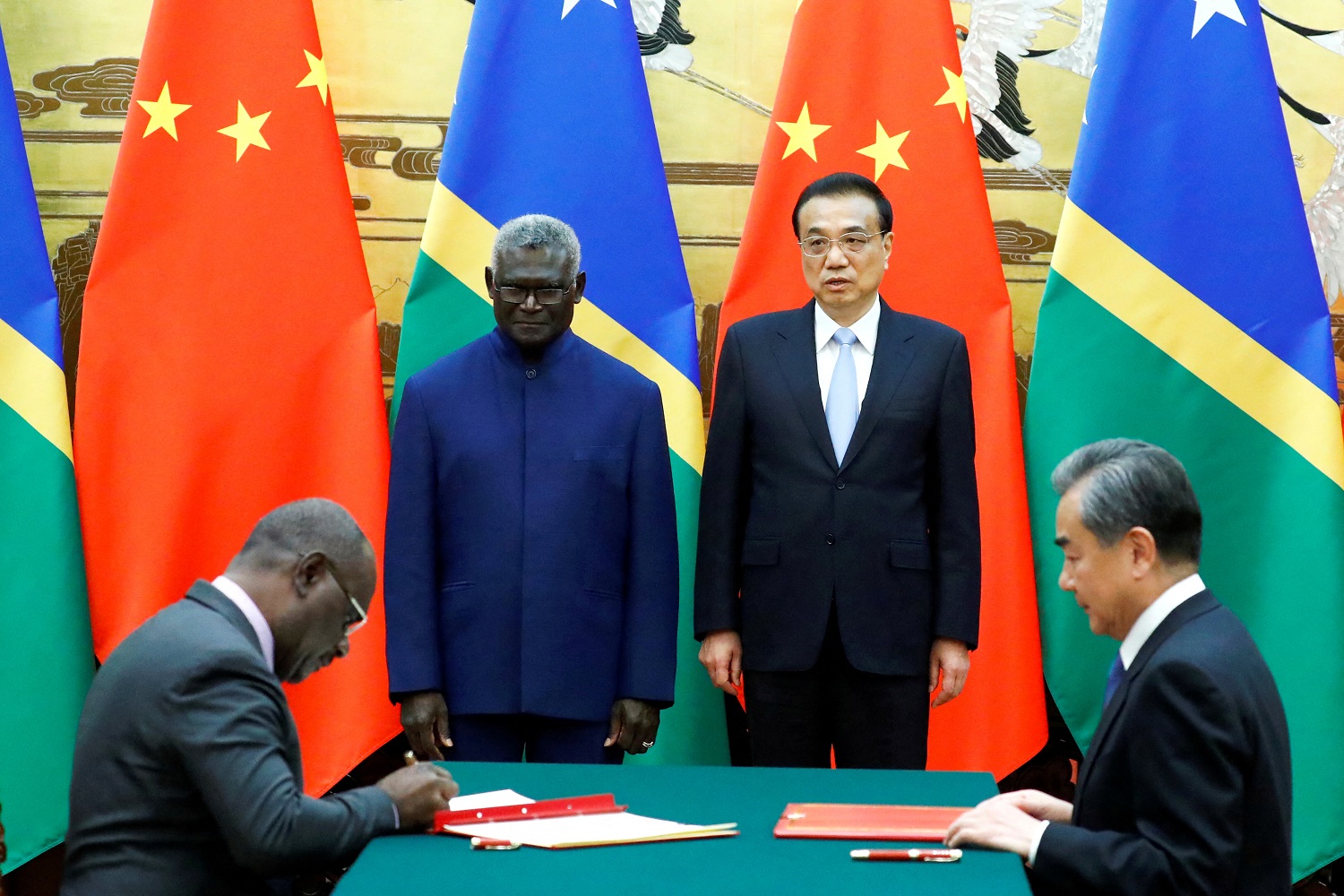
FILE PHOTO: (L-R) Solomon Islands Prime Minister Manasseh Sogavare, Solomon Islands Foreign Minister Jeremiah Manele, Chinese Premier Li Keqiang and Chinese State Councillor and Foreign Minister Wang Yi attend a signing ceremony at the Great Hall of the People in Beijing, China October 9, 2019. REUTERS/Thomas Peter/File Photo

Please tell African countries to be careful. The tensions evolving in the world now are huge. As Ukraine battles Russia for its future, China is striking a deal with Solomon Islands to put a military base there: ‘The United States warned Friday it would “respond accordingly” if China installs a military base on the strategic Solomon Islands after the tiny Pacific state signed a security pact with Beijing.’

The implication is massive. Yes, it seems like China wants to have its own version of “NATO” and is recruiting countries.  The positions of Australia, New Zealand and the United States on Solomon Islands as China comes could be likened to how Russia feels about Ukraine as NATO draws closer: “Some were concerned …: a Chinese military base being built in the Solomon Islands, a first for China in the Pacific. Australia and the US were so worried that they sent delegations to the Pacific island, hoping to stop the agreement.”

The big question is this: what if Solomon Islands decides to make a sovereign decision and go ahead with China, what happens?  FT has called it an “irony” when you see what is happening in Ukraine with Russia. Humans are just the same – hope someone can invent a drug to make us enjoy living peacefully.

 A senior-level U.S. delegation met the Solomon Islands’ leader on Friday and warned that Washington would have “significant concerns and respond accordingly” to any steps to establish a permanent Chinese military presence in the Pacific island nation.

A White House statement said Solomon Islands Prime Minister Manasseh Sogavare reiterated to the visiting delegation led by White House Indo-Pacific coordinator Kurt Campbell that there would be no military base, no long-term presence, and no power projection capability under a security deal signed with China.

Join me tomorrow at the temple of Africa’s entrepreneurial capitalism

0

Join me tomorrow at the temple of Africa’s entrepreneurial capitalism as we discuss how to discover opportunities in markets. Tekedia Mini-MBA is helping innovators and project champions to deepen capabilities across industrial sectors. The next edition begins June 6 2022; register here and beat the early deadline and save

Dissecting Munguno’s Avowal On Nigeria’s Rising Insecurity

0

The Nigeria’s National Security Adviser (NSA), Rtd Major Gen. Babagana Monguno (rtd) had stated that the various security agencies in the country were not deploying adequate technology to combat insecurity because of its difficult procurement process.

The NSA, who made this disclosure while briefing newsmen at the State House in Abuja on 21st April 2022, attributed the non-deployment of adequate technology to its expensive nature.

While highlighting the challenges faced while procuring technological devices to fight insecurity, Monguno said the government was trying its best to meet up with its responsibilities.

“So the first question has to do with why is it so difficult to deploy technology. One, technology is expensive. Technology takes time to acquire these things since inherently we do not produce these very, very delicate equipment.

“It’s not as if the government is not making any effort to acquire but we need to know who to acquire this technology from, where, when and there are certain processes.

“For now, I know we have but the plight is that they are inadequate. So to the government, it’s a continuous process. That’s what I can say about the issue of deploying technology,” he said.

He added that one of the major causes of insecurity in Nigeria was the porosity of the country’s borders, informing that the government was working with neighbouring countries to ensure that illegal entry into Nigeria is curtailed.

“On the question on border security, obviously, we have very extensive borders, and I’m not going to deceive anyone. All of us know that we have problems of infiltration by virtue of the fact that we have a very large economy.

“It attracts a lot of people from outside and they come in illegally, not just through the land borders, but also through the maritime waters.

“Of course, in the case of the maritime borders, most of things have been done in the last one year to secure the maritime domain, up to the point that, the International Maritime Bureau has acknowledged the fact that in 27 years, our maritime borders have not been as secure and peaceful as they were in the last one year.

“That is a fact, it is not a conjecture, I didn’t cook up this thing. So we want to see how we can replicate that type of efforts put in the maritime domain on our land borders. That is something that council is looking into,” he said.

It’s not anymore news that in recent times, insecurity in Nigeria has worsened under the Buhari-led administration as the country witnessed some of the bloodiest attacks in its history.

Currently, virtually every geo-political zone within the shores of the country suffers one form of attack or the other, notably from outfits such as Boko Haram/ISWAP, IPOB separatists, herdsmen, and bandits.

The country has equally witnessed the highest number of school children abductions and hostage-taking since 2014 when the Chibok schoolgirls were abducted.

In the same vein, the highest number of jailbreaks in a single year has been experienced by the acclaimed giant of Africa, as no fewer than four prisons had been affected counting from last year.

Bandits have abruptly overshadowed the Boko Haram/ISWAP terrorists as they had made some states in the North-West and North-Central the epicentres of killings in the country.

Though the President Muhammadu Buhari-led government has repeatedly claimed that Nigerians are more secure under its watch than during the previous administrations, the assertion had been disputed by facts on the ground.

Munguno’s claims could be described as laughable, because Nigeria conspicuously possesses all it takes to ensure the needed devices are procured. Whatever protocol and financing required to do the needful can be provided by the country.

Talking about porosity of the various borders, in my capacity as a tech expert and policy analyst, I have variously taken time to provide measures needed to be deployed towards addressing the country’s porous borders, and similar advice had equally been tendered by other concerned Nigerians, yet till date, we are still singing same song as regards security challenges.

The above assertions and revelations are indications that Nigeria’s current security quagmire is attributed to lack of political will.

Buhari Summons Nigeria’s Service Chiefs

0

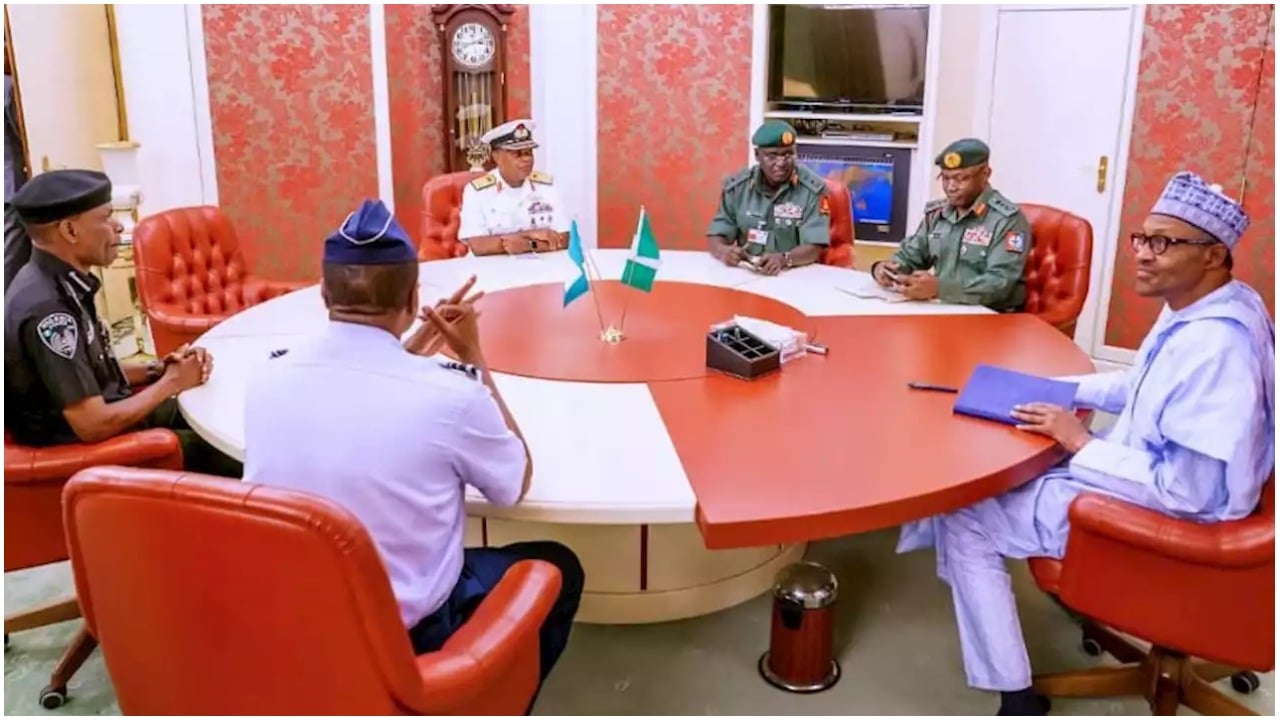
President Muhammadu Buhari, on 21st April 2022, summoned a security meeting with the entire Service Chiefs in Nigeria.

This was reportedly sequel to the recommendations by the Council of State over the myriad of security challenges facing virtually all parts of the country.

Gov. Abubakar Badaru of Jigawa State had on April 14, 2022 briefed the State House correspondents on the outcome of the meeting of the Council of State, where he announced that the president would be meeting security chiefs this week, over the current security situation in the country.

According to the governor, the proposed meeting followed recommendations and comments by the Council of State.

He said the necessary measures would be taken to ensure that farmers across Nigeria carry out their activities without any hindrance, to boost food production in the country.

President Buhari had on Wednesday, 20th April, 2022 at the meeting of the National Executive Committee (NEC) of the All Progressives Congress (APC) reportedly disclosed tougher security measures in restive parts of the country and review of operations and strategy.

He reassured Nigerians that the efforts that resulted in relative peace in South-South, and rescuing of North-East from the hold of terrorists would be ramped up.

According to the number one citizen, the major security challenges had remained in the North-Central and North-West, saying, “We are going to be very tough.’’

The Security Meeting, which was held at the Council Chamber of the Presidential Villa, was attended by Vice-President Yemi Osinbajo, some cabinet Ministers, Service Chiefs and heads of security establishments at the Presidential Villa, Abuja.

Others at the meeting included, Secretary to the Government of the Federation, Mr. Boss Mustapha; the Chief of Staff to the President, Prof. Ibrahim Gambari; and the National Security Adviser (NSA), retired Maj. Gen. Babagana Monguno.

Also in attendance were the Inspector-General of Police, Mr. Usman Baba; the Director-General of the Department of State Service (DSS), Mr. Yusuf Bichi; and the Director-General of the National Intelligence Agency (NIA), Mr. Ahmed Rufai.

In recent times, such a meeting pertaining to security issues had been held and presided over by the President for the umpteenth time, yet the same outcry is being heard at every corner across the federation as if the country isn’t governed by any authority.

Nigerians, to assert the least, have heard enough of promises from Nigeria’s leadership as regards combating insecurity and related matters, till date, they still wake up to embrace exactly the same crises ravaging the wellbeing of the country.

The funny and painful aspect of this unending quagmire taking place within the shores of Nigeria is that the concerned authorities are very much aware of the originators.