DD
MM
YYYY

PAGES

DD
MM
YYYY

spot_img

PAGES

Home Blog Page 5248

Nigeria Electricity Woes, High Diesel Cost, Crippling Businesses

0

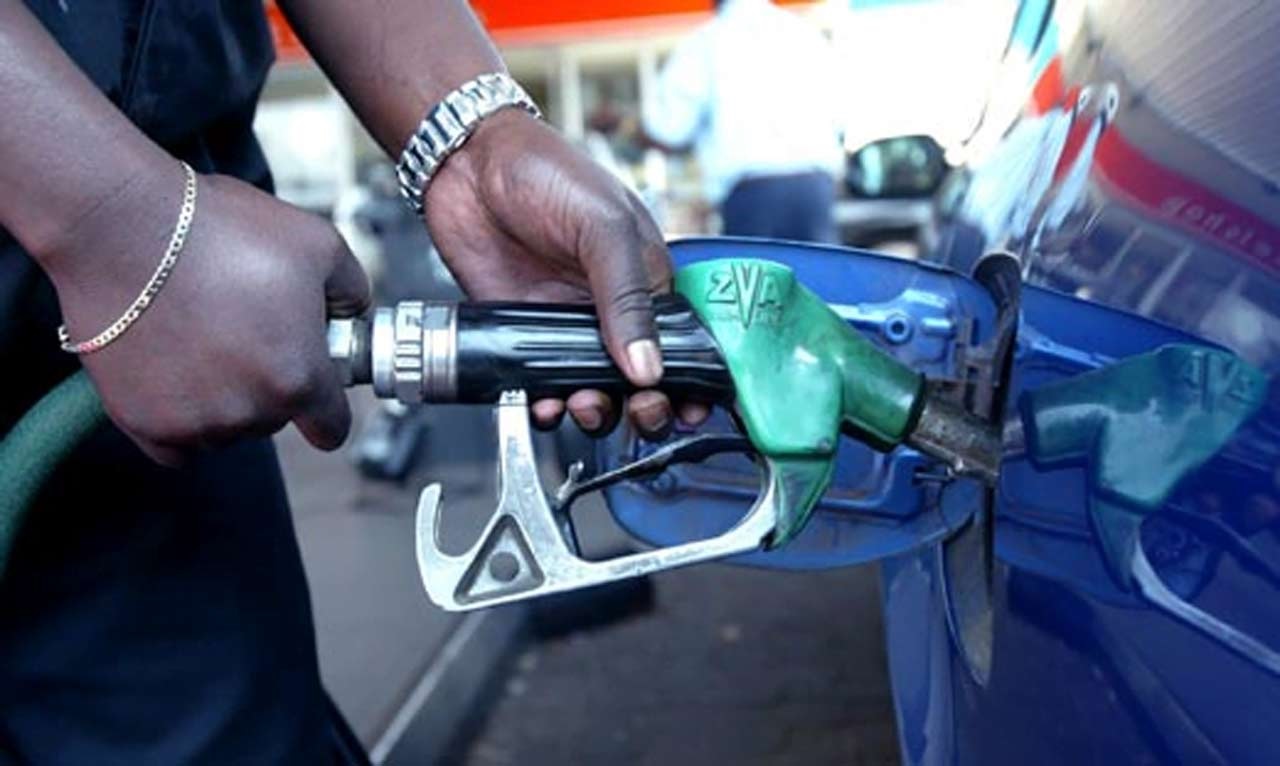
With the cost of diesel rising from $0.75 (N312) per litre to $1.92 (N800), the price of petrol also skyrocketing, coupled with poor electricity supply, businesses in the country continue to suffer loss. Just recently, the Manufacturers Association Of Nigeria (MAN) raised an alarm over the negative impact of the skyrocketing price of petrol and diesel which is making it almost impossible for them to continue to operate.

They have appealed to the state and federal government to urgently come to their aid, as energy cost is currently gulping over 50 percent of their operating costs. Truth is, If the government dilly-dally on this issue rather than move into swift action, it can spell doom for the real sector which might see it collapse which will definitely lead to thousands of people losing their jobs. These negative outcomes have a ripple effect in the society, as high job loss will lead to an increased crime rate and insecurity in the country.

Chairman of Manufacturers Association Of Nigeria(MAN) Kwara/Kogi branch, Mr. Bioku Rahmon lamented that power which accounts for over 40 percent of factories costs, has now doubled with this major cost element, the cost implications in the overall cost outlay for industries have precipitated an alarming rise in the production costs, running costs and costs of transporting raw materials and finished products, all of which have now become more unbearable players in the country.

Not only are businesses and manufacturing companies affected, banks are also not left out. According to sources, most banks in the country are beginning to cut down their banking service hours. Some had to send messages to their customers notifying them of the new closing time which is now 4 pm instead of the usual 5 pm closing time. This adjustment was made as regards the poor electricity power supply in the country and also due to the rising cost of diesel. Most of these banks are beginning to look for alternative energy sources such as Solar, as they strive to limit the impact of the skyrocketing diesel cost on their operations.

This period is indeed a challenging one for businesses in Nigeria, most especially SMEs, as they continue to accrue more losses than profits in their business due to lack of power supply and high petrol/ diesel prices. It’s an irony that a country like Nigeria, known as one of Africa’s biggest oil-producing countries, yet manufacturers and retailers are currently facing intense pressure and hardship from rising fuel and diesel costs, coupled with poor electricity supply.

Manufacturers are now faced with an escalation in the cost of production which will see the erosion of profit margins, and many businesses and companies will now have to face the risk of continuity. There is currently inflation in the price of goods, due to the high cost of production. Just recently Multichoice increased Dstv and Gotv subscription rates due to the ongoing inflation. The firm blamed “rising costs of inflation and business operations” for the increase. Also the price of sachet water commonly known as “pure water” has doubled across most states in the country. Things are really becoming unbearable for the masses as the standard of living in Nigeria continues to increase.

According to statistics, 12 in every 25 Nigerians make use of generators, spending about $16 million to fuel only 14 million generators annually. This is indeed painful and shameful for a country that calls itself the “giant of Africa”, but has failed to live up to the acclaimed name.

If a country like Ghana that doesn’t rank up to Nigeria in terms of natural resources and GDP can celebrate years of uninterrupted powers supply, then this is nothing but gross incompetence on the part of the leaders in Nigeria. Achieving efficient power generation and distribution of electricity in Nigeria has over the years remained a sore point and a major threat to the growth of the economy. It’s high time the government implements measures to put a halt to this incessant hike in petrol and diesel prices and also see to ensure that the country enjoys a stable power supply, because lack of these things will take a toll on the economy of the country which creates problems for the people, businesses, and manufacturers.


Tekedia Live – “Financial Modeling and Business Valuation”.

0

He is a very brilliant young man. He graduated with First Class honours from the University of Lagos. He works in the temple of business where amazing professionals make business work, across sectors and territories, by deepening our understanding of the mission of firms, and the utilization of factors of production.

Tekedia Institute Faculty Philip Bakare – ACA, Dip.IFR(ACCA), BSc will be in class tomorrow to teach “Financial modeling and Business Valuation”. How do you know what that business is worth? How do you make it physics? Come and learn from the best.

To register for the next edition of Tekedia Mini-MBA, go here.


The 5G Network And Nigerians’ Perspectives

0

It’s noteworthy that several Nigerians have been made to believe that the Fifth Generation (5G) is nothing but a dead zone targeted to consume the entire human race.

In other climes, most Nigerians are of the notion that the said network is just a politically-motivated missile meant to override the country’s socio-political space.

One inevitable fact we, as a people, must embrace is that technology has come to stay not just in Nigeria but across the global community, hence anyone who makes an effort to tag it a monster is really taking himself aback. Though it has done several wrongs, the rights emanating from its existence remain innumerable.

On the above note, it’s very pertinent and crucial to fully comprehend the meaning and essence of the 5G network. As the acronym implies, it’s a 5th Generation mobile network. It is dedicated to handle a much larger role than that of the already existing ones such as the 1G, 2G, 3G and 4G networks, respectively.

5G was introduced to elevate the mobile network to not only interconnect people, but equally interconnect and control machines, objects, or any form of devices. It’s meant to deliver new levels of performance and efficiency that would empower new user experiences and connect new industries.

The 5G network is meant to deliver multi-Gbps peak rates or faster speeds, ultra-low latency, massive capacity, coupled with more uniform user experience. It’s imperative to note that the 1G was designed to solely deliver analog voice, 2G for digital voice, 3G necessitated mobile data, whilst the 4G ushered in the era of mobile internet, which we are currently enjoying.

In summary, 5G is a new kind of network in the telecom sector. It’s a platform for innovations that won’t only enhance today’s mobile broadband services, but equally expand mobile networks to support a vast diversity of devices and services, as well as connect new industries with improved performance, efficiency and cost.

5G is, therefore, an advanced wireless technology that has begun wide deployment since 2019. It’s worth noting that, as at October 2019, over four million Koreans had access to the 5G network.

It’s equally amazing to comprehend that China has for long deployed over 100,000 base stations in her quest for 5G wide usage. Survey revealed that about 150 million 5G mobile subscribers were expected in the Asian country by 2020.

Leading international organisations, such as the World Health Organisation (WHO) and the International Telecommunications Union (ITU), alongside various independent medical experts, have confirmed that the deployment of 5G networks leave no adverse health effects and are safe.

It’s noteworthy that several countries have already commenced the deployment of 5G and are currently enjoying its numerous benefits. Some of these countries include the United Kingdom, United States, and Korea Republic, to mention but a few. Even on the African Continent, countries like South Africa and Lesotho have equally keyed in. This information is verifiable.

Technically speaking, reliable research indicates that the 5G network offers significant advantages over the current technologies. Some of its advantages include, but not limited to, much lower latency, higher bandwidth, greater device density, longer battery life for nodes and greater network flexibility.

On the other hand, the 5G network operates in a high-frequency band of the wireless spectrum, between 28 and 60 Gigahertz (GHz). It’s expected to add unlicensed frequencies such as the 3.5 GHz to its list of new frequencies for mobile use. This means a lot of bandwidth would be available to the teeming users.

The aforementioned factor signifies that the 5G won’t only boost ease of communication among telecom subscribers but equally expand the economic band or prospect of any country involved.

Since the 5G mobile network will soon apparently dominate the global telecom sector, Nigeria as an entity must therefore not act in abeyance than to concentrate on how best an effective and efficient 5G can be duly introduced and utilized in the Nigerian space.

As Nigeria, likewise other developing countries, is still trial-testing her technologies and securities toward creating and launching a wholesome environment for the 5G network, she must acknowledge the key parameters that require apt consideration and attention.

At such a time like this, the authorities imbued with the powers to regulate and manage the telecom space must concentrate on the intricacies surrounding the technicalities and securities of the 5G network towards ensuring it isn’t hijacked by men of the underworlds.

They must, therefore, deploy the needed expertise and mechanism to avert any form of criminalities likely to emerge thereof. This very aspect, which is very crucial and inevitable, might require suitable legislation.

More so, it would interest – or perhaps shock you – to realize that over 70% of Nigerians are presently yet to key into the Fourth Generation (4G) Network, let alone the 5G. This is the reason the concerned bodies need to speed up action on awareness and sensitization.

5G has conspicuously come to stay, hence we must focus seriously on how to embrace and welcome it. But mind you, this cannot aptly be done if the needful isn’t duly considered.

Hence, as Nigeria’s government is making efforts to fully introduce the services of the 5G network into the country, all needed parameters must be duly considered.

Let’s Migrate To The Modernized Pattern In Nigeria

0

Every discerning mind across the globe seriously prays for succession, because it is one of the basic features of progress. An individual or entity can only boast of progression when a new thing belonging to them emerges at intervals to their delight.

It’s appalling and pathetic to realize that in contemporary Nigerian society, most individuals or groups still depend on ancient ways of doing things in a century that has boldly and proudly welcomed a modern pattern of living or operation.

It becomes more disturbing and disheartening when observed that most people who address themselves as ‘professionals’ still make use of this crude pattern that ordinarily ought have been eroded by the emergence of the ‘digital age’.

It’s noteworthy that the modern/digital age is synonymous with technology. Hence, for anyone to be fully part of the contemporary society, he/she must integrate him/herself into the tech world.

Individually or as a group, we must be ready to duly embrace this modern system of living in our respective fields of endeavour. We mustn’t continue to dwell in a retrogressive approach while addressing any plight that arises.

Nigeria as a country, in various areas of her economy, these crude measures are invariably deployed. On a daily basis, most sectors within the shores of the country suffer great neglect or ineptitude as a result of inability of the concerned authorities to imbibe modern methodology.

In the mining sector, for example, several solid minerals such as gemstones, metals and what have you, are bound in different quarters of the Nigerian State. But most times, these minerals are still being dug from the earth crust via the use of crude techniques.

Also, owing to lack of mechanized techniques, whenever the minerals are acquired from the ground, they would be exported to the foreign nations as raw materials because they can’t be readily processed here. In the long run, the citizens would end up purchasing foreign-made products that ordinarily, should have been produced in the country. Such a practice is a shame, to assert the least, hence calls for a due review from the relevant bodies.

Even the oil and gas sector, where the country currently relies on, is experiencing such colossal neglect. The citizenry consistently purchases fuel and allied products, which were processed overseas, because the country lacks the required mechanized system known as refinery to carry out the processing as soon as they are drilled.

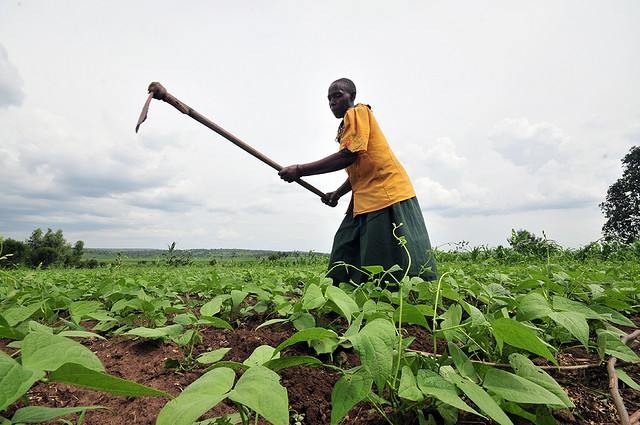
The agricultural sector isn’t left out. The country’s farmers, particularly the commercial ones, still participate in farming via crude patterns. The four major segments in the agric wing, namely, cultivation, harvest, processing and storage, are yet to be fully carried out with the aid of a mechanized system.

A particular farm produce, when aptly processed, could provide a variety of foods in the markets or on the table. It’s worth noting that many of the products possess this fantastic quality. But, regrettably, it’s often being exported as a single commodity, thereby causing the country to lose several millions of naira on a regular basis.

Nigeria’s education and health sectors are also suffering from this plight or phenomenon. The old ways of teaching or impaction of knowledge are still being deployed in the various citadels of learning therein. That’s the reason most of the students are yet, or still finding it difficult, to key into the Information Technology (IT) world.

In most hospitals or health centres across the federation, outdated instruments cum laboratory equipment still dominate the arena, hence making it impossible for the practitioners to perform their duties effectively and efficiently as required.

What about the country’s public service system? It’s indeed saddening that a sector of this kind, that’s densely characterized with highly learned individuals, is still dwelling in the past. Just a peep into the said domain would make you gush fathomless tears.

The list is obviously endless as regards the sectors that still adore the crude pattern of operation within the shores of the country. This is why the governments must act fast and genuinely if they are truly ready to get it right or move in the more deserved direction.

Though the choice is theirs, they must comprehend that as long as this custom lingers, they will continue to deprive themselves of a milestone that’s liable to positively turn the country’s economy around in its entirety. This is the reason actions are required to be expedited without further ado.

The situation has conspicuously gone out of hand that a stringent measure is needed towards addressing it headlong. The deplorable state of Nigeria’s various institutions and sectors, due to the continual use of crude pattern, is seriously in need of a candid and strict approach if she must progress headlong.

It’s high time the existing orientation is changed by facing the realities of the day squarely at all cost. The leaders need to unequivocally challenge themselves by understanding that technology has come to stay, hence ought to be seen as the only pattern in vogue.

They must key into the most reigning and acceptable methods by jettisoning the ones that are obsolete, or have been overtaken by events, by throwing them into the waste bin where they rightly belong. This is the only and best way the country can forge ahead for the good of all.

There should be strong legislation regarding this clarion call. There’s need for a comprehensive legislative backing with a view to fully embracing tech-driven policies and measures in most of the country’s public sectors. This will surely go a long way in tackling the menace.

It’s even amusing, and shocking too, to realize that the country’s legislative chambers still deliberate their plenaries with the aid of mere crude methodology. It’s painful to acknowledge that, at the moment, the institutions that are constitutionally imbued with the powers to come up with the required legal backing as proposed above are yet to embrace modern techniques or mechanized pattern. It’s really astonishing, to say the least.

We can only end this glaring self-deceit by understanding that the benefits inherent in any technologically-approach system are unquantifiable, thus cannot be overemphasized. It enables work to be done so easily and swiftly, thereby saving time, energy, cost, and what have you.

In different quarters, it has been reliably proven that systems that are tech-driven or mechanized often boast of greater efficiency in performance, productivity strength, and output, among others. More so, it has been observed to be result-oriented when compared to the crude ones.

Even though you would spend more funds to acquire – or migrate to – a mechanized system, the interesting truth remains that in the long run, you stand to make several more millions of the money invested. This is a fact we must embrace in earnest.

It’s high time Nigerians made their ancestors proud by swiftly keying into the modernized pattern that has all it takes to excel.

Courage By A Business Leader

0

Chairman, happy birthday and many more in wealth, health and wisdom. When we spoke last month, I felt the pulse of a statesman, truly committed to his nation and continent. I want to publicly THANK you for the recent tweets you put across on the state of the nation:

“This morning, I am listening to my colleagues at the office bemoan the very pressing issues that they face every day in this country, and how things have been getting worse and worse with no electricity for 5 days, hikes in the price of diesel, frightening food inflation, etc.” TOE.

If your staff could feel the pain this way, imagine our teachers, nurses, etc who go home monthly, with a fraction of what you pay the bankers and others in the Group. Your call to governments is speaking for those teachers, nurses, etc.

In Nigeria, business leaders are afraid to talk on the fear that governments will come after their bread, amala, zobo and akara, and because of that, no one wants to speak out even when the ship is sinking.  With your public courage to tell our politicians to do their jobs, I commend you.

I am hoping that other business leaders will follow you and tell these men and women that enough is enough. They are messing up a beautiful land and risking the futures of young people. Your statement is out of love for your nation and I do hope the governments listen.

As I close, I will continue to seek your TOUGH LOVE for the nation through more investments in youth and  human capital. I was honoured to serve in the Inaugural Selection Committee of the $100 million TEEP funds. This has to continue even as we challenge political leaders to wake up and do their jobs.

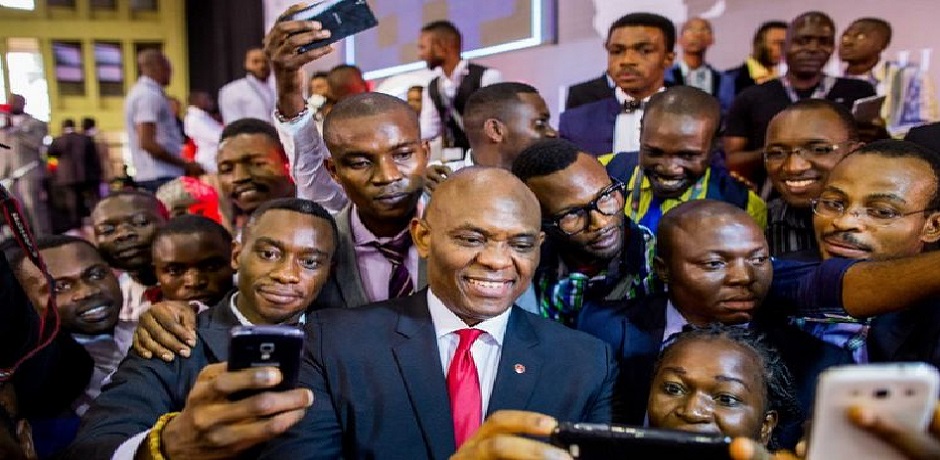
Nigerian businessman, Tony Elumelu, has lamented the impact of poor power supply and fuel scarcity on the citizens and businesses, urging Nigerians to hold their leaders accountable.

In a rare public commentary on Twitter Thursday, Mr Elumelu, who heads UBA, Transcorp and Heir Holdings, wondered how the nation would be so rich with resources yet unable to deliver service to its long-suffering people.

The prevailing hardship, Mr Elumelu said, should provoke Nigerians to elect better leaders in 2023.

“Elections are coming, security and resources need to be everyone’s agenda. Let’s be vocal for our nation’s priority,” he wrote.

“Evil prevails when good people are silent. We need to be vocal about 2023. Let’s focus on Nigeria. Demand and advocate for leaders that deliver.

“In 2023, Nigeria must be on a strong trajectory for progress and development,” he said.

Nigeria has faced fuel shortages since February after importing substandard fuel, resulting in weeks of severe scarcity and long queues at filling stations. The shortage has seen transport costs rise, thereby affecting goods and commodities.

Also, many parts of the country have been without electricity for days after the national grid collapsed. Businesses have closed as the cost of diesel skyrockets.

Mr Elumelu also criticised the government’s inability to tame oil theft that has seen production fall.

“This morning, I am listening to my colleagues at the office bemoan the very pressing issues that they face every day in this country, and how things have been getting worse and worse with no electricity for 5 days, hikes in the price of diesel, frightening food inflation, etc,” he wrote.