DD
MM
YYYY

PAGES

DD
MM
YYYY

spot_img

PAGES

Home Blog Page 5300

X-raying Financial Institutions And e-Frauds In Nigeria

0
SEC Nigeria

While tech experts are discussing the financial institutions, they would be more concerned about how much and far the key players in the sector have fared in respect of tech-driven measures.

As some stakeholders would dispute the ‘goodness’ and remarkable activity of the financial institutions, others would ceaselessly defend the ‘unavoidable impact’ of the sector even with last drop of their blood.

Financial institutions, the bank particularly, have greatly enabled mankind to jettison the archaic pattern of saving money and other valuables, thereby averting a whole lot of troubles usually characterized by the said method.

The bank as a sector has in recent times obviously contributed to countless economic growth recorded by both individuals and entities, particularly a given country or bloc as might be the case.

Regarding savings, the bank creates an unquantifiable opportunity for the human race, businessmen and traders in particular, to on a daily basis safe-keep their monies and assets towards experiencing a better ease of doing business or trading.

The bank has thus far arguably saved people from a lot of tensions, because it has created and maintained an avenue where anyone, regardless of status, can easily deposit his/her money without exercising any element of fear concerning safety.

With the introduction of the ongoing Consolidation Policy of the Central Bank of Nigeria (CBN) as ably initiated during the reign of Prof. Charles Soludo, it is now certain that any amount of money/asset kept, or deposit made, in any commercial bank domiciled within the country is certainly safe.

The reliability of commercial banks are presently well guaranteed, and such can at any time be proven by any financial or policy analyst. This is the sole reason people from all walks of life can be seen currently trooping into banks to make deposits of valuables.

And with the existence of the newly introduced Cashless Policy by the apex bank, people can now make transactions from the comfort of their respective bedrooms, with ease.

The cashless policy, with the aid of tech-driven measures, has really assisted the banking sector in curtailing several inconveniences and stresses faced by their personnel as well as the clients.

The aforementioned policy has equally hitherto helped the sector to alleviate all sorts of physical social ills usually experienced by the banking industry, such but not limited to as armed robbery, to a reasonable extent.

Before now, with much cash flow in circulation, armed robbers had greater opportunity to physically invade people’s privacies, be it offices, shops, residences, or on the roads, thereby forcefully making away with their hard-earned money.

On the other hand, the advent of the Information and Communications Technology (ICT) mechanism in the banking sector has constituted tremendous unbearable non-physical ills popularly known as electronic frauds (e-frauds). These crimes aren’t physically perpetrated like in the case of armed robbery.

The e-fraud, as the name implies, pertains to all kinds of ills emanating from the use of electronic gadgets or equipment to include computers and cell phones, among others.

ICT remains the major aid of the ongoing modern system of banking. It’s worthy of note that the said mode of technology cannot be possible without the use of electronic devices and mechanisms such as computers and the internet, as well as networking.

This electronic methodology, since inception in the banking sector, has profusely been characterized by countless frauds. It’s worth noting that the electronic ills can only be possible via a manipulation called hacking.

It’s only when one’s electronic belonging – including personal and bank accounts – is hacked, that the criminal would have the opportunity to perpetrate any type of intended crime that could cost the unsuspecting person a fortune. We must come into terms that anybody can fall victim of this dastardly act.

So, we can at this point wholly comprehend that though the advent and sustenance of the ICT in the banking sector has majorly assisted in solving a whole lot of plights and crises, it has made millions of people victims.

In various fora and platforms, I’ve extensively analyzed several issues and ills pertaining to electronic (internet) hacking. In my candid words (analyses), I’ve taken time to advise that, for us to enjoy or appreciate the use of electronics, we must be well and aptly prepared to make, introduce and maintain sound policies, either as separate individuals or entities.

As a group of people called Nigeria, the corporate body that’s in charge of the country’s banking system in its entirety must at this digital age be more concerned on how to strategize with a view to ensuring that the existence of tech-driven measures doesn’t end up causing more harm than good to the entire system.

The above can only be duly achieved by introducing and maintaining a wholesome and reliable policy-making unit in the institution. Hence, the CBN mustn’t relent in making this happen within its jurisdiction.

As these merchants try to make profit in the lucrative banking business while helping the public safeguard their fortunes or treasures, they as an institution must equally create corporate guidelines that would help their clients avert various troubles liable to befall them.

On corporate policy, banks must be well tutored on the compelling need to create more secured online Apps or softwares by engaging reputable IT experts. Similarly, a standard ICT unit ought to be maintained in their respective branches.

On individual policy, the users of the computer Apps must on the other hand be thoroughly sensitized on how best to protect their online transaction identities and details at all times. This measure must equally involve respected and reliable professionals.

The bitter fact remains that, as sophisticated technologies evolve, the criminally-minded persons or entities in the system would strive to take advantage of the development at the expense of the unsuspecting users.

This is the reason corporate bodies and individuals are regularly advised to endeavour to be wiser than the criminals just as mankind is being advised by the Holy writ to be smarter than the devil.

Hence, the educational institutions, on their part, must invariably be ready to inculcate the required expertise into the ICT learners or trainees undergoing various trainings within their jurisdictions.

Though Nigerians have left where they used to be, there’s still an enormous distance to cover in a bid to arrive at the needed point.

Flutterwave, now worth 4.4x of Jumia; Jumia’s Path to Success Is B2B Playbook with JumiaPay

6

Jumia has sparks but the marginal cost paralysis continues to affect the business. It is largely doing most things right now, but weaning itself of that high cost of sales and service remains the challenge which it must overcome. From TechCrunch.

Gross merchandise volume (GMV) at Jumia in the fourth quarter grew 20% year-over-year to $330 million, while revenue grew to $62.0 million, up 26% over the same time frame. Quarterly active users and orders rose 29% and 40% to 3.8 million and 11.3 million year-over-year, respectively.

The metrics improved thanks to Jumia’s Q2 2021 decision to push frequent purchases of fast-moving consumer goods (FCMGs) rather than larger-ticket electronics and appliances, and increased in sales and marketing spend.

Sales and advertising expenses at Jumia grew 159% year-over-year in the final quarter of 2021, a significant slowdown from the previous quarter, which posted a staggering 228% expansion in the expense category.

Yes, you read it well: “Sales and advertising expenses at Jumia grew 159% year-over-year in the final quarter of 2021, a significant slowdown from the previous quarter, which posted a staggering 228% expansion in the expense category.” When your cost of sales is growing in multiple faster than revenue, you have a real issue in that playbook.

Because of that, Jumia lost money in the quarter: “Turning to the bottom line, Jumia’s adjusted earnings before interest, taxes, depreciation and amortization (EBITDA) loss was $70 million in Q4 2021. That’s a 107% year-over-year increase.” The impact is that the share price continues to struggle.

From the data which keeps coming out, quarter after quarter,  it does seem that focusing on B2B in the retail place may be the holy grail because of the marginal cost issue in Africa. Companies like Alerzo, TradeDepot, TradeLenda, and Farm365 which focus on B2B appear poised to achieve faster profitability than B2B counterparts.

If Jumia pivots to B2B retail and embed JumiaPay on top of it, it will rise. It has the largest merchant community, biggest pocket and can push this business forward. That Flutterwave is now worth 4.4x of Jumia shows Jumia needs a new playbook.

Comment on LinkedIn Feed

Comment : This is a case of being realistic in execution: how are you doing compared to other companies. They need a new playbook like you rightly suggested Ndubuisi Ekekwe with the numerous substitutes, low switching costs, low suppliers power, zero to no entry barrier basically makes their business a commodity one where the only differentiation is price.

I concur, they need to transition into the B2B space; Idumota is a signal that there is value in the B2B retail space. From my personal research there is also a problem businesses at Idumota face that would make this a game changer for Jumia.

How Fintech Boom In Africa Has Reshaped Payments And International Money Transfer

0

With the high influx of fintech companies in Africa, the region has become a global leader when it comes to mobile/online payments. According to GSMA, more than 45% of global mobile accounts belong to sub-Saharan Africa, taking the continent’s total to 481 million registered accounts. This was a region that traditionally suffered from limited access to formal financial services. The digital industry in Africa has experienced consistent growth since 2016 in terms of both the number of transactions and financing volume.

The African region now has more people who are using their mobile phones to make payments. One beautiful thing about these fintechs companies is that the boom has helped solve the issue that people in Africa often face when it comes to international payments. Mobile money now drives instant and secure payments in international remittance, healthcare, and salaries inclusive.

Years ago some countries in the African region could not receive money through PayPal, with Nigeria inclusive. This indeed posed a serious challenge in receiving funds internationally because Paypal was often the preferred choice of payment by those in Europe.

Traditionally, Africa’s e-commerce ecosystem has lacked suitable payment solutions to meet the demand for seamless transactions worldwide, which constrained the regions’ contributions to the global digital economy. Not too long, in 2021 one of Nigeria’s and Africa’s biggest Fintech companies, Flutterwave helped in solving this issue.

Flutterwave collaborated with global payment leader Paypal to enable Paypal customers globally to pay African merchants in the continent through the Flutterwave platform. This collaboration was indeed a huge sigh of relief for African merchants most especially freelancers as they could easily receive funds for their services rendered.

I am not surprised that Flutterwave has surpassed $3 billion in valuation and continued to take in billions because their collaboration with Paypal eliminated significant barriers that had previously hindered African consumers and businesses from the untapped potential of cross-border commerce.

Also, start-ups in the remittance space such as Paga, Sure remit, warn, etc have made it possible for African residents to receive money from overseas with ease. Today in Africa, digital transactions now make up the majority of money flows. They are gradually opting out of cash as the primary mode of payment.

The continent has indeed become a hotbed of financial technology and innovation. According to a report, the African continent now has over 473 active Fintechs. The fintechs raised about $350 million during the first quarter of 2020. The funding is majorly generated for projects like online banking, consumer credit checks, and innovative financial products and services. There are a whole lot of Fintechs doing exceptionally well, but I will just mention a few of them;

  • Opay; which is valued at $2billion.
  • Flutterwave; with the valuation of the company now standing at $3billion.
  • Chipper Cash; which is valued at over $2billion.
  • Timebank; A South African fintech that currently holds R2.8 billion in deposit balances.
  • Fawry; An Egyptian fintech that is currently worth $2billion.

Indeed there are many more Fintechs in Africa doing remarkably well and still, many more are emerging. This fintech boom has indeed helped reshape payments and international money transfers in the region. It might interest you to know that Africa is regarded as the world’s second-fastest-growing and profitable payments and banking market after Latin America, according to McKinsey’s study, and this means that the Fintech sector in the continent will continue to attract investors tapping into the increasing growth opportunities.

How Far With The Coalition Of South-East And South-South Legislators?

0

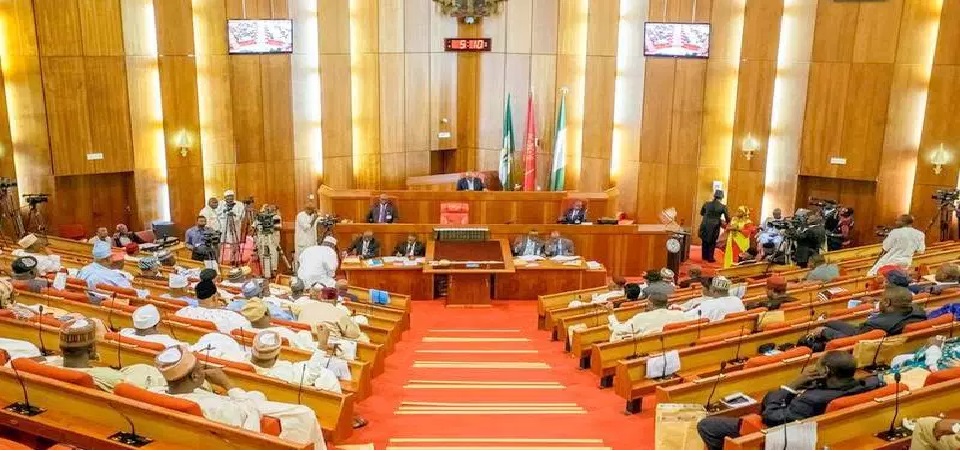
Sometime ago, the overall members of the Houses of Assembly in both the South-East and South-South geo-political zones in Nigeria marketed or paraded a seeming formidable association among them.

Having thought it wise to exercise a single voice, the members of the aforesaid legislative chambers came up with a ‘Coalition of South-East and South-South Legislators’.

As a matter of fact, the members of the said union ably led by the then Speaker of the Imo State House of Assembly, Rt. Hon Acho Ihim premiered their Parliamentary Conference six years back, precisely on 15th July 2016, with the theme ‘Alternatives to militancy and the harmonization of South-East/South-South grazing reserve proposals’.

During the conference, which was hosted in Imo State by the Imo House of Assembly, the astute lawmakers unanimously opposed the Grazing Reserves Bill, which was at the time lying on the floor of the National Assembly (NASS).

The epochal parliamentary sitting, presided over by all the speakers of the Houses of Assembly in the two zones, equally reached other resolutions regarding the ongoing militant attacks in the Niger-Delta region to include, to urge the Federal Government (FG) to reassess and revisit the performance of the Amnesty Programme, the United Nations Environmental Programme (UNEP) Report and the Hydrocarbon Pollution Restoration Project (HYPREP).

Furthermore, to urge: the NASS to ensure the accelerated passage of the Petroleum Industry Bill (PIB), the FG to enter into peaceful dialogue with the critical stakeholders in the region as well as review the ownership of Oil Blocks in the country towards giving at least 65% ownership to the Niger-Delta people as against the present situation where the people in question control barely about 10%.

In his address, Rt. Hon Ihim who as at then doubled as the Vice-President of the African Commonwealth Parliament (ACP), having disclosed how elated he was to be honoured as the leader of the body, categorically stated that the coalition among the legislators was targeted toward bringing dividend of democracy to the entire citizens of the region and Nigeria at large.

According to Rt. Hon Ihim, the members of the region had something in common, thus needed to operate as one body.

However, as at then, in my usual style, I made it clear that there were some fundamental and rudimentary factors the concerned lawmakers needed to acknowledge if truly they were out for business, but not business as usual.

No doubt, any right thinking or sane individual would boldly attest to the fact that the state legislators in question succeeded in making a history by coming up with this amalgamation. But it was pertinent to note that it wasn’t all about making history; rather, sustaining it.

Most people invariably strive towards making history, forgetting that it is unequivocally better not to make a history than to make one that wouldn’t stand the test of time.

What’s the essence of history if your unborn children cum grandchildren wouldn’t live to celebrate it? A good history made, is meant to be discussed by all and sundry many years after the eternal departure of the person(s) who made it.

To this end, we are expected to be more concerned with what becomes the fate of the awaited history rather than what we stand to gain on that very day the history would be made or be recorded in the Guinness Book of Record.

It was the great Irish Philosopher in the person of Edmund Burke that said ‘Those who don’t know history are destined to repeat it.’ In his words, Thomas Jefferson equally said ‘I like the dreams of the future better than the history of the past.’

Furthermore, on a very succinct note, Plato hinted ‘Poetry is nearer to vital truth than history.’ All these, summarily indicate that the beauty of life never lies in making history, but ensuring that the history made lives to withstand the future.

As if I reacted as a seer, it’s so unfortunate that presently, no one hears about the said coalition of lawmakers in the aforementioned region in Nigeria. The current picture is just exactly as I rightly foresaw, which necessitated the advice I tendered therein. But it’s so appalling that none of the counsels was heeded by the affected individuals.

It’s not anymore news that Nigerian leaders, particularly politicians, are very good and talented in coming up with laudable initiatives or policies, but usually encounter series of crises while implementing them or in the process of their sustenance.

It’s equally imperative to note that the resolutions made by the lawmakers during their first outing ended up being swept under the carpet. Such tradition, which is not peculiar to the said legislators, has so far caused enormous harm to the Nigerian polity in its entirety.

As a people, we are not bound to do something in order to receive thunderous praises from the onlookers; rather, ought to vigorously strive to bring a positive change that would surely attract unending applauses contrary to the anticipated temporary applause.

Thus, it’s about being real and endeavouring to face reality at all times. This was the reason, having appreciated that set of ‘impeccable’ lawmakers for coming up with that commendable historic coalition, I as well enjoined them to concentrate on the future towards sustaining the coalition.

I equally appealed to them, at the time, to extend hands of fellowship to their counterparts in the South-West geo-political zone with a view to boasting of a coalition of southern legislators, which undoubtedly would go a very long way to ensure the politicians in the region deliberate with one voice, just as it’s the case in the North. But it was also apparently given a deaf ear.

In the same vein, it’s noteworthy that the wives of the governors in the Southern region came up with a coalition joining all of them. But at the moment, absolutely nothing is heard about the association, which was then described by the onlookers as commendable.

Nigerian legislators ought to acknowledge at all times that they are representing a set of individuals known as constituents, hence must invariably live up to the expectations.

Update on the Jaruma’s case: Jaruma’s bail revoked to be returned to prison

0

The Upper Area Court sitting in Zuba, Abuja today  revoked the bail granted to the famous social media aphrodisiac dealer and self claimed sex therapist, Hauwa Saidu, alias Jaruma.

Recall that Jaruma had a face off with Actress Regina Daniels; what seemed to be a transaction went wrong but was not properly managed by the transacting ladies. This led to Jaruma coming to social media to backlash both Regina Daniels and her husband, Prince Ned Nwoko.

A petition was filed by Prince Ned Nwoko against Jaruma and Jaruma was arrested and charged on four-count charges  of ”defamation of character, criminal intimidation, injurious falsehood, and publishing falsehood to incite the public to hate against the ex lawmaker and billionaire businessman Mr Ned Nwoko. 

She was granted bail by the presiding judge, Ismail Abdullahi Jibril, on Friday, January 28, 2022 after she had spent about a week in detention at the Suleja prison.

The case was fixed for continuation of hearing today and when the case was mentioned at the upper area court, the accused; Ms Hauwa Saudu was not present in court neither was her lawyer or any of her representatives present in court for the continuation of the case. This led to the presiding judge, to revoke the bail and order for her re-arrest; to be rearrested and taken back to Suleja prison for detention.

The judge ordered that Jaruma should be rearrested and remanded at the Suleja Correctional Centre, until March 17, 2022, which is the new date the case will come up next in court.

Readers should take note that a judge has every legal standing and also a legal obligation to the public to revoke an accused person’s bail for the sole reason of the accused person’s failure to appear in court as at when required by the court.  An accused’s failure to appear in court after bail has been granted violates not just a court order but also constitutes contempt of court.

What this holds for Jaruma is that if she is rearrested and taken back to the detention Centre, the presiding judge will be reluctant in granting her bail again as she did not live up to her previous bail conditions which the primary of it is to always appear in court or send a legal representation to appear on her behalf whenever her case comes up in court as this what assures the court that the accused person has not disappeared or eloped to evade justice.