DD
MM
YYYY

PAGES

DD
MM
YYYY

spot_img

PAGES

Home Blog Page 5321

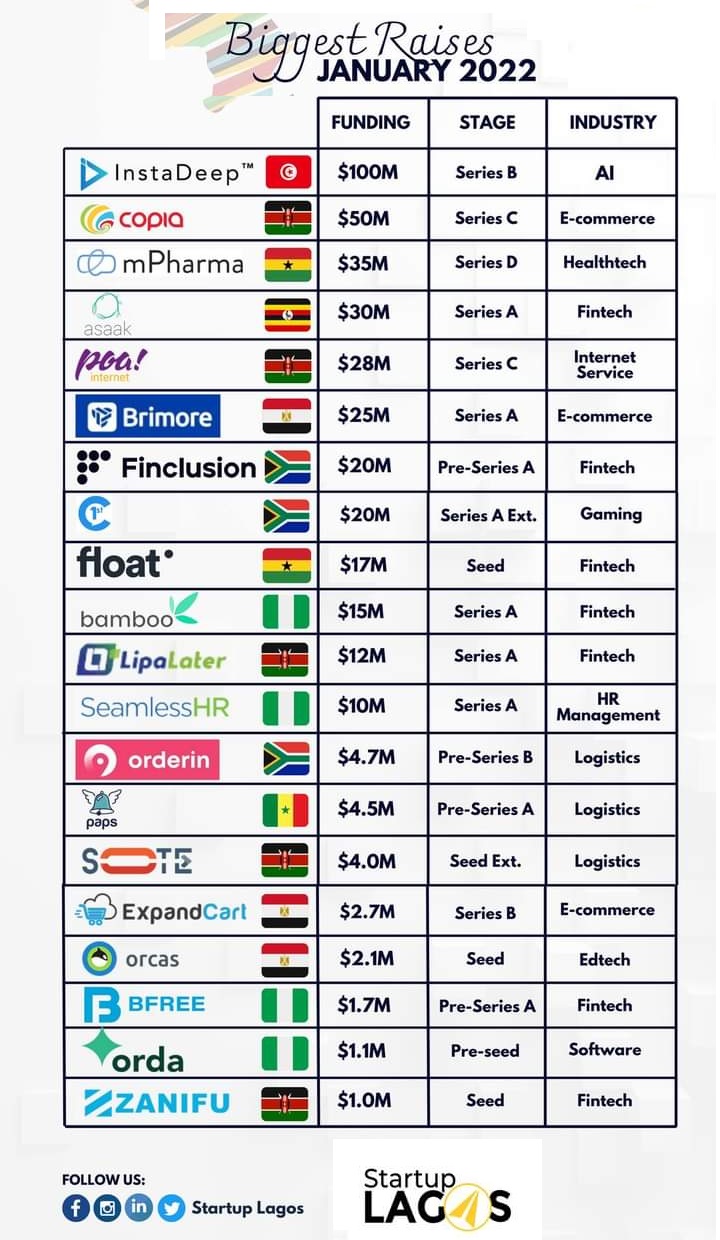
Biggest Raises in African Startup Ecosystem – January 2022

0

India wants the citizens to pay 30% tax on crypto and NFTs; do not share this post with the Federal Inland Revenue Service of Nigeria. And Saudi Aramco has souped up a $1billion Venture Capital fund to invest in emerging technologies. Hello NNPC, can you budget  $10 million for early stage startups in Nigeria?

That may be the oil and gas of the future because African startups are raising tons of money and some do not even have time for the pressmen. Tekedia Capital continues to provide paths for people to own a piece of these future empires here 

Be inspired because the future looks promising; the innovators are at work.

Comment on LinkedIn Feed

Comment 1: The dollars are raining, the future is not gloomy but exciting, you just need wash your eyes very well, so that you can see.

As for NNPC, it would be a great idea for it to have tech focused venture funds, since it’s great at loss making, with zero innovation anyway; this could open a new vista, making the hopeless state entity relevant in future discussions. As long as it doesn’t introduce quota system in funding the startups, else it will become another wasteful adventure.

For India and new tax regime for crypto and NFTs, our case is quite different, we haven’t even admitted or denied how useful or harmful the new tech is to our economy, so contemplating taxation would be an aberration.

Read Tekedia Mini-MBA Testimonials Here

0

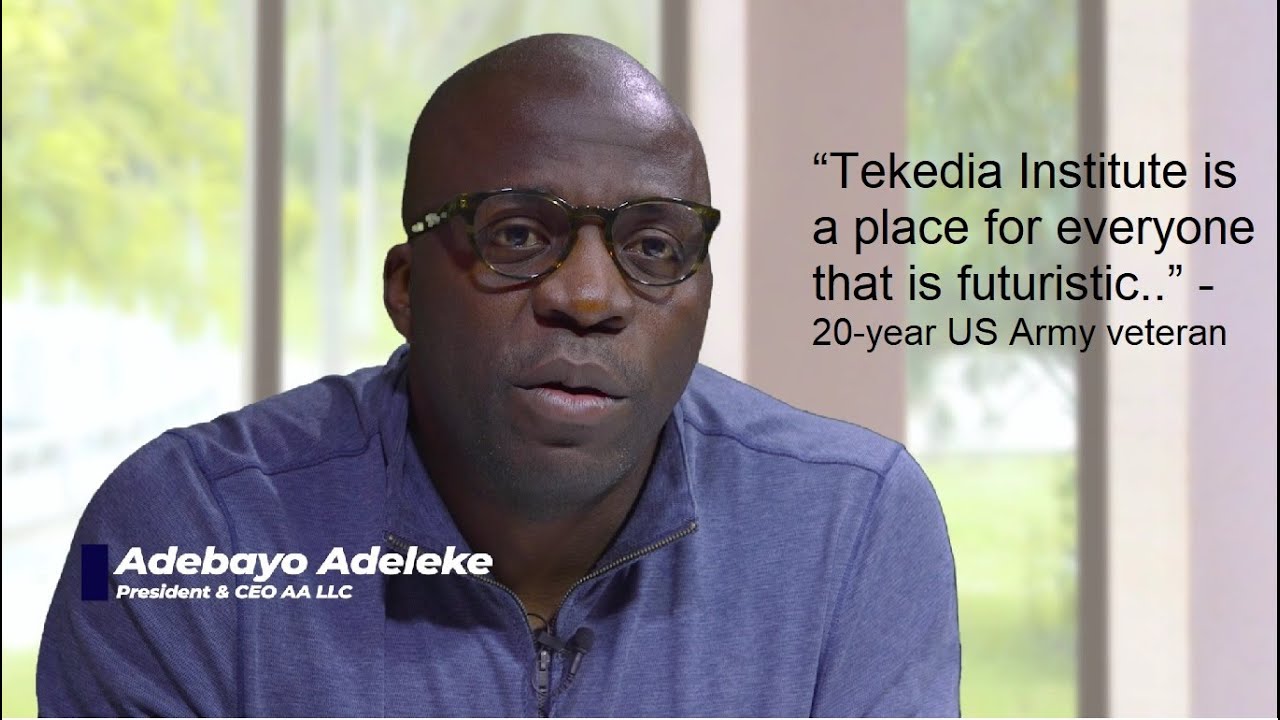
Mr. Adebayo Adeleke served the U.S. Army for more than 20 years. He rose to the positions of the Director of Contracting Operations and Chief of Contracting. Bayo, a seasoned combat veteran of the United States Army, CEO of Adebayo Adeleke LLC and a Tekedia Institute Faculty, sent this unsolicited video testimonial mainly from feedback from dozens of his staff who have attended our programs.

Read Tekedia Mini-MBA testimonials here.

Invent, innovate and drive organizational transformation, performance, and growth. Capture emerging opportunities in changing markets while optimizing innovation and profitability. Digitally evolve your business or functional area, turning digital disruption into a competitive capability and advantage. Master the concepts of building category-king companies, and thrive.

Registration for the 6th edition of Tekedia Mini-MBA (Feb 7 – May 7, 2022) opens. Tekedia Mini-MBA, from Tekedia Institute, is an innovation management 12-week program, optimized for business execution and growth, with digital operational overlay. It runs 100% online. The theme is Innovation, Growth & Digital Execution – Techniques for Building Category-King Companies. All contents are self-paced, recorded and archived which means participants do not have to be at any scheduled time to consume contents. Our programs are designed for ALL sectors, from fintech to construction, healthcare to manufacturing, agriculture to real estate, etc.

Facebook’s Meta Drops 22%, Wiping $200 billion; Apple, TikTok At Play

1

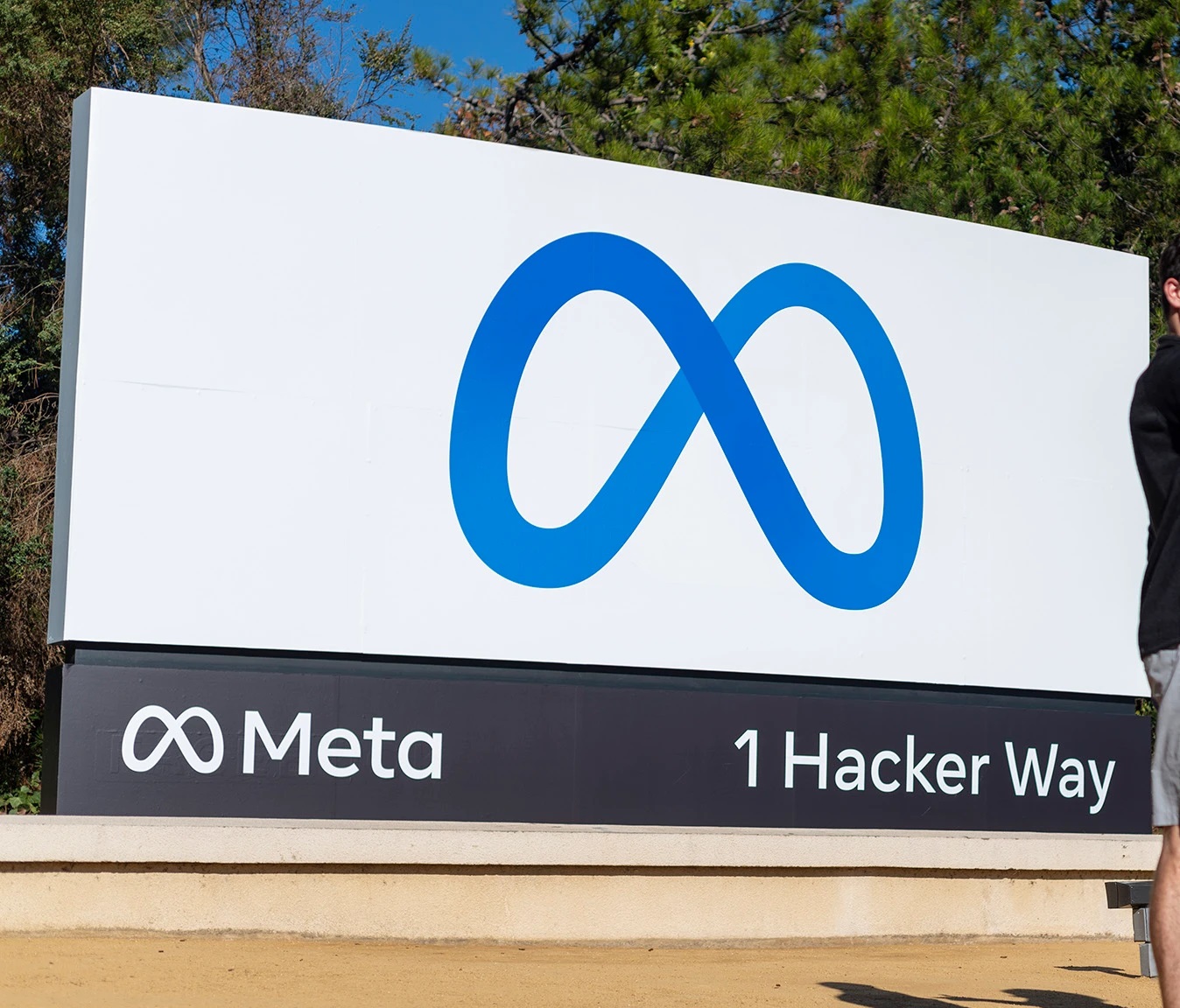
When Facebook changed its algorithm a few years ago after the paralysis of the Cambridge Analytica scandal, many companies which built on Facebook went bankrupt. Today, Apple’s privacy changes in its products are hitting Facebook hard. Yes, Meta (parent company of Facebook, Instagram and WhatsApp) is off by more than 22% in after hours after the company missed earnings targets. 

Simply, privacy changes by Apple have allowed users to opt out of having much of their online activity tracked, and that has made it harder for Meta to soup them with ads. With less efficiency, clicks drop and Facebook sees more than $200 billion wiped out in its market value.

You can see why modern digital infrastructure companies in the mobile internet era own the future. Apple’s iOS and Google Android for mobile while Windows rules everything else. 

As that happens, TikTok provides another asymmetric attack from the flanks. TikTok is a key reason the growth on active users has stalled.

Meta’s companies are just visitors in those ecosystems,  and that is why Mark Zuckerberg is hoping he can create a new dawn in metaverse with an amalgam of Oculus VR and other things to control one. Possibly, Meta will build the operating system for metaverse so that this risk of changes in Google and Apple will become better managed.

Meta’s stock slumped more than 20% after the Facebook parent company posted disappointing earnings and reported that its number of active users had stalled. Profits dropped 8 percent in the fourth quarter, to $10.3 billion, from a year earlier and the company’s number of monthly users remained static at 2.91 billion, compared with analyst projections of 2.95 billion. Meta said it was being hit by a combination of “headwinds,” including the negative effects of inflation and supply chain problems on advertising spending, and increased competition for users’ time. (LinkedIn News)

People, it is just a click away and the digital animal fades; TikTok ticking!

A Wake Up Call To Tackle Money Ritual Among Youth In Nigeria

1

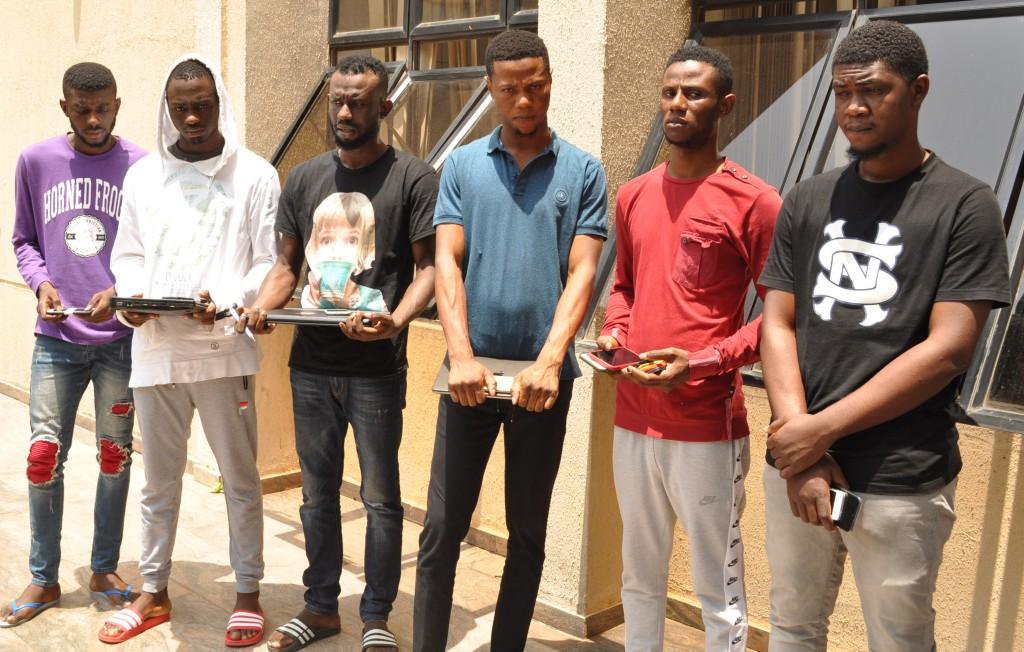
Recently, there has been a surge in ritual killings carried out by youths in the country. Surprisingly some of them are carried out by teenagers. The get rich quick syndrome has engulfed the mind of so many youths that they no longer see dignity in labor. They now seek shortcuts to succeed even without trying. If this issue is handled with levity and not nipped in the bud, I am not a harbinger of bad news, but it will definitely escalate into something worse. What is prevalent among them is internet fraud which is called “Yahoo Yahoo”.

With the high rate of ritual killings, from information gathered, these youths while engaging in online fraud now perform rituals to be able to ensure that they amass so much money from their online scam. Just recently a video went viral where a group of boys, 3 in number with ages ranging from 15-16 stated that they left their base to come and learn internet fraud in another state. Also, some group of teenage boys in their quest for quick wealth beheaded a teenage girl on the instructions of a herbalist which they were eventually caught.

Seeing these things, I begin to ask myself where did things go wrong. Giving a thorough thought to it, I concluded that so many things are actually behind the get rich quick syndrome among youths. Government, parents, Entertainment industries, society, etc all contribute to it. They have failed to play their role well.

Starting with the government, with Nigeria being one of the headquarters of poverty coupled with a high rate of unemployment that has ravaged the whole country, anything is expected from the youths. The government has failed in keeping them engaged with jobs and also giving meager pay to most government workers. The youths have no option but to seek routes that they believe will better their lives. Although some engage in decent jobs, while some others engage in online fraud coupled with ritual practices.

Not in any way justifying their actions, but once the issue of unemployment is tackled by the government, I believe there will be a decrease in these dastardly acts carried out by the youths. The government is treating the issue of unemployment with levity, and with the rate at which these rituals are happening, if nothing is done the streets might not be a safe place again especially females who are their prime target.

Most Parents on the other hand have failed in their duties. There seems to be an increase in bad parenting. I don’t see any reason why a responsible mother would rejoice and thank God after her teenage son suddenly comes home with an expensive car without any legit traceable source of income. What happened to parents questioning their wards about their sudden wealth instead of encouraging them and praying for them. If parents can wake up with their parenting roles, the issue of fraud will be reduced. Parents need to properly warn their wards about the repercussions of engaging in such illicit acts. Instead what we have today are parents who go as far as buying laptops for their children to start online fraud.

The entertainment industry has also contributed greatly to this. There needs to be a reform in the contents they put out for public consumption. For instance, in the film industry, “Nollywood”. They should stop displaying content that glorifies fraud and ritual, instead, they should produce content that teaches about the danger of engaging in such acts. They should be intentional about putting out content that teaches great lessons to make people, especially youths, desist from engaging in fraud, rituals, and other vices in the society. They should depict sad endings of fraudsters/ritualists and people who chose a negative path in life to pass a message across.

Also, musicians can play a vital role in curbing these acts. They should produce songs with lyrics that talk about the dangers of fraud and ritual and also condemn all other illegal acts. Instead, what do we hear these days “if you no get money, hide your face”. Lyrics like this encourage people, especially the youths to go the extra mile just to make money legit or not. This is not the way to go. Although there are few exceptions of musicians who give out great music that pass great messages, a collaborative effort would be ideal. Society can also play a big role in this, by ensuring that they do not give chieftaincy titles or any other titles to people with questionable sources of wealth and also, society shouldn’t glorify such people.

With the high rate of fraud and ritual killings, going on in the country. It is indeed a wake-up call to the government, society, entertainment industries, etc to join efforts to help curb this menace before it ravages the whole nation.

Fate Of Nigeria’s Higher Education: The Role Of Unions And Government

0
National-Universities-Commission-NUC

For decades now, acquiring higher education on the African continent – particularly Nigeria – has remained synonymous with cat and dog life owing to the unwholesome state of the various tertiary institutions of learning situated therein.

The said challenge, which is very glaring, might not be unconnected with the national and local issues affecting the way the Nigerian government plans for the country’s future relevance and sustainability.

Higher education is being reshaped by globalization and the digital revolution. Every institution of learning that knows its onions wants to find itself in the world map regardless of what it would cost. Prospective students are fast becoming academically aware and making decisions about education accordingly, contrary to what it used to be.

University rankings among other yardsticks of measuring greatness will increasingly have greater influence on positioning institutions in the international market, and graduate career-readiness is a growing student concern.

Students are indeed looking for access to services and education across new technologies and more flexible delivery options. Towards being competitive as well as meeting these expectations, higher institutions would need to invest in expensive facilities and infrastructure.

Higher citadels of learning, such as universities, polytechnics, and colleges of education, are like manufacturing industries, hence, require adequate funding towards sustenance. Commencement of such business alone is strictly capital intensive, and its day-to-day running is sustained by thorough vigilance on the part of the management.

Since schools are not profit-making industries unlike other capitalist firms, their functionality mainly depends on funds coming from outside rather than the students’ tuition fees.

Ironically, Nigeria’s learning citadels, precisely the higher ones, have been wearing pathetic physiognomy thus far, thereby making them produce half-baked products unabated, in the name of ‘graduates’. This set of unemployed, or perhaps unemployable, youths is littered all over the country, searching for white-collar jobs that cannot be properly handled if given to them.

Since the jobs are not forthcoming, they would resort to such various social vices that would generate quick money as armed robbery, kidnapping, abduction, cultism, ritual killing, internet fraud, gambling, and so on, just to mention  but a few.

Considering the aforementioned phenomenon, there’s no need to say that about eighty per cent (80%) of the reason Nigeria is currently awash with all kinds of dubious acts is the ongoing plight of unemployment, which is on the rampage.

But if the so-called job-seekers were well equipped/tutored while in school, they would have rather considered becoming employers of labour. They can only become self-reliant if the necessary teachings and training were given to them during their school days.

Take a walk to any university across the federation and see things for yourself. Facilities including laboratories, libraries, workshops, and even lecture classes/halls are nothing to write home about. Most of the institutions are, to assert the least, like glorified primary schools.

What about the lecturers’ offices coupled with their wages? An average politician would go home with millions of naira on a weekly basis whereas a lecturer, on the average, cannot even boast of a hundred and fifty thousand naira (#150,000) monthly.

It would interest, probably shock, you to note that the basic salary of a ward councilor in Nigeria is about five times greater than the overall monthly wage of a professor who is reckoned to be the most learned in any society.

A lot has really gone wrong, and it is high time we made amends toward attaining the anticipated greatness. Each year, the Academic Staff Union of Universities (ASUU) and the National Association of Academic Technologists (NAAT), among other labour unions in higher learning citadels, embark on industrial action for a particular cause, yet the demon ravaging the Nigerian schools remains seemingly unbeatable.

The pertinent and inevitable question now is: how do we unravel this lingering mystery, or should we continue folding our arms and watch it deteriorate into a more forbidden scene?