DD
MM
YYYY

PAGES

DD
MM
YYYY

spot_img

PAGES

Home Blog Page 5444

Avoid people who think they can never be wrong!

0

Do not argue with the past and be open to embrace the future.

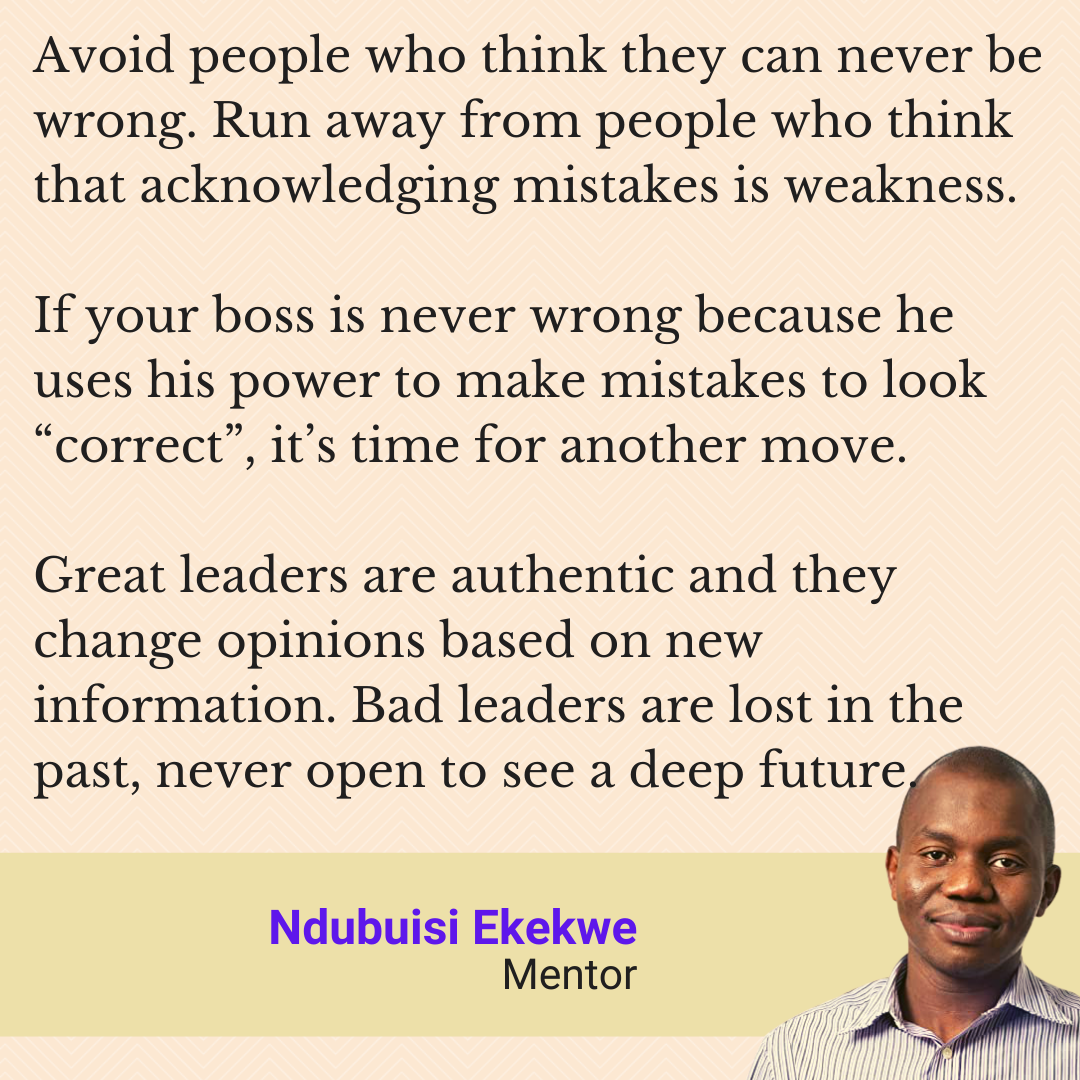
Avoid people who think they can never be wrong. Run away from people who think that acknowledging mistakes is weakness.

If your boss is never wrong because he uses his power to make mistakes to look “correct”, it’s time for another move.

Great leaders are authentic and they change opinions based on new information. Bad leaders are lost in the past, never open to see a deep future.

Comment on LinkedIn Feed

Comment 1: This is where imagination trumps knowledge, the latter puts you in defensive mode, working hard to protect what you already know, irrespective of its relevance or lack thereof.

No matter how much knowledge you have accumulated, it remains infinitesimal when compared with what you don’t know, so the idea of never being wrong or sticking to your initial position all the time is nothing really short of foolishness, and therefore not fit for debate.

Growth is tied to the future, you do not grow in the past.

Comment #2: Prof. your identity is a spectrum, it changes with the tone of your posts. When you write to educate businesses, you’re an Investor/Innovator/Entrepreneur/Strategist. When you write to inspire philosophically, you’re a Mentor. When you write to teach people, you’re a Teacher/Tutor. When you write from a technical point of view, you identify as an Engineer/Technologist.

A Leader doesn’t only ‘inspire’ his Teammates, he is also ‘inspired’ by them. If such is not the case, then he’s a Ruler, not a Leader. A leader is a part of a team. A ruler has no team, he has subjects.

If you’re subject to your boss rather than his/her teammate, you’re under a Rulership. If you’re intending to grow as a person under a “Leadership”, then you might want to quit the union. In other cases, your possible course of actions should be dependent on the nature of your relationship with the company.

An African Metaverse Roadmap

0

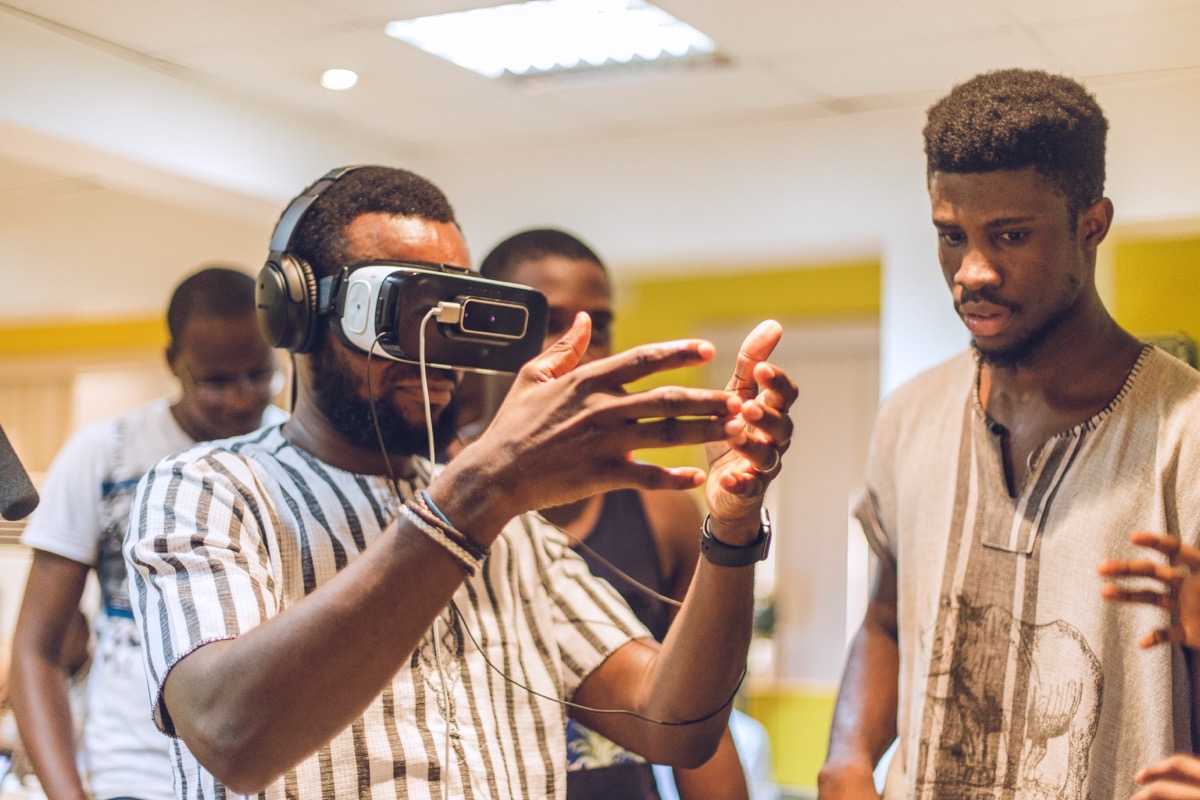
The metaverse is more than a business potential. It will rewrite our history as a race but I fear it may never crack the balkanization of the internet. It will accelerate the widening digital divide and set up the human race for another clash of civilizations- what culture should lead or dominate will reverberate in this new world of the internet and virtual assets. Societal polarization may remain brutally the same across views, directions, and leadership of this moment and the future.  

But it makes commercial sense for African telecoms and startups to explore the possibilities inherent in building platforms created on blending the digital world with real-life environments. For African telcos, this is a potential $712 billion market by 2030 as we introduce such state-of-the-art 5G applications. The joy is everything is still at its nascent stage, we can begin to build cutting-edge metaverse applications.  

It will open up new revenue streams for the African technology ecosystem but we essentially must improve on our infrastructure (both soft and hard) as the metaverse relies on speed connectivity, data storage, and reliable connection. This will demand that the African government work through promoting public-private partnerships to advance the technology. The metaverse is a famous coinage in sci-fi novels and movies. Its growth and influence have been accelerated by the COVID19 pandemic and stunning advancements in exponential technologies. 

Leslie Shannon, Nokia’s Head of Trend Scouting, referred to the importance of the metaverse, or spatial internet, as the zenith of everything that augmented reality (AR) and virtual reality (VR) is creating today. “It’s the idea of taking information about things, locations, or historical events and actually locating that information out there in the world where it’s most relevant.  

The role of gaming

A Strong gaming industry is a key foundation for the flourishing of the metaverse. Here South Korea highly reckoned gaming industry and its popular culture content as placed it as one of the strategic leaders in the metaverse world. South Korea boasts of the world’s fourth-largest gaming market, which is expected to surpass 18 trillion won ($16.6 billion) and help it preserve its gaming industry as the largest cultural export. 

Globally, the gaming industry is transforming. We are seeing the use of virtual engagement through massively multiplayer online role-playing games. There is the opportunity for African gaming firms small as they in comparison to the gaming giants, can use African game characters and intellectual properties. We can develop virtual reality platforms by riding on the global success of our sports, musical, and entertainment idols. These contents/platforms will help us tell the African story and develop commercially attractive IPs for the consumer brands and the world.

Metaverse is beyond gaming. It is a virtual city where brands and people are comingling. It is a platform for social gatherings as well as shopping. So, famous brands such as Nike, Gucci, and Ralph Lauren are opening virtual shops and selling their digital products. Also, the rise of patronization continues with these brands enabling their users to design their own items and monetize them. Metaverse is a transformative mix of games and massive digital commerce.

African telcos must start building their own metaverse platform targeting African digital natives and emboldening this platform to help African businesses host conferences, orientations, training, and town hall meetings. We can give our tourism industry a metaverse lift by driving its global attraction through virtualization and gamification, helping us reach a hitherto unreachable global audience and commercial patronage.

We will need a roadmap

We must accelerate the digital transformation of African society. We need African business and government to shape the metaverse. We must accelerate our local infrastructure development so it can support technological innovations like those in the metaverse. And public-private partnerships should play a role. 

African government science ministries should forge a “metaverse association” with commercial entities as well as the government to enable the evolution of virtual and augmented reality platforms that reflect our cultural heritage, history, and transformations. It must back this with funding and strong partnerships with global technology houses. Yet we may be lucky to have the metaverse still at its nascent development stage but we may not be lucky if we don’t shape its evolution in the years ahead. 

So, luck may elude us if we don’t start investing heavily in fast and reliable internet, and the related infrastructure to drive this. This is the fulcrum upon which the metaverse platforms can be accessed from anywhere. It, therefore, means that Africa must build digitally connected societies across its communities. Incessant power and internet outages and even the lack of it thereof in many places could truncate the laudable benefits of an Africa-shaped metaverse.

African telcos must brace up their infrastructure for high internet traffic. There is an urgent need for the development of proper infrastructure to support the evolution of the metaverse. It goes without saying that 5G testing and rollout should move beyond major cities but extend into rural areas. As we move into uncharted quarters, regulation must evolve rapidly to meet the need for data protection, privacy, and the transformative impact of the metaverse.

Finally, with the arrival of the COVID19 pandemic and its virulent mutations that bedevil us daily, the African government must understand that the metaverse will have a transformative impact on our society and its future. The massive investments being poured into the metaverse could see African society playing catch up with dire consequences for all. The African government must build the needed infrastructure, understand the technology and shape the direction which could redefine industries and societies. As the world moves into the metaverse, it offers Africa amazing opportunities to tap into her ingenuities with PPPs and collaborations, thereby setting the stage for a Pan-African metaverse age. 

REPORT: Top News Categories Nigerians Searched and Read Most in 2021

0

With the less than 25 days to the end of 2021, the outcomes of the news consumption trend analysis in Nigeria have shown that Nigerians and other nationals consumed sports and lifestyle related news stories during the year. From January to November, our analyst tracked news categories searched and read by the public. Starting from the beginning to the end of every day, our analyst tracked the most occurred news category from national and global perspectives. This led to a total of 3,673 news.

With 2, 114 news, sports category dominated. Lifestyle followed sports news category with 956 news reports from the two geographies. One hundred and sixty-eight news were found for crime while 143 news consumed were business related happenings in Nigeria and other countries. Surprisingly, educational related events and happenings were consumed less. Our analyst found 38 news for the category during the months used for the analysis.

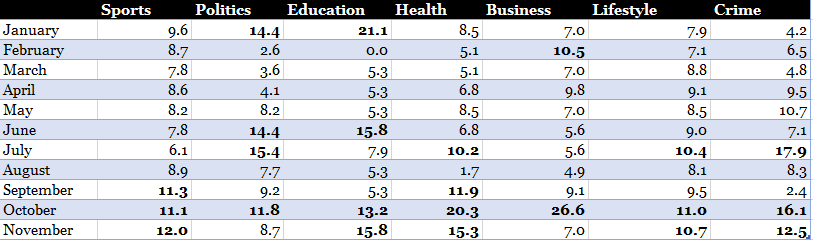
Exhibit 1: Top News Categories


Source: Google Trends, 2021; Infoprations Analysis, 2021

Month-by-month analysis shows that education and politics news were searched and read the most in January. It was business news in February and lifestyle in March. In April, in addition to consumption of business news, Nigerians and other nationals also read lifestyle related news. Like what was recorded in February and March, analysis indicates that crime related happenings and events were consumed the most.

On a surprising note, consumption of happenings and events related to education and politics was high in June, six months after recording such feat. The level of consumption across news categories increased in July. Our analysis reveals that July was the month that ignited consumption of more than two news categories by Nigerian. During the month, crime, politics, lifestyle and health were searched and read the most. In August, the readers prioritised sports, crime and politics. Health and sports news were the priorities in September. In October, business, health, crime, education, politics and sports were predominantly considered by the readers. In November, education, health, crime, sports and lifestyle news were the priorities.

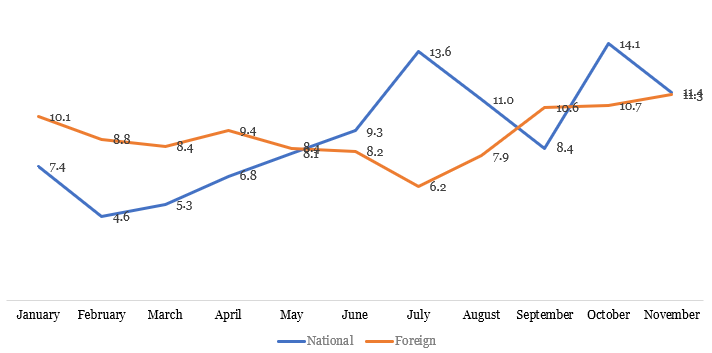
Exhibit 2: Consumption Trends by Geography

Source: Google Trends, 2021; Infoprations Analysis, 2021

There was a moderate difference between consuming national and foreign news categories from January to April [see Exhibit 2]. In May, though Nigerians searched and read foreign news most, a closed level of consumption was discovered. A slight difference in the consumption across the two geographies also found in June before wide margin occurred in July and August. This is equally recorded in September and October. Like the closed level of consumption recorded in May, a slight difference existed in November. Though, there are 23 days to the end of 2021, our projection indicates that Nigerians and other nationals in the country would search and read foreign news content more than the national ones.

Looking at these outcomes, our analyst notes that they are in line with the findings in the 2021 Top Google Search report released by the Google, a global tech company, which releases what people searched the most across the world with the specific reference to the individual country. In the report, as quoted by many national newspapers, Nigerians searched Paralympics, Lukaku/Romelu Lukaku, champions league draw, EPL results and Messi transfer as part top 10 searches in August. They also searched Big Brother Naija, which is lifestyle related.

For the year 2022, our analyst notes that the emerging outcomes have several implications for people, businesses and government. It is obvious that Nigerians and other nationals would continue to consume foreign content more than the national ones due to preference for foreign content, especially sport events and happenings. With this, it is necessary that businesses and government key into the public traces on the digital platforms and online communities for possible dissemination of commercial and public related information.

Revenue Shortfalls: Nigeria Unable to Pay Police, Workers’ Salaries

0

Nigeria’s revenue shortfalls are beginning to hit home with brute spikes. The federal government has issued warning to ministries, departments, and agencies advising them to prudently expend their November salaries as their next pay may only come from January 2022.

The advice was contained in a circular dated November 25, released on Wednesday, signed by the FMC Keffi’s head of finance and accounts, Samson Adegoke. The circular reveals that federal workers will not be receiving their December salaries due to shortfalls in budgetary allocations.

“Due to the recurrent trends of shortfall in budgetary allocations and its attendant effect on the payment of salaries in recent times across various MDAS, the management wish to regrettably inform all staff that there might be an envisaged delay in payment of December 2021 salary in the Centre.

“Accordingly, all staff are advised to be cautious in spending their November 2021 salary and to make provisions for Christmas celebrations therefrom,” he said.

The circular confirms the outcry of some members of the Nigerian Police Force, who have lamented the “delay” in payment of their November salaries. The police authority had in a signal message sent around 1:50 p.m. on December 3, informed personnel of the situation, citing delay in processing funds from the Federal Ministry of Finance.

“Information received from the Integrated Personnel and Payroll Information System unit of the office of the accountant general of the federation indicates delay in the processing of funds salaries which implies that there will be a delay in payment of November salaries,” the IGP of Police, Mr. Usman Baba said in the signal.

While the police blame the delay in payment of its personnel salaries on the Finance Ministry, pointers are indicating that it has more to do with the federal government’s revenue shortfalls.

As the oil economy dwindles, the Nigerian government has depended on loans to fund budgetary allocations, and that has come with weighty consequences. The Debt Management Office (DMO) said Nigeria’s total public debt has risen to N35,465 trillion as of June 30 2021. This means, currently, the federal government is spending over 98% of its revenue on debt servicing.

The situation has been largely compounded by Nigeria’s plummeting oil output, insecurity and poor fiscal policies. While the federal government boasts that the economy has been diversified to yield sustainable revenue, export and import indices are indicating the opposite.

The Nigerian Bureau of Statistics (NBS) disclosed on Monday that Nigeria recorded N3 trillion negative foreign trade balance in the Third Quarter (Q3) of 2021 as total imports hit N8.2 trillion against N5.1 trillion during the period.

The Statistician General of the Federation and Chief Executive Officer of National Bureau of Statistics, Dr. Simon Harry revealed that Nigerian export trade was mainly dominated by Crude Oil, which amounted to N4 trillion Naira.

“In terms of exports, Nigerian Export trade was mainly dominated by Crude Oil which amounted to N4 trillion (78.47%) of total export in the Third Quarter. This was followed by Natural gas, liquefied with 487.49billion (9.50), floating of submersible drilling platforms with N163.70 billion (3.19%) and Urea, whether or not in aqueous solution with 107.17billion (2.08%).

“On the other hand, imports were mainly motor spirit valued at N1.1 trillion (12.91%), Dur wheat valued at 315.17 billiom (3.87%), Gas Oil with N225.63 billion (2.77%), Used Vehicles N185.41 billion (2.27%),” he said.

The Nigerian National Petroleum Commission (NNPC) said last month that it recorded a revenue deficit of N1.29 trillion from January to September this year.

With covid variants meddling with oil market’s chances of rebound, Nigeria’s revenue shortfalls is expected to linger into the future. Federal government’s inability to pay workers shows how broke the country has become as a result of the oil revenue downturn.

Last month, the Senate approved more than $17 billion fresh loan request made by Buhari. Given the current situation, it appears the federal government is counting on the loan to offset its workers’ salaries.

Finance Minister Zainab Ahmed has said that Nigeria will depend on loans to fund its 2022 budget, painting a dire picture for workers and the country’s economy.

The backdrop is stoking concern that the government’s failure to pay workers  will exacerbate corruption, especially within the Police – exposing more Nigerians to harassment, extortion and brutality.

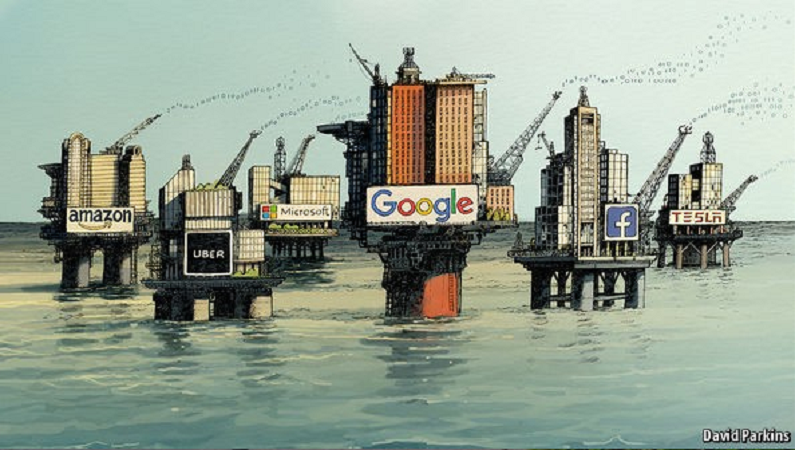
Tech is the New Oil

0

I am personally passionate about the tech industry and the opportunities inherent within it, especially for young people. While I have been interested in tech for more than 3 years now, I really only became actively involved from a fintech perspective in the past 6 months, and I have clearly become a huge advocate and evangelist of the wonderful things tech can do for both people individually, and how it can economically uplift even nations. This piece is my attempt at outlining the benefits of tech from a broader economic perspective.

LOCAL CONTENT

Governments, Parliamentarians, Regulators, Politicians are generally not stupid (regardless of what you think), while there are politicians who excel at speaking  to the hearts of the crowds, getting their buy-ins to win elections, convincing people they are right for the job, and when all of these don’t seem to produce the desired results, moving some couple million dollars to a special account to use to PROPERLY INDUCE the electorates to vote for them, a good number of politicians are smarter than you think, and regardless of who is smart or not smart, the language all people understand is money, and as long as there’s money to be made, people have generally found ways to align themselves, if but only temporarily. The Nigerian Oil and Gas Industry Content Development (NOGICD) Act 2010 is a very good example of this.

Prior to the establishment of NOGICD in 2010, most of the value being created in the Oil and Gas industry in the Nigerian ecosystem was largely being imported to foreign climes. So while oil was responsible for 90% of the country’s revenue, it represented less than 38% of the country’s GDP, and according to some data, almost US$380 billion was literally being paid to expatriates, foreign contractors etc. as against Nigerians.

While this design may have favored a select few (The Oil Majors), this was damaging to the local economy. Big companies are good at many things – partnerships, navigating harsh and uncertain regulatory environments, and more importantly lobbying lawmakers – I do not think the oil majors of those times were any different, and I don’t think I would be fantasizing if I assumed a couple of nice crisp Benjamin’s (slang for 100 US dollar bill) had greased the palms or slid into the personal accounts of certain lawmakers to keep things so, however in 2010, lawmakers were able to put selfish interests aside and come to a common consensus to pass the Nigerian Content bill.

The result of this bill was massive access to the booming oil and gas sector by the average Nigerian either by being directly employed and trained by some of these majors, starting businesses in certain verticals (pipe manufacturing, welding etc.) that benefited from the enforcing of this bill, or flat out starting their own Indigenous oil producing companies altogether (Seplat, Aiteo etc.). The result of politicians ignoring 6,7 or even 8 figure dollar account balances to see the good of the general populace has been felt by all, and while the Nigerian Content bill isn’t necessarily at 100 percent Local Content and there is still definitely a lot of room for growth, at 31% Local content implementation we can say that the team working on this has made significant progress and has done a good job altogether.

Why compare Oil and Gas Local Content to Tech? Simple – tech needs no Local content. From day 1 tech has largely been a local player driven industry, and while I am aware that at some point Nigerian firms were literally importing a good proportion of the software (HR, Accounting etc.) used for business purposes, today a good number of local and affordable alternatives exist on the continent, and this has spurred massive local adoption of technology solutions among not just businesses, but individuals alike.

Today the revolutionary technology that powers the TSA (Treasury Single Account) – the one technology that has severely (not completely) paralyzed the ability of corrupt civil servants to move funds indiscriminately into personal pockets and allowed the Federal Government have a much clearer view of its financial positions per time is powered by a fully indigenous Nigerian company – SystemSpecs, the firm that pioneered card switching in Nigeria and made it possible for people to use ATMs as against having to carry cash around was founded by a Nigerian and is called Interswitch, the company that provides Core Banking Applications (CBA) to more than 500 Microfinance Banks in Nigeria who may not be able to afford much more pricier solutions like Temenos T24, Finacle etc. is a Nigerian company called AppZone. These companies do not just create solutions for Nigerians, they create jobs and opportunities for the ecosystem, both directly and indirectly.

DECENTRALIZED OPPORTUNITY

One of the reasons I believe tech may not just be the new oil, but may be better than it is the fact that tech creates a huge opportunity for ordinary basic people without any kind of privilege, who are smart enough and have found favor with God to scale up massively and create wealth that would have been unforeseeable in a previous dispensation.

What do Jim Ovia, Segun Agbaje and Tony Elumelu have in common? They are some of the biggest names in the banking industry today. Another thing they have in common is that these men spiraled into wealth by grasping the opportunities that came from a friction filled banking system, creating new paradigms of business and profiting off the growth that came with it. And while Jim Ovia and Segun Agbaje had some degree of privilege (not enough to warrant owning banks and being billionaires), Tony Elumelu was a pretty unremarkable guy who finished from the university with a second class lower (not that that means anything), that now runs some of the biggest businesses in Africa, funds more than 1,550 African entrepreneurs annually, is playing a pivotal role in shaping the future of African entrepreneurship and what he calls ‘Africapitalism‘ and possibly owns a very nice looking silver Rolls Royce (I just had to add that).

Today, some of the largest tech startups in Africa were founded by pretty normal guys who were driven, smart enough to see opportunities, and favored enough to be able to capitalize on them.

One of the founders of Flutterwave used to work at Access Bank, the Cofounder of Mono (raised a US$15 million Series A in 2021) Abdul Hassan was a product manager at Paystack, TeamApt’s CEO used to write code at Interswitch, Musty Mustapha, CTO of Kuda Bank (US$55 million Series B) was a Software engineer at FirstBank, the list is endless. The idea is that like the Banking sector in the early 1990s, the opportunities in the tech space today are massive, and those who are able to run with them early enough are positioning themselves for huge rewards going forward.

Today, if you want to start a Bank, a Deposit Money Bank, DMB for short, you will need to show the Central Bank of Nigeria that you have a minimum share capital deposit of N25 billion (US$60.8million) to prove to them that you’re serious. In other words, if you plan to start a proper DMB in Nigeria, (not a Microfinance Bank), the ticket to see that movie at the CBN Governor’s Office is N25 billion. No wonder there are only 22 people inside the theater watching it.

However, if you want to start a tech firm today, you majorly need a team to build, market and sell your solution to the market. Most regulatory licenses (in the fintech space) can be circumvented by partnering with banks, and I don’t think NITDA licenses cost billions to acquire. The opportunity for every (serious and committed) Dick and Harry to come onboard is largely there, and this creates new opportunities for new business verticals going forward.

THE INTERNET FRAUD PARADOX

While I do not in any way support Internet fraud (‘Yahoo Yahoo’), and I consider It to be a bane to the image of our country, the truth is that although Internet Fraud is bad for the public image and brand of our country (and I have personally witnessed this up close), it is relatively good for our local economy because these fraudsters move these monies back to Nigeria, and spend them locally. Is it safe for us to assume that Internet Fraud adds an additional US$15-50million or even more to the Nigerian economy annually? Either way, we should be switching this paradox to value what remote tech workers add to our National GDP annually too.

In the past you would need to be based in a foreign nation to earn Forex from that nation as an individual, and even if you made remittances back to family members back home, chances are, you’re only remitting a certain percentage of what you earn, as majority of that money would still be spent and circulated in the economy of the host country you dwell in. Today, a software engineer, UI/UX designer etc can work with a US or European based firm from his workstation in Lagos, earn at the economically accepted remunerable level of that nation (say US$3,000 to maybe even US$12,000 per month) and spend a vast majority of that money within our local economy here in Nigeria. This bolsters the economic strength of the nation and creates other avenues for value creation internally.

Total Remittance into Nigeria in 2020 was US$17.2 billion – if we had 70,000 tech workers working for foreign firms earning at least US$5,000 a month in Nigeria, that could culminate into US$4.2billion in economic value that will be introduced into the local economy. A 2019 report from CNBC claimed there were at least 700,000 open tech jobs in the US alone, according to data from DealRoom, more than 100,000 tech job vacancies were opening up weekly in Europe, more of these companies in a bid to fill these roles are open to hiring remote talent to get the job done, firms like Andela, TalentQL, Propel (formerly Hire Free Hands) are capitalizing on these opportunities to create value; why doesn’t the government make a concerted effort to make Nigeria the home for remote technology talent globally, the same way Portugal has successfully positioned itself to be a global tech hub.

OWNERSHIP FLIGHT

One of the biggest issues in the tech startup space today is that while Nigerian tech startups are raising more money on a YoY basis, and increasingly garnering investor interest, more than 80 to 90 percent of African startups (especially those who have had multiple funding rounds), are really owned by foreign investors, and when the time for exits come, we’ll realize we only ended up creating wealth for the founders, early team members, a couple of employees, but majorly and more significantly foreign investors who commendably had the nerve to believe in our system and businesses when our own governments didn’t. In other words, a Local Content issue is resurfacing itself in the tech industry today, but this isn’t really about hiring foreigners, it’s about the fact that most of the wealth being built in Nigerian tech startups will largely find its way into the hands of foreign investors, because our indigenous investors are more excited about pumping their money into treasury bills and safely earning 9% per annum as against taking the risk to fund the future.

While I believe that Paystack was the Nigerian Startup exit we believed would be the Jesus Christ of exits and open the floodgates for all kinds of exits, that has not happened (yet), and most of the acquisitions we have seen since Paystack’s Oct 2020 announcement (excluding the Baxi Box acquisition by MFS Africa and Equinix reported US$320 million acquisition of MainOne ) have been largely small and insignificant (or at least not significant enough to gauge investor interest into that space).

Sparkle’s October 2021 US$3.1 million seed round was an all-star local investor round, but considering the fact that the founder was an ex-bank CEO and definitely has a good network, his kind of raise may not be accessible to all founders at seed level.

Side thought: I wonder who would be able to convince top Igbo billionaire traders and importers to get involved with Venture capital as a way to diversify their wealth.

POLICY DIRECTIONS

I do not believe in criticizing government policies without formulating some kind of solutions to them; I am fortunately not in the class of people who go around criticizing what others have built when they haven’t built anything themselves.

REMOTE TALENT CITIES

Create a serene environment that makes it convenient for these remote tech workers to do great work without being mistaken for internet fraudsters and harassed by members of the Nigerian Police Force.

Investing more into upskilling the general populace, starting from a Tertiary institution level, to make tech top of mind among young people and empowering them with the right tools (laptops, computers etc.) to create and learn while making this a policy priority is also key.

INCENTIVISING LOCAL CONTENT

While it would be exceptionally ill-informed to create legislation that discourages foreign investment to spur local investments, as the two should go hand in hand, creating legislation that encourages local investing into the tech space and creating meaningful incentives for doing so are key.

CONCLUSION

While people have referred to tech as the new oil, I believe that tech is beyond just the new oil, it is a unique opportunity to position young people to take their own future in their hands, create value, and ultimately create opportunities for themselves – things that oil in its entirety may not be well positioned to do.

Inspired By The Holy Spirit