It is what America does best: use tax incentives to seed innovation and create new industries. As a student member of the United States National Science Foundation CISST committee, I saw first hand how a great nation predicts its future by creating it. America ushered the ecommerce sector through a single line in a legislation in Congress: thou shall not be required to collect sales tax when selling things online!
Magically, that line pushed many people to begin to buy things online because buying online saves you 8-12% of sales tax. Why go to a physical store to pay tax when buying the same thing online will save you that money? Of course, you are expected to self-report that sales tax when filing your tax, but no one does and America was fine with it. So, a new sector emerged because America intentionally created it. Of course, Amazon is now collecting taxes for states: “If you’ve been enjoying sales tax-free purchases online, get ready for a major change. Amazon will begin collecting sales taxes from all states with a sales tax as of April 1, 2017. “
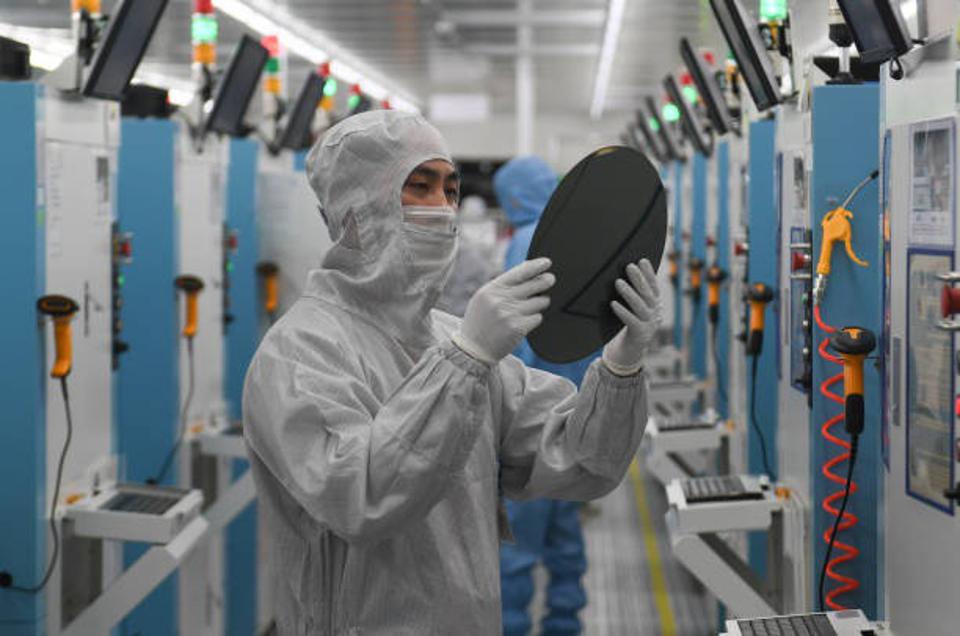
They did the same with electric vehicles when they pumped credits upon credits making it possible for companies like Tesla to rise. Today, they see friction to fix as they combat the paralysis in the semiconductor industry by providing a 25% tax credit for semiconductor manufacturing. Just watch how companies will respond in coming months.
Global chip shortage has added to the existing need for the United States to up its semiconductor production. China has become a chipmaking rivalry in recent years, which the US has tried to contain through trade agreements with China, designed among other things, to protect its intellectual properties.
COVID-19 outbreak ushered in a new normal that revved up chip demand, as the whole world relied more on technology and artificial intelligence to carry out tasks. Against this backdrop, from smartphone to auto production has been seriously impacted, and the US government knows it needs to do more to ameliorate the growing chip scarcity.
Thus, a bipartisan group of U.S. senators on Thursday proposed a 25% tax credit for investments in semiconductor manufacturing as Congress works to increase U.S. chip production. Reuters has the report.
Smart policies continue to shape industries in America. And I am hoping that Nigeria will begin to pioneer the use of its tax policies to improve the allocation of factors or production. The challenge in the power sector is something a brilliant policy would have stimulated resources to fix at scale. Indeed, our tax policies are largely for revenue collection. We need to get them to be used as growth drivers for industries of the future. Tax Policy for Industrial Growth is a line I approve.
US Senate Proposes 25% Tax Credit for Semiconductor Manufacturing