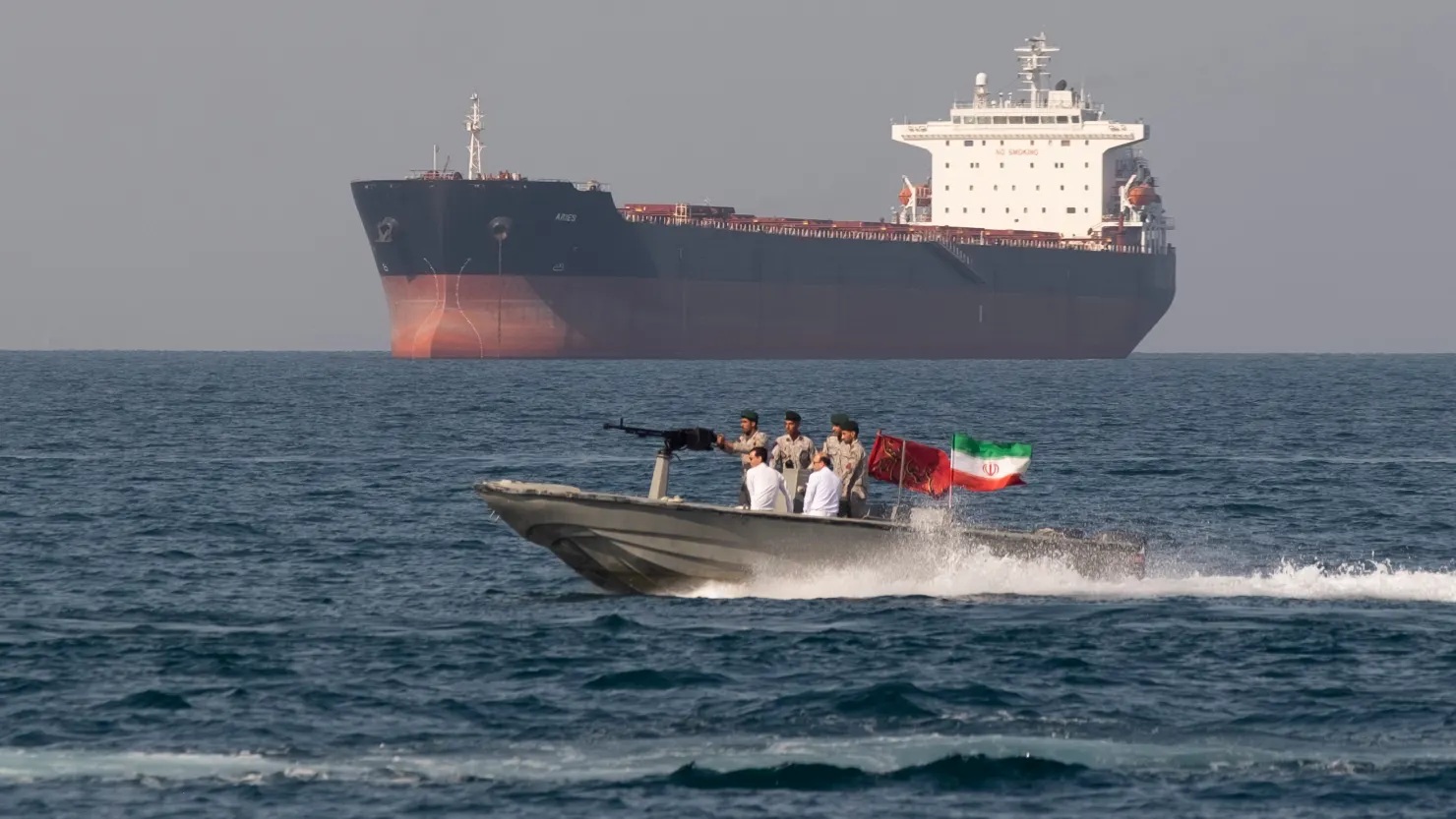
Iran’s Islamic Revolutionary Guard Corps (IRGC) has reimposed a closure of the Strait of Hormuz to commercial traffic, declaring it closed until further notice or until the US lifts its naval blockade of Iranian ports. This reversal came just a day after Iran briefly signaled the strait was reopening.
Reports indicate Iranian forces fired on at least two ships including Indian-flagged vessels attempting to pass, and the IRGC warned that approaching the strait could be seen as cooperation with the enemy. This stems from ongoing tensions in the 2026 US-Iran and Israel-Iran conflict. The strait is a critical chokepoint—about 20-30% of global oil trade and significant LNG passes through it daily. Iran has used control over it as leverage, closing or restricting it earlier in the crisis in response to US/Israeli actions, including strikes and a blockade.
A short-lived reopening followed ceasefire talks, but Iran cited continued US restrictions as the reason for snapping it shut again. Shipping disruptions, attacks on vessels, stranded seafarers, and volatility in oil prices with broader risks to energy and food and fertilizer supplies if prolonged. Markets have reacted with swings, though some reports note relative resilience so far. This fits Iran’s pattern of using the strait for asymmetric pressure while accusing the US of maritime piracy or blockade tactics.
JD Vance’s Trip to Pakistan
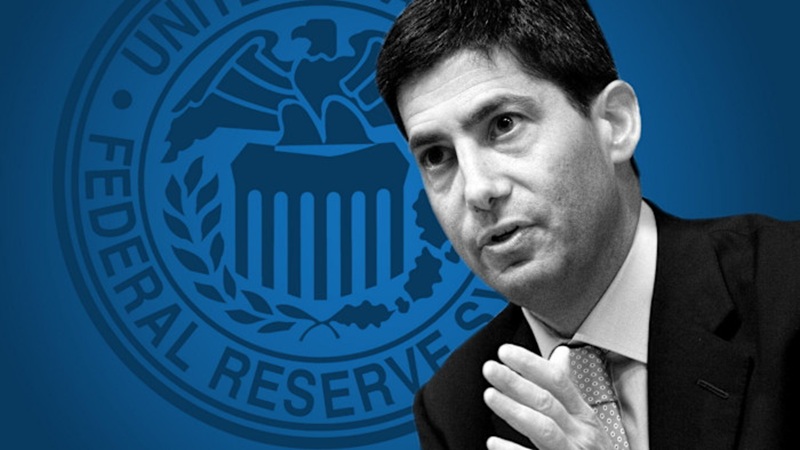
Vice President JD Vance is expected to depart or head to Islamabad, Pakistan, today or imminently for a new round of US-Iran peace talks—the second major effort after an earlier session there. He would lead the US delegation possibly including figures like Jared Kushner or Steve Witkoff in some reports. The goal is to negotiate a longer-term end to the conflict, focusing on issues like Iran’s nuclear program, the ceasefire terms, and regional de-escalation.
US officials say Vance is heading there, but Iran’s participation remains uncertain—Tehran has expressed deep mistrust, signaled it may not send a full delegation, or tied attendance to US concessions like lifting the blockade. The first round in early April produced no breakthrough. A ceasefire deadline is looming, raising risks of resumed fighting if talks stall.
Pakistan’s role: Islamabad is acting as a neutral venue and mediator for these sensitive direct or indirect engagements. These events are linked: The Hormuz closure and reported ship incidents are escalating pressures right as the ceasefire window closes and talks are attempted. Trump has sent mixed signals; claiming US control of the strait in some comments while pushing diplomacy via Vance and both sides accuse the other of violating understandings.
Broader context includes Israeli actions, Gulf state concerns, and global ripple effects on energy and shipping. The situation is fluid—diplomatic sources describe it as high-stakes with wide gaps remaining. Watch for confirmation on whether Iranian negotiators actually show up in Pakistan and any immediate military moves around the strait or ceasefire expiration. Oil markets and shipping insurance rates will likely reflect the uncertainty in real time.
Oil prices have been extremely sensitive. A brief Iranian signal of reopening on Friday caused sharp drops, triggering stock rallies. The quick reversal and re-closure announcement, plus reported ship incidents and US actions, reversed much of that—Brent climbed back above $95 up ~5-6% in sessions with WTI showing similar swings recently around $87-90 range, though it had hit over $100 earlier in the crisis.
The conflict including the initial March closure has already pushed Brent past $100-120 at peaks, described by the IEA as one of the largest supply disruptions in history. About 20% of global oil and significant LNG normally transit the strait; effective traffic has been a fraction of normal often near standstill, with just a handful of crossings recently.
Higher crude feeds into pump prices; US national average recently noted around $4+ amid volatility. Europe and Asia face added pressure from LNG disruptions, with reports of fuel rationing, electricity restrictions, and blackouts in some import-dependent areas. Jet fuel and diesel markets are also strained.